- Company Articles
- Products and Technology
- Application Cases
- Two Way Lean Pipe Joint Chrome in 3C Assembly Lines: Practical Applications

Two Way Lean Pipe Joint Chrome in 3C Assembly Lines: Practical Applications
Related Product
Two Way Lean Pipe Joint Chrome
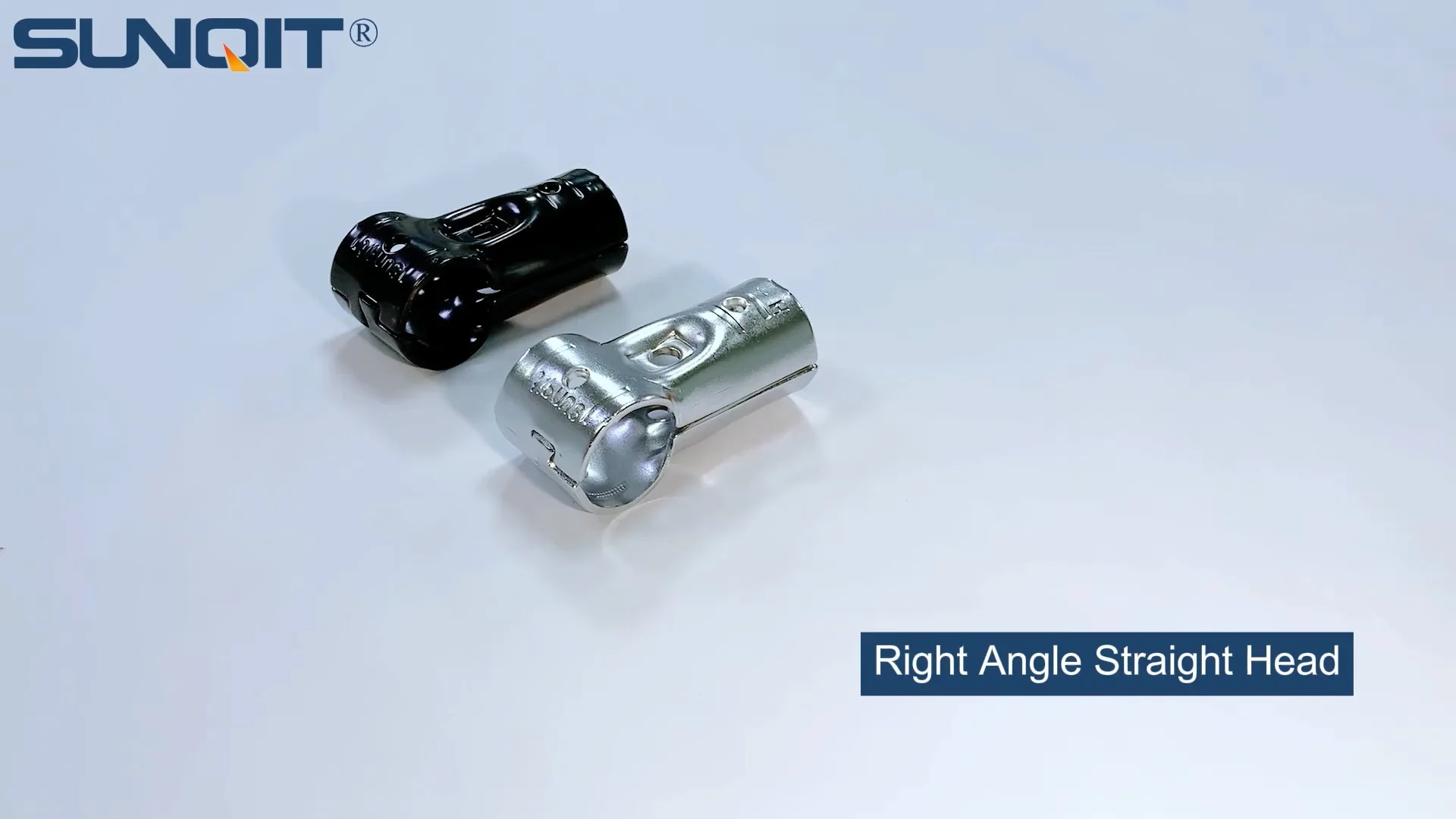
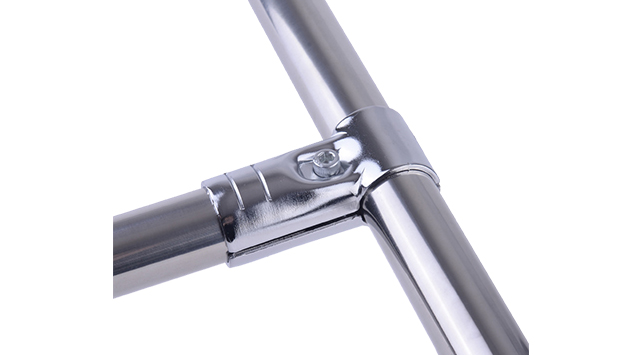
Two way lean pipe joint for 2 pcs 28MM lean pipe connection in straight angle, which used widely in workbench, flow rack, hand trolley frame connection.
In the fast-paced world of 3C manufacturing—where smartphones, laptops, and consumer electronics fly off production lines at breakneck speeds—efficiency isn't just a goal; it's the lifeblood of success. Every component, every tool, and every inch of workspace matters. That's where lean systems come into play, acting as the invisible hand that streamlines processes, reduces waste, and keeps operations agile. At the heart of these systems lie lean pipe solutions, and among their most unsung heroes is a small but mighty component: the Two Way Lean Pipe Joint Chrome. Let's dive into how this unassuming joint becomes a cornerstone of productivity in 3C assembly lines.
The 3C Assembly Line: A Battle Against Time and Complexity
Walk into any modern 3C factory, and you'll be met with a symphony of precision. Robotic arms dance, conveyor belts hum, and workers in (ESD) gear handle delicate components—each step timed to the second. The challenge? 3C products evolve faster than ever. A smartphone model might have a lifecycle of just 12 months, and manufacturers need to retool lines, adjust workflows, and adapt to new components on the fly. Rigid, one-size-fits-all equipment simply won't cut it.
This is where lean manufacturing principles shine. Lean systems prioritize flexibility, modularity, and continuous improvement—qualities that align perfectly with the 3C industry's demands. And when it comes to building these lean systems, lean pipes and their joints are the building blocks. Think of them as the Lego bricks of manufacturing: simple, versatile, and infinitely reconfigurable. But not all joints are created equal. The Two Way Lean Pipe Joint Chrome, with its chrome-plated durability and intuitive design, stands out as a workhorse in this environment.
Meet the Two Way Lean Pipe Joint Chrome: Design That Works as Hard as Your Team
First, let's get up close with the star of the show. The Two Way Lean Pipe Joint Chrome is exactly what its name suggests: a connector designed to join two lean pipes at various angles, finished with a chrome coating for added strength and resistance. But its simplicity is deceptive. Let's break down why it's a favorite among 3C manufacturers.
Material Matters: Chrome for the Long Haul
3C assembly lines are tough environments. Oils from machinery, occasional spills, and constant handling can take a toll on equipment. The chrome plating on this joint isn't just for shine—it's a protective barrier. Chrome resists corrosion, repels moisture, and stands up to the daily wear and tear of a busy factory. Unlike uncoated steel joints that might rust or degrade over time, a chrome finish ensures the joint stays functional for years, reducing replacement costs and downtime.
Functionality: Simple, but Smart
The "two way" in its name refers to its primary job: connecting two lean pipes. But here's the kicker: it's not limited to straight lines. With a few adjustments, it can angle pipes at 90°, 45°, or even custom angles, depending on the needs of the workspace. This flexibility is a game-changer. In a 3C line, where workbenches might need to wrap around a conveyor, or flow racks need tiered shelves for different component sizes, the ability to pivot and adjust without welding or complex tools is invaluable.
Installation is a breeze, too. No need for specialized training or heavy equipment. A standard hex key is all it takes to tighten the joint onto the pipes, making on-the-spot adjustments possible. For line managers, this means less time waiting for maintenance teams and more time keeping production on track.
Practical Applications: Where the Joint Shines in 3C Lines
Enough about design—let's talk real-world use. The Two Way Lean Pipe Joint Chrome isn't just a part in a catalog; it's a problem-solver. Here are three key areas where it makes a tangible difference in 3C assembly lines.
1. Building Custom Workbenches: Your Team's Second Home
A workbench in a 3C line isn't just a table. It's a command center where workers assemble circuit boards, test components, or package finished products. And since every task is unique, one workbench size or shape won't work for everyone. Enter lean pipe workbenches, built using—you guessed it—lean pipes and joints like the Two Way Lean Pipe Joint Chrome.
Take a typical motherboard assembly station. Workers need space for tools, a static-free surface (hello, ESD workbench top), and maybe a shelf above for reference manuals. Using the Two Way Lean Pipe Joint Chrome, managers can construct a frame that's exactly the right height (no more hunching over!), with side rails to hold tools, and overhead shelves for storage. If next month's model requires a larger workspace? Loosen the joints, add a few extra pipes, and the bench expands—no need to buy a whole new setup.
Even better, the chrome finish ensures the bench frame stays clean and rust-free, critical in environments where dust or corrosion could contaminate sensitive electronics. It's durability and adaptability rolled into one.
2. Crafting Flow Racks: Keeping Materials Moving
In 3C manufacturing, material flow is everything. Components like microchips, screens, and batteries need to move from storage to assembly stations quickly and safely. Flow racks—those sloped shelves where bins glide forward as the front one is emptied—are a staple here. And building them? You guessed it: lean pipes and Two Way Lean Pipe Joint Chrome.
Imagine a flow rack for smartphone screens. Each shelf needs to hold dozens of delicate screens, angled just right to let gravity do the work. Using the Two Way Joint, workers can connect vertical support pipes to horizontal rails, then attach roller track (another key lean component) to the rails. The joint's ability to lock at precise angles ensures each shelf is sloped consistently, so screens glide smoothly without jamming. If a new screen size requires deeper shelves? Adjust the joint positions, add longer pipes, and the rack adapts. It's like having a custom storage solution that grows with your product line.
And because the joint is chrome-plated, it stands up to the constant sliding of bins and occasional bumps from forklifts, ensuring the rack stays sturdy for years.
3. Assembling Turnover Trolleys: Mobility Without Compromise
Not all materials stay on the rack—some need to move between stations. Turnover trolleys, those wheeled carts loaded with components, are the unsung heroes of material transport. Again, the Two Way Lean Pipe Joint Chrome plays a starring role here.
A typical trolley might need a frame with side rails to keep bins from sliding off, a flat surface for tools, and casters for easy movement. Using the Two Way Joint, workers can build a lightweight but strong frame: vertical pipes for height, horizontal pipes for the base and rails, all connected securely. The chrome joint ensures the frame doesn't rattle or weaken over time, even when loaded with heavy batteries or metal components. And if the trolley needs to carry taller bins next quarter? Add an extra layer of pipes using the same joints—no welding, no hassle.

Why Choose Two Way Lean Pipe Joint Chrome Over Other Options?
You might be wondering: with so many lean pipe joints on the market—fixed joints, rotatory joints, three-way joints—why stick with the Two Way Chrome? Let's break it down with a quick comparison:
| Joint Type | Key Features | Best For | Why Two Way Chrome Stands Out |
|---|---|---|---|
| Fixed 90° Joint | Rigid, connects two pipes at 90° only | Static structures (permanent shelves) | Two Way Chrome offers angle flexibility; fixed joints can't adapt to new layouts. |
| Rotatory Joint | Swivels 360°, for dynamic connections | Adjustable arms, moving parts | Chrome finish adds durability; rotatory joints often lack corrosion resistance. |
| Three-Way Joint | Connects three pipes, bulkier design | Complex structures (multi-tier racks) | Two Way Chrome is lighter and simpler for basic builds; avoids over-engineering. |
| Two Way Lean Pipe Joint Chrome | Flexible angles, chrome-plated, easy to adjust | Workbenches, flow racks, trolleys, and most lean setups | Balances flexibility, durability, and cost—ideal for 3C's ever-changing needs. |
The takeaway? The Two Way Lean Pipe Joint Chrome isn't the flashiest option, but it's the most reliable workhorse. It balances flexibility for changing line layouts, durability for harsh factory conditions, and simplicity for quick adjustments—exactly what 3C manufacturers need.
The Bottom Line: Why Lean Pipe Suppliers Swear By It
Talk to any lean pipe supplier, and they'll tell you: the Two Way Lean Pipe Joint Chrome is one of their top sellers for a reason. It's not just about meeting demand—it's about delivering value. For 3C manufacturers, this joint translates to:
- Lower Costs: Reconfigurable setups mean less spending on new equipment.
- Faster Changeovers: Adjust lines in hours, not days, when product specs change.
- Longevity: Chrome plating reduces replacement frequency, saving on maintenance.
- Safety: Sturdy, reliable joints mean fewer accidents from wobbly racks or benches.
In an industry where margins are tight and competition is fierce, these benefits aren't just nice-to-haves—they're essential. The Two Way Lean Pipe Joint Chrome doesn't just connect pipes; it connects manufacturers to greater efficiency, adaptability, and success.
Final Thoughts: The Little Joint That Powers Big Production
In the grand scheme of 3C manufacturing, the Two Way Lean Pipe Joint Chrome might seem small. But as any line manager will tell you, the smallest components often have the biggest impact. It's the joint that lets a workbench grow, a flow rack adapt, and a trolley keep rolling—all while standing up to the chaos of a busy factory.
So the next time you pick up a smartphone or power on a laptop, take a moment to appreciate the unseen heroes behind it. The Two Way Lean Pipe Joint Chrome may not have a spot in the product specs, but it's there, quietly ensuring that your device was built with the efficiency, precision, and care that make modern 3C manufacturing possible. In the world of lean systems, sometimes the best innovations are the ones that simply work—day in, day out, no fuss, no fanfare. And that's exactly what this joint delivers.