- Company Articles
- Products and Technology
- Solution
- Two Way Lean Pipe Joint Chrome in Automotive Parts Storage: Space Optimization

Two Way Lean Pipe Joint Chrome in Automotive Parts Storage: Space Optimization
Related Product
Two Way Lean Pipe Joint Chrome
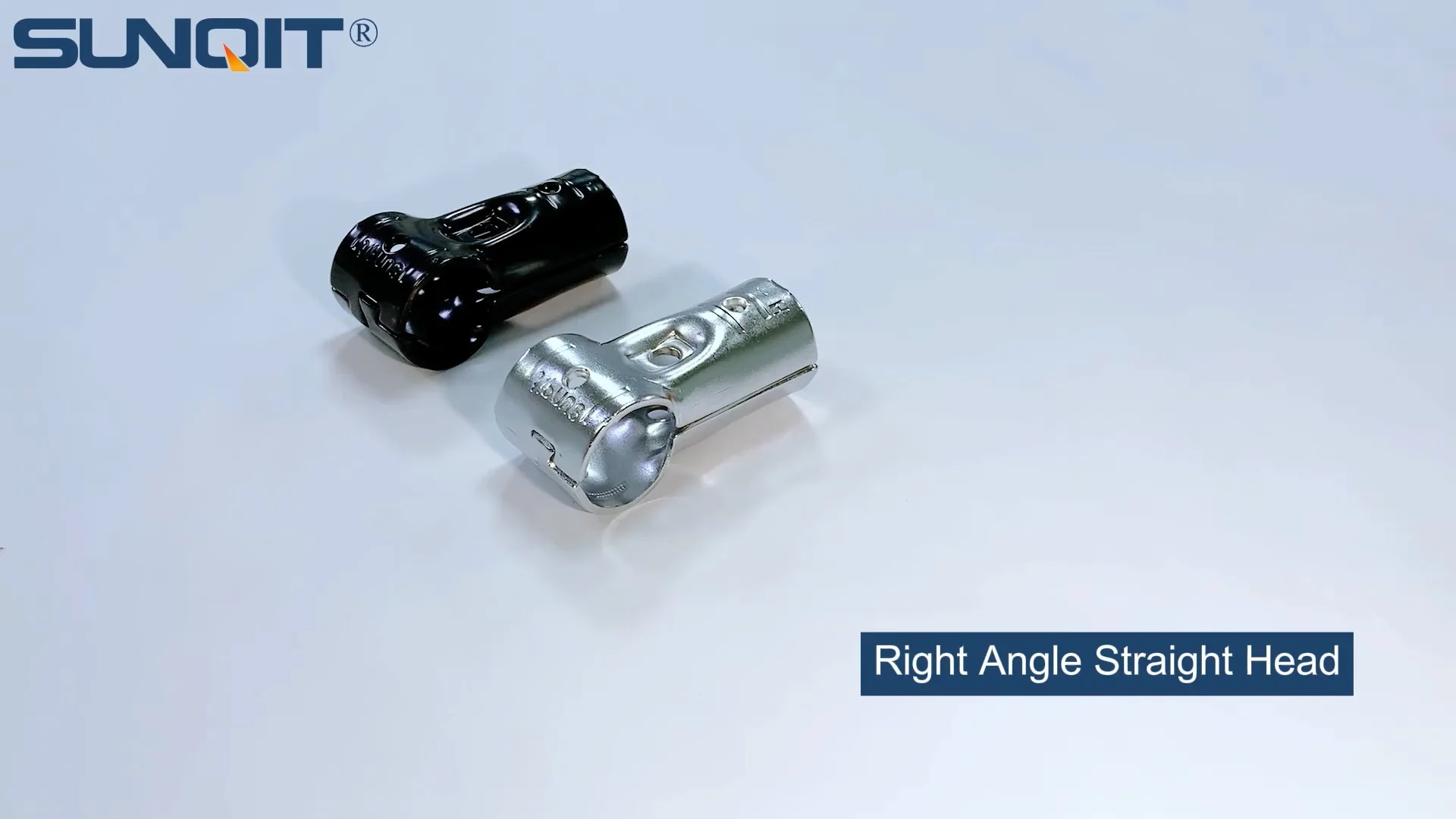
Two way lean pipe joint for 2 pcs 28MM lean pipe connection in straight angle, which used widely in workbench, flow rack, hand trolley frame connection.
Walk into any automotive parts warehouse, and you'll likely be greeted by a familiar sight: towering metal shelves crammed with boxes, aisles barely wide enough for forklifts, and workers spending precious minutes hunting for a single nut or bolt. It's a scene that screams inefficiency—especially when you consider the sheer variety of parts involved. From tiny sensors the size of a coin to bulky engine blocks weighing hundreds of pounds, automotive storage demands flexibility. Yet traditional storage systems? They're about as flexible as a concrete wall. That's where lean systems step in, and at the heart of many of these game-changing setups lies a small but mighty component: the Two Way Lean Pipe Joint Chrome. In this article, we'll dive into how this unassuming connector is revolutionizing automotive parts storage, turning cluttered warehouses into models of space efficiency.
The Chaos of Automotive Parts Storage: Why Space Matters
Let's start with the basics: automotive parts are messy. Not literally (though oil stains are par for the course), but in terms of diversity. A typical warehouse might stock everything from delicate circuit boards that need ESD protection to heavy-duty suspension components that could dent a steel shelf. Each of these parts has unique storage needs—some require vertical space, others need easy access from the front, and a few (like perishable gaskets) even need climate control. Traditional storage solutions, like fixed metal racks or generic shelving, weren't designed for this chaos. They force you into a one-size-fits-all mold, leaving gaps between shelves, wasted vertical space, and aisles that grow wider just to accommodate inflexible structures.
Wasted space isn't just an eyesore; it's a bottom-line killer. In automotive manufacturing, where just-in-time (JIT) production is king, slow access to parts can delay assembly lines, leading to missed deadlines and frustrated customers. And let's not forget the cost of square footage—warehouse space isn't cheap. If you're only using 60% of your available storage area effectively, you're essentially throwing money away on unused real estate. The question isn't just "how do we store more parts?" It's "how do we store smarter, so every inch of space works for us?"
Lean Systems: The Foundation of Efficient Storage
Enter lean systems—a philosophy built on eliminating waste, whether it's time, materials, or (you guessed it) space. Lean isn't just a buzzword; it's a practical approach to designing workflows and storage around what you need , not what's easiest to build. At the core of many lean storage setups are lean pipes (also called "flexible pipes")—lightweight, durable tubes that can be configured into almost any shape. But here's the secret: lean pipes are only as good as the joints that hold them together. And that's where the Two Way Lean Pipe Joint Chrome shines.
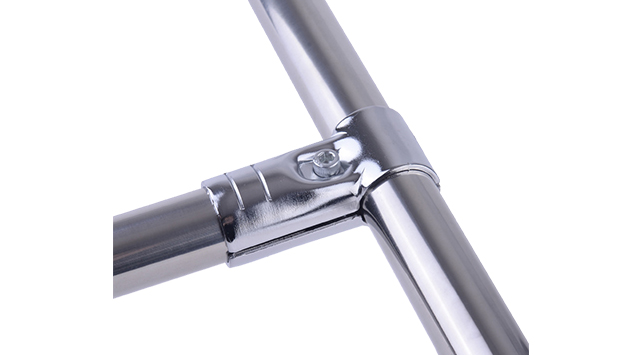
Before we get into the specifics of the Two Way Joint, let's clarify what a lean system supplier brings to the table. These suppliers don't just sell pipes and connectors; they sell solutions. They understand that every warehouse is different, so they offer modular components that adapt to your space, not the other way around. And the Two Way Lean Pipe Joint Chrome? It's one of their most versatile tools. Designed to connect two lean pipes at a stable angle (often 90 degrees, though some are adjustable), this joint is chrome-plated for extra durability, making it resistant to rust, scratches, and the daily wear and tear of a busy warehouse.
Two Way Lean Pipe Joint Chrome: Small Connector, Big Impact
What Makes It Different?
Let's break down the Two Way Lean Pipe Joint Chrome. At first glance, it looks like a simple metal bracket with two holes for pipes. But looks are deceiving. Unlike cheap plastic connectors that crack under pressure or welded joints that can't be adjusted, this chrome-plated joint is built to last. The chrome finish isn't just for shine—it adds a layer of protection against moisture and chemicals, critical in environments where oil, coolant, or cleaning agents might spill. And because it's a friction-fit joint (no welding required), you can assemble, disassemble, and reconfigure your storage setup in minutes. Need to adjust a shelf height? Twist the joint, move the pipe, and you're done. No power tools, no downtime, no hassle.
How It Optimizes Space
So, how does a tiny joint translate to more space? Let's think vertically. Traditional shelves are usually fixed at standard heights—say, 18 inches between levels. But if you're storing 6-inch-tall boxes, that leaves 12 inches of empty space per shelf. Multiply that by 20 shelves, and you're wasting 240 inches of vertical space—enough to stack another 13 boxes. The Two Way Joint lets you customize shelf heights to the exact size of your parts. Need a 7-inch gap for those small sensors? No problem. A 24-inch gap for engine filters? Done. Suddenly, that vertical space isn't wasted—it's working for you.
Then there's adaptability. Automotive storage needs change. One month, you might be stocking extra brake pads for a seasonal rush; the next, you're phasing out an old part and need to make room for new inventory. Traditional systems lock you into a layout. With the Two Way Joint, you can tear down a section of racking and rebuild it in a different shape—maybe a flow rack for faster access or a turnover trolley for moving parts to the assembly line. It's like having a storage system that can rearrange itself to fit your needs, maximizing every square foot.

Practical Applications: From Workbenches to Flow Racks
The Two Way Lean Pipe Joint Chrome isn't just for shelves. It's the backbone of entire lean storage ecosystems. Let's look at three common setups in automotive warehouses:
1. Lean Pipe Workbenches: Where Storage Meets Productivity
A lean pipe workbench isn't just a table—it's a storage hub. Imagine a workstation where assembly line workers can grab parts without taking a single step. With the Two Way Joint, you can build a workbench with overhead racks for tools, side shelves for frequently used parts, and even under-shelf storage for bulk items. The joint ensures the structure is stable but flexible: if a worker needs more elbow room, you can remove a side shelf in minutes. Or, if you switch to a new part model, you can adjust the shelf heights to fit the new packaging. The result? A workstation that uses vertical space efficiently and keeps parts within arm's reach, cutting down on wasted movement (and time).
2. Flow Racks: Gravity-Powered Access
Flow racks are a lean staple, and for good reason. They use gravity to slide parts forward as the front box is removed, ensuring the next part is always ready. But building an effective flow rack requires precise angles—too steep, and parts might slide too fast; too shallow, and they get stuck. The Two Way Lean Pipe Joint Chrome lets you (fine-tune) that angle with precision. By adjusting how the pipes are connected, you can create a gentle slope that moves parts smoothly. And because the joint is compatible with roller track (another key lean component), you can add wheels to the rack, making it easy to move the entire setup if your workflow changes. In automotive storage, this means high-turnover parts (like oil filters or spark plugs) are always at the front of the rack, reducing the need to dig through backstock—and the space wasted by disorganized piles.
3. Turnover Trolleys: Mobile Storage That Fits Any Aisle
Not all storage stays in one place. Turnover trolleys are essential for moving parts from the warehouse to the assembly line, but traditional trolleys are often bulky, with fixed shelves that take up extra space. With the Two Way Joint, you can build a custom trolley that fits your exact needs. Need a narrow trolley to squeeze through tight aisles between production stations? Use smaller-diameter lean pipes and space-saving joints. Want to add dividers to separate different parts? The joint lets you attach vertical pipes at intervals, keeping parts organized without wasting space. It's storage on wheels—flexible, compact, and ready to adapt.
Traditional vs. Lean: A Space Showdown
Still skeptical? Let's put traditional storage and lean pipe systems with Two Way Joints head-to-head. The table below compares key metrics for a hypothetical automotive parts warehouse storing 10,000 parts:
| Aspect | Traditional Metal Shelving | Lean Pipe System with Two Way Joints |
|---|---|---|
| Space Utilization | ~60% (gaps between shelves, fixed heights) | ~90% (custom heights, vertical optimization) |
| Assembly Time | 8–10 hours (requires tools, welding) | 2–3 hours (tool-free, friction-fit joints) |
| Flexibility | Fixed (cannot reconfigure without rebuilding) | Highly reconfigurable (adjust shelves/joints in minutes) |
| Durability | Prone to rust (no protective coating on cheaper models) | Chrome-plated, resistant to rust and impact |
| Cost Over 5 Years | Higher (replacement costs for damaged shelves, wasted space) | Lower (reusable components, no need for new systems) |
The numbers speak for themselves. Lean systems with Two Way Joints don't just save space—they save time, money, and headaches.
Beyond Space: The Hidden Benefits of Two Way Joints
Space optimization is the headline, but the Two Way Lean Pipe Joint Chrome offers perks that go beyond square footage. Let's talk durability. Automotive warehouses are tough environments: forklifts bump into racks, parts get dropped, and spills happen. A cheap plastic joint might crack after a few months, but the chrome-plated steel in these joints? It can handle years of abuse. That means fewer replacements, less downtime, and a storage system that grows with your business.
Then there's scalability. As your automotive parts business expands, you won't need to tear down your entire storage system and start over. A lean pipe supplier can provide additional pipes and joints, letting you add shelves, racks, or workbenches as needed. It's modular growth—no wasted investment in systems you'll outgrow.
And let's not forget safety. Traditional metal shelves can be unstable if overloaded, leading to collapses. The Two Way Lean Pipe Joint Chrome is designed for strength; when properly assembled, it distributes weight evenly across the structure, reducing the risk of accidents. Plus, since you're using vertical space efficiently, you can keep heavier parts at waist height (instead of on high shelves), cutting down on lifting injuries.
Real-World Impact: A Warehouse Transformation
Let's ground this in a real example. Consider a mid-sized automotive parts distributor in Michigan that was struggling with a 10,000-square-foot warehouse. Their old setup used traditional metal shelving, and they were storing around 25,000 parts—but they were out of space. Expanding the warehouse would cost $500,000, a price tag they couldn't afford. Instead, they turned to a lean pipe supplier and invested in a system built around Two Way Lean Pipe Joint Chrome. Here's what happened:
- Space utilization jumped from 55% to 88%: By reconfiguring shelves to fit part sizes and adding vertical racks with Two Way Joints, they freed up enough space to store an additional 10,000 parts without expanding the warehouse.
- Picking time dropped by 40%: Flow racks built with the joints ensured parts slid forward automatically, so workers no longer had to reach to the back of shelves. What used to take 15 minutes now took 9.
- Assembly cost was 60% less than new shelving: The lean system cost $25,000 (including pipes, joints, and roller track), compared to $65,000 for traditional metal shelving.
Six months later, the distributor reported a 15% increase in on-time deliveries and a 20% drop in worker fatigue. All from a simple change: swapping rigid shelves for flexible pipes and Two Way Joints.
Choosing the Right Lean Pipe Supplier: What to Look For
Of course, none of this is possible without a reliable lean pipe supplier. When shopping around, look for a supplier that offers not just parts, but expertise. A good supplier will visit your warehouse, assess your needs, and help design a custom system—whether you need ESD workbenches for sensitive electronics or heavy-duty flow racks for engine parts. They should also stock high-quality components, like chrome-plated joints that meet industry standards for durability. Avoid suppliers that cut corners with cheap plastic joints; they'll cost you more in replacements down the line.
Conclusion: Small Joint, Big Future
In the world of automotive parts storage, space isn't just a commodity—it's a competitive advantage. The Two Way Lean Pipe Joint Chrome might be small, but its impact is huge. By enabling flexible, customizable, and durable storage systems, it turns wasted space into usable square footage, reduces costs, and makes warehouses more efficient. Whether you're a small repair shop or a large distributor, the message is clear: lean systems aren't just for manufacturers. They're for anyone who wants to store smarter, work faster, and grow without limits.
So, the next time you walk through a cluttered warehouse, take a closer look. The solution to that chaos might be simpler than you think—something as small as a Two Way Lean Pipe Joint Chrome. After all, in lean storage, the best things come in small (chrome-plated) packages.