- Company Articles
- Products and Technology
- Solution
- Two Way Lean Pipe Joint Chrome in Custom Lean Solutions: Tailored Designs

Two Way Lean Pipe Joint Chrome in Custom Lean Solutions: Tailored Designs
Related Product
Two Way Lean Pipe Joint Chrome
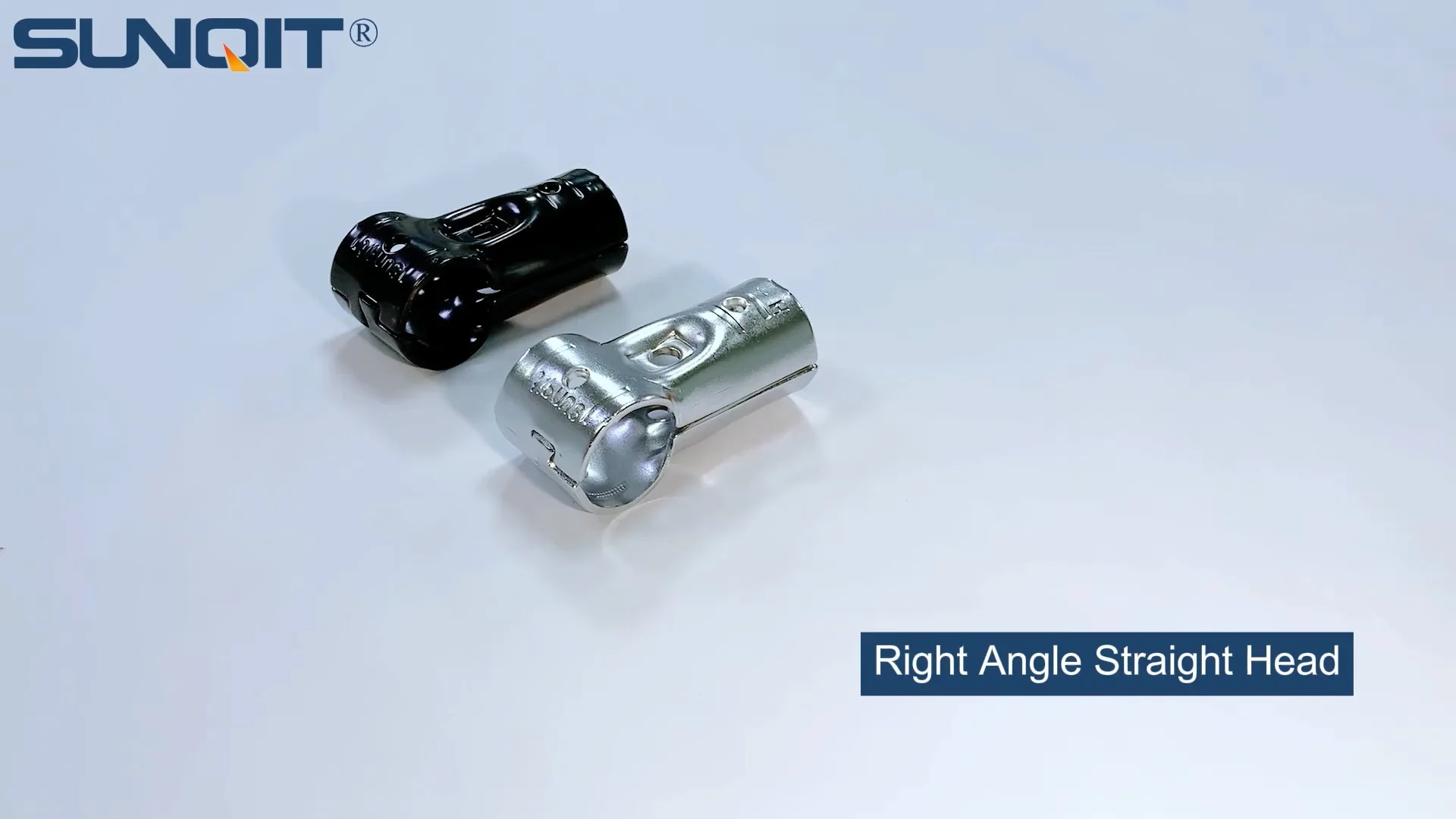
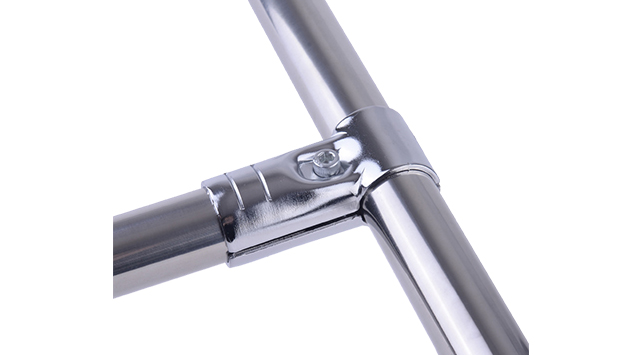
Two way lean pipe joint for 2 pcs 28MM lean pipe connection in straight angle, which used widely in workbench, flow rack, hand trolley frame connection.
The Heart of Lean Manufacturing – Why Custom Solutions Matter
Walk into any modern manufacturing facility, and you'll likely notice a common goal: efficiency. Every tool, every workstation, every inch of floor space is designed to reduce waste, speed up production, and keep teams moving without unnecessary delays. But here's the thing about efficiency—it's not one-size-fits-all. A automotive plant churning out engine parts has different needs than a small electronics workshop assembling circuit boards. That's where custom lean solutions come in. They're the secret sauce that turns generic "lean principles" into tangible, day-to-day success.
At the core of these custom solutions are the building blocks—components that might seem small on their own but come together to create something greater. Think of them like Lego bricks: simple, versatile, and infinitely adaptable. And among these building blocks, one component stands out for its quiet reliability: the two way lean pipe joint chrome. It's not the flashiest part of the production line, but without it, the flexibility and adaptability that make lean manufacturing so powerful would be nearly impossible.
In this article, we're going to dive deep into the world of two way lean pipe joint chrome. We'll explore how this unassuming component plays a pivotal role in crafting custom lean systems, from workbenches that adjust to workers' heights to flow racks that keep materials moving seamlessly. We'll also look at how it pairs with other key components—like lean pipes, caster wheels, and aluminum profiles—to build solutions that grow and change with your business. Because in manufacturing, the only constant is change, and your tools should be ready to change with you.
Understanding the Two Way Lean Pipe Joint Chrome: A Small Component with Big Impact
What Is a Two Way Lean Pipe Joint Chrome, Anyway?
Let's start with the basics. A two way lean pipe joint chrome is a connecting piece designed to link lean pipes (also known as "lean tubes") at specific angles—most commonly, 90 degrees or straight lines, though some designs offer more flexibility. Picture a small, metallic connector with two openings, each sized to fit standard lean pipes snugly. Its job? To hold those pipes together securely while still allowing for easy disassembly and reconfiguration. And the "chrome" part? That's the finishing touch—a layer of chrome plating that adds durability and a sleek, professional look.
But why does this matter? In lean manufacturing, waste comes in many forms: wasted time searching for tools, wasted space with clunky workstations, wasted effort moving materials that aren't in the right place. The two way joint helps eliminate these wastes by letting you build exactly what you need, when you need it. Need a temporary assembly line for a rush order? Use joints and pipes to put one together in hours, not days. Want to rearrange your workbenches to accommodate a new team layout? Unscrew the joints, move the pipes, and you're done. It's like having a production line that can "think on its feet."
Material and Durability: Why Chrome Plating Makes a Difference
You might be wondering, "Why chrome? Can't we just use plastic or plain steel?" The answer lies in durability. Manufacturing floors are tough environments: there's oil, grease, occasional spills, and constant wear from workers bumping into equipment or moving heavy materials. A plain steel joint might rust over time, and plastic could crack under stress. Chrome plating solves these problems in two key ways.
First, chrome is resistant to corrosion. That means even if the joint gets splashed with coolant or exposed to humidity, it won't develop rust that weakens the connection or leaves unsightly stains. Second, chrome adds a hard, smooth surface that stands up to scratches and dents. When you're assembling and disassembling joints repeatedly (which is common in custom lean setups), that scratch resistance ensures the joint maintains its grip on the pipes, keeping your structures stable and safe.
But it's not just about toughness. Chrome plating also makes the joints easier to clean. Wipe them down with a damp cloth, and they shine like new—important for maintaining a clean workspace, especially in industries like food processing or electronics where contamination risks are high. So, that chrome finish isn't just for show; it's a practical choice that extends the life of the joint and keeps your lean system running smoothly for years.
Design Features: Flexibility in Every Connection
What truly sets the two way lean pipe joint chrome apart is its design. Unlike rigid, fixed connectors that lock pipes into one position forever, these joints are engineered for flexibility. Most models feature a clamping mechanism—often a setscrew or a cam lever—that tightens around the lean pipe, creating a secure hold without welding or drilling. This means you can adjust the angle or position of the pipes with just a screwdriver or wrench, no special tools required.
Let's say you're building a workbench. Initially, you set the height at 36 inches, but after a few weeks, your team realizes that standing workstations would be more ergonomic for certain tasks. With two way joints, you don't need to buy a whole new workbench. Simply loosen the joints, adjust the leg pipes to 42 inches, retighten, and you're good to go. That's the power of flexibility—solving problems on the fly without incurring extra costs or downtime.
Another key design feature is compatibility. Two way lean pipe joint chrome is typically designed to fit standard lean pipe sizes (often 28mm or 30mm in diameter), which means it works seamlessly with most lean pipes on the market. Whether you're using traditional steel pipes with a plastic coating or newer aluminum lean pipes, the joints will lock on securely. This compatibility is crucial for businesses that want to upgrade or expand their existing lean systems without starting from scratch.
Building Blocks: How Two Way Lean Pipe Joints Work with Key Components
A two way lean pipe joint chrome is never alone in a lean system. It's part of a team—working alongside lean pipes, workbenches, flow racks, and caster wheels to create cohesive, functional solutions. Let's break down how these components come together, and why their partnership is so critical.
Lean Pipes: The Backbone of the System
If the two way joint is the "connector," then lean pipes are the "bones" of your lean system. These are the long, cylindrical tubes (usually steel, aluminum, or stainless steel) that form the structure of workbenches, racks, trolleys, and more. And they rely entirely on joints to hold their shape.
Imagine building a simple material trolley. You'll need four vertical pipes for the legs, horizontal pipes for the frame, and crossbars for stability. The two way joints are what hold the vertical and horizontal pipes together at the corners, ensuring the trolley doesn't wobble when loaded with heavy boxes. Without strong, reliable joints, the pipes would slip or separate, turning your trolley into a safety hazard.
But it's not just about strength—it's about versatility. Lean pipes come in various lengths and materials, and two way joints let you mix and match. For example, you might use aluminum pipes for a lightweight trolley that needs to be moved frequently, paired with chrome-plated joints for extra durability. Or, for a workstation near a wet area, you could opt for stainless steel pipes with corrosion-resistant chrome joints. The possibilities are endless, and it all starts with the joint-pipe connection.
Workbenches: Creating Ergonomic Workspaces That Adapt
Workbenches are the "desks" of manufacturing—where the magic happens. But a bad workbench can slow workers down, cause fatigue, or even lead to injuries. That's why custom workbenches, built with two way lean pipe joints, are so valuable. They let you design a workspace that fits your team, not the other way around.
Let's say you're setting up a workbench for assembling small electronics. Your team includes workers of different heights, so you need the bench to adjust from 34 to 40 inches. With two way joints, you can build a frame with adjustable legs: simply attach the legs to the tabletop frame using joints, and add holes or markings on the legs to let you lock the joints at different heights. Need a shelf underneath for tools? Add a few more pipes and joints to create a lower tier. Want a backboard to hold manuals or small parts bins? Attach vertical pipes to the rear of the bench with joints, then add a pegboard or aluminum profile across the top.
One of the best things about these workbenches is that they grow with your needs. If you start assembling larger products later, you can add extensions by connecting more pipes and joints to the existing frame. No need to buy a new bench—just reconfigure the one you have. It's a small example of how lean principles (eliminating waste, maximizing value) come to life through the right components.
Flow Racks: Streamlining Material Movement with Precision
In any production line, materials need to flow—from storage to assembly, and from assembly to shipping. Flow racks are the tools that make this happen, using gravity or rollers to move materials smoothly from one station to the next. And two way lean pipe joints play a key role in building these racks to fit your exact workflow.
A typical flow rack has multiple levels, each with rollers or skate wheels that let bins or boxes slide forward as items are taken from the front. To build this, you need a frame (made of lean pipes) with horizontal supports for each level. Two way joints connect the vertical frame pipes to the horizontal supports, ensuring each level is sturdy enough to hold heavy bins. They also let you adjust the angle of the rollers—slightly tilted downward to use gravity, or flat for manual pushing—depending on the weight of your materials.
For example, a bakery might use a flow rack to hold ingredients: flour on the top level, sugar on the middle, and chocolate chips on the bottom. The joints allow the rack to be built to fit exactly the width of their ingredient bins, so nothing slides off the sides. If they start using larger bins later, they can widen the rack by adding more pipes and joints to the sides. It's this adaptability that makes flow racks (and the joints that build them) so essential for keeping materials moving without bottlenecks.
Caster Wheels: Adding Mobility to Static Structures
Not everything in a production line needs to stay put. Sometimes, you need workbenches or material trolleys that can move to where the work is—like a mobile station that follows a team as they assemble a large product. That's where caster wheels come in, and yes, two way joints play a role here too.
Caster wheels attach to the bottom of lean pipe structures via mounting plates or brackets, which in turn connect to the vertical pipes using—you guessed it—joints. For example, a mobile workbench might have four caster wheels, each mounted to a short pipe segment that's connected to the main leg pipe via a two way joint. This setup not only holds the caster securely but also lets you adjust the height of the bench slightly by raising or lowering the caster pipe segment.
But mobility isn't just about moving things around—it's about flexibility. A trolley with caster wheels can serve as a temporary assembly line during peak production, then be rolled into storage when not needed. A workbench on casters can be repositioned to make space for a new machine, or moved closer to a material source to reduce walking time. And because the joints make disassembly easy, you can even remove the casters entirely if the structure needs to stay stationary long-term. It's all about giving you options.

Custom Lean Solutions in Action: Real-World Applications
Talk is cheap—let's look at how two way lean pipe joint chrome transforms theory into results. Here are two real-world scenarios where custom lean solutions, built around these joints, solved specific problems for manufacturers.
Case Study 1: Automotive Supplier Adapts to Changing Order Sizes
A mid-sized automotive parts supplier was facing a challenge: their customers kept changing order sizes, from small batches of 50 units to large runs of 500. Their existing production line was rigid—fixed workbenches, permanent material racks—and reconfiguring it for each batch took days, eating into their profit margins. They needed a way to switch setups quickly without sacrificing stability or safety.
The solution? A custom lean system built with lean pipes, two way chrome joints, and caster wheels. They replaced their fixed workbenches with modular ones: frames made of steel lean pipes connected by two way joints, with adjustable heights and removable shelves. Material racks were built on casters, so they could be wheeled in and out as needed. For small batches, they condensed the line into a U-shape to reduce walking distance. For large runs, they stretched it into a straight line to accommodate more workers.
The two way joints were critical here. When reconfiguring, workers simply loosened the joints, adjusted the pipes, and retightened—no welding, no cutting, no waiting for maintenance. What used to take 3 days now took 3 hours. And because the joints were chrome-plated, they held up to the constant adjustments and occasional oil spills on the factory floor. The result? A 40% reduction in changeover time and a 15% increase in overall productivity.
Case Study 2: Electronics Workshop Cuts Waste with Ergonomic Workbenches
A small electronics workshop was struggling with high turnover and frequent errors. After (investigating), they realized the issue: their workbenches were too low for taller workers and too high for shorter ones, leading to back pain and fatigue. Workers were also wasting time searching for tools, which were scattered across the benches.
They turned to custom lean workbenches built with aluminum lean pipes and two way chrome joints. The benches featured adjustable legs (thanks to joints that locked at different heights), built-in tool holders (attached via extra joints and small pipes), and overhead shelves for manuals and specs. For taller workers, the bench height was set to 40 inches; for shorter ones, 36 inches. Each workstation also had a small flow rack (built with joints and roller tracks) to hold components, so parts rolled right to the worker's hand.
The impact was immediate. Worker complaints about pain dropped by 70%, and errors decreased by 25% as fatigue lessened. Tool retrieval time went from 5 minutes per hour to less than 1 minute, freeing up time for actual assembly. And because the benches were built with lightweight aluminum pipes and strong chrome joints, they were easy to move and reconfigure when the workshop added new equipment. The workshop's owner summed it up: "We didn't just build better workbenches—we built a better way to work."
Comparing Joints: Why Two Way Lean Pipe Joint Chrome Stands Out
Not all lean pipe joints are created equal. To understand why two way chrome joints are a top choice for custom solutions, let's compare them to other common joint types. The table below breaks down key factors like flexibility, load capacity, and best use cases.
| Joint Type | Flexibility (Assembly/Reconfiguration) | Load Capacity (Approx. per Joint) | Durability | Best Use Case |
|---|---|---|---|---|
| Two Way Lean Pipe Joint Chrome | High – Easy to adjust with basic tools; reusable | 150-200 kg | High – Chrome plating resists corrosion and scratches | Custom workbenches, mobile trolleys, adjustable racks |
| Three Way Fixed Joint (Steel) | Low – Fixed angles; requires cutting to reconfigure | 250-300 kg | Medium – Prone to rust if not coated | Permanent structures (e.g., heavy-duty storage racks) |
| Plastic Snap-On Joint | Medium – Quick assembly but may loosen under heavy load | 50-100 kg | Low – Susceptible to cracking in cold or high-heat environments | Lightweight, temporary setups (e.g., event displays) |
| Welded Joints | Very Low – Permanent; cannot be reconfigured | 500+ kg | High – Strong, but rust-prone without post-weld treatment | Heavy machinery frames, immovable structures |
As the table shows, two way lean pipe joint chrome strikes the perfect balance between flexibility, strength, and durability. While welded joints or three way fixed joints may handle heavier loads, they lack the adaptability that modern manufacturing demands. Plastic joints are cheap and easy to use but can't stand up to the rigors of daily production. For businesses that need to pivot quickly, reduce waste, and keep costs low, chrome-plated two way joints are the clear winner.
The Benefits of Choosing Chrome-Plated Joints for Your Lean System
By now, you might be thinking, "Okay, two way joints are useful—but why chrome-plated specifically?" Let's break down the key benefits that make chrome a smart investment for your lean system.
Durability That Saves You Money
Chrome plating isn't just about looks—it's about longevity. A chrome-plated joint can last 5-10 years in a typical manufacturing environment, compared to 2-3 years for unplated steel or plastic joints. This means fewer replacements, less downtime for repairs, and lower long-term costs. Think about it: if a single joint costs $5, and you need 100 joints for a system, replacing plastic joints every 2 years would cost $250 over 10 years. Chrome joints, replaced every 10 years, cost just $500 total. Over time, the savings add up.
Resistance to the Elements
Manufacturing floors are messy. There's oil, coolant, water, and chemicals—all of which can corrode metal. Chrome plating acts as a barrier, preventing rust and corrosion from eating away at the joint. This is especially important for systems near washdown areas (like food processing) or outdoor storage. Even in dry environments, chrome resists scratches from tools or materials, ensuring the joint maintains its grip on the pipe over time.
Ease of Maintenance
Chrome is easy to clean. A quick wipe with a damp cloth removes dirt, grease, or grime, keeping your lean system looking professional and hygienic. Unlike painted joints, which can chip and require touch-ups, chrome retains its finish even with frequent cleaning. This is a small detail, but it adds up—clean equipment is safer, more pleasant to work with, and sends a message to clients and inspectors that you care about quality.
Future-Proofing Production: Adaptability with Two Way Lean Pipe Joints
In manufacturing, the future is unpredictable. New products, new regulations, new technologies—all can turn your production line upside down. The best way to stay ahead? Build a system that can adapt. Two way lean pipe joint chrome makes future-proofing your production line not just possible, but easy.
Consider this: five years from now, your business might double in size, or shift to producing entirely different products. With a lean system built on two way joints, you won't need to scrap your existing setup and start over. You can expand by adding more pipes and joints, reconfigure by rearranging the structure, or even repurpose components for new uses. A material rack today could become a workbench tomorrow, or a trolley the next day. The joints give you the freedom to evolve without reinvesting in all-new equipment.
This adaptability also supports sustainability—a core principle of lean manufacturing. By reusing and reconfiguring components, you reduce waste from discarded equipment. Chrome-plated joints, with their long lifespan, further minimize environmental impact by cutting down on the need for new materials. It's a win-win: good for your bottom line, and good for the planet.
Conclusion: The Joint That Holds It All Together
At the end of the day, lean manufacturing is about more than just tools and components—it's about creating a workplace that empowers your team to do their best work, every day. And that starts with the small things: the joints that hold your workbenches together, the wheels that let your trolleys move, the racks that keep materials at your fingertips. Among these, the two way lean pipe joint chrome stands out as a quiet hero—a component that doesn't demand attention but makes everything else possible.
Whether you're building a simple workbench or a complex production line, choosing the right joints is critical. Chrome-plated two way joints offer the perfect mix of strength, flexibility, and durability, letting you craft custom lean solutions that grow with your business. They're the reason you can adjust, adapt, and innovate without being held back by rigid, one-size-fits-all equipment.
So, the next time you walk through your production floor, take a closer look at those small, shiny connectors. They might not seem like much, but they're the heart of your lean system—and the key to keeping your business moving forward, no matter what the future brings.