- Company Articles
- Products and Technology
- Product knowledge
- Two Way Lean Pipe Joint Chrome in Mechanical Manufacturing: Heavy-Duty Uses

Two Way Lean Pipe Joint Chrome in Mechanical Manufacturing: Heavy-Duty Uses
Related Product
Two Way Lean Pipe Joint Chrome
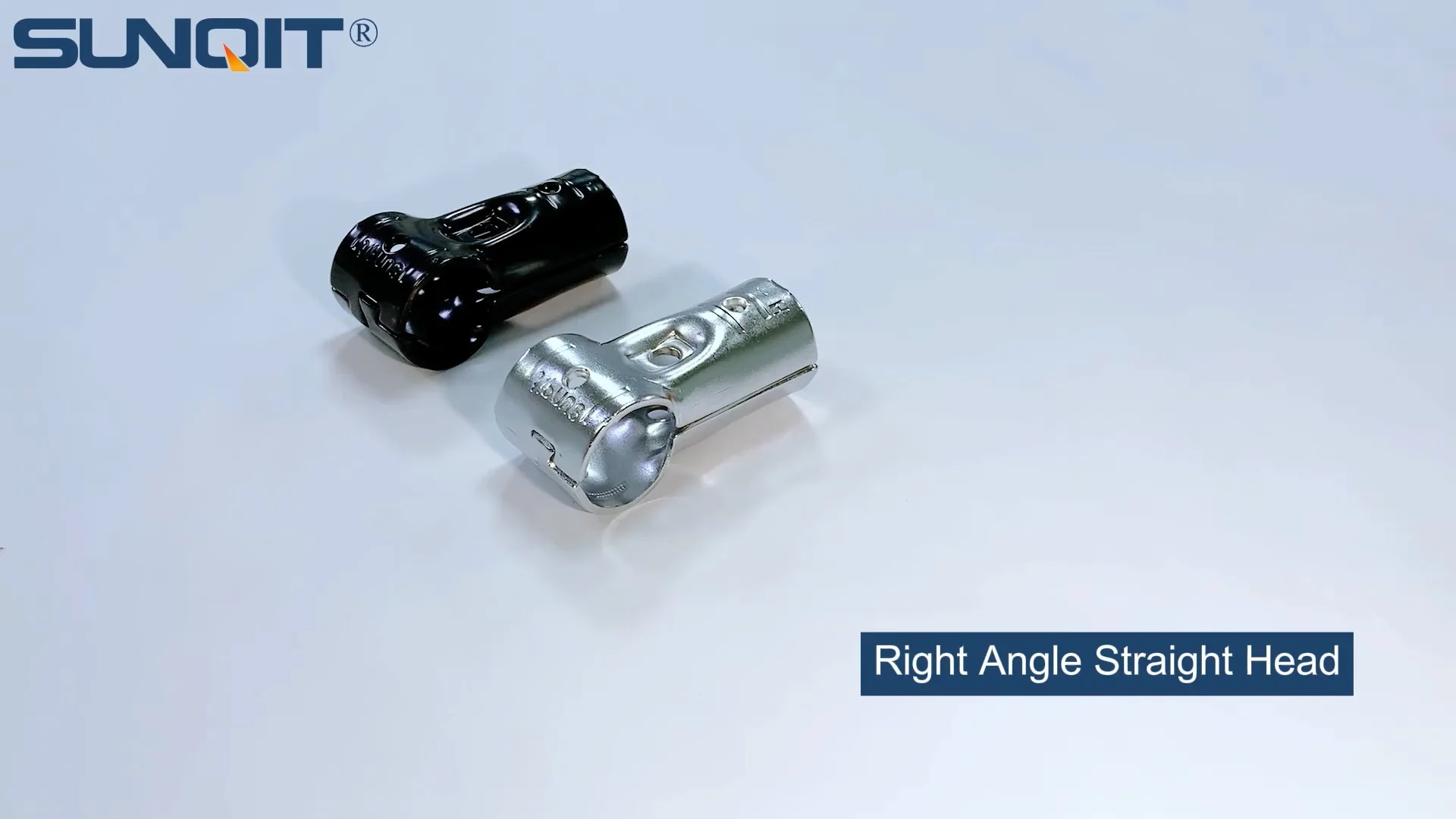
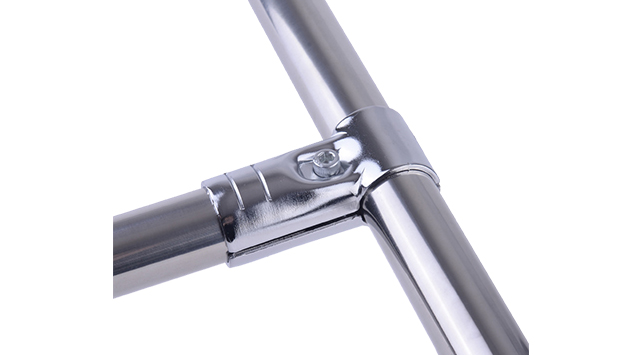
Two way lean pipe joint for 2 pcs 28MM lean pipe connection in straight angle, which used widely in workbench, flow rack, hand trolley frame connection.
Walk into any modern mechanical manufacturing facility, and you'll notice a quiet revolution happening on the factory floor. Gone are the days of rigid, welded structures that take weeks to build and even longer to modify. Today's plants thrive on flexibility—adaptable workstations, dynamic assembly lines, and material handling systems that can pivot with shifting production demands. At the heart of this revolution lies a humble yet mighty component: the two way lean pipe joint chrome. It's not just a connector; it's the unsung hero that turns ordinary pipes into powerful, customizable solutions for heavy-duty manufacturing needs. Let's dive into how this small but critical part is reshaping the way we build, produce, and innovate.
What Exactly Is a Two Way Lean Pipe Joint Chrome?
Before we explore its uses, let's get clear on what a two way lean pipe joint chrome is. Imagine a compact, metallic component designed to link two lean pipes—typically 28mm or 30mm in diameter—at various angles (often 90°, 45°, or straight). What sets the "chrome" variant apart is its surface treatment: a layer of chromium plating that adds both durability and a sleek, corrosion-resistant finish. Unlike plastic joints that warp under heat or unplated steel that rusts in humid environments, these chrome-plated joints are built to withstand the tough conditions of mechanical manufacturing—think oil, coolant, frequent cleaning, and heavy loads.
But it's not just about strength. The "two way" design means it can connect two pipes in a fixed or semi-rotary configuration, depending on the model. Some variants allow for 360-degree rotation, while others lock into place at specific angles, giving manufacturers precise control over their setups. And here's the kicker: they require no welding, no specialized tools, and no prior engineering experience to assemble. A simple wrench or even hand-tightening is often enough to secure them, making reconfiguration a breeze when production lines need to shift.
Key Features That Make It a Manufacturing Workhorse
To understand why this joint has become a staple in factories worldwide, let's break down its standout features:
- High Load Capacity: Chrome-plated steel construction gives it the muscle to handle heavy loads—often up to 500kg per joint, depending on the pipe diameter and installation. That means it can support everything from bulky engine parts to stacks of raw materials without bending or breaking.
- Corrosion Resistance: The chromium plating acts as a barrier against moisture, chemicals, and industrial solvents. In food processing or pharmaceutical manufacturing, where cleanliness is non-negotiable, this resistance to rust and tarnish ensures compliance with hygiene standards.
- Quick Assembly & Disassembly: Threaded or clamp-style designs let workers build or modify structures in minutes, not days. No more waiting for welders or dealing with permanent fixtures that become obsolete when production needs change.
- Compatibility: It plays well with others. Whether you're using standard lean pipes, aluminum profile, or even stainless steel tubes, these joints are designed to fit common industrial pipe sizes, making them easy to integrate into existing systems.
- Low Maintenance: Unlike painted joints that chip or plastic that cracks, the chrome finish is easy to clean with a damp cloth or industrial cleaner. No special treatments or frequent replacements needed—just reliable performance, day in and day out.
Heavy-Duty Applications in Mechanical Manufacturing
Now, let's get to the real-world impact: how does the two way lean pipe joint chrome transform manufacturing floors? Let's walk through four critical areas where it shines.
1. Assembly Line Flexibility: Building Lines That Adapt
In automotive manufacturing, where model changes happen yearly (or even seasonally), assembly lines can't afford to be static. Take a mid-sized auto parts plant producing brake components: their assembly line needs to switch between small sedan brakes and larger SUV brakes, which means adjusting work heights, conveyor angles, and tool placement. Here's where the two way lean pipe joint chrome steps in.
Workers can quickly reconfigure the line using these joints to adjust the height of workbenches (more on those later) or the slope of roller track systems that move parts from station to station. For example, a 15-degree angle might work for lightweight sedan parts, but heavier SUV components need a gentler 5-degree slope to prevent jamming. With a few twists of the joint, the roller track adjusts—no welding, no downtime, no costly engineering overhauls. In one case study, a plant reported cutting reconfiguration time by 70% after switching to chrome-plated lean pipe joints, allowing them to meet tight production deadlines during model transitions.
2. Lean Pipe Workbenches: Sturdy, Customizable Workstations
A workbench is the heart of any manufacturing cell, and not all workbenches are created equal. A flimsy table might wobble under a 20kg toolset, slowing down workers and risking errors. Enter the lean pipe workbench, built with two way lean pipe joint chrome for unmatched stability and customization.
Imagine a electronics factory assembling circuit boards. Each workstation needs shelving for tools, a static-dissipative top to protect sensitive components, and adjustable height to accommodate workers of different sizes. Using chrome-plated joints, the factory can build workbenches with: vertical pipes for shelving (connected via two way joints), horizontal supports for the tabletop, and even caster wheels (secured with joints) for mobility. If a new worker joins the team who needs the bench 5cm higher, a quick adjustment of the joints does the trick—no need to replace the entire bench. And because the joints resist corrosion, cleaning up solder flux or cleaning solvents won't damage the structure over time.
One plant manager I spoke with put it this way: "We used to buy pre-made workbenches that never quite fit our needs. Now, with these joints, we build benches that grow with us. If we need a new shelf or a different layout, we just add a joint and a pipe. It's like building with industrial Legos—but sturdier."
3. Material Handling: Flow Racks & Roller Track Systems
Moving materials efficiently is the backbone of manufacturing, and here's where two way lean pipe joint chrome truly shines—especially in flow rack and roller track setups. Flow racks use gravity to move materials from the "load" end to the "pick" end, reducing the need for manual lifting. But for this to work, the rack must be perfectly aligned, and the tracks must support the weight of boxes or bins without sagging.
Consider a warehouse distributing automotive parts to assembly lines. Each flow rack holds hundreds of pounds of parts, from gaskets to steering columns. The rack's frame is built with lean pipes connected by two way chrome joints, ensuring the vertical supports stay upright and the horizontal tracks (fitted with roller track) remain level. The chrome plating prevents rust from moisture in the warehouse, while the joint's tight grip keeps the tracks from shifting—critical for preventing jams that could halt production.
Roller track systems, which use wheels to slide materials along a path, also rely on these joints. For example, in a furniture factory, wooden panels need to move from the cutting station to the painting booth. The roller track, supported by chrome-plated joints, can be angled slightly downward to let gravity do the work, or level for manual pushing. If the factory adds a new painting booth, workers can extend the track by adding more pipes and joints—no need to call in contractors.
4. Durability in Harsh Environments: Surviving the Factory Floor
Mechanical manufacturing isn't always clean. Factories dealing with metal shavings, oil, or outdoor storage face unique challenges. Unplated steel joints might rust when exposed to rain or coolant; plastic joints could melt near welding stations. But two way lean pipe joint chrome? It thrives here.
Take a metal stamping plant, where machines spew oil and metal chips during operation. The plant uses lean pipe structures to hold tools and collect scrap metal. Over time, oil drips onto the joints, but the chrome plating repels the liquid, preventing rust. Metal chips bounce off without scratching the finish, keeping the joints looking (and functioning) like new. Even in outdoor storage yards, where racks hold raw steel pipes, the chrome plating stands up to rain, snow, and UV rays—unlike uncoated steel, which would rust and weaken within months.

How Does It Stack Up? A Comparative Analysis
To truly appreciate the value of two way lean pipe joint chrome, let's compare it to other common joint types used in manufacturing:
| Feature | Two Way Lean Pipe Joint Chrome | Plastic Lean Pipe Joint | Unplated Steel Joint |
|---|---|---|---|
| Max Load Capacity | Up to 500kg per joint | Up to 150kg per joint | Up to 400kg per joint |
| Corrosion Resistance | Excellent (chrome plating) | Good (but prone to UV damage) | Poor (rusts in humid environments) |
| Assembly Time | 5-10 minutes (hand-tightening) | 3-5 minutes (snap-fit design) | 10-15 minutes (requires tools for tightness) |
| Reusability | High (can be disassembled and reused indefinitely) | Medium (plastic weakens after multiple uses) | Medium (threads may strip with frequent disassembly) |
| Cost (per unit) | Moderate ($5-$15) | Low ($2-$8) | Low-Moderate ($3-$12) |
| Best For | Heavy loads, harsh environments, frequent reconfiguration | Light loads, dry environments, temporary setups | Heavy loads, dry environments, one-time installations |
As the table shows, while plastic joints are cheaper and faster to assemble, they lack the strength and durability needed for heavy-duty manufacturing. Unplated steel comes close in load capacity but falls short in corrosion resistance—critical for long-term use. The two way lean pipe joint chrome strikes the perfect balance: strong enough for heavy loads, resilient enough for tough environments, and flexible enough for dynamic factories.
Why Chrome-Plated? The Hidden Benefits
You might be wondering: why chrome plating specifically? Couldn't a painted or powder-coated joint work just as well? Let's break down the unique advantages of chrome:
- Hardness: Chromium plating is harder than paint or powder coat, resisting scratches from tools, parts, or accidental impacts. In a busy factory, where bumps and scrapes are inevitable, this hardness keeps the joint looking and functioning like new for years.
- Low Friction: The smooth chrome surface reduces friction when rotating joints, making adjustments easier. For example, a joint that swivels to adjust a roller track angle will move more smoothly with chrome plating than with a rough, painted finish.
- Hygiene: Chrome is non-porous, meaning bacteria and dirt can't hide in tiny cracks. In industries like food packaging or medical device manufacturing, this makes cleaning and sanitizing a breeze—critical for meeting FDA or ISO standards.
- Aesthetics: Let's not overlook the visual appeal. A sleek chrome finish gives manufacturing cells a professional, modern look, boosting worker morale and impressing clients during factory tours. It's a small detail, but a polished workspace often translates to a more motivated team.
Future Trends: Where Lean Pipe Joints Are Headed
As manufacturing evolves—with trends like Industry 4.0, automation, and sustainability—two way lean pipe joint chrome is evolving too. Here's what to watch for:
- Smart Joints: Some manufacturers are experimenting with joints embedded with sensors that monitor load, temperature, or vibration. For example, a joint on a flow rack could send an alert to maintenance if it detects unusual stress, preventing failure before it happens.
- Eco-Friendly Plating: Traditional chrome plating uses toxic chemicals, but new "green" plating techniques are emerging that reduce waste and emissions. Expect to see more suppliers offering chrome-plated joints with eco-certifications in the coming years.
- Integration with Aluminum Profile: As aluminum becomes more popular for its lightweight strength, joints designed to connect lean pipes with aluminum profile will become more common. This hybrid approach combines the best of both materials: the flexibility of lean pipes with the rigidity of aluminum.
Conclusion: The Unsung Hero of Modern Manufacturing
In the grand scheme of manufacturing, the two way lean pipe joint chrome might seem like a small component—but small parts often make the biggest difference. It's the reason assembly lines can adapt to new products, workbenches can grow with teams, and material handling systems can keep up with demand. It's durable enough to withstand the toughest factory conditions, flexible enough to meet changing needs, and smart enough to integrate with the future of manufacturing.
Whether you're running a small workshop or a large-scale production facility, investing in quality lean pipe joints—especially chrome-plated ones—isn't just about buying a part. It's about investing in efficiency, adaptability, and the long-term success of your operation. After all, in manufacturing, the ability to pivot quickly, reduce downtime, and keep workers productive is what separates the leaders from the laggards. And with two way lean pipe joint chrome, you're not just building structures—you're building a smarter, stronger factory.