- Company Articles
- Products and Technology
- Product knowledge
- Two Way Lean Pipe Joint Chrome in Medical Device Production: Hygiene Benefits

Two Way Lean Pipe Joint Chrome in Medical Device Production: Hygiene Benefits
Related Product
Two Way Lean Pipe Joint Chrome
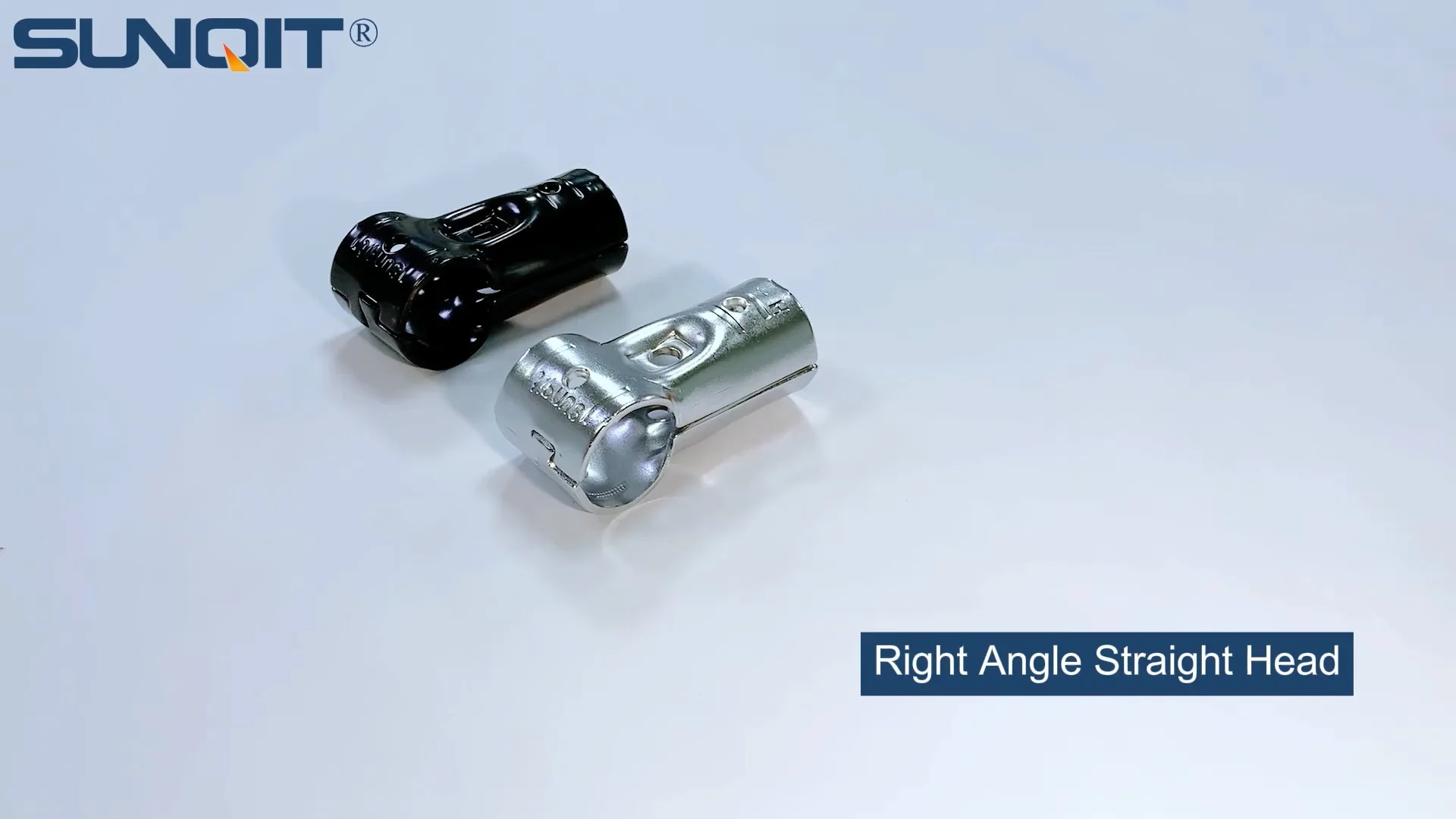
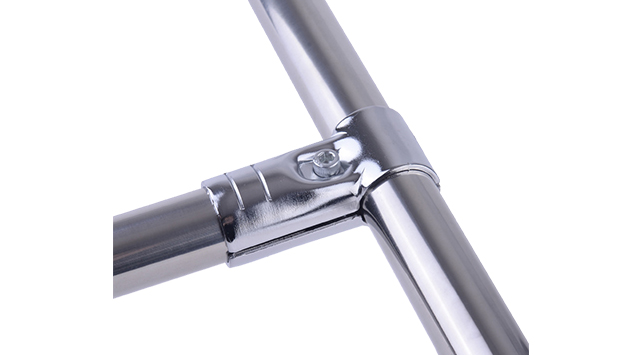
Two way lean pipe joint for 2 pcs 28MM lean pipe connection in straight angle, which used widely in workbench, flow rack, hand trolley frame connection.
Introduction: Where Precision Meets Purity
In the world of medical device manufacturing, there's no room for compromise. Every scalpel, pacemaker component, and diagnostic tool must meet standards so strict they can mean the difference between patient safety and disaster. Behind the scenes of these life-saving products lies a production environment where precision and hygiene are not just goals—they're non-negotiable. While much attention is paid to high-tech machinery and sterile processing rooms, some of the most critical contributors to hygiene are the smallest, most unassuming components. Enter the two way lean pipe joint chrome: a humble yet powerful part of modular lean systems that quietly ensures cleanliness, durability, and compliance in medical device production lines.
Lean manufacturing has long been celebrated for streamlining processes, reducing waste, and boosting efficiency. But in medical settings, lean systems must do more: they must support the rigorous hygiene protocols that prevent contamination. This is where specialized components like the two way lean pipe joint chrome shine. Designed with medical-grade standards in mind, these joints are more than just connectors—they're guardians of purity in a world where even a single microbe can have devastating consequences.
The Stakes of Hygiene in Medical Device Production
To understand why the two way lean pipe joint chrome matters, we first need to grasp the gravity of hygiene in medical manufacturing. Regulatory bodies like the FDA and ISO (through standards like ISO 13485) set stringent guidelines for contamination control. A single breach—whether from bacteria, dust, or chemical residues—can lead to product recalls, production halts, or worse, patient harm. For example, a contaminated surgical instrument could cause infections, while a dusty electronic component in a pacemaker might compromise its functionality.
The challenge? Medical production lines are dynamic environments. Workers move between stations, materials are transported across floors, and equipment is cleaned repeatedly with harsh disinfectants. Traditional modular systems, built with plastic or uncoated metal joints, often struggle here. Plastic joints scratch easily, creating tiny crevices where bacteria hide. Uncoated metals rust or corrode, flaking off particles that contaminate products. And both require frequent replacement, disrupting workflows and driving up costs. In this context, the two way lean pipe joint chrome emerges as a solution that doesn't just meet hygiene standards—it elevates them.
Lean Systems in Medical Manufacturing: Beyond Efficiency
Lean manufacturing principles—rooted in eliminating waste and optimizing flow—are a natural fit for medical device production. Modular lean systems, built from pipes and joints, allow manufacturers to customize workbenches, material racks, and conveyors to their exact needs. This flexibility is crucial in an industry where production lines often switch between different device models or scale up for high-demand products.
But in medical settings, lean systems must balance flexibility with hygiene. A workbench that's easy to reconfigure is useless if its joints trap bacteria. A material rack that's quick to assemble becomes a liability if it can't withstand daily sanitization. This is where the choice of components becomes critical. Lean pipe joints, which connect aluminum or stainless steel pipes to form these modular structures, are the backbone of the system. And among these, the two way lean pipe joint chrome stands out for its ability to merge lean efficiency with medical-grade hygiene.

Lean Pipe Joints: The Unsung Heroes of Modular Systems
At first glance, a lean pipe joint might seem like little more than a metal connector. But in reality, it's the linchpin of any modular lean system. These joints secure pipes together at various angles, enabling the creation of everything from simple workbenches to complex conveyor systems. They come in multiple configurations—two-way, three-way, four-way—to accommodate different structural needs. And their material and design directly impact the system's durability, safety, and yes, hygiene.
Most lean pipe joints are made from plastic, stainless steel, or chrome-plated steel. Plastic joints are affordable and lightweight but fall short in hygiene-critical environments: their porous surfaces scratch easily, creating hiding spots for microbes, and they degrade over time when exposed to harsh cleaning chemicals. Stainless steel joints are durable but can still harbor bacteria in tiny crevices, especially if their surfaces aren't perfectly smooth. This is where chrome-plated joints, particularly the two way lean pipe joint chrome, offer a distinct advantage.
Two Way Lean Pipe Joint Chrome: Engineered for Cleanliness
The two way lean pipe joint chrome is purpose-built for environments where hygiene is paramount. Let's break down what makes it special, starting with its material: chrome-plated steel. Chrome plating isn't just for aesthetics; it's a functional choice. The chrome layer creates a hard, non-porous surface that's resistant to corrosion, scratches, and chemical damage. Unlike plastic or uncoated metal, it doesn't absorb moisture or harbor bacteria. Even under the microscope, a chrome-plated surface appears smooth and uniform—no tiny valleys for microbes to colonize.
Then there's the design. Medical-grade chrome joints are engineered with rounded edges and minimal crevices. Traditional joints often have sharp corners or gaps where pipes meet, which can trap dust, debris, or cleaning fluids. The two way lean pipe joint chrome, by contrast, features a streamlined design with tight, precise connections. When assembled, the joint and pipe form a continuous surface, leaving nowhere for contaminants to hide. This is critical during cleaning: a quick wipe with a disinfectant cloth or spray reaches every inch, ensuring no residue is left behind.
Another key feature is its corrosion resistance. Medical device production lines are cleaned frequently—sometimes multiple times a day—with strong disinfectants like hydrogen peroxide or alcohol. Over time, these chemicals can eat away at lesser materials, causing pitting or rust that compromises both hygiene and structural integrity. Chrome plating acts as a barrier, protecting the underlying steel from chemical attack and ensuring the joint remains smooth and intact for years.
Hygiene Benefits: A Closer Look
To truly appreciate the hygiene benefits of the two way lean pipe joint chrome, let's compare it to other common joint materials. The table below highlights key metrics that matter in medical manufacturing:
| Feature | Two Way Lean Pipe Joint Chrome | Plastic Joints | Uncoated Stainless Steel Joints |
|---|---|---|---|
| Surface Smoothness | Highly smooth; non-porous | Prone to scratching; porous over time | Smooth but may have micro-crevices |
| Corrosion Resistance | Excellent (resists disinfectants, moisture) | Poor (degrades with harsh chemicals) | Good (but can corrode with prolonged chemical exposure) |
| Ease of Cleaning | Easy; wipes clean with minimal effort | Difficult; requires scrubbing to reach hidden microbes | Moderate; may need extra attention to crevices |
| Microbial Retention | Low (smooth surface prevents adhesion) | High (scratches and pores trap bacteria) | Moderate (some retention in crevices) |
| Longevity | 5–7 years (with proper maintenance) | 1–2 years (prone to wear and tear) | 3–5 years (may show signs of corrosion over time) |
The data speaks for itself: chrome joints outperform plastic and uncoated stainless steel in nearly every hygiene-related category. Take microbial retention, for example. Studies have shown that smooth, non-porous surfaces like chrome reduce bacterial adhesion by up to 80% compared to porous materials like plastic. In a medical setting, where even a single colony of Staphylococcus aureus can cause an outbreak, this reduction is game-changing.
Another standout benefit is durability. The two way lean pipe joint chrome lasts significantly longer than plastic alternatives, reducing the need for frequent replacements. Every time a joint is replaced, there's a risk of introducing contaminants during installation or disrupting the production line. By minimizing replacements, chrome joints help maintain consistent hygiene standards and keep workflows running smoothly.
Real-World Applications in Medical Device Production
Now, let's explore how the two way lean pipe joint chrome is used in actual medical device production lines. One common application is in ESD workbenches. Many medical devices, such as pacemakers or diagnostic sensors, include sensitive electronic components that are vulnerable to electrostatic discharge (ESD). ESD workbenches prevent static buildup, but they also need to be hygienic. By using chrome joints, manufacturers ensure the workbench surface remains smooth and easy to clean, even as technicians assemble delicate parts.
Material racks are another key application. Medical device components—from metal screws to plastic casings—must be stored in a way that prevents contamination. Racks built with two way lean pipe joint chrome and stainless steel pipe series (another hygiene-focused material) provide a sterile storage solution. The chrome joints ensure the racks can be wiped down daily without rusting or degrading, while the stainless steel pipes add an extra layer of durability and cleanliness.
Conveyor systems, which transport components between production stations, also benefit from chrome joints. Conveyors are high-touch surfaces, and their joints are exposed to constant movement and cleaning. The two way lean pipe joint chrome's corrosion resistance and smooth surface make it ideal here: it withstands the friction of daily use and the rigors of frequent sanitization, ensuring components glide from station to station without picking up contaminants.
Perhaps the most compelling example is in cleanrooms, where air quality and surface cleanliness are strictly controlled. In these environments, even a single dust particle can ruin a batch of products. Chrome joints, with their non-shedding surfaces and easy cleanability, are a staple here. They integrate seamlessly with other cleanroom components, like aluminum profile workbenches (which are also lightweight and easy to sanitize), creating a cohesive system that meets the highest hygiene standards.
Compliance: Meeting the Strictest Standards
For medical device manufacturers, compliance isn't optional—it's survival. Regulatory bodies like the FDA conduct regular audits to ensure production lines meet standards for cleanliness and safety. Using the two way lean pipe joint chrome can make these audits significantly easier. Chrome-plated components are often certified for use in medical environments, with documentation proving their resistance to corrosion, microbial growth, and chemical damage.
Consider a scenario where a manufacturer switches from plastic to chrome joints. Before the switch, their audit reports might note "inconsistent cleaning of workbench joints" or "microbial growth in rack crevices." After switching to chrome, those issues disappear. Auditors see smooth, clean surfaces that are clearly well-maintained, and the manufacturer avoids costly citations or production delays. In this way, chrome joints aren't just a hygiene tool—they're a compliance tool.
Beyond regulatory compliance, chrome joints also support internal quality control. Many medical manufacturers implement Hazard Analysis and Critical Control Points (HACCP) plans to identify and mitigate contamination risks. The two way lean pipe joint chrome can be classified as a "critical control point" in these plans, as its design directly reduces the risk of microbial contamination. By documenting the use of chrome joints, manufacturers can demonstrate a proactive approach to quality and safety.
Maintenance: Keeping Hygiene Consistent Over Time
Even the best components require proper care to maintain their hygiene benefits. Fortunately, maintaining two way lean pipe joint chrome is straightforward. Here are some best practices:
Regular Cleaning: Wipe joints daily with a mild detergent or disinfectant (avoid abrasive cleaners, which can scratch the chrome). For deeper cleaning, use a soft-bristled brush to reach any tight spots, though the joint's design minimizes the need for this.
Inspect for Damage: Check joints periodically for scratches, dents, or signs of corrosion. If the chrome layer is compromised, replace the joint immediately—even a small scratch can become a bacterial haven.
Lubricate Moving Parts: If the joint has rotating components, use a food-grade lubricant to keep them moving smoothly. This prevents friction-related wear and ensures the joint remains tight and secure.
By following these steps, manufacturers can extend the life of their chrome joints and ensure they continue to support hygiene goals for years to come.
Conclusion: Small Component, Big Impact
In the grand scheme of medical device production, the two way lean pipe joint chrome might seem. But as we've explored, its impact is anything but small. It's a testament to the idea that hygiene is built into every layer of the production process—not just in the sterile rooms or high-tech equipment, but in the very joints that hold the system together.
By choosing chrome-plated joints, manufacturers invest in a solution that delivers on both lean principles and hygiene requirements. They get a modular, flexible system that adapts to changing needs, and they get the peace of mind that comes with knowing their production line is built to prevent contamination. In an industry where every detail matters, the two way lean pipe joint chrome is more than a component—it's a commitment to patient safety.
So the next time you see a medical device, remember: behind its precision and reliability lies a network of small, unsung heroes. And among them, the two way lean pipe joint chrome stands tall, ensuring that every product that leaves the line is not just well-made, but pure.