- Company Articles
- Products and Technology
- Product knowledge
- Two Way Lean Pipe Joint Chrome in Medical Warehousing: Sterility Compliance

Two Way Lean Pipe Joint Chrome in Medical Warehousing: Sterility Compliance
Related Product
Two Way Lean Pipe Joint Chrome
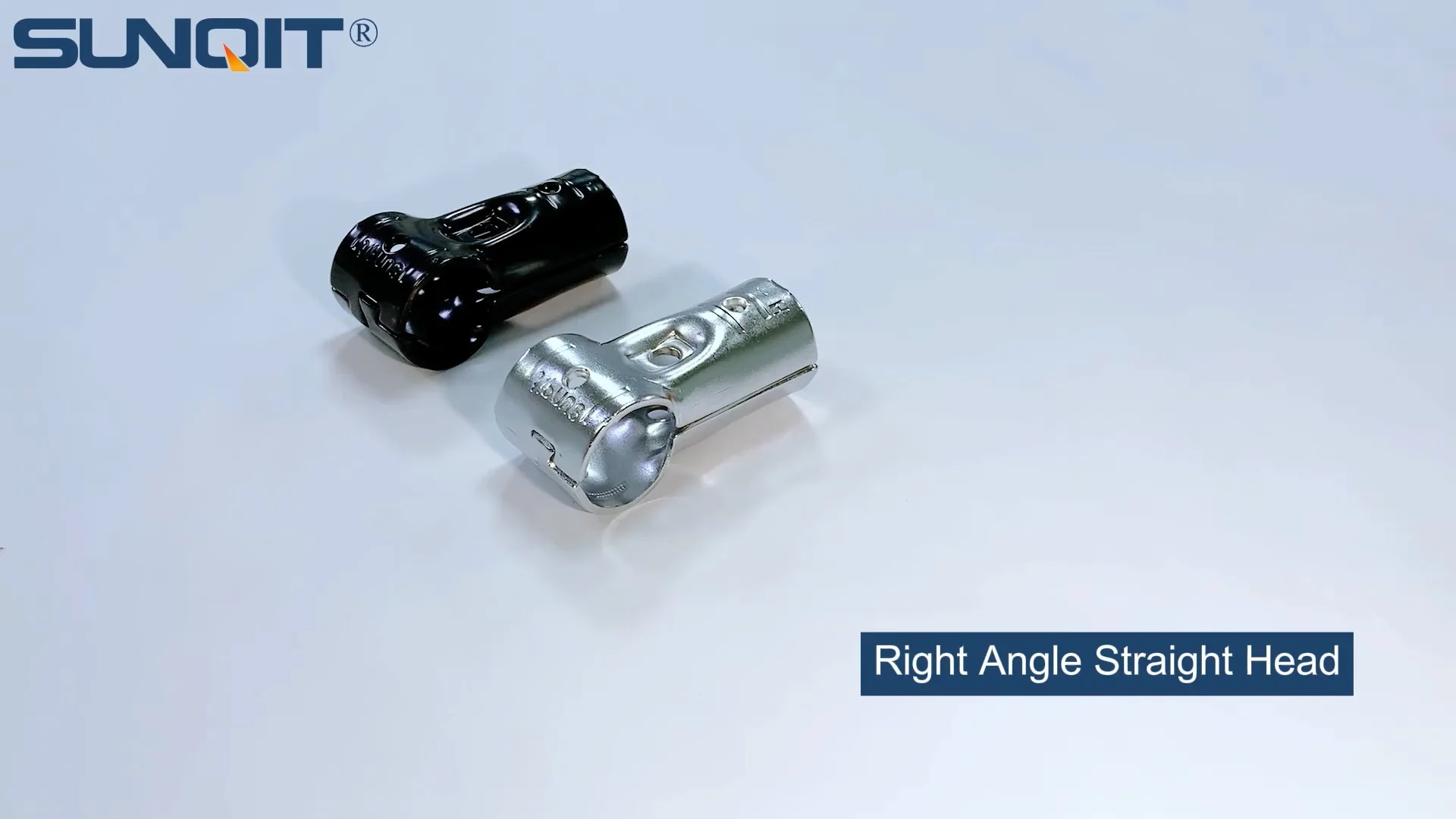
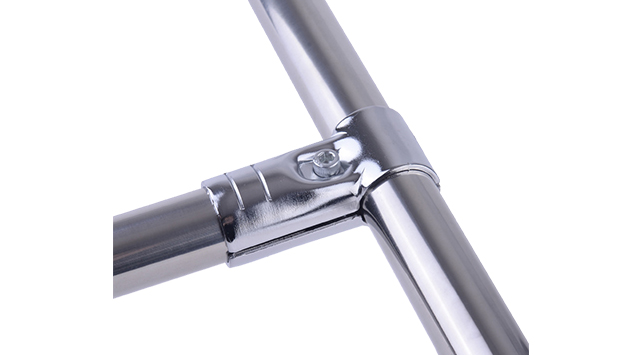
Two way lean pipe joint for 2 pcs 28MM lean pipe connection in straight angle, which used widely in workbench, flow rack, hand trolley frame connection.
The Critical Role of Sterility in Medical Warehousing
In the world of healthcare, every detail matters. From the precision of surgical tools to the integrity of pharmaceutical packaging, patient safety hinges on systems that leave no room for error. Nowhere is this more critical than in medical warehousing—the unseen backbone of healthcare operations where supplies, devices, and medications are stored, organized, and distributed. Here, sterility isn't just a best practice; it's a life-or-death requirement. A single contaminated instrument or compromised medication can lead to infections, treatment failures, or worse. Yet, maintaining sterility in these high-stakes environments is far from simple. Warehouses face constant challenges: tight storage spaces, frequent material handling, varying temperature controls, and the ever-present risk of microbial growth in hard-to-reach crevices.
Consider the average medical warehouse: rows of shelving, stacks of boxes, workbenches cluttered with tools, and carts shuttling supplies between stations. Traditional storage systems, often built with generic materials or rigid structures, can become breeding grounds for bacteria. Welded metal shelves with rough edges, plastic bins that trap moisture, or joints that accumulate dust—these are all weak points in the sterility chain. Add to that the pressure of leaner operations (healthcare facilities worldwide are under pressure to reduce costs without compromising care), and it's clear: medical warehouses need solutions that don't just store materials, but actively support sterility while streamlining workflows.
This is where lean systems step in. Rooted in the principles of eliminating waste and optimizing efficiency, lean systems have long been celebrated in manufacturing. But in medical warehousing, their impact goes deeper. By designing workflows and structures that minimize unnecessary movement, reduce contact points, and prioritize cleanability, lean systems create environments where sterility isn't an afterthought—it's built in. And at the heart of these systems lies a humble yet powerful component: the lean pipe joint. Specifically, the two way lean pipe joint chrome—a small part that plays a huge role in keeping medical warehouses compliant, efficient, and, most importantly, sterile.
Lean Systems: Beyond Efficiency—A Foundation for Sterility
When we talk about "lean" in healthcare, the first thought might be cost-cutting or faster workflows. And while efficiency is certainly a core goal, lean systems in medical settings are about something more fundamental: creating reliable, repeatable processes that reduce variability. In sterility terms, variability is the enemy. A shelf that's hard to clean one day and easy the next, a cart that wobbles and spills, or a workbench with parts that loosen over time—these inconsistencies open the door to contamination. Lean systems counteract this by focusing on standardization, modularity, and intentional design.
At the core of any lean system are its building blocks: lean pipes, joints, workbenches, and accessories. Unlike fixed, one-size-fits-all structures, lean components are modular. They can be assembled, disassembled, and reconfigured in minutes, adapting to changing needs without requiring major overhauls. This flexibility is invaluable in medical warehousing, where inventory needs shift with seasonal demands, new product launches, or sudden surges in patient care (think pandemic responses). But modularity alone isn't enough. For these systems to support sterility, every component must be designed with cleanability and durability in mind. That's where the two way lean pipe joint chrome comes into play.
Lean pipes—often made of steel with a plastic or metal coating—are lightweight yet strong, forming the "skeleton" of structures like shelving, workbenches, and carts. But it's the joints that hold this skeleton together. Joints connect pipes at angles, allowing for the creation of custom shapes: L-bends for corner shelves, T-junctions for multi-tiered racks, or straight connectors for long spans. The two way lean pipe joint, as the name suggests, connects two pipes at a fixed angle (typically 90 degrees), forming the basic building block of most lean structures. And when that joint is chrome-plated? It transforms from a functional part into a sterility asset.
The Two Way Lean Pipe Joint Chrome: Designing for Sterility
What Makes Chrome-Plated Joints Different?
Let's start with the basics: what is a two way lean pipe joint chrome? At its simplest, it's a connector designed to join two lean pipes at a right angle, with a chrome-plated finish. But that finish is far from cosmetic. Chrome plating—an electroplating process that deposits a thin layer of chromium onto a metal surface—adds three critical properties that make these joints indispensable in medical warehousing: corrosion resistance, smoothness, and chemical compatibility.
First, corrosion resistance. Medical warehouses are no strangers to moisture. Whether from sanitizing sprays, humid storage areas, or accidental spills, metal components are constantly exposed to water and cleaning agents. Uncoated or poorly coated joints would rust over time, creating pitted surfaces where bacteria can hide and multiply. Chrome, however, forms a passive oxide layer when exposed to air, acting as a barrier against corrosion. This means even after years of daily cleaning, the joint remains smooth and intact—no rust, no crevices, no contamination risks.
Second, smoothness. Traditional joints, especially those made of plastic or uncoated steel, often have rough edges, seams, or threading that trap dust, debris, or moisture. A quick wipe with a disinfectant cloth might miss these spots, leaving behind microbial residue. Chrome-plated joints, by contrast, have a mirror-like, non-porous surface. There are no cracks or ridges for contaminants to cling to. A single pass with a sanitizing wipe is enough to remove surface bacteria, making daily cleaning faster and more effective. For busy warehouses where every minute counts, this efficiency isn't just convenient—it ensures that cleaning protocols are actually followed, rather than skipped due to time constraints.
Third, chemical compatibility. Medical facilities rely on strong disinfectants to kill pathogens: quaternary ammonium compounds, hydrogen peroxide, or alcohol-based solutions. These chemicals can degrade weaker materials, causing joints to become brittle, discolored, or pitted. Chrome, however, is highly resistant to most industrial and medical-grade cleaning agents. It won't react with disinfectants, ensuring the joint's structural integrity and surface smoothness remain intact over time. This longevity reduces the need for frequent replacements, lowering costs and minimizing downtime—both critical in environments where supply chain disruptions can impact patient care.
Beyond the Surface: Structural Integrity and Assembly
Of course, a joint is only as good as its ability to hold up under pressure. Medical warehouses store heavy items: cases of IV fluids, bulk medication packages, or metal surgical instrument trays. A joint that loosens or fails could lead to collapsed shelving, damaged inventory, or even workplace injuries. The two way lean pipe joint chrome addresses this with a design focused on strength and stability.
Most two way lean pipe joints are made of die-cast zinc or steel, then chrome-plated. This base material provides tensile strength, ensuring the joint can support the weight of fully loaded shelves or workbenches. The connection mechanism—typically a setscrew or clamping design—creates a tight, secure fit between pipes, preventing wobbling or shifting during use. Unlike welded joints, which are permanent and hard to repair, these joints can be easily tightened with a hex key if they loosen over time, maintaining structural integrity without needing replacement.
Assembly is another key advantage. In traditional warehouse setups, installing or reconfiguring shelving often requires specialized tools, skilled labor, or even welding. This not only takes time but also introduces risks: welding fumes in the warehouse, sharp metal edges from cutting pipes, or delays while waiting for maintenance teams. Lean pipe joints, including the two way chrome variant, are designed for tool-free or minimal-tool assembly. A worker with basic training can connect pipes in minutes using just a screwdriver or Allen wrench. This modularity means warehouses can adapt quickly to new storage needs—adding a shelf for a new medication, reconfiguring a workbench for a new instrument line—without disrupting operations. And because there's no welding or cutting, there's no risk of introducing metal shavings, debris, or sharp edges that could harbor bacteria or damage sterile packaging.

Sterility Compliance: Meeting the Strictest Standards
In medical warehousing, compliance isn't optional. Regulatory bodies like the FDA (Food and Drug Administration), ISO (International Organization for Standardization), and EMA (European Medicines Agency) have strict guidelines for storage environments, with sterility at the top of the list. For example, ISO 13485—specifically for medical device quality management—requires organizations to "establish and maintain a clean environment suitable for the manufacture, packaging, storage, and distribution of medical devices." Similarly, FDA's Current Good Manufacturing Practices (cGMP) mandate that storage areas be "designed to prevent mix-ups, contamination, and cross-contamination."
So, how does the two way lean pipe joint chrome help warehouses meet these standards? Let's break it down:
No Hidden Contamination Zones
Regulators often cite "hard-to-clean surfaces" as a common violation in medical storage. Cracks, crevices, and rough textures provide ideal environments for microbial growth. The chrome-plated joint's smooth, seamless surface eliminates these zones. During inspections, auditors can easily verify that all surfaces are accessible and cleanable—no need to disassemble joints or use specialized tools to check for hidden debris. This transparency not only ensures compliance but also gives warehouse managers peace of mind that their systems aren't harboring unseen risks.
Resistance to Repeated Sanitization
ISO 13485 also requires that equipment and storage systems "be cleaned, maintained, and sanitized at appropriate intervals." In high-risk areas (like storage for sterile surgical instruments), this might mean daily wipe-downs with hospital-grade disinfectants or weekly deep cleaning with steam or chemical fogging. The chrome plating on these joints stands up to this rigorous schedule. Unlike plastic joints, which can degrade or become cloudy with repeated chemical exposure, or painted joints, which can chip and peel, chrome remains stable. This durability ensures that the joint's sterility features—smoothness, corrosion resistance—last for the lifetime of the system, avoiding costly replacements or compliance failures down the line.
Supporting ESD Compliance (When Paired with the Right Workstations)
While sterility is the primary focus here, many medical devices (like electronic monitors, sensors, or delicate surgical tools) also require protection from electrostatic discharge (ESD). ESD can damage sensitive electronics, rendering them ineffective or unsafe for patient use. That's where ESD workstations come in—specialized workbenches designed to dissipate static electricity. The two way lean pipe joint chrome, when used in conjunction with ESD-compatible lean pipes and accessories, can be part of these systems. While the joint itself isn't conductive, its secure connection ensures that the ESD workstation's grounding path remains intact, preventing static buildup. This dual functionality—supporting both sterility and ESD protection—makes chrome-plated joints a versatile choice for warehouses storing a mix of sterile and electronic medical supplies.
Comparing Materials: Why Chrome-Plated Lean Joints Outshine Alternatives
Medical warehouses have options when it comes to building materials. Stainless steel pipe series, aluminum profiles, and plastic components are all common choices. But when it comes to balancing sterility, durability, cost, and flexibility, the two way lean pipe joint chrome stands out. Let's compare:
| Material | Sterility Features | Durability | Cost | Flexibility/Modularity |
|---|---|---|---|---|
| Two Way Lean Pipe Joint Chrome | Smooth, non-porous chrome surface; easy to clean; corrosion-resistant; no crevices for bacteria. | High—chrome plating resists rust and chemical damage; die-cast metal base supports heavy loads. | Moderate—more affordable than stainless steel, more durable than plastic. | High—modular, tool-free assembly; reconfigurable in minutes. |
| Stainless Steel Pipe Series | Non-porous, corrosion-resistant; good cleanability. | Very high—excellent for heavy loads and harsh environments. | High—stainless steel is costly; welded joints require professional installation. | Low—fixed structures; difficult to reconfigure without cutting/welding. |
| Aluminum Profile | Smooth surface; lightweight; corrosion-resistant. | Moderate—prone to bending under heavy loads; anodized finish can chip. | Moderate to high—aluminum profiles are expensive; accessories (like aluminum profile accessories) add cost. | Moderate—modular but requires specialized connectors; assembly is more complex than lean pipe. |
| Plastic Joints | Rough surfaces; porous; prone to scratching and harboring bacteria. | Low—degrades with chemical exposure; cracks under heavy loads. | Low—initial cost is cheap; high replacement cost over time. | High—lightweight and modular but lacks structural stability. |
The table tells a clear story: while stainless steel offers unmatched durability and aluminum provides lightweight flexibility, neither can match the two way lean pipe joint chrome's balance of sterility, cost, and adaptability. Stainless steel is rigid and expensive, making it impractical for dynamic warehouse needs. Aluminum, while modular, often requires costly accessories (like specialized aluminum profile accessories) and isn't as strong for heavy storage. Plastic, meanwhile, fails the sterility test entirely. For medical warehouses that need to stay compliant, adaptable, and budget-conscious, chrome-plated lean joints are the clear winner.
Real-World Impact: A Case Study in Sterility Improvement
To put this in perspective, let's look at a real-world example (with identifying details changed for privacy). A mid-sized medical device manufacturer in the Midwest was struggling with recurring sterility issues in its warehouse. Despite rigorous cleaning protocols, routine swab tests kept detecting low levels of bacteria (including Staphylococcus aureus ) on storage racks and workbenches. The root cause? The warehouse was using old, welded steel shelving with chipped paint and plastic bins with rough interiors. Disassembling and deep-cleaning the shelving was time-consuming, so it was done only monthly—creating a cycle of contamination between cleanings.
The solution? A complete overhaul using lean systems with two way lean pipe joint chrome components. The team replaced fixed steel shelving with modular lean pipe racks, assembled using chrome-plated joints. They added lean pipe workbenches (with chrome joints) for packing and inspection stations, and swapped plastic bins for smooth, stainless steel containers. The results were striking: within three months, post-cleaning swab tests showed a 98% reduction in bacterial counts. Auditors from the FDA noted the "exemplary cleanability" of the new systems, and the warehouse team reported that daily cleaning time was cut in half, freeing up staff for other critical tasks.
But the benefits went beyond compliance. The modularity of the lean system allowed the warehouse to reconfigure racks in hours to accommodate a new line of larger medical devices, avoiding the six-week lead time and high cost of custom steel shelving. And because the chrome-plated joints required no special maintenance—just regular wiping—long-term costs were lower than the previous setup, which required frequent repainting and part replacements.
Maintenance and Longevity: Keeping Chrome-Plated Joints in Peak Condition
While two way lean pipe joint chrome components are designed for durability, they still require basic care to maintain their sterility features. Fortunately, this maintenance is minimal and straightforward, fitting easily into existing warehouse cleaning routines.
Daily Cleaning
For most medical warehouses, a daily wipe-down with a lint-free cloth and hospital-grade disinfectant (like 70% isopropyl alcohol or quaternary ammonium solution) is sufficient. The key is to use a cloth that won't scratch the chrome surface—microfiber works best. Pay special attention to the joint's connection points, where dust might accumulate between the joint and pipe. A quick twist of the pipe (to ensure the joint is tight) and a wipe along the seam will prevent buildup.
Monthly Inspection
Once a month, inspect joints for signs of wear: loose setscrews, minor scratches, or discoloration. Tighten any loose joints with a hex key (most lean pipe joints use standard 5mm or 6mm keys). If a scratch is detected, check that it hasn't created a deep groove—light surface scratches can be buffed out with a soft cloth and chrome polish (avoid abrasive cleaners, which can damage the plating). Discoloration (like water spots) can usually be removed with a vinegar-and-water solution, followed by a rinse and dry.
Long-Term Care
With proper maintenance, chrome-plated lean pipe joints can last 10 years or more. When reconfiguring systems, avoid over-tightening joints—this can strip threads or crack the chrome plating. If a joint does become damaged beyond repair (e.g., a deep scratch that traps bacteria), replacement is simple: just loosen the setscrew, remove the old joint, and insert a new one. Most suppliers offer replacement joints at a fraction of the cost of a new system, making repairs affordable and quick.
The Future of Medical Warehousing: Lean Systems and Sterility Innovation
As healthcare continues to evolve—with new technologies, stricter regulations, and growing demand for personalized medicine—medical warehousing will face new challenges. One emerging trend is the rise of "just-in-time" inventory models, where supplies are delivered closer to patient use, reducing storage needs but increasing the frequency of material handling. In this environment, modularity and cleanability will become even more critical. The two way lean pipe joint chrome, with its adaptability and sterility features, is well-positioned to support this shift.
Another trend is the integration of smart technologies. Imagine lean pipe racks with embedded sensors that monitor temperature, humidity, or even surface contamination levels. While the joint itself isn't "smart," its modular design makes it easy to attach these sensors without compromising sterility. A chrome-plated joint can support a sensor bracket just as easily as it supports a shelf, allowing warehouses to add intelligence without rebuilding their entire infrastructure.
Finally, sustainability is becoming a priority in healthcare. Lean systems, by their nature, reduce waste—modular components mean less material is discarded during reconfigurations, and durable materials like chrome-plated joints reduce the need for frequent replacements. As medical facilities strive to lower their carbon footprints, lean systems with long-lasting, recyclable components (like steel lean pipes and chrome-plated joints) will become an eco-friendly alternative to single-use or short-lived storage solutions.
Conclusion: Small Component, Big Impact on Patient Safety
In the grand scheme of healthcare, the two way lean pipe joint chrome might seem. It's a small, metal connector—easily overlooked amid the high-tech machinery and life-saving devices that dominate medical settings. But as we've explored, its impact is profound. By enabling modular, cleanable, and durable lean systems, these joints create the foundation for sterile medical warehousing. They reduce contamination risks, support compliance with strict regulations, and adapt to the ever-changing needs of healthcare operations.
For warehouse managers, the message is clear: sterility isn't about perfection—it's about intentional design. Every component, from the largest shelf to the smallest joint, plays a role. Choosing the right components—like chrome-plated lean pipe joints—isn't just a purchase decision; it's an investment in patient safety. Because in the end, a sterile warehouse isn't just about passing an audit. It's about ensuring that every tool, every medication, every device that leaves that warehouse is safe—for the nurse who uses it, the surgeon who relies on it, and the patient whose life depends on it.
So the next time you walk through a medical warehouse, take a moment to look at the racks, the workbenches, the carts. Chances are, they're held together by lean pipe joints. And if those joints are chrome-plated? You can rest a little easier knowing that someone, somewhere, prioritized sterility—and that makes all the difference.