- Company Articles
- Products and Technology
- Product knowledge
- Two Way Lean Pipe Joint Explained: Core Components and Working Principle

Two Way Lean Pipe Joint Explained: Core Components and Working Principle
Related Product
Two Way Lean Pipe Joint
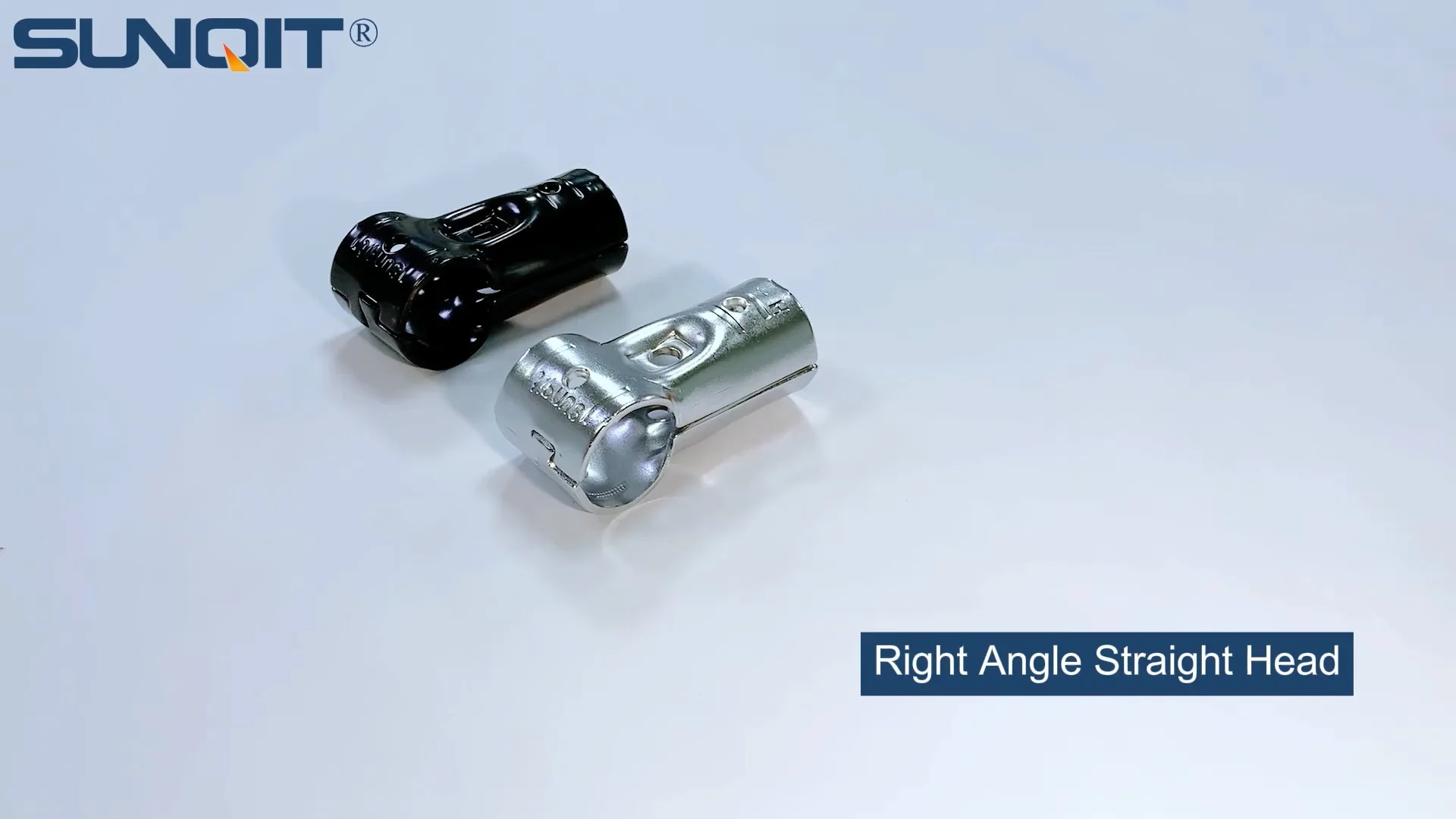
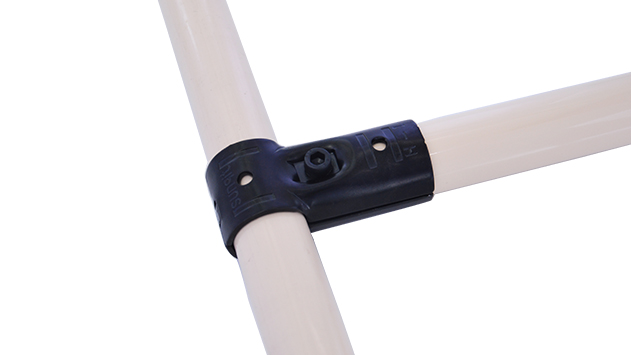
Two way lean pipe joint for 2 pcs 28MM lean pipe connection in straight angle, which used widely in workbench, flow rack, hand trolley frame connection.
Introduction: The Backbone of Flexible Manufacturing
Walk into any modern manufacturing facility, and you'll notice a shift—gone are the days of rigid, permanent production lines bolted to the floor. Today's factories thrive on adaptability: a single workspace might assemble smartphones in the morning and medical devices by afternoon. At the heart of this flexibility lies the lean system, a philosophy turned practical toolkit designed to eliminate waste, streamline workflows, and respond quickly to change. And if lean systems are the body of modern manufacturing, then lean pipes and their joints are the bones—providing structure while staying light enough to reconfigure on a whim.
Among these critical components, the two way lean pipe joint stands out as a unsung hero. It's not the flashiest part of the assembly line, but without it, the modularity that makes lean systems so powerful would fall apart. Whether you're building a workbench, a material rack, or a turnover trolley, this small but mighty joint is what holds the pieces together—literally and figuratively. In this article, we'll dive deep into what makes the two way lean pipe joint tick: its core components, how it works, and why it's indispensable in today's fast-paced production environments.
Understanding Lean Pipes: More Than Just Metal Tubes
Before we zoom in on the two way joint, let's take a step back and talk about lean pipes themselves. These aren't your average hardware store pipes—they're engineered for one purpose: modularity. Typically made from steel, aluminum, or plastic-coated steel (like PE coated lean pipe), they're lightweight yet strong enough to support tools, materials, and even heavy workbenches. What truly sets them apart, though, is their compatibility with a range of accessories—joints, casters, brackets, and clamps—that turn simple pipes into fully functional systems.
Think of lean pipes as the building blocks of a manufacturing playground. Want a workbench for assembly? Connect pipes with joints. Need a flow rack to move parts between stations? Add roller tracks and connectors. Suddenly, a few tubes and (lean pipe and accessories, as suppliers call them) become a custom solution tailored to your workflow. And at the center of this versatility are the joints—the connectors that let you pivot, extend, and reimagine your space without welding, drilling, or permanent modifications.
What Is a Two Way Lean Pipe Joint?
At its simplest, a two way lean pipe joint is a device that connects two lean pipes at a specific angle, allowing them to form a stable, adjustable structure. Unlike fixed brackets or welded connections, these joints are designed to be disassembled and reassembled repeatedly—making them perfect for lean systems that need to evolve with production demands.
The "two way" label refers to its primary function: it has two openings (or ports) where lean pipes can be inserted and secured. Depending on the design, these ports might be fixed at a 90-degree angle (for L-shapes), 45 degrees (for slopes), or even adjustable (letting you set the angle manually before locking it in place). This flexibility means a single joint can be used in everything from vertical supports on a workbench to diagonal bracing on a material rack.
But don't let the name fool you—"two way" doesn't mean limited. Many models include additional features, like extra holes for mounting accessories or grooves for routing cables, making them surprisingly versatile. Whether you're building a simple shelf or a complex conveyor system, the two way joint is often the first piece you'll reach for.

Core Components of a Two Way Lean Pipe Joint
To understand how a two way lean pipe joint works, let's break it down into its key parts. Each component plays a role in ensuring the joint is strong, adjustable, and easy to use. Here's a closer look:
| Component | Common Materials | Primary Function |
|---|---|---|
| Joint Body | Aluminum, Steel, Nylon | The main structure of the joint, housing the pipe ports and internal mechanisms. Aluminum is lightweight; steel offers durability for heavy loads. |
| Clamping Inserts | Rubber, Nylon, Plastic | Soft, grippy liners inside the pipe ports that prevent the lean pipe from slipping when tightened. They also protect the pipe's surface from scratches. |
| Locking Screw | Stainless Steel, Zinc-Plated Steel | A threaded screw (often with a hex or Phillips head) that tightens the clamping inserts around the pipe, securing the connection. Some joints have two screws for extra stability. |
| Angle Adjustment Mechanism (Adjustable Models) | Metal Gears, Ratchets, or Friction Plates | Allows the joint to swivel or pivot, letting users set custom angles (e.g., 30°, 60°) before locking with the screw. Found in "universal" two way joints. |
| Mounting Holes/Accessory Ports | Integrated into Joint Body | Extra holes or slots for attaching brackets, shelves, or tools. Useful for adding hooks, label holders, or even small bins directly to the joint. |
Each of these components works together to balance strength and flexibility. For example, the clamping inserts ensure a tight grip without damaging the pipe, while the locking screw lets you adjust tension based on the load—tight enough to hold heavy materials, loose enough to reposition when needed.

How Does It Work? The Mechanics of Connection
The beauty of the two way lean pipe joint lies in its simplicity. You don't need an engineering degree to assemble it—just a basic understanding of how the parts interact. Here's a step-by-step breakdown of its working principle:
1. insert the Pipes
Start by sliding the ends of two lean pipes into the joint's ports. Most joints are designed for standard pipe diameters (like 28mm or 30mm), so as long as your pipes match the joint's size, they should fit snugly but not tightly—there should be a small gap to allow for adjustment.
2. Adjust the Angle (If Adjustable)
If you're using an adjustable two way joint, now's the time to set the angle. Swivel the joint until the pipes are positioned how you want them (e.g., 90 degrees for a corner, 45 degrees for a slope). Some joints have built-in angle markers (like 30°, 45°, 90°) to help you align quickly; others rely on a friction fit, letting you choose any angle between 0° and 180°.
3. Tighten the Locking Screw
Once the pipes are in place, grab a hex key or screwdriver and turn the locking screw. As you tighten it, the screw presses against the clamping inserts, which expand slightly to grip the pipe. It's important not to over-tighten—you want enough pressure to hold the pipe steady, but not so much that you warp the inserts or strip the screw.
4. Test and Adjust
Give the pipes a gentle shake to make sure they're secure. If they wobble, loosen the screw, realign the pipes, and tighten again. Once stable, your joint is ready to support whatever you build—whether it's a shelf, a tool holder, or part of a larger system.
The best part? This process is reversible. When you need to reconfigure your workspace, just loosen the screw, pull out the pipes, and start fresh. No cutting, no welding, no mess—just quick, easy adjustments that keep your production line moving.
Real-World Applications: Where Two Way Joints Shine
Two way lean pipe joints might seem small, but their impact is huge. Let's look at a few common scenarios where they're indispensable:
Workbenches: The Foundation of Assembly Lines
Walk into any assembly area, and you'll likely see workbenches built with lean pipes—and two way joints are the stars here. A basic workbench frame, like "workbench E (single deck-without caster)" from many suppliers' catalogs, relies on two way joints to connect vertical support pipes to horizontal rails. The joints form the corners of the bench, ensuring the structure is square and stable enough to hold tools, parts bins, and even heavy equipment. And if you need to raise the bench height or add a shelf later? Just swap out the joint positions and adjust the pipe lengths—no need to buy a whole new bench.
Material Racks: Organizing Parts Efficiently
Material racks, like "material rack B (3 row and 3 floor)," are another prime example. These racks use two way joints to connect vertical posts to horizontal shelves, creating levels for storing bins, boxes, or raw materials. Adjustable joints let you set shelf heights to fit different-sized items—so a rack that holds small electronics one week can store larger components the next. Plus, adding or removing shelves is as simple as loosening a few screws and repositioning the joints.
Turnover Trolleys: Moving Materials with Ease
Turnover trolleys (those wheeled carts used to transport parts between stations) depend on two way joints for their frames. The joints connect the vertical handles to the horizontal base, and the base to the caster wheels. Since trolleys need to be lightweight but sturdy, aluminum lean pipes paired with aluminum two way joints are a popular choice—they reduce weight without sacrificing strength. And if the trolley gets damaged or needs a new configuration (like adding a tool tray), replacing the joint or pipes is far cheaper than buying a new trolley.
Why Choose Two Way Lean Pipe Joints? The Benefits
So, what makes these joints a must-have for lean systems? Let's count the ways:
Flexibility: Adapt to Change in Minutes
Manufacturing needs change fast—new products, updated processes, seasonal demands. Two way joints let you reconfigure your workspace in minutes, not days. Need to expand a workbench? Add more pipes and joints. Shrink a material rack? Remove a shelf and tighten the remaining joints. It's like having a modular toolkit that grows with your business.
Cost-Effective: Save Money on Replacements
Traditional fixed structures (like welded steel frames) are expensive to modify or replace. With two way joints, you can reuse pipes and accessories for years. A joint that once held a workbench can later become part of a flow rack or a trolley—reducing waste and keeping costs low.
Easy to Install: No Special Skills Needed
You don't need a professional welder or carpenter to assemble a lean system with two way joints. Any team member can learn to use them in minutes, which means less downtime and more productivity. Plus, since there's no cutting or drilling, there's less risk of mistakes or injuries.
Durable: Built to Last in Tough Environments
Despite their simplicity, two way joints are tough. Made from materials like aluminum or stainless steel, they resist rust, corrosion, and wear—even in busy factories with oil, dust, or moisture. The clamping inserts (often made from durable plastics or rubber) maintain their grip over time, ensuring your structures stay stable for years.
Tips for Getting the Most Out of Your Two Way Joints
To keep your two way lean pipe joints (and your lean system) working smoothly, follow these tips:
- Match Joints to Pipes: Always use joints designed for your pipe diameter. A 28mm joint won't work with 30mm pipes, and vice versa—this can lead to loose connections or damaged parts.
- Don't Over-Tighten: Over-tightening the locking screw can warp the clamping inserts or strip the threads. Tighten until the pipe feels secure, then stop.
- Clean Regularly: Dust and debris can build up in the joint's ports, making it harder to insert pipes. Wipe joints with a dry cloth occasionally to keep them clean.
- replace Worn Inserts: If the clamping inserts start to crack or lose their grip, replace them—they're cheap and easy to swap out, and it's better than risking a loose connection.
- Use Braces for Heavy Loads: For structures holding more than 50kg, add diagonal braces with two way joints to distribute weight and prevent wobbling.
Conclusion: The Unsung Hero of Lean Manufacturing
In the world of lean manufacturing, success lies in the details—and the two way lean pipe joint is one detail that makes a big difference. It's not glamorous, but it's essential: a small, simple component that turns ordinary pipes into flexible, adaptable systems that can keep up with the demands of modern production.
Whether you're building a workbench, a material rack, or a turnover trolley, the two way joint ensures your structures are strong enough to work hard, but flexible enough to change when you need them to. It's a testament to the lean philosophy: eliminate waste, maximize efficiency, and never stop improving.
So the next time you walk through a factory and see a row of workbenches or a rack of materials, take a closer look. Chances are, there's a two way lean pipe joint holding it all together—quietly, reliably, and ready for whatever comes next.