- Company Articles
- Products and Technology
- Product knowledge
- Two Way Lean Pipe Joint for Cold Storage Facilities: Low-Temperature Performance

Two Way Lean Pipe Joint for Cold Storage Facilities: Low-Temperature Performance
Related Product
Two Way Lean Pipe Joint
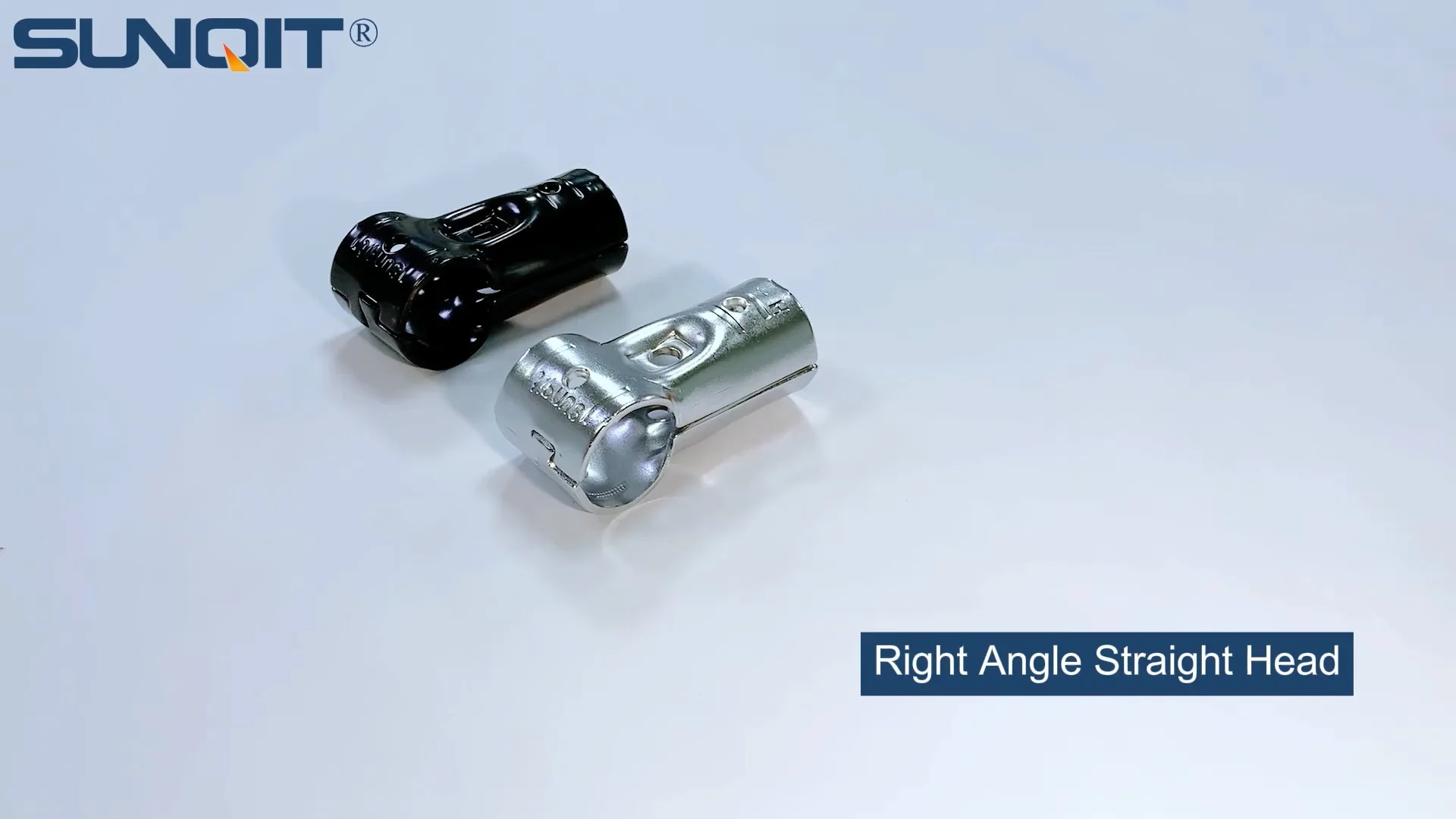
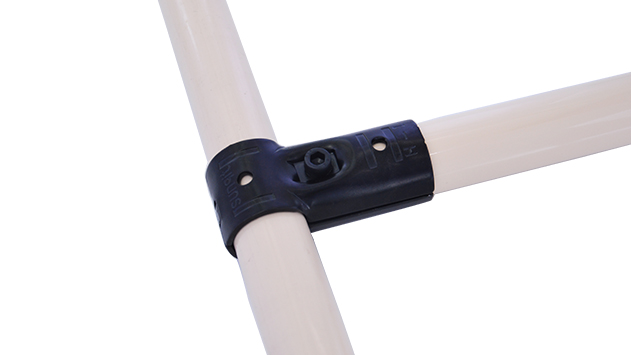
Two way lean pipe joint for 2 pcs 28MM lean pipe connection in straight angle, which used widely in workbench, flow rack, hand trolley frame connection.
How a component transforms efficiency, safety, and worker experience in freezing environments
Step into a cold storage facility, and the first thing that hits you isn't just the icy air—it's the hustle . Workers in bulky insulated suits maneuver pallet jacks between towering racks, their breath fogging as they race to load frozen goods onto trucks. Conveyor belts hum, carrying cartons of vegetables and meats through sub-zero tunnels. In these environments, where temperatures can plummet to -30°C (-22°F) or lower, every second counts. But there's a silent challenge here, one that rarely makes it into facility manager reports: the infrastructure holding it all together.
Imagine a worker named Maria, halfway through her shift, struggling to slide a box onto a material rack. The rack wobbles. She pauses, frowning, and gives it a gentle push—only to hear a faint crack from one of the joints connecting the pipes. By the end of the day, that small crack could turn into a loose shelf, a fallen carton, or worse, a safety hazard. In cold storage, where metal contracts, plastic becomes brittle, and even the sturdiest components face relentless stress, weak joints aren't just a nuisance—they're a bottleneck.
This is where the two way lean pipe joint enters the story. It's not the flashiest piece of equipment in the warehouse, but for those who rely on it daily, it's the difference between smooth operations and costly delays. In this article, we'll dive into why this unassuming component is a game-changer for cold storage facilities, how its low-temperature performance outshines alternatives, and why it matters for the people who keep our frozen supply chains moving.
What Is a Two Way Lean Pipe Joint, Anyway?
Let's start with the basics. Lean pipe systems—often called "kitchen pipe" systems for their modular, DIY-like flexibility—are the backbone of modern warehouse setups. They use lightweight pipes and joints to build everything from workbenches and material racks to conveyor rails and turnover trolleys. And at the heart of these systems are the joints : the small, often overlooked connectors that hold the pipes together.
A two way lean pipe joint, as the name suggests, connects two pipes at a fixed angle (usually 90° or 180°), forming the cornerstone of simple structures like shelves, table legs, or railings. But in cold storage, "simple" doesn't mean "easy." When metal pipes shrink in the cold, when condensation freezes into ice between components, and when heavy loads (think 50kg cartons of frozen fish) strain connections daily, a joint's ability to adapt and endure becomes critical.
Traditional joints—made of cheap plastic or low-grade steel—often fail here. Plastic cracks in extreme cold; standard steel rusts when ice melts and refreezes. But the two way lean pipe joint, when engineered for low temperatures, is different. It's designed to flex with thermal changes, resist corrosion, and maintain a tight grip even after months of freeze-thaw cycles. For workers like Maria, that means fewer interruptions, safer workspaces, and a shift that feels manageable instead of exhausting.
The Science of Low-Temperature Performance: Why Material Matters
To understand why some two way lean pipe joints thrive in cold storage while others fail, let's talk materials. The best cold-resistant joints are typically made from stainless steel (part of the stainless steel pipe series ), and for good reason. Stainless steel contains chromium, which forms a protective oxide layer that resists rust—essential in environments where ice and moisture are constant. But it's not just about rust; stainless steel also retains its toughness in extreme cold. Unlike carbon steel, which becomes brittle below -20°C, stainless steel (especially grades like 304 or 316) stays ductile, meaning it bends rather than snaps under stress.
Take, for example, a two way lean pipe joint made from 304 stainless steel. At -30°C, it won't crack when the connected pipes contract. Its threads (if threaded) won't seize up from ice buildup, thanks to smooth, precision machining. And when workers like Maria need to adjust a rack or repair a loose connection—even with thick gloves on—the joint's design allows for easy tightening without stripping or breaking.
Compare that to a plastic joint. Most plastics, like polypropylene, start to lose flexibility below 0°C. At -10°C, they become rigid; at -20°C, they're prone to cracking under even minor impacts. A single bump from a pallet jack could shatter a plastic joint, sending a shelf of frozen goods crashing to the floor. For a facility manager, that's not just a cleanup cost—it's lost inventory, damaged equipment, and potential worker injuries.
Then there's the issue of thermal expansion. All materials expand when heated and contract when cooled, but metals and plastics do so at different rates. A joint that connects a steel pipe to a plastic component? Disaster. As temperatures fluctuate (say, when a door is left open during a delivery), the steel and plastic will shrink and expand at different speeds, loosening the connection over time. A stainless steel two way joint, paired with stainless steel pipes, avoids this mismatch. Both materials contract and expand at similar rates, keeping the joint tight and stable, day in and day out.
How Does It Stack Up? Comparing Joints in Cold Storage
Not all joints are created equal, especially in cold storage. To see why the two way lean pipe joint stands out, let's compare it to three common alternatives: plastic joints, standard steel joints, and three-way lean pipe joints. The table below breaks down key factors like temperature resistance, durability, and ease of use in sub-zero environments.
| Joint Type | Temperature Range | Durability (Avg. Lifespan in Cold Storage) | Installation Ease (With Gloves) | Corrosion Resistance |
|---|---|---|---|---|
| Stainless Steel Two Way Lean Pipe Joint | -40°C to 100°C | 5–7 years | Easy (smooth edges, tool-free options) | Excellent (resists rust and ice damage) |
| Plastic Joint | -5°C to 60°C | 6–12 months | Difficult (brittle, prone to cracking during installation) | Good, but brittle in cold |
| Standard Steel Joint | -20°C to 80°C | 1–2 years (rusts quickly) | Moderate (prone to seizing in ice) | Poor (rusts in moist cold) |
| Three-Way Lean Pipe Joint (Stainless Steel) | -40°C to 100°C | 5–7 years | Difficult (bulky, hard to grip with gloves) | Excellent |
The table tells a clear story: stainless steel two way lean pipe joints outperform alternatives in cold storage, especially when it comes to lifespan and ease of use. For workers, that means less time spent replacing broken joints and more time focused on their tasks. For facility managers, it means lower maintenance costs and fewer disruptions to the supply chain.

Beyond the Joint: How Lean Pipe and Accessories Elevate Cold Storage
A two way lean pipe joint doesn't work alone. It's part of a ecosystem of lean pipe and accessories —casters, workbenches, roller tracks—that together create efficient, worker-friendly cold storage setups. Let's zoom in on two key accessories that, when paired with two way joints, make a world of difference: caster wheels and workbenches .
Caster Wheels: Mobility Without the Slipping
In cold storage, moving materials manually is a slog. Floors are often icy; workers are weighed down by gear. That's where mobile carts, equipped with caster wheels and built using two way lean pipe joints, shine. A well-designed cart can carry 200kg of frozen goods with ease—if its casters are up to the task. But not all casters work in the cold. Rubber casters become hard and slippery at low temperatures; plastic ones crack. The best options? Polyurethane casters with stainless steel bearings, which stay flexible in the cold and grip icy floors without sliding.
Here's where the two way joint comes in: it connects the cart's vertical pipes to its horizontal frame, ensuring the structure stays rigid even when the cart hits a bump. A loose joint here could mean a wobbly cart, spilled goods, or a worker straining to balance it. But with a stainless steel two way joint, the cart holds steady, making Maria's job of moving boxes from the freezer to the loading dock feel less like a workout and more like a routine task.
Workbenches: A Stable Surface in Unstable Conditions
Cold storage workbenches are where precision happens—labeling boxes, inspecting goods, packing orders. But a wobbly workbench isn't just annoying; it's dangerous. A misplaced hand could lead to a cut from a sharp box edge, or a spilled container of frozen chemicals. Two way lean pipe joints form the legs and frame of these workbenches, and their stability directly impacts worker safety.
Consider the workbench E (single deck-without caster) , a common model in cold storage. Its frame, built with two way joints and stainless steel pipes, doesn't warp or loosen in the cold. The top—often a stainless steel or aluminum panel—stays flat, so tools and boxes don't slide off. For workers like Maria, who spends hours a day at a workbench, this stability isn't just a luxury; it's a basic need. It means fewer mistakes, less fatigue, and a shift that ends with energy left to go home to her family.

Case Study: A Frozen Food Distributor's Turnaround
The Problem: A mid-sized frozen food distributor in Canada was struggling with their cold storage facility. Their -25°C freezer housed racks built with plastic joints and standard steel pipes. Every month, at least two racks would fail—joints cracking, shelves collapsing—leading to $10,000 in damaged inventory and 15 hours of downtime for repairs. Workers were complaining about back pain from maneuvering unstable carts, and turnover was high.
The Solution: The facility manager, after researching cold-resistant options, switched to a lean system built with two way lean pipe joints (stainless steel 304), stainless steel pipes , and polyurethane caster wheels . They replaced all plastic-jointed racks with new ones and added mobile workbenches with stable frames.
The Results: Within six months, the results were striking:
- Downtime dropped by 75% (from 15 hours/month to 3.75 hours/month).
- Damaged inventory costs fell to $1,200/month—a 88% reduction.
- Worker injury reports related to unstable equipment went from 4 per month to 0.
- Turnover decreased; workers cited "less stress" and "safer conditions" in exit interviews.
"We used to joke that our racks were held together by hope and duct tape," said the facility manager. "Now? The stainless steel joints don't budge. Even when the temperature drops to -30°C, everything stays tight. Our team isn't wasting time fixing things—they're getting work done. And that's made all the difference."
The Unsung Hero of Cold Storage
In the grand scheme of cold storage operations, the two way lean pipe joint is easy to overlook. It's not a high-tech conveyor or a smart inventory system. But for the workers on the ground—people like Maria—it's the difference between a shift filled with frustration and one filled with pride. It's the quiet reliability that lets them focus on what matters: getting food, medicine, and other essentials to the people who need them, safely and efficiently.
So the next time you walk into a cold storage facility, take a moment to look at the racks, the carts, the workbenches. Chances are, they're held together by two way lean pipe joints—small components with a big impact. And for the businesses that invest in them, the is clear: happier workers, smoother operations, and a supply chain that doesn't just survive the cold, but thrives in it.
Because in cold storage, the best infrastructure isn't just about metal and pipes—it's about people.