- Company Articles
- Products and Technology
- Product knowledge
- Two Way Lean Pipe Joint for Custom Lean Solutions: Design Flexibility Explained

Two Way Lean Pipe Joint for Custom Lean Solutions: Design Flexibility Explained
Related Product
Two Way Lean Pipe Joint
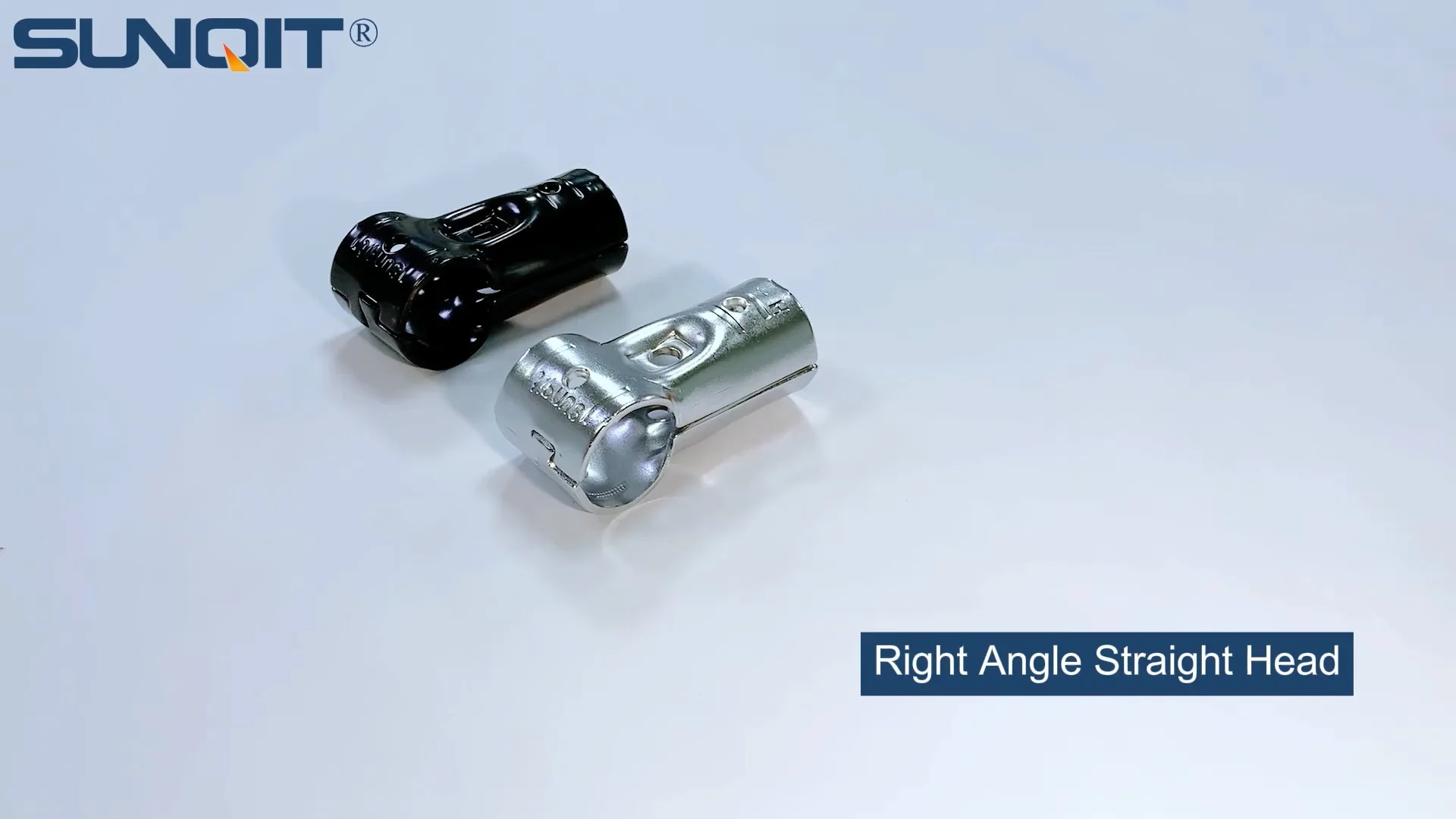
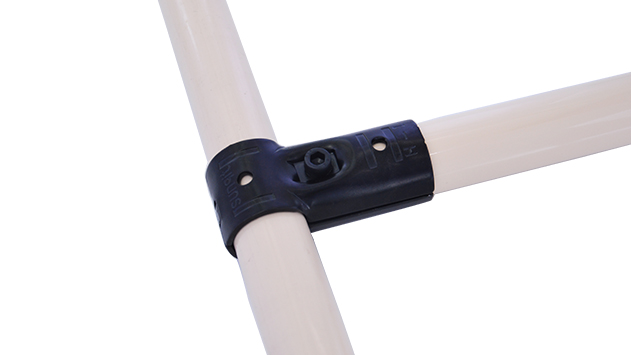
Two way lean pipe joint for 2 pcs 28MM lean pipe connection in straight angle, which used widely in workbench, flow rack, hand trolley frame connection.
Introduction: The Heart of Lean Manufacturing – Flexibility Matters
In the fast-paced world of manufacturing and warehousing, the ability to adapt is more than just a competitive advantage—it's a survival skill. Lean manufacturing, at its core, is about eliminating waste, streamlining processes, and creating systems that can evolve with changing demands. But here's the thing: lean isn't just a set of principles; it's a mindset that relies heavily on the tools and components that bring those principles to life. Imagine trying to build a house with only one type of nail, or cook a gourmet meal with a single knife. It's possible, but it's far from efficient. The same goes for lean operations: the right components turn rigid workflows into dynamic, responsive systems. And among those components, few are as quietly powerful as the two way lean pipe joint.
Walk into any well-optimized factory floor or warehouse, and you'll see it everywhere—from the workbenches where assemblers piece together products to the flow racks that keep materials moving smoothly. The two way lean pipe joint is the unsung hero of modular design, enabling teams to build, adjust, and rebuild structures with minimal effort. It's not just a connector; it's a bridge between standardization and customization, allowing businesses to create solutions that fit their unique needs without sacrificing the efficiency that lean demands. In this article, we'll dive deep into what makes the two way lean pipe joint so essential, how its design unlocks flexibility, and why it's become a cornerstone for lean system suppliers and operators alike.
Walk into any well-optimized factory floor or warehouse, and you'll see it everywhere—from the workbenches where assemblers piece together products to the flow racks that keep materials moving smoothly. The two way lean pipe joint is the unsung hero of modular design, enabling teams to build, adjust, and rebuild structures with minimal effort. It's not just a connector; it's a bridge between standardization and customization, allowing businesses to create solutions that fit their unique needs without sacrificing the efficiency that lean demands. In this article, we'll dive deep into what makes the two way lean pipe joint so essential, how its design unlocks flexibility, and why it's become a cornerstone for lean system suppliers and operators alike.
What is a Two Way Lean Pipe Joint? Breaking Down the Basics
Let's start with the fundamentals. A two way lean pipe joint is a mechanical component designed to connect two lengths of lean pipe (also known as "lean tube") at various angles, creating sturdy yet adjustable structures. Think of it as a versatile hinge that lets you build frames, shelves, workbenches, and more—all without welding, drilling, or specialized tools. Most commonly made from die-cast metal (often zinc or aluminum) with a plastic or rubber coating for durability and grip, these joints are engineered to balance strength and flexibility.
At first glance, it might look simple: a small, often T-shaped or L-shaped piece with holes or slots to accommodate the lean pipes. But the magic is in the details. The joint's interior is typically lined with a grippy material that holds the pipes securely when tightened, yet allows for easy loosening when adjustments are needed. Some designs include swivel mechanisms, letting pipes rotate relative to each other, while others are fixed at specific angles (like 90 degrees or 45 degrees) but still. The "two way" in its name refers to its ability to connect two pipes, but don't let that limit your imagination—when combined with other joint types (three-way, four-way, etc.), it becomes part of a modular toolkit that can create complex structures.
Lean pipes themselves are usually made of steel with a plastic coating (PE coated lean pipe) or aluminum (aluminum lean pipe), chosen for their lightweight, corrosion resistance, and strength. The two way joint is designed to work seamlessly with these pipes, ensuring a snug fit that can support the weight of tools, materials, or even entire workbenches. And because the connection is mechanical (not permanent), it's easy to disassemble and reuse components—a key principle of lean, where waste reduction includes minimizing scrap from outdated or broken structures.
At first glance, it might look simple: a small, often T-shaped or L-shaped piece with holes or slots to accommodate the lean pipes. But the magic is in the details. The joint's interior is typically lined with a grippy material that holds the pipes securely when tightened, yet allows for easy loosening when adjustments are needed. Some designs include swivel mechanisms, letting pipes rotate relative to each other, while others are fixed at specific angles (like 90 degrees or 45 degrees) but still. The "two way" in its name refers to its ability to connect two pipes, but don't let that limit your imagination—when combined with other joint types (three-way, four-way, etc.), it becomes part of a modular toolkit that can create complex structures.
Lean pipes themselves are usually made of steel with a plastic coating (PE coated lean pipe) or aluminum (aluminum lean pipe), chosen for their lightweight, corrosion resistance, and strength. The two way joint is designed to work seamlessly with these pipes, ensuring a snug fit that can support the weight of tools, materials, or even entire workbenches. And because the connection is mechanical (not permanent), it's easy to disassemble and reuse components—a key principle of lean, where waste reduction includes minimizing scrap from outdated or broken structures.
Design Flexibility: Why the Two Way Joint Stands Out
To truly appreciate the two way lean pipe joint, let's compare it to the alternatives. Traditional manufacturing setups often rely on fixed structures: welded steel frames, bolted shelves, or custom-built workbenches. These might be strong, but they're also static. If your production line needs to shift from assembling small electronics to larger appliances, you're stuck—either you live with inefficiencies, or you invest in a whole new setup. That's where the two way joint changes the game. Its design flexibility can be broken down into three key pillars: adjustability, reusability, and modularity.
Adjustability: Unlike fixed joints, which lock pipes into a single position, the two way lean pipe joint lets you tweak angles and positions with a simple turn of a wrench (or sometimes just by hand). Need to raise a workbench shelf by 6 inches to accommodate taller tools? Loosen the joint, adjust the pipe, retighten, and you're done. Building a flow rack that needs a slight incline to help materials glide? Rotate the joint to set the angle, and you're good to go. This adjustability means structures can evolve with your team's needs, whether that's adapting to new product sizes, ergonomic requirements, or workflow changes.
Reusability: In traditional setups, if a structure becomes obsolete, it's often scrapped—metal is recycled, wood is discarded, and you're left with waste. The two way joint, however, is built for a circular lifecycle. When a workbench is no longer needed, you can disassemble it, collect the joints and pipes, and use them to build something new: a turnover trolley, a material rack, or even a temporary storage shelf. This not only reduces waste but also cuts costs over time. A single set of joints and pipes can serve multiple purposes over years, making them a far more sustainable investment than one-and-done structures.
Modularity: The two way joint isn't meant to work alone. It's part of a ecosystem of lean components—rollers, casters, aluminum profile accessories, and other joint types (three-way, four-way) that together create endless possibilities. Want to add a roller track to your flow rack? Use a two way joint to connect the track to the main frame. Need to make a workbench mobile? Attach casters to the base with a few joints. This modularity turns individual parts into a toolkit, where the whole is far greater than the sum of its parts.
To put this into perspective, let's look at a quick comparison between traditional fixed joints and two way lean pipe joints:
Adjustability: Unlike fixed joints, which lock pipes into a single position, the two way lean pipe joint lets you tweak angles and positions with a simple turn of a wrench (or sometimes just by hand). Need to raise a workbench shelf by 6 inches to accommodate taller tools? Loosen the joint, adjust the pipe, retighten, and you're done. Building a flow rack that needs a slight incline to help materials glide? Rotate the joint to set the angle, and you're good to go. This adjustability means structures can evolve with your team's needs, whether that's adapting to new product sizes, ergonomic requirements, or workflow changes.
Reusability: In traditional setups, if a structure becomes obsolete, it's often scrapped—metal is recycled, wood is discarded, and you're left with waste. The two way joint, however, is built for a circular lifecycle. When a workbench is no longer needed, you can disassemble it, collect the joints and pipes, and use them to build something new: a turnover trolley, a material rack, or even a temporary storage shelf. This not only reduces waste but also cuts costs over time. A single set of joints and pipes can serve multiple purposes over years, making them a far more sustainable investment than one-and-done structures.
Modularity: The two way joint isn't meant to work alone. It's part of a ecosystem of lean components—rollers, casters, aluminum profile accessories, and other joint types (three-way, four-way) that together create endless possibilities. Want to add a roller track to your flow rack? Use a two way joint to connect the track to the main frame. Need to make a workbench mobile? Attach casters to the base with a few joints. This modularity turns individual parts into a toolkit, where the whole is far greater than the sum of its parts.
To put this into perspective, let's look at a quick comparison between traditional fixed joints and two way lean pipe joints:
| Feature | Traditional Fixed Joints | Two Way Lean Pipe Joints |
| Adjustability | Fixed angles; no post-assembly changes | Multi-angle adjustment; easy repositioning |
| Reusability | Often permanently welded or bolted; difficult to repurpose | Disassembles easily; components reused across projects |
| Assembly Time | Requires welding, drilling, or specialized tools; hours to days | Tool-free or simple wrench assembly; minutes to hours |
| Cost Over Time | High; need to replace entire structures when needs change | Low; adapt existing components instead of replacing |
| Application Flexibility | Limited to one specific use case | Adapts to workbenches, flow racks, trolleys, and more |
As the table shows, the two way lean pipe joint isn't just a better connector—it's a smarter approach to building lean systems. It turns "this is how we've always done it" into "how can we do it better tomorrow?"

Building Blocks of Custom Solutions: From Lean Pipe Workbenches to Flow Racks
Now that we understand why the two way lean pipe joint is so flexible, let's look at how it's applied in real-world scenarios. From the most basic workbench to complex material handling systems, this joint is the glue that holds custom lean solutions together. Let's explore two common applications: lean pipe workbenches and flow racks.
Picture this: A small electronics manufacturer needs a workbench for assembling circuit boards. The team includes workers of different heights, so the bench height needs to be adjustable. They also need shelves for tools, a tray for small components, and a static-free surface to protect sensitive electronics (hello, ESD workbench requirements). With traditional methods, this would require a custom-built bench, expensive and slow to modify. With two way joints, it's a breeze.
Start with four lean pipes for the legs, connected at the top with two way joints to form the frame. Add a top surface (often an aluminum honeycomb panel for durability and light weight). Then, use additional two way joints to attach vertical pipes for shelves—adjust the height of each shelf by sliding the joints up or down the legs. Need a tool rail? Connect a horizontal pipe across the back using two way joints. Want to add casters for mobility? Attach them to the base with, you guessed it, two way joints. If next month the team switches to assembling larger devices, simply adjust the shelf heights, or even add an extension using extra pipes and joints. It's customization without the custom price tag.
What makes this possible is the joint's ability to distribute weight evenly while still allowing movement. Even with multiple shelves and tools, the connections stay secure, but they're never permanent. A quick adjustment here, a new pipe there, and the workbench evolves with the job.
A typical flow rack has multiple levels, each fitted with roller tracks that let boxes or totes glide smoothly. The angle of these tracks is crucial—too steep, and materials might slide too fast; too shallow, and they might get stuck. The two way joint allows precise angle adjustment, ensuring the perfect incline for each level (which might vary based on the weight of the materials).
Let's say a warehouse needs a flow rack for small parts bins. The team starts with vertical lean pipes as the frame, connected horizontally with two way joints to form the rack's sides. Then, they attach roller tracks to these horizontal pipes using—you guessed it—two way joints. By rotating the joints, they set the tracks at a 5-degree angle, just enough for the bins to flow without tipping. If later they switch to larger, heavier boxes, they can adjust the joints to steepen the angle slightly. Need to add more levels? Just connect additional horizontal pipes with two way joints and attach new roller tracks. It's a system that grows with your inventory, not against it.
The beauty of using two way joints here is that the rack isn't just a storage solution—it's a dynamic part of the workflow. If a new production line opens up nearby, the rack can be disassembled and moved, or reconfigured to serve both lines. No more wasted space, no more underused equipment.
Lean Pipe Workbenches: Where Precision Meets Adaptability
A workbench is more than just a table—it's the command center for assemblers, technicians, and quality inspectors. It needs to be sturdy enough to support tools and materials, ergonomic enough to keep workers comfortable, and flexible enough to adapt to different tasks. Enter the two way lean pipe joint.Picture this: A small electronics manufacturer needs a workbench for assembling circuit boards. The team includes workers of different heights, so the bench height needs to be adjustable. They also need shelves for tools, a tray for small components, and a static-free surface to protect sensitive electronics (hello, ESD workbench requirements). With traditional methods, this would require a custom-built bench, expensive and slow to modify. With two way joints, it's a breeze.
Start with four lean pipes for the legs, connected at the top with two way joints to form the frame. Add a top surface (often an aluminum honeycomb panel for durability and light weight). Then, use additional two way joints to attach vertical pipes for shelves—adjust the height of each shelf by sliding the joints up or down the legs. Need a tool rail? Connect a horizontal pipe across the back using two way joints. Want to add casters for mobility? Attach them to the base with, you guessed it, two way joints. If next month the team switches to assembling larger devices, simply adjust the shelf heights, or even add an extension using extra pipes and joints. It's customization without the custom price tag.
What makes this possible is the joint's ability to distribute weight evenly while still allowing movement. Even with multiple shelves and tools, the connections stay secure, but they're never permanent. A quick adjustment here, a new pipe there, and the workbench evolves with the job.
Flow Racks: Keeping Materials Moving with Minimal Effort
In warehousing and manufacturing, stagnant materials are a form of waste. Flow racks (also called gravity flow racks) solve this by using gravity to move materials from the loading end to the picking end, ensuring first-in, first-out (FIFO) inventory management and reducing the need for manual handling. And again, the two way lean pipe joint is critical to making these racks effective.A typical flow rack has multiple levels, each fitted with roller tracks that let boxes or totes glide smoothly. The angle of these tracks is crucial—too steep, and materials might slide too fast; too shallow, and they might get stuck. The two way joint allows precise angle adjustment, ensuring the perfect incline for each level (which might vary based on the weight of the materials).
Let's say a warehouse needs a flow rack for small parts bins. The team starts with vertical lean pipes as the frame, connected horizontally with two way joints to form the rack's sides. Then, they attach roller tracks to these horizontal pipes using—you guessed it—two way joints. By rotating the joints, they set the tracks at a 5-degree angle, just enough for the bins to flow without tipping. If later they switch to larger, heavier boxes, they can adjust the joints to steepen the angle slightly. Need to add more levels? Just connect additional horizontal pipes with two way joints and attach new roller tracks. It's a system that grows with your inventory, not against it.
The beauty of using two way joints here is that the rack isn't just a storage solution—it's a dynamic part of the workflow. If a new production line opens up nearby, the rack can be disassembled and moved, or reconfigured to serve both lines. No more wasted space, no more underused equipment.

Material Synergy: Pairing with Aluminum Profiles and Accessories
The two way lean pipe joint is powerful on its own, but it becomes even more versatile when paired with other components—especially aluminum profiles. Aluminum profiles (also called aluminum extrusion profiles) are lightweight, strong, and feature T-slots that make attaching accessories a snap. When combined with two way joints, they create systems that are both sturdy and supremely adjustable.
Aluminum profiles are often used in place of traditional lean pipes for applications that need extra rigidity or a sleeker finish. For example, in cleanroom environments or industries where aesthetics matter (like automotive showrooms or high-end electronics manufacturing), aluminum profiles give structures a more polished look while maintaining modularity. The two way joint works seamlessly with these profiles, thanks to adapters and clamps designed to fit the T-slots. This means you can mix and match: use aluminum profiles for the main frame of a workbench, lean pipes for the shelves, and two way joints to connect them all.
Take, for instance, a material rack that needs to support heavy loads. Aluminum profiles provide the strength, while two way joints allow for adjustable shelving. Add aluminum profile accessories like end caps to protect against sharp edges, or rubber strips to dampen noise when placing materials. The result is a system that's not just functional but also safe and professional-looking.
Another example is roller track systems. Many flow racks use roller tracks with plastic or steel wheels to move materials. These tracks need to be securely mounted to the rack frame, and two way joints (paired with aluminum guide rails) make that mounting both strong and adjustable. Whether you're using plastic roller track guide rails (yellow for visibility, grey for a neutral look) or aluminum guide rails, the two way joint lets you align the tracks perfectly, ensuring smooth material flow. If a track gets damaged, you can replace just that section—no need to rebuild the entire rack.
The synergy between two way lean pipe joints and aluminum profiles (and their accessories) is a testament to the modular nature of lean manufacturing. It's not about using one component exclusively; it's about combining the best parts to create a solution that fits your unique needs. And that's where a trusted lean system supplier comes in—they can help you select the right mix of joints, pipes, profiles, and accessories to build exactly what you need, without overcomplicating things.
Aluminum profiles are often used in place of traditional lean pipes for applications that need extra rigidity or a sleeker finish. For example, in cleanroom environments or industries where aesthetics matter (like automotive showrooms or high-end electronics manufacturing), aluminum profiles give structures a more polished look while maintaining modularity. The two way joint works seamlessly with these profiles, thanks to adapters and clamps designed to fit the T-slots. This means you can mix and match: use aluminum profiles for the main frame of a workbench, lean pipes for the shelves, and two way joints to connect them all.
Take, for instance, a material rack that needs to support heavy loads. Aluminum profiles provide the strength, while two way joints allow for adjustable shelving. Add aluminum profile accessories like end caps to protect against sharp edges, or rubber strips to dampen noise when placing materials. The result is a system that's not just functional but also safe and professional-looking.
Another example is roller track systems. Many flow racks use roller tracks with plastic or steel wheels to move materials. These tracks need to be securely mounted to the rack frame, and two way joints (paired with aluminum guide rails) make that mounting both strong and adjustable. Whether you're using plastic roller track guide rails (yellow for visibility, grey for a neutral look) or aluminum guide rails, the two way joint lets you align the tracks perfectly, ensuring smooth material flow. If a track gets damaged, you can replace just that section—no need to rebuild the entire rack.
The synergy between two way lean pipe joints and aluminum profiles (and their accessories) is a testament to the modular nature of lean manufacturing. It's not about using one component exclusively; it's about combining the best parts to create a solution that fits your unique needs. And that's where a trusted lean system supplier comes in—they can help you select the right mix of joints, pipes, profiles, and accessories to build exactly what you need, without overcomplicating things.
Choosing the Right Lean System Supplier: Beyond the Joint
You could have the best two way lean pipe joints in the world, but if you don't have a reliable supplier to source them from, you're missing out on half the value. A good lean system supplier isn't just a vendor—they're a partner who understands your workflow, anticipates your needs, and provides the expertise to turn components into solutions.
So, what should you look for in a supplier? First, breadth of inventory. The best suppliers offer not just two way joints, but a full range of lean pipe and accessories: from different types of lean pipe (PE coated, stainless steel, aluminum) to casters, roller tracks, and ESD workbench components. This one-stop shop approach saves you time and ensures compatibility between parts—no more guessing if a caster will fit a pipe from a different brand.
Second, technical support. Building a custom flow rack or workbench might seem straightforward, but there are nuances: weight capacity, ergonomic heights, material flow angles. A good supplier has a team of experts who can help you design your system, recommend the right components (like which two way joint is best for a specific angle), and troubleshoot issues. They might even offer CAD drawings or templates to simplify the planning process.
Third, reliability. Lean operations can't afford downtime because a shipment of joints is delayed or a batch of pipes is defective. Look for suppliers with a track record of on-time deliveries and quality control. Read reviews, ask for references, and don't be afraid to test a small order before committing to a large one.
Finally, a commitment to lean principles themselves. The best suppliers practice what they preach—their own warehouses are organized, their processes are efficient, and they're always looking for ways to improve. This isn't just about getting good service; it's about learning from a partner who lives and breathes lean. They might share tips on how other customers have used two way joints to solve similar problems, or suggest new components that could further optimize your workflow.
So, what should you look for in a supplier? First, breadth of inventory. The best suppliers offer not just two way joints, but a full range of lean pipe and accessories: from different types of lean pipe (PE coated, stainless steel, aluminum) to casters, roller tracks, and ESD workbench components. This one-stop shop approach saves you time and ensures compatibility between parts—no more guessing if a caster will fit a pipe from a different brand.
Second, technical support. Building a custom flow rack or workbench might seem straightforward, but there are nuances: weight capacity, ergonomic heights, material flow angles. A good supplier has a team of experts who can help you design your system, recommend the right components (like which two way joint is best for a specific angle), and troubleshoot issues. They might even offer CAD drawings or templates to simplify the planning process.
Third, reliability. Lean operations can't afford downtime because a shipment of joints is delayed or a batch of pipes is defective. Look for suppliers with a track record of on-time deliveries and quality control. Read reviews, ask for references, and don't be afraid to test a small order before committing to a large one.
Finally, a commitment to lean principles themselves. The best suppliers practice what they preach—their own warehouses are organized, their processes are efficient, and they're always looking for ways to improve. This isn't just about getting good service; it's about learning from a partner who lives and breathes lean. They might share tips on how other customers have used two way joints to solve similar problems, or suggest new components that could further optimize your workflow.
Future-Proofing Your Operations: The Long-Term Value of Modular Components
In an era of constant change—new technologies, shifting consumer demands, and evolving regulations—future-proofing your operations is more important than ever. Investing in modular components like the two way lean pipe joint isn't just about solving today's problems; it's about preparing for tomorrow's challenges.
Consider this: A decade ago, many warehouses were designed for bulk storage, with tall racks and few automation tools. Today, e-commerce has transformed them into high-velocity fulfillment centers, where speed and accuracy are king. Companies that relied on fixed structures struggled to adapt—they had to tear out old racks, invest in new systems, and disrupt operations. Those that used modular components? They simply reconfigured their flow racks, adjusted their workbenches, and added new sections to accommodate smaller, faster-moving orders. The two way lean pipe joint made that transition possible, at a fraction of the cost and downtime.
Or take sustainability. As businesses face increasing pressure to reduce their environmental footprint, modular components offer a clear path to waste reduction. Instead of sending old structures to the landfill, you reuse the joints and pipes. Lean pipe and accessories are often made from recyclable materials, and their longevity means fewer resources are spent on replacements. It's a win-win: good for the planet, good for your bottom line.
Even in terms of workforce development, modular systems are a boon. New employees can learn to assemble and adjust structures using two way joints in minutes, not hours. This reduces training time and empowers teams to take ownership of their workspace—if a workbench isn't quite right, they can tweak it themselves, fostering a culture of continuous improvement.
The two way lean pipe joint, in short, is an investment in adaptability. It's a bet that your business will grow, change, and face new challenges—and that you'll be ready to meet them head-on, without being held back by rigid tools and structures.
Consider this: A decade ago, many warehouses were designed for bulk storage, with tall racks and few automation tools. Today, e-commerce has transformed them into high-velocity fulfillment centers, where speed and accuracy are king. Companies that relied on fixed structures struggled to adapt—they had to tear out old racks, invest in new systems, and disrupt operations. Those that used modular components? They simply reconfigured their flow racks, adjusted their workbenches, and added new sections to accommodate smaller, faster-moving orders. The two way lean pipe joint made that transition possible, at a fraction of the cost and downtime.
Or take sustainability. As businesses face increasing pressure to reduce their environmental footprint, modular components offer a clear path to waste reduction. Instead of sending old structures to the landfill, you reuse the joints and pipes. Lean pipe and accessories are often made from recyclable materials, and their longevity means fewer resources are spent on replacements. It's a win-win: good for the planet, good for your bottom line.
Even in terms of workforce development, modular systems are a boon. New employees can learn to assemble and adjust structures using two way joints in minutes, not hours. This reduces training time and empowers teams to take ownership of their workspace—if a workbench isn't quite right, they can tweak it themselves, fostering a culture of continuous improvement.
The two way lean pipe joint, in short, is an investment in adaptability. It's a bet that your business will grow, change, and face new challenges—and that you'll be ready to meet them head-on, without being held back by rigid tools and structures.
Conclusion: The Two Way Joint – A Small Part with a Big Impact
When we talk about lean manufacturing, we often focus on big-picture concepts: value streams, kaizen events, 5S methodologies. But the truth is, lean is built from the ground up—one component, one joint, one adjustment at a time. The two way lean pipe joint might be small in size, but its impact is enormous. It's the difference between a static workflow and a dynamic one, between wasteful inflexibility and agile efficiency.
From lean pipe workbenches that adapt to every worker's needs to flow racks that keep materials moving like clockwork, this joint is the backbone of custom lean solutions. It pairs seamlessly with aluminum profiles, roller tracks, and a host of accessories, turning simple pipes into powerful systems. And when sourced from a reliable lean system supplier, it becomes part of a partnership that helps your business grow and evolve.
So the next time you walk through your facility, take a closer look at those unassuming joints connecting pipes and profiles. They're not just holding things together—they're holding your lean journey together. They're a reminder that in lean, the smallest components often make the biggest difference. And in a world that won't stop changing, that's a difference worth investing in.
From lean pipe workbenches that adapt to every worker's needs to flow racks that keep materials moving like clockwork, this joint is the backbone of custom lean solutions. It pairs seamlessly with aluminum profiles, roller tracks, and a host of accessories, turning simple pipes into powerful systems. And when sourced from a reliable lean system supplier, it becomes part of a partnership that helps your business grow and evolve.
So the next time you walk through your facility, take a closer look at those unassuming joints connecting pipes and profiles. They're not just holding things together—they're holding your lean journey together. They're a reminder that in lean, the smallest components often make the biggest difference. And in a world that won't stop changing, that's a difference worth investing in.