- Company Articles
- Products and Technology
- Product knowledge
- Two Way Lean Pipe Joint for Mobile Workstations: Enhancing Production Flexibility

Two Way Lean Pipe Joint for Mobile Workstations: Enhancing Production Flexibility
Related Product
Two Way Lean Pipe Joint
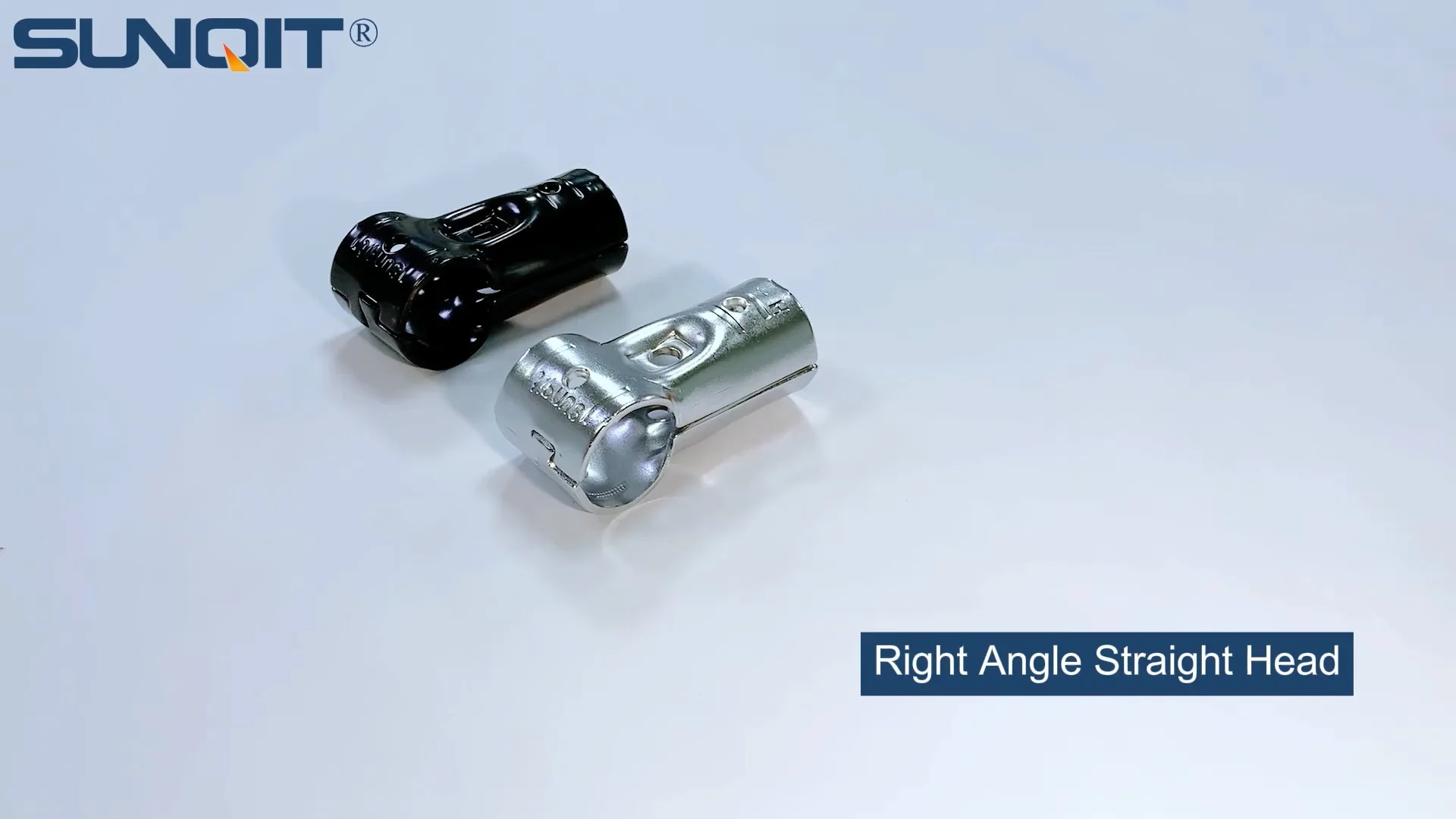
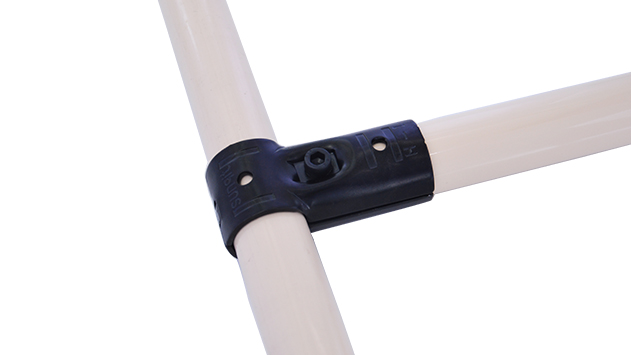
Two way lean pipe joint for 2 pcs 28MM lean pipe connection in straight angle, which used widely in workbench, flow rack, hand trolley frame connection.
Walk into any modern manufacturing facility, and you'll notice a common theme: adaptability. Production lines shift, workstations reconfigure, and material flows adjust—all to keep pace with changing orders, new product launches, or sudden demand spikes. In this fast-moving environment, the tools and components that hold these setups together aren't just hardware; they're the unsung heroes of operational agility. Among these, the two way lean pipe joint stands out as a quiet powerhouse, enabling the creation of mobile workstations that can pivot, grow, and evolve alongside your business.
But what makes this small, unassuming joint so critical? And how does it transform static production floors into dynamic, responsive ecosystems? Let's dive in. Whether you're a production manager looking to cut changeover times, a facility engineer tasked with optimizing workflow, or simply curious about the mechanics behind efficient manufacturing, understanding the role of the two way lean pipe joint is key to unlocking next-level flexibility.
What Is a Two Way Lean Pipe Joint, Anyway?
At first glance, a two way lean pipe joint might seem like little more than a metal connector. But looks can be deceiving. Designed to link two lengths of lean pipe (or aluminum profile, in some cases) at adjustable angles, this joint is the linchpin of modular construction. Think of it as a universal adapter for your production setup: it lets you build, break down, and rebuild structures without welding, drilling, or specialized tools.
Most two way joints are made from durable materials like zinc-plated steel or aluminum, chosen for their strength and resistance to wear. Their design is deceptively simple: a central hub with two threaded ports, allowing lean pipes to be inserted and secured with set screws or locking bolts. What sets them apart is their versatility—unlike fixed-angle joints, many two way models allow for 360-degree rotation or tilting, so you can set pipes at 90 degrees, 45 degrees, or any angle in between. This adjustability is what makes them ideal for mobile workstations, where rigidity is the enemy and adaptability is king.
But why "lean" pipe? The term comes from lean manufacturing principles—minimizing waste, maximizing efficiency, and focusing on value. Lean pipe systems (also called "flexible pipe systems") were developed to support these goals by creating lightweight, customizable structures that can be modified on the fly. And at the heart of that system? Joints like the two way, which turn basic pipes into everything from workbenches to flow racks to material carts.
Mobile Workstations: The Need for Flexibility
Mobile workstations are the workhorses of modern manufacturing. Unlike fixed benches bolted to the floor, these units roll freely, bringing tools, materials, and workspace directly to where they're needed. Imagine a team assembling circuit boards: one day, they're working on small components, requiring a compact, ergonomic setup. The next day, they're tasked with larger assemblies, needing extra table space and storage. A mobile workstation with a two way lean pipe joint can adapt in hours—no construction crew required.
But mobility alone isn't enough. These workstations must also be sturdy enough to support tools, heavy parts, and daily use. They need to integrate with other systems, like flow racks that feed materials directly to the line. And they must be easy to reconfigure so that even a small team can rearrange them without halting production. This is where the two way lean pipe joint shines. By connecting lean pipes (or aluminum profile) into frames, shelves, and supports, it creates structures that are both lightweight and robust—perfect for mounting casters, adding bins, or attaching tool holders.
Consider the lean pipe workbench , a staple in factories worldwide. A basic model might start as a simple tabletop on a frame of lean pipes, held together by two way joints. Need a shelf for parts bins? Add a crossbar with a few more joints. Want to mount a monitor arm? Screw it into a pipe extension secured by a two way joint. When the workstation needs to move, lock the caster wheels, roll it to the new location, and unlock—done. No disassembly, no downtime, no hassle.
How Two Way Lean Pipe Joints Enhance Production Flexibility
Let's break down the benefits of using two way lean pipe joints in mobile workstations. It's not just about connecting pipes—it's about empowering your team to take control of their workspace.
1. Quick Reconfiguration, Zero Downtime
Traditional production setups often require permanent installations. A welded steel workbench might last decades, but if your needs change next month, you're stuck. With two way lean pipe joints, reconfiguration is as simple as loosening a few screws. Need to add a second level to your workstation? Slide in a new pipe, tighten the joint, and you're done. Want to narrow the frame to fit through a tight doorway? Disconnect a joint, adjust the pipe length, and reconnect. This speed is a game-changer for industries with short product cycles, like electronics or consumer goods, where production lines might switch between products weekly.
2. Cost-Effective Scalability
Investing in custom-built furniture or fixed infrastructure is expensive—especially if you outgrow it in a year. Lean pipe systems, by contrast, are modular. You can start small: a single lean pipe workbench with a few two way joints. As your team grows, add more pipes and joints to expand the workspace. If demand drops, disassemble excess structures and store the components for later. This scalability means you only pay for what you need, when you need it—no wasted budget on underused equipment.
3. Compatibility with Other Lean Components
A two way lean pipe joint doesn't work in isolation. It plays well with a host of other lean manufacturing tools, creating a cohesive ecosystem. Pair it with flow racks , for example, and you've got a material handling system that delivers parts directly to the workstation. Flow racks, built with the same lean pipes and joints, use gravity to feed components to operators, reducing walking time and errors. Since both the workstation and the flow rack use two way joints, you can align their heights, widths, and positions perfectly—no mismatched systems, no jury-rigged solutions.
Then there are caster wheels . Attach a set to the base of your lean pipe workstation, and suddenly it's mobile. Two way joints ensure the caster mounts are secure, even when the workstation is loaded with tools or materials. Lock the casters in place, and the unit stays steady during use; unlock them, and it glides across the floor. This mobility is especially valuable in facilities with shared workspaces, where teams might need to rotate use of specialized equipment.
4. Durability Without the Weight
Lean pipes (often made of steel with a plastic coating) are strong but lightweight. When combined with two way joints, they create structures that can support hundreds of pounds without being cumbersome. This is critical for mobile workstations, which need to be easy to move but tough enough for daily use. Unlike wooden workbenches that warp or plastic tables that crack, lean pipe systems with metal joints stand up to spills, impacts, and heavy loads—making them a long-term investment.

Two Way Joint vs. Other Lean Pipe Joints: A Comparison
Not all lean pipe joints are created equal. While the two way joint is versatile, other types serve specific purposes. Let's compare the two way joint with three common alternatives to see when it's the best choice for mobile workstations.
| Joint Type | Flexibility | Load Capacity | Ease of Assembly | Best For |
|---|---|---|---|---|
| Two Way Lean Pipe Joint | High (adjustable angles, 360° rotation in some models) | Medium-High (supports 100-300 lbs per joint, depending on material) | Easy (no tools needed for basic adjustments) | Mobile workstations, small flow racks, simple shelving |
| Three Way Lean Pipe Joint | Medium (connects three pipes, fixed or limited rotation) | High (distributes weight across three points) | Moderate (requires alignment of three pipes) | Multi-level workbenches, corner structures, heavy-duty racks |
| Fixed 90° Joint | Low (permanent right angle) | High (rigid connection resists torque) | Easy (snap-on or screw-on designs) | Static frames, wall-mounted shelves, non-adjustable structures |
| Swivel Joint | Very High (full 360° rotation, tilting) | Low-Medium (best for light loads) | Easy (ball-bearing or hinge design) | Tool holders, adjustable monitors, temporary partitions |
As the table shows, the two way joint strikes a balance between flexibility, strength, and ease of use—making it ideal for mobile workstations. Its ability to adjust angles means you can design workstations that fit odd spaces, while its load capacity ensures it can handle the tools and materials your team needs. And since it's easy to assemble, even new employees can learn to reconfigure the setup in minutes.

Real-World Impact: A Case Study
Let's put this into context with a real example. A mid-sized automotive parts manufacturer was struggling with changeover times. Their production line built two types of components: small brackets and large engine mounts. Switching between the two required reconfiguring workbenches, moving tool chests, and adjusting material flow—tasks that took 4-6 hours, eating into production time.
The solution? They invested in lean pipe workstations built with two way lean pipe joints and caster wheels. Here's what happened:
- Day 1: Assemble small brackets on compact workstations with low shelves for small parts bins.
- Changeover: Loosen the two way joints, add longer pipes to widen the workbench, attach taller shelves for engine mount tools, and roll the units into new positions. Total time: 45 minutes.
- Day 2: Build large engine mounts on the reconfigured workstations, with flow racks (also built with two way joints) feeding larger components directly to the line.
The result? Changeover time dropped by 87%, and the team could now run two production shifts instead of one. By the end of the quarter, the manufacturer had increased output by 30%—all because they swapped rigid workbenches for modular setups built around two way lean pipe joints.
Beyond Workstations: Other Uses for Two Way Lean Pipe Joints
While mobile workstations are a primary application, two way lean pipe joints are versatile enough to power other lean tools. Here are a few examples:
Material Carts
Need to transport parts from the warehouse to the line? Build a cart with lean pipes, two way joints, and caster wheels. Add sides to prevent spills, or a flatbed for pallets. When you no longer need it, disassemble the joints and store the pipes—no bulky cart taking up space.
Temporary Storage Racks
Seasonal demand spikes? Use two way joints to build quick storage racks for excess inventory. Adjust the shelf heights with the joints to fit different box sizes, then take the rack down when demand subsides.
Ergonomic Work Aids
Height-adjustable keyboard trays, monitor mounts, or tool hangers—all can be built with lean pipes and two way joints. Since the joints allow for angle adjustments, you can tailor the setup to each operator's height and preferences, reducing strain and improving comfort.
Maintenance Tips: Keeping Your Joints (and Workstations) in Top Shape
Like any tool, two way lean pipe joints need a little care to perform their best. Here's how to keep them (and your mobile workstations) running smoothly:
Inspect Regularly
Check joints monthly for looseness. Tighten set screws or bolts if they're wobbly—even a slightly loose joint can reduce stability over time.
Clean and Lubricate
Wipe down joints with a damp cloth to remove dust and debris. If your joints have moving parts (like swivel models), apply a small amount of lubricant to keep them rotating smoothly.
replace Worn Parts
Caster wheels take a lot of abuse—replace them if they start to stick or wobble. Similarly, if a joint's threads are stripped or it no longer locks securely, swap it out for a new one. Most lean pipe suppliers sell replacement joints affordably.
Train Your Team
Make sure everyone knows how to safely adjust joints and reconfigure workstations. A quick 10-minute training session can prevent accidents and ensure setups are built correctly.
The Future of Production: Why Modularity Matters More Than Ever
As manufacturing evolves—with trends like small-batch production, customization, and Industry 4.0—modularity will only grow in importance. Factories can't afford to be tied to rigid setups when customer demands change overnight. The two way lean pipe joint, simple as it is, is a cornerstone of this modular future. It puts the power to adapt in the hands of the people who use the equipment daily—your team.
Imagine a production floor where workstations aren't just tools, but extensions of your team's creativity. A line worker notices a bottleneck and, using two way joints, reconfigures their workstation to fix it—no manager approval, no waiting for maintenance. That's the promise of lean pipe systems: empowering employees to own their workspace, drive efficiency, and respond to challenges in real time.
Final Thoughts: Small Joint, Big Impact
The two way lean pipe joint might not be the flashiest technology in your factory, but it's one of the most powerful. It turns ordinary pipes into extraordinary tools—mobile workstations that adapt, flow racks that flex, and material carts that go where they're needed. It reduces waste, cuts costs, and puts flexibility at the center of your production strategy.
So the next time you walk through your facility, take a closer look at those unassuming metal joints. They're not just holding pipes together—they're holding your business's ability to adapt, grow, and thrive in a world that never stops changing. And in manufacturing, that's not just an advantage—it's everything.