- Company Articles
- Products and Technology
- Product knowledge
- Two Way Lean Pipe Joint for Trolleys: Enhancing Mobility in Production Lines

Two Way Lean Pipe Joint for Trolleys: Enhancing Mobility in Production Lines
Related Product
Two Way Lean Pipe Joint
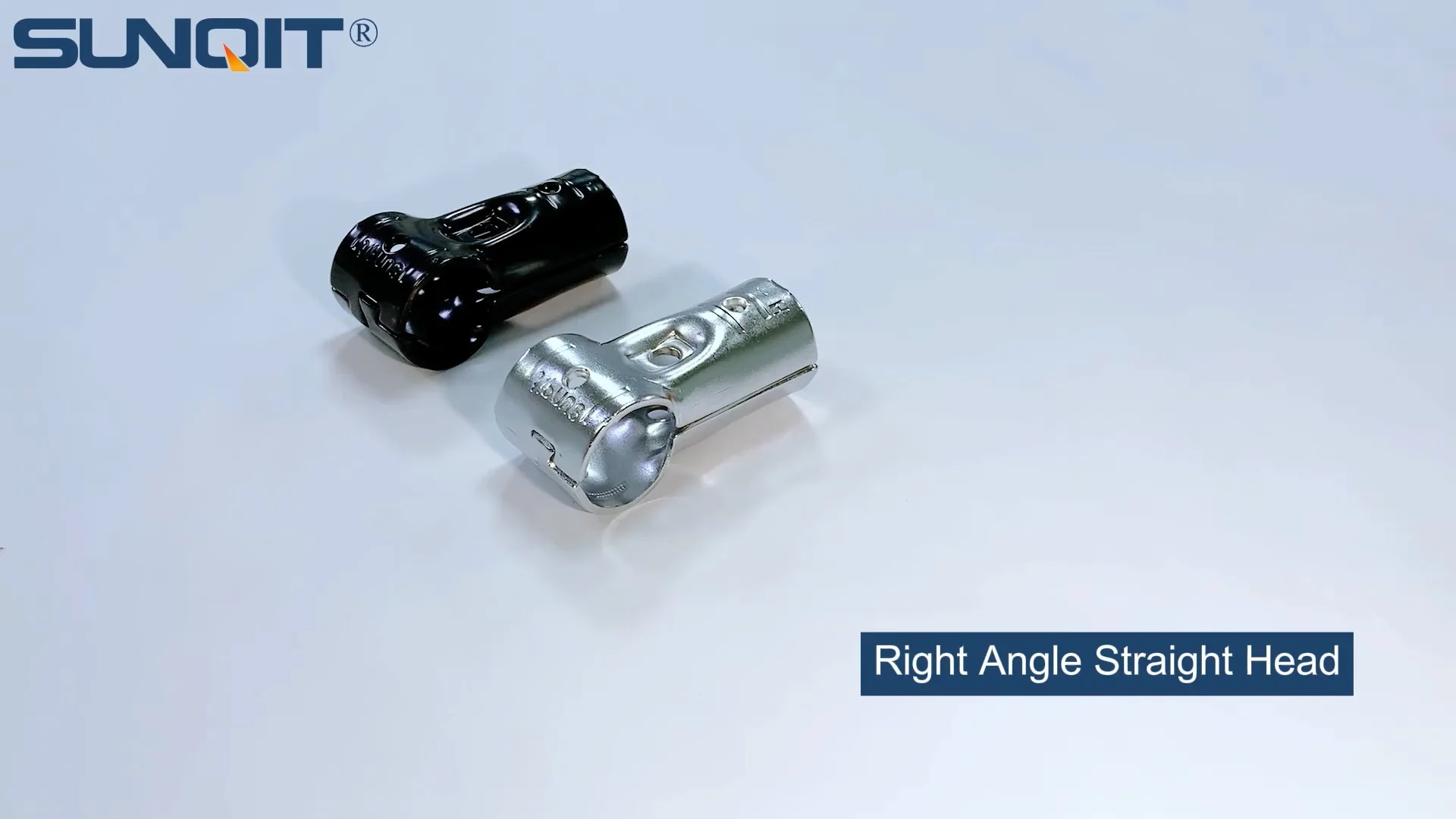
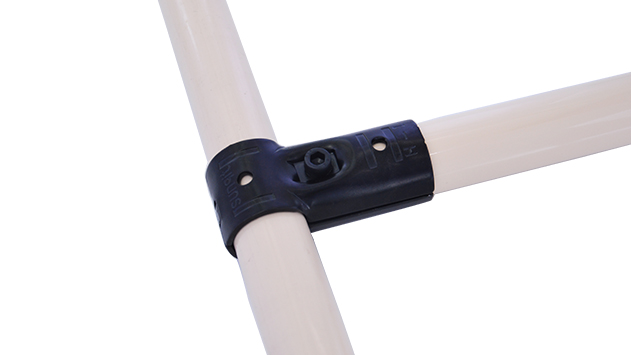
Two way lean pipe joint for 2 pcs 28MM lean pipe connection in straight angle, which used widely in workbench, flow rack, hand trolley frame connection.
Walk into any busy manufacturing facility, and you'll notice a silent but critical player in the daily workflow: the humble trolley. From moving raw materials to transporting finished products, trolleys are the unsung heroes of production line efficiency. But not all trolleys are created equal. Many facilities still rely on rigid, one-size-fits-all carts that struggle to adapt to changing production needs—whether it's a new product line, a shift in material sizes, or a sudden increase in order volume. This rigidity often leads to wasted time, strained workers, and bottlenecks that ripple through the entire operation. Enter the two way lean pipe joint : a small but mighty component that's revolutionizing how production teams build, adapt, and use trolleys. In this article, we'll explore how this unassuming part, paired with lean pipe and accessories , is transforming mobility on the factory floor, making turnover trolleys and racks more flexible, durable, and worker-friendly than ever before.
The Problem with Rigid Trolleys: Why Mobility Matters More Than You Think
Before diving into the solution, let's first understand the problem. Traditional trolleys are often built with fixed frames—welded steel or bolted wood—that lock them into a single configuration. Need to add a shelf to fit taller components? You'll likely need to weld on new brackets or buy an entirely new trolley. Want to reduce the cart's width to navigate a narrow aisle during peak hours? Unless you have a saw and a welder on hand, you're out of luck. This lack of adaptability creates three major pain points for production lines:
1. Wasted Space and Material Overload : A trolley that's too large for small parts leaves empty gaps, forcing workers to make extra trips to transport the same volume of materials. Conversely, a trolley that's too small crams items together, risking damage or making it hard to access what's needed quickly.
2. Worker Fatigue and Safety Risks : Ill-fitting trolleys often require awkward lifting or pushing. A cart with unbalanced weight distribution (common in rigid designs) can strain backs or cause trips and falls. Over time, this leads to increased absenteeism and higher workers' compensation claims.
3. Slow Response to Change : In today's fast-paced manufacturing landscape, production lines must pivot quickly. A new product launch, a rush order, or a supplier's change in packaging size can render rigid trolleys obsolete overnight, leaving teams scrambling to find workarounds.
These issues aren't just nuisances—they hit the bottom line. A 2023 study by the Manufacturing Performance Institute found that inefficient material handling (including rigid trolley systems) costs U.S. factories an average of $4.3 million annually in lost productivity. The good news? The solution doesn't require a complete overhaul of your facility. It starts with rethinking how you build your trolleys, beginning with the joints that hold them together.
What Is a Two Way Lean Pipe Joint? The Building Block of Flexible Mobility
At its core, a lean pipe joint is a connector that joins lengths of lean pipe (also called "lean tube") to form structures like trolleys, racks, and workbenches. Unlike traditional welded or glued joints, lean pipe joints are modular, meaning they can be easily assembled, disassembled, and reconfigured without special tools. But not all lean pipe joints are the same. The two way lean pipe joint, as the name suggests, connects two pipes at a fixed or adjustable angle (typically 90 degrees, though some models allow for rotation). Its design is deceptively simple: a metal (often aluminum or steel) housing with internal grips that lock onto the ends of lean pipes when tightened. A single bolt or lever secures the joint, creating a sturdy connection that can withstand the bumps and jostles of daily use.
What makes the two way joint stand out is its balance of strength and flexibility. Let's break down its key features:
Tool-Free Assembly : Most two way joints use a hand-tightened bolt or a quick-release lever, eliminating the need for wrenches, drills, or welders. A worker with minimal training can assemble a basic trolley frame in under 30 minutes.
Reusability : Unlike welded joints, which are permanently fixed, two way lean pipe joints can be disassembled and reused. If a trolley is no longer needed, its pipes and joints can be repurposed to build a new rack or workbench—reducing waste and cutting down on replacement costs.
Load-Bearing Capacity : Don't let their simplicity fool you. High-quality two way joints (made from aluminum or stainless steel) can support up to 150 kg per connection, depending on the pipe thickness and material. This makes them suitable for heavy-duty applications, from transporting metal parts to stacking boxes of finished goods.
Compatibility : Two way joints are designed to work with standard lean pipe sizes (typically 28mm or 30mm diameter), making them easy to pair with other lean pipe and accessories like casters, shelves, and side rails. This compatibility ensures you can mix and match components to create a trolley tailored to your exact needs.
A Closer Look: How Two Way Joints Compare to Other Lean Pipe Joints
To understand why two way joints are ideal for trolleys, it helps to compare them to other common joint types. Let's take a look at a few alternatives:
| Joint Type | Best For | Flexibility | Assembly Time | Common Use Case |
|---|---|---|---|---|
| Two Way Lean Pipe Joint | Simple frames (trolley sides, vertical supports) | Medium (fixed angle, easy to reposition) | 5–10 minutes per joint | Turnover trolley shelves, workbench legs |
| Three Way Lean Pipe Joint | Complex structures (multi-shelf racks) | High (connects three pipes at once) | 10–15 minutes per joint | Material rack B (3 row and 3 floor) |
| Fixed 90-Degree Joint | Non-adjustable frames (heavy machinery bases) | Low (permanently fixed angle) | 8–12 minutes per joint | Stationary workbench frames |
| Swivel Joint | Rotating components (adjustable shelves) | Very high (360-degree rotation) | 12–18 minutes per joint | Workbench E (single deck-without caster) with tilt shelves |
For trolleys, two way joints strike the perfect balance. They're simpler and faster to assemble than swivel or three way joints, yet more flexible than fixed 90-degree joints. This makes them ideal for building the basic frame of a trolley—think vertical supports, horizontal side rails, and cross-braces—while leaving room to add specialized components (like adjustable shelves) using other joint types if needed.
Building Better Trolleys: How Two Way Joints Transform Turnover Trolley and Rack Design
Now that we understand what two way lean pipe joints are, let's explore how they're used in practice—specifically, in turnover trolley and rack systems. Turnover trolleys (also called "material handling carts") are designed to move goods between workstations, storage areas, and shipping docks. They're the backbone of just-in-time (JIT) manufacturing, ensuring materials arrive exactly when and where they're needed. With two way joints, these trolleys become more than just carts—they become adaptable tools that grow and change with your production line.
Case Study: From Rigid to Flexible—A Day in the Life of a Furniture Manufacturer
Let's walk through a hypothetical but realistic example. Imagine a mid-sized furniture factory that produces dining chairs. Their production line involves five stations: cutting wood, assembling frames, attaching cushions, painting, and packaging. For years, they used rigid wooden trolleys with fixed shelves to move chair frames between stations. The frames came in three sizes (small, medium, large), but the trolleys only fit the medium size—meaning workers had to stack small frames awkwardly (risking scratches) or make extra trips for large frames. Worse, when the factory launched a new line of bar stools (with narrower frames), the existing trolleys were too wide to fit through the new workstation aisles. The solution? Switching to two way lean pipe joint trolleys.
Here's how it worked: The factory purchased aluminum lean pipes, two way joints, and a set of caster wheels (to add mobility). Using the two way joints, they built a base frame with adjustable vertical supports. By loosening the joint bolts, workers could slide the pipes up or down to create shelves of different heights—tall enough for large chair frames, short enough for stools. They also added removable side rails (connected with two way joints) to prevent items from falling off during transport. The result? A single trolley design that could adapt to all frame sizes, reducing trips by 40% and cutting down on product damage by 65%. Best of all, when the factory later expanded into outdoor furniture (with bulkier cushions), they simply disassembled the old trolleys and rebuilt them with wider frames—no new materials needed.
Key Design Tips: Building a Two Way Joint Trolley That Works for You
Ready to build your own? Here are a few practical tips to ensure your two way joint trolley meets your needs:
Start with the Base : The trolley's base frame is critical for stability. Use two way joints to connect four vertical pipes (legs) to two parallel horizontal pipes (the "rails"). For added strength, add cross-braces (diagonal pipes connected with two way joints) between the legs—this prevents the frame from wobbling when loaded.
Choose the Right Caster Wheels : Caster wheels are the "feet" of your trolley, so don't skimp on quality. Opt for heavy-duty casters with lockable brakes (to keep the trolley stationary during loading/unloading) and rubber or polyurethane wheels (to reduce noise and protect factory floors). Attach casters to the base frame using specialized caster mounts, which can be connected to the legs with—you guessed it—two way joints.
Add Adjustable Shelves : Use two way joints to attach horizontal pipes (shelves) to the vertical supports. Space the joints evenly to distribute weight, and leave extra holes or marks on the vertical pipes so you can easily reposition shelves later. For extra stability, add side rails along the shelves (connected with two way joints) to keep items from sliding off.
Don't Overcomplicate : While two way joints are flexible, there's no need to over-engineer. Start with a simple design (base frame + two shelves) and add features (like tool hooks or storage bins) as needed. Remember: the goal is to make the trolley easy to use, not to create a Frankenstein's monster of pipes and joints.

Beyond Trolleys: How Two Way Joints Support the Entire Lean Ecosystem
While two way lean pipe joints shine in trolley design, their utility doesn't stop there. They're part of a broader lean pipe and accessories ecosystem that includes workbenches, racks, and flow systems—all designed to work together seamlessly. Let's explore how two way joints integrate with these other components to create a cohesive, efficient workspace.
Workbenches: From Static to Adaptable
Workbenches are another staple of the production line, and two way joints can make them just as flexible as trolleys. A standard workbench might have a fixed height and a single flat surface, but with two way joints, you can build a bench that adjusts to worker heights, adds tool storage, or even integrates with conveyor systems. For example, a electronics assembly line might use a workbench with a lower shelf (connected via two way joints) to hold component bins, and a raised back rail (also with two way joints) to hang soldering irons or cable organizers. If a new worker joins the line who needs a taller bench, simply loosen the joints, adjust the legs, and retighten—no sawing or sanding required.
Racks and Storage Systems
Two way joints are also ideal for building storage racks, especially in dynamic environments where inventory needs change seasonally. A clothing manufacturer, for instance, might use two way joints to build a rack that can expand from 5 shelves to 10 shelves during peak production, then shrink back down during slower months. Because the joints are reusable, the rack can be reconfigured without buying new materials, saving space and money.
Flow Racks and Conveyors
In facilities that use flow racks (gravity-fed systems for storing and dispensing materials), two way joints help create angled tracks that guide items toward the front. By adjusting the angle of the joints, workers can control how quickly materials flow—preventing jams and ensuring a steady supply to the production line. Similarly, in conveyor systems, two way joints can support side rails or guide posts that keep items centered on the belt, reducing misfeeds and downtime.

Choosing the Right Two Way Lean Pipe Joint: Materials, Quality, and Supplier Tips
Not all two way lean pipe joints are created equal. To ensure your trolleys and structures stand the test of time, it's important to choose high-quality components from reputable suppliers. Here's what to look for:
Material Matters : Two way joints are typically made from one of three materials: aluminum, steel, or plastic. Aluminum is lightweight (great for mobile trolleys), corrosion-resistant (ideal for humid environments), and affordable. Steel is stronger (better for heavy loads) but heavier and prone to rust if not coated. Plastic joints are lightweight and cheap but best for light-duty use (e.g., in offices or labs, not factories). For most manufacturing applications, aluminum or steel joints are the way to go.
Coatings and Finishes : Look for joints with a protective coating, like zinc plating (for steel) or anodizing (for aluminum). These coatings prevent rust and wear, extending the joint's lifespan. For ESD-sensitive environments (like electronics manufacturing), opt for conductive coatings that dissipate static electricity, protecting sensitive components from damage.
Supplier Reliability : When sourcing joints, prioritize suppliers who specialize in lean pipe and accessories . They'll have a deeper understanding of your needs and can offer technical support if you run into issues. Ask for samples before placing a large order to test the joint's strength and ease of use. Also, check if the supplier offers bulk discounts or warranties—this can save money in the long run.
The Future of Mobility: Why Two Way Joints Are Here to Stay
As manufacturing continues to evolve—with trends like automation, customization, and sustainability taking center stage—flexibility will only become more critical. Two way lean pipe joints align perfectly with this future. They support automation by allowing trolleys to integrate with robotic arms (via adjustable heights and widths). They enable customization by letting teams build unique solutions for niche products. And they promote sustainability by reducing waste (through reusability) and cutting down on carbon footprints (by minimizing the need for new materials).
In a world where production lines can't afford to stand still, the two way lean pipe joint is more than a component—it's a tool for resilience. It empowers workers to adapt, innovate, and keep pace with change, one joint at a time.
Final Thoughts: Small Joints, Big Impact
At the end of the day, the two way lean pipe joint is a reminder that innovation in manufacturing doesn't always come from flashy new machines or high-tech software. Sometimes, the most powerful solutions are the simplest ones: a well-designed connector that lets workers build, adapt, and thrive. Whether you're a small workshop or a large factory, investing in two way joints and lean pipe and accessories isn't just about building better trolleys—it's about building a more efficient, flexible, and worker-centric production line. And in today's fast-paced world, that's not just an advantage—it's a necessity.