- Company Articles
- Products and Technology
- Product knowledge
- Two Way Lean Pipe Joint in Electronic Component Storage Racks

Two Way Lean Pipe Joint in Electronic Component Storage Racks
Related Product
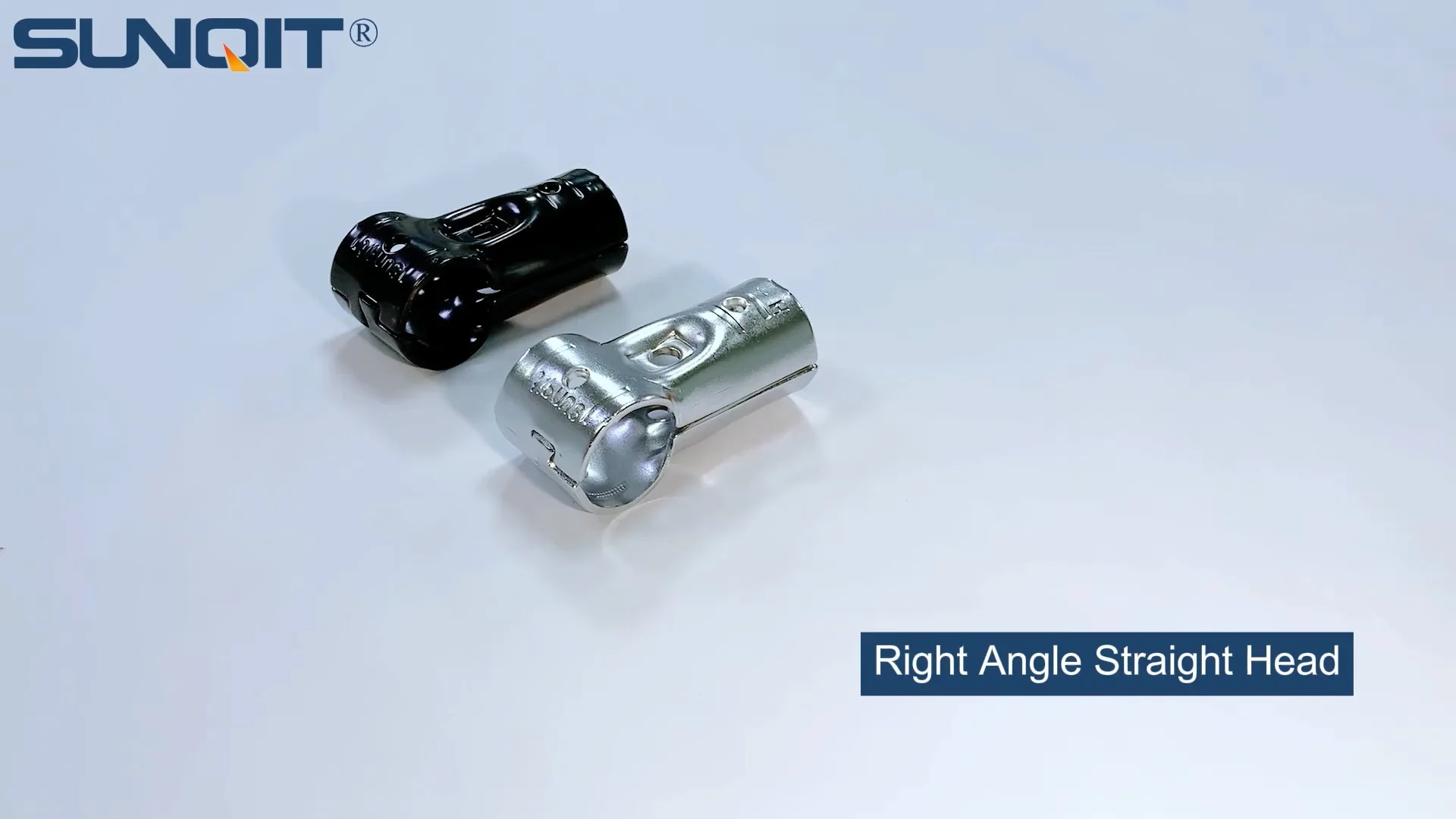
Two Way Lean Pipe Joint
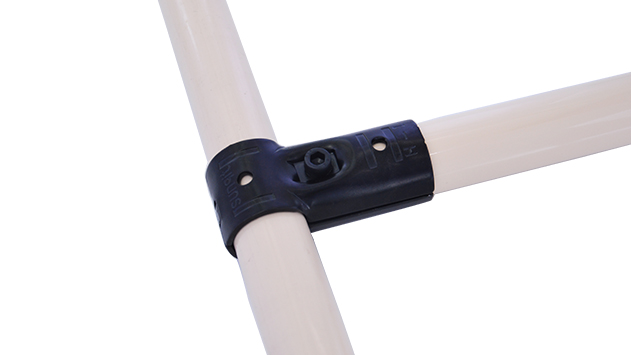
Two way lean pipe joint for 2 pcs 28MM lean pipe connection in straight angle, which used widely in workbench, flow rack, hand trolley frame connection.
Walk into any modern electronics manufacturing facility, and you'll notice a common challenge: keeping tiny components—resistors, capacitors, IC chips, and diodes—organized, accessible, and safe from damage. These small parts are the building blocks of everything from smartphones to industrial circuit boards, but their size makes them surprisingly tricky to manage. Misplaced components slow down production, damaged parts drive up costs, and cluttered workspaces create inefficiencies that ripple through the entire assembly line. This is where modular storage solutions, built around components like the two way lean pipe joint, shine. In this article, we'll explore how this unassuming but critical part transforms electronic component storage, making workshops more efficient, adaptable, and productive.
What Is a Two Way Lean Pipe Joint, Anyway?
Before diving into its role in storage racks, let's break down what a two way lean pipe joint is. At its core, it's a connector designed to join two lengths of lean pipe at a fixed angle—most commonly 90 degrees, though some models offer adjustability. Think of it as the "cornerstone" of modular structures: lean pipe (a lightweight, durable tubing, often made of steel with a plastic coating or aluminum) forms the frame, and joints like this hold everything together. Unlike welded or bolted connections, two way joints are easy to assemble, disassemble, and reconfigure—no special tools required. This flexibility is why they've become a staple in lean manufacturing environments, where adaptability is key.
Most two way lean pipe joints are made from heavy-duty plastic, steel, or aluminum. Plastic variants are lightweight and cost-effective, ideal for lighter loads, while steel or aluminum joints handle heavier components—important when storing bulkier electronic parts like transformers or heat sinks. The joint itself typically features two cylindrical openings (to fit the lean pipe) and a locking mechanism, often a setscrew or clamp, that tightens to secure the pipes in place. Some designs even include rubber gaskets or ESD (electrostatic discharge) coatings, which are critical for electronic components; ESD-safe materials prevent static electricity from damaging sensitive chips, a small detail that saves manufacturers thousands in ruined inventory.
Why Electronic Component Storage Needs the Two Way Lean Pipe Joint
Electronic component storage isn't just about "putting things on shelves." It requires precision: parts must be visible at a glance, easy to grab without bending or stretching, and protected from dust, moisture, and static. Fixed wooden or metal racks fall short here—they're rigid, hard to modify, and often overkill for small parts. Modular racks built with lean pipe and two way joints, however, solve these problems in several ways.
1. Customizable Layouts for Tiny Parts
Electronic components come in all shapes and sizes: from 0402 resistors (smaller than a grain of rice) to large capacitors the size of a AA battery. A one-size-fits-all storage rack simply won't work. With two way lean pipe joints, you can design racks with shelves, bins, and dividers tailored to specific parts. For example, use shorter lean pipe segments and two way joints to create shallow bins for tiny chips, or longer segments for deeper bins holding bulkier items. Need to add a new shelf when a new component line launches? Just loosen the joints, adjust the pipes, and re-tighten—no need to buy a whole new rack.
2. Adaptability as Production Needs Change
Electronics manufacturing is fast-paced. A factory might produce smartwatch components one month and shift to IoT sensors the next. Fixed racks can't keep up—they either waste space or become obsolete. Lean pipe systems with two way joints, though, are "future-proof." Let's say your team starts using larger PCBs (printed circuit boards); you can quickly reconfigure the storage rack by adding taller shelves using extra lean pipe and two way joints. Or, if you adopt a new picking process that requires bins to be angled for easier access, adjust the joint angles (with adjustable models) to tilt shelves—no saws, drills, or contractors needed.
3. Cost-Effective and Sustainable
Wasted money on storage is a silent killer for electronics manufacturers. Traditional racks are expensive to replace, and modifying them often means hiring a welder or carpenter. Two way lean pipe joints eliminate this waste. Since they're reusable, you can repurpose old racks for new needs—take apart a shelving unit used for capacitors and rebuild it as a flow rack for PCBs. This reusability cuts down on material costs and reduces landfill waste, aligning with sustainability goals many modern factories prioritize.
4. Safety First: ESD Protection and Stability
For electronic components, static electricity is enemy number one. A single electrostatic discharge can fry a $50 IC chip in milliseconds. Many two way lean pipe joints are available in ESD-safe versions, made with conductive materials that ground static charges. When paired with ESD lean pipe and ESD workbench surfaces, they create a fully protected storage system. Additionally, two way joints provide stable connections that prevent racks from wobbling or collapsing—critical when storing heavy bins of components. Unlike flimsy plastic shelving that bends under weight, a well-built lean pipe rack with sturdy two way joints can support hundreds of pounds, ensuring safety for both parts and workers.
Building a Storage Rack: How Two Way Joints Work with Lean Pipe and Accessories
To understand the two way lean pipe joint's role, let's walk through building a simple electronic component storage rack. Here's what you'll need: lean pipe (say, 28mm diameter, the most common size), two way lean pipe joints, shelf boards (often plywood, aluminum, or ESD-safe plastic), and optional accessories like bin dividers or label holders. The process is surprisingly straightforward:
- Frame Assembly: Cut four lengths of lean pipe for the vertical posts (height depends on how many shelves you want). Use two way joints to connect horizontal pipes at the top and bottom of the posts, forming a rectangular frame. For a 4-shelf rack, add horizontal pipes at 16-inch intervals using additional two way joints—these will support the shelves.
- Shelf Installation: Place shelf boards on the horizontal pipes. For extra stability, add diagonal braces (using three way joints, a cousin of the two way) between the vertical posts. This prevents the rack from swaying when bins are added or removed.
- Bin and Divider Setup: Attach bin rails or dividers to the shelves using smaller lean pipe segments and two way joints. These dividers keep components separated—no more mixing resistors and capacitors!
- Labeling: Add label holders (often clipped onto the lean pipe) to each bin, so workers can quickly identify parts without rummaging. Done!
The beauty here is that every step is reversible. If next month you need taller shelves for larger components, just loosen the two way joints, adjust the horizontal pipes, and tighten them back up. It's like building with giant Tinkertoys—intuitive, flexible, and infinitely adaptable.

Comparing Lean Pipe Joints: Why Two Way Stands Out for Storage
Two way joints aren't the only game in town—there are three way, four way, and even swivel joints, each with its own purpose. To see why two way joints are ideal for electronic component storage, let's compare them:
| Joint Type | Number of Pipe Connections | Best For | Load Capacity (Typical) | Key Advantage |
|---|---|---|---|---|
| Two Way Lean Pipe Joint | 2 | Right-angle corners, vertical/horizontal frames, simple shelves | 50–150 kg (per joint) | Simplicity and stability for basic rack structures |
| Three Way Lean Pipe Joint | 3 | Adding cross-braces, T-junctions, or diagonal supports | 40–120 kg (per joint) | Adds structural rigidity to larger racks |
| Four Way Lean Pipe Joint | 4 | Complex structures like multi-sided workstations or flow racks | 30–100 kg (per joint) | Enables 3D designs (e.g., cubic storage units) |
For most electronic component storage racks, two way joints are the workhorse. They're simple enough for basic shelf frames but strong enough to support bins of parts. Three way joints come into play for adding stability (like cross-braces to prevent rack wobble), while four way joints are overkill unless you're building something elaborate, like a multi-tiered carousel rack. In short: two way joints balance simplicity, cost, and functionality—exactly what you need for storing small, high-value components.

Real-World Impact: A Small Manufacturer's Success Story
To put this in perspective, let's look at a real example (with details anonymized for privacy). A small electronics manufacturer in the Midwest specializing in custom circuit boards was struggling with component storage. Their old setup? Fixed metal shelves with generic plastic bins. Workers spent 15–20 minutes per hour searching for parts, and static damage ruined about 5% of their IC chips monthly. They decided to switch to a lean pipe system using two way joints, ESD-safe lean pipe, and aluminum profile shelves (aluminum profile adds rigidity without extra weight, making shelves easy to clean and resistant to corrosion).
The results were striking: within three months, part retrieval time dropped by 40%—workers could now see and grab components in seconds, thanks to adjustable bin heights and clear labeling. Static damage fell to less than 1%, saving the company $12,000 annually in ruined parts. Best of all, when they landed a contract for a new product line with larger components, they reconfigured the racks in a day using extra lean pipe and two way joints—no need to buy new shelves. "It's like having a storage system that grows with us," their production manager noted. "We haven't wasted a dollar on unnecessary equipment since."
Caring for Your Two Way Lean Pipe Joints: Maintenance Tips
Like any tool, two way lean pipe joints last longer with proper care. Here are a few simple tips to keep your storage racks in top shape:
- Tighten Regularly: Over time, setscrews or clamps can loosen from vibration (common in factories with machinery). Check joints monthly and tighten them with a hex key—this prevents shelves from sagging or pipes from slipping.
- Clean ESD-Coated Joints: ESD-safe joints can lose their conductivity if covered in dust or oil. Wipe them down with a dry microfiber cloth (avoid harsh chemicals) to maintain static protection.
- replace Worn Parts: If a joint cracks, the setscrew strips, or the ESD coating wears off, replace it immediately. Damaged joints compromise stability and safety—don't risk it for a $5 part.
- Store Spare Joints: Keep a handful of extra two way joints on hand. When you need to reconfigure a rack, you won't have to wait for replacements to ship.
Beyond Storage: Two Way Joints in the Wider Lean System
While we've focused on storage racks, two way lean pipe joints are versatile. They're also used in building lean pipe workbenches (where components are assembled), flow racks (for moving parts along the production line), and even turnover trolleys (to transport bins from storage to assembly stations). This versatility is why lean pipe systems are so popular—invest in a few pipes and joints, and you can build almost anything your workshop needs. For example, the same two way joints used in your component storage rack can later help you build a custom workbench with integrated tool holders, creating a seamless "storage-to-assembly" workflow.
Final Thoughts: Small Joint, Big Difference
In the world of electronics manufacturing, success often hinges on the smallest details. The two way lean pipe joint might not look like much—just a simple connector—but its impact is huge. It turns rigid, wasteful storage into a flexible, efficient system that adapts to your needs, protects your components, and saves you time and money. Whether you're a small startup or a large factory, modular racks built with two way joints and lean pipe are more than a "nice-to-have"—they're a competitive advantage.
So the next time you walk through an electronics workshop and see those neat, organized component racks, take a closer look. Chances are, there's a two way lean pipe joint holding it all together—quietly, reliably, and ready to adapt when tomorrow's production needs come calling.