- Company Articles
- Products and Technology
- Application Cases
- Two Way Lean Pipe Joint in Packaging Industry: Conveyor System Applications

Two Way Lean Pipe Joint in Packaging Industry: Conveyor System Applications
Related Product
Two Way Lean Pipe Joint
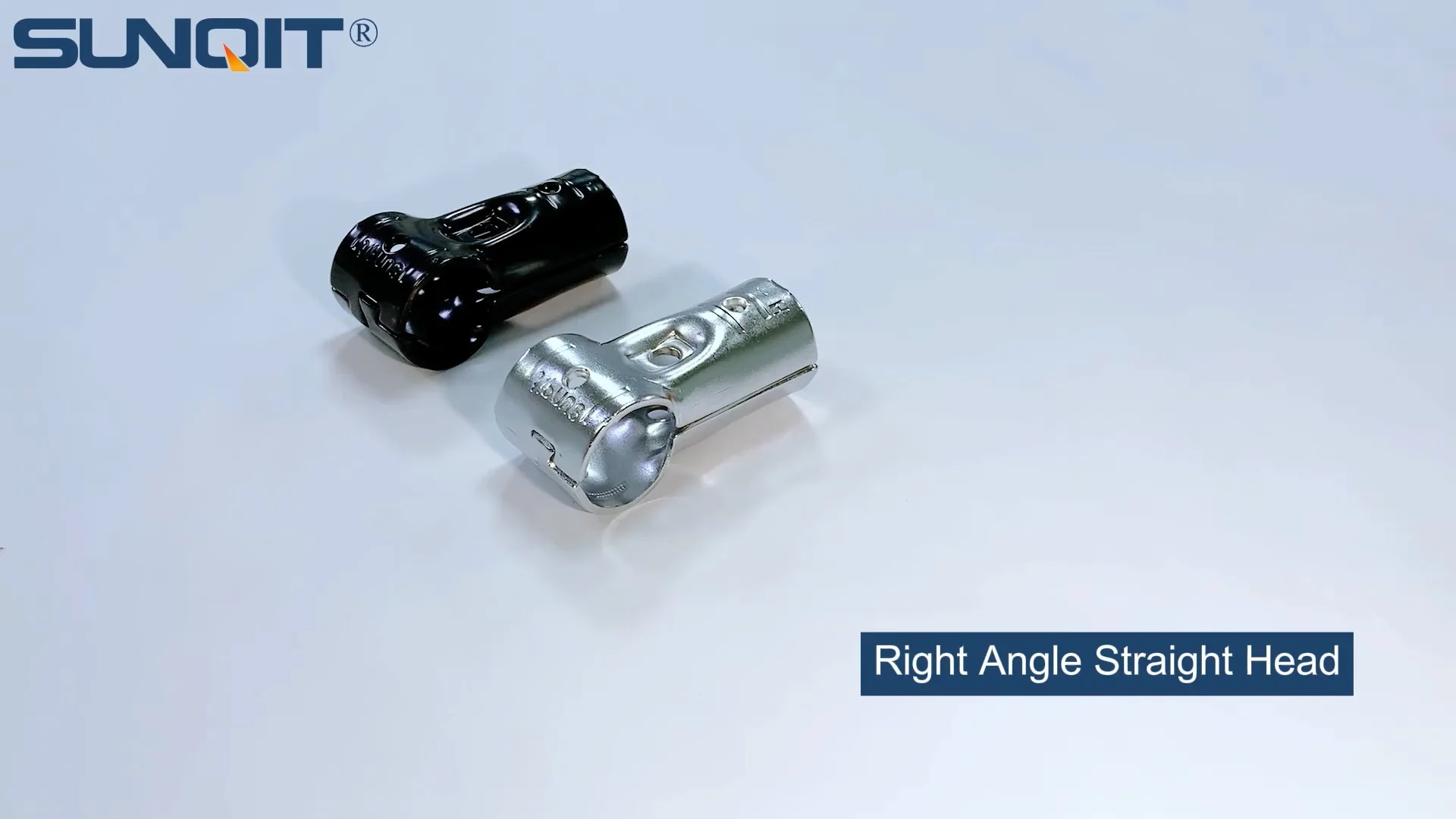
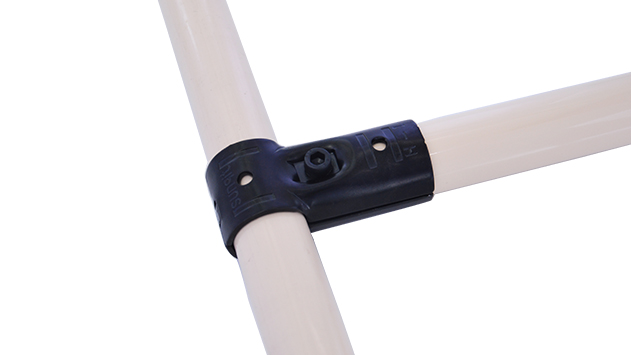
Two way lean pipe joint for 2 pcs 28MM lean pipe connection in straight angle, which used widely in workbench, flow rack, hand trolley frame connection.
In the fast-paced world of packaging, where every second counts and efficiency can make or break a business, the tools and systems that keep operations running smoothly are more critical than ever. Imagine a packaging facility where conveyor lines snake through the floor, carrying products from assembly to sealing to shipping—each step dependent on the reliability and adaptability of the equipment. Now, picture the frustration when a sudden change in product size or a seasonal demand spike requires reconfiguring those conveyors, only to find they're rigid, bolted-down, and nearly impossible to modify without halting production for hours (or even days). This is where lean manufacturing principles, and specifically the humble yet powerful two way lean pipe joint , step in to transform chaos into control.
The Packaging Industry: A Balancing Act of Speed, Flexibility, and Cost
Packaging plants today face a unique set of challenges. Consumer demands for customization mean shorter production runs and more frequent product changes. E-commerce growth has upped the ante for fast order fulfillment, requiring conveyor systems that can handle varying package sizes—from small envelopes to bulky boxes—without skipping a beat. And let's not forget the pressure to cut costs: labor, energy, and material waste are constant targets for optimization. In this environment, rigid, one-size-fits-all conveyor systems simply don't cut it. What's needed is a solution that's modular, easy to adjust, and built to grow with the business. Enter lean pipe systems .
Lean Pipe Systems: The Foundation of Adaptive Manufacturing
At their core, lean pipe systems are all about simplicity and adaptability. They consist of lightweight, durable pipes (often made of steel, aluminum, or plastic-coated materials) and a variety of joints that allow for quick assembly and reconfiguration. Unlike traditional metal framing, which requires welding or specialized tools, lean pipe systems can be put together by just about anyone with a wrench—no prior engineering experience needed. This democratization of assembly is a game-changer for packaging facilities, where floor supervisors and line workers often have the best insights into how to improve workflow.
But what makes these systems truly "lean"? It's their ability to eliminate waste—whether that's wasted time spent on retooling, wasted space from oversized equipment, or wasted materials from inefficient layouts. By using modular components, lean pipe systems let facilities build exactly what they need, when they need it, and reconfigure it just as easily when needs change. And at the heart of this modularity are the joints that hold everything together. Among them, the two way lean pipe joint stands out as a versatile workhorse.
Two Way Lean Pipe Joint: Small Part, Big Impact
Let's get up close with the two way lean pipe joint. At first glance, it might seem unassuming—a small, often metallic connector with two openings designed to hold lean pipes at various angles. But don't let its size fool you. This joint is the reason lean pipe systems can be so flexible. Unlike fixed-angle joints, which lock pipes into 90-degree or 45-degree positions, the two way joint (depending on its design) can sometimes rotate or pivot, allowing for adjustments in conveyor height, angle, or direction. Even fixed two way joints offer value: they provide a stable connection between two pipes, enabling the creation of straight runs, L-shapes, or gentle slopes—all essential for guiding products through a packaging line.
Design and Durability: Built for the Factory Floor
Two way lean pipe joints are typically made from high-strength materials like zinc-plated steel, aluminum, or even stainless steel for corrosion-resistant environments (think food packaging facilities where moisture is a concern). They're designed to withstand the daily wear and tear of a busy factory: the vibrations from moving roller tracks , the weight of products sliding along conveyors, and the occasional bump from a pallet jack. Many joints feature a clamping mechanism—like a setscrew or a cam lever—that tightens around the pipe, ensuring a secure hold without damaging the pipe's surface. This not only makes assembly quick but also allows for disassembly and reassembly without degrading the joint or pipe over time.
Why "Two Way"? The Power of Modular Connections
You might be wondering: why focus on two way joints when there are three-way, four-way, or even five-way options available? The answer lies in balance. Two way joints are the most versatile building blocks in a lean pipe system. They're simple enough for basic structures (like a straight conveyor section) but can also be combined with other joints to create complex layouts. For example, pair a two way joint with a three-way joint, and suddenly you're building a branching conveyor that splits products into two lanes. Use two way joints with adjustable angles, and you can create inclines or declines to move products between different floor levels—no need for expensive elevators or lifts.
In packaging, where product flows can change weekly, this flexibility is invaluable. Suppose a facility starts the month packaging small cosmetic boxes and switches to larger gift sets for the holiday season. With traditional conveyors, this might require replacing entire sections. With lean pipe conveyors using two way joints? It's a matter of loosening a few screws, adjusting the pipe lengths, and repositioning the joints to widen the conveyor or add side guides. The whole process might take an hour instead of a day, keeping production on track.

Conveyor Systems Reimagined: Lean Pipe + Two Way Joints in Action
Now, let's zoom out and see how two way lean pipe joints transform conveyor systems in packaging facilities. Conveyors are the lifelines of these operations, moving products from one station to the next—whether it's from the filling line to the labeling station, or from quality control to shipping. A well-designed conveyor system minimizes manual handling, reduces errors, and keeps products moving at a steady pace. Lean pipe conveyors, built with two way joints, take this a step further by making the system itself adaptable.
| Traditional Conveyor Systems | Lean Pipe Conveyors with Two Way Joints |
|---|---|
| Rigid, welded or bolted construction | Modular, tool-free assembly with joints |
| Difficult to reconfigure; requires specialized labor | Easy to adjust; can be modified by floor staff |
| High upfront cost; fixed to specific product sizes | Lower initial investment; scalable for changing needs |
| Prone to obsolescence when product lines change | Reusable components; repurposable for new layouts |
| Heavy; difficult to relocate within the facility | Lightweight; can be moved with casters for mobility |
Integrating Roller Tracks: Smooth Product Flow, Simplified
No conveyor system is complete without a way to move products along its length, and that's where roller tracks come in. Roller tracks are sets of small wheels or rollers mounted on a frame, allowing products to glide smoothly from one point to another—often by gravity or with minimal manual pushing. In lean pipe systems, roller tracks are easily integrated using two way joints. For example, a facility might build a gravity-fed conveyor by mounting roller tracks on a lean pipe frame, using two way joints to angle the frame slightly downward. If the products start jamming because the angle is too steep, adjusting the frame is as simple as loosening the joints, repositioning the pipes, and tightening them back up.
Even better, roller track accessories like guide rails (to keep products centered) or stops (to halt products at specific stations) can be added using the same two way joints. This modularity means a single conveyor frame can be adapted for different products by swapping out roller tracks or adding guides—no need to buy a whole new system.

Real-World Success: How Two Way Joints Solve Packaging Challenges
Let's look at a hypothetical but realistic example of how two way lean pipe joints transform a packaging operation. Consider a mid-sized food packaging company that produces both canned goods and frozen meals. Cans are small, heavy, and rigid, while frozen meal boxes are larger, lighter, and more prone to crushing. In the past, the company used two separate conveyor systems: one for cans and one for boxes. This took up valuable floor space and meant idle equipment during production lulls.
Then, they switched to a lean pipe conveyor system with two way joints. Now, they have a single base frame that can be reconfigured in under an hour. For cans, they attach heavy-duty steel roller tracks and narrow guide rails using two way joints. For frozen meals, they swap in wider aluminum roller tracks with softer plastic wheels to prevent crushing, and adjust the conveyor height using telescoping pipes and two way joints. The result? They freed up 30% of their floor space, reduced equipment costs by 40%, and cut changeover time from 8 hours to 45 minutes. All thanks to the flexibility enabled by two way lean pipe joints.
Beyond the Joint: Building a Complete Lean Ecosystem
While two way lean pipe joints are stars of the show, they don't work alone. A robust lean pipe system relies on a range of accessories to maximize functionality. For example, casters (wheels mounted on the base of the conveyor frame) add mobility, allowing the entire system to be moved out of the way for cleaning or to make space for large shipments. Workbenches, built using the same lean pipes and joints, can be positioned alongside conveyors to create ergonomic packing stations—no more bending or stretching to reach products.
Material racks, too, can be constructed with lean pipes and two way joints, providing storage for packaging materials like boxes, tape, and labels right where they're needed. This reduces walk time for workers, further boosting efficiency. Even specialized components like ESD (electrostatic discharge) workbenches—critical for packaging electronics—can be built using conductive lean pipes and joints, ensuring sensitive products aren't damaged by static electricity.
Choosing the Right Supplier: Quality Matters
Of course, the effectiveness of a lean pipe system depends on the quality of its components. When selecting a lean pipe supplier , it's important to look for joints that are precision-manufactured to ensure a tight, consistent fit with pipes. Cheaper, poorly made joints can slip or break under load, leading to downtime or even safety hazards. Reputable suppliers will also offer a range of joint types (including two way, three way, and swivel joints) and materials (steel, aluminum, stainless steel) to suit different applications. They may even provide design support, helping facilities plan their conveyor layouts for maximum efficiency.
The Future of Packaging Conveyors: Lean, Green, and Smart
As packaging facilities continue to evolve, lean pipe systems with two way joints are poised to play an even bigger role. We're already seeing trends toward aluminum lean pipes, which are lighter and more corrosion-resistant than traditional steel, making them ideal for cleanrooms or food-grade environments. Smart sensors integrated into lean pipe frames—using clips and joints to attach them—can monitor conveyor speed, product flow, and even joint tightness, alerting maintenance teams to issues before they cause downtime.
Sustainability is another driver. Lean pipe systems reduce waste by reusing components, and their lightweight design cuts down on material usage. Plus, because they're easy to reconfigure, facilities can avoid the environmental impact of discarding old, rigid conveyor systems and manufacturing new ones.
Conclusion: Small Joints, Big Results
In the grand scheme of packaging operations, the two way lean pipe joint might seem like a minor component. But as we've explored, it's the unsung hero that enables flexibility, efficiency, and adaptability in conveyor systems. By choosing lean pipe systems with high-quality two way joints, packaging facilities can reduce costs, minimize downtime, and stay agile in the face of changing market demands. It's a reminder that sometimes, the smallest parts can make the biggest difference in building a smarter, more resilient manufacturing operation.
So, the next time you walk through a packaging plant and see a conveyor system smoothly guiding products from start to finish, take a closer look. Chances are, there's a two way lean pipe joint holding it all together—quietly, reliably, and ready to adapt to whatever the future brings.