- Company Articles
- Products and Technology
- Product knowledge
- Two Way Lean Pipe Joint in Pharmaceutical Manufacturing: Cleanliness and Compliance

Two Way Lean Pipe Joint in Pharmaceutical Manufacturing: Cleanliness and Compliance
Related Product
Two Way Lean Pipe Joint
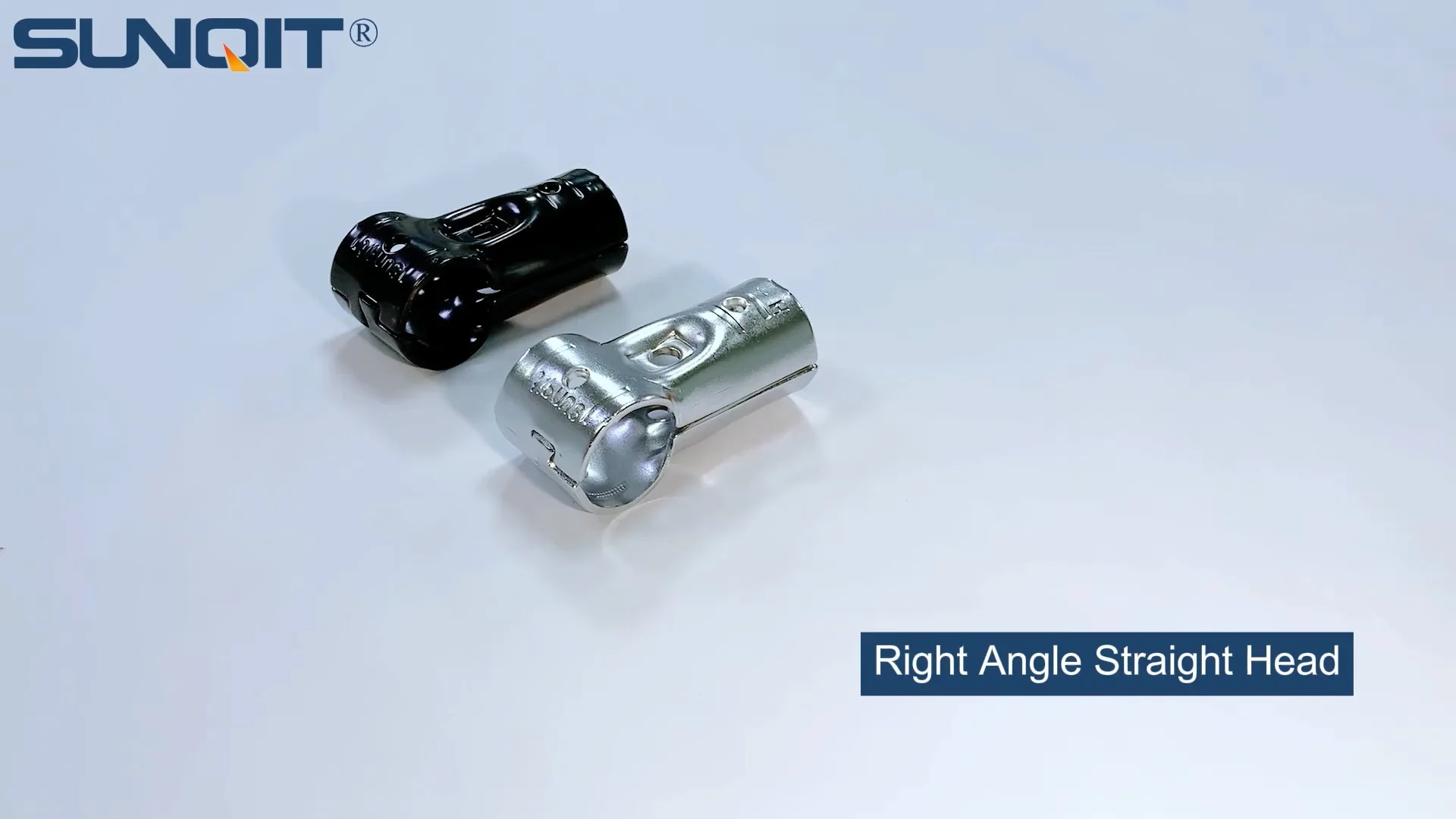
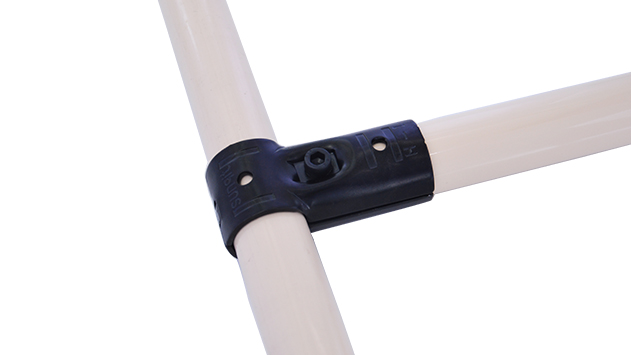
Two way lean pipe joint for 2 pcs 28MM lean pipe connection in straight angle, which used widely in workbench, flow rack, hand trolley frame connection.
The High-Stakes World of Pharmaceutical Manufacturing
Walk into any pharmaceutical manufacturing facility, and you'll immediately sense the gravity of the work happening there. Every surface, every tool, every movement is designed with one primary goal: ensuring the safety and efficacy of the medications that will eventually reach patients. In this industry, "good enough" simply doesn't exist. A single particle of dust, a tiny crevice where bacteria might hide, or a misaligned workstation could compromise a batch of life-saving drugs—costing millions in recalls, damaging reputations, and, worst of all, putting lives at risk.
Today's pharma manufacturers face a unique set of challenges. On one hand, they must adhere to strict regulatory standards—think FDA guidelines, EU GMP (Good Manufacturing Practice) requirements, and ISO certifications—that dictate everything from air quality to equipment design. On the other hand, they need to stay agile: adapting to new drug formulations, scaling production for high-demand treatments, and integrating new technologies without disrupting existing workflows. Add in the pressure to reduce waste and cut costs (without sacrificing quality, of course), and it's clear that the physical infrastructure of these facilities—from workbenches to material racks—plays a far bigger role than just holding tools or ingredients.
This is where the yet critical components of manufacturing setups come into play. Among them, lean pipe joints—specifically, the two way lean pipe joint—have emerged as unsung heroes. These small, modular connectors are transforming how pharma facilities approach cleanliness, compliance, and adaptability. Let's dive into why they matter, how they work, and why they're becoming a staple in modern pharmaceutical manufacturing.
Lean Systems in Pharma: Beyond Efficiency—A Foundation for Compliance
When we hear the term "lean system," we often think of factories churning out cars or electronics, focused on cutting waste and boosting speed. But in pharmaceuticals, lean isn't just about efficiency—it's about building a framework where compliance is baked into every process. A lean system in pharma is one that minimizes variability, reduces the risk of errors, and creates clear, traceable workflows—all while adapting to the ever-changing demands of drug development and production.
At its core, a lean system in pharmaceutical manufacturing aims to eliminate "muda," the Japanese term for waste. But in this context, "waste" isn't just extra time or materials; it includes anything that could compromise product quality or regulatory adherence. This might mean redundant steps in a production line that increase the chance of contamination, or inflexible workstations that can't be quickly reconfigured for a new drug's specific needs. Lean systems address these issues by prioritizing standardization, modularity, and continuous improvement.
So, how does physical infrastructure support these lean principles? Enter lean pipe systems—interconnected networks of pipes, joints, and accessories that form workbenches, material racks, conveyors, and more. Unlike rigid, fixed structures, lean pipe systems are modular: they can be assembled, disassembled, and reconfigured in hours, not weeks. This flexibility is a game-changer for pharma facilities, where production lines might need to shift from manufacturing tablets to injectables, or scale up a COVID-19 vaccine one month and a rare disease treatment the next.
But in pharma, flexibility can't come at the cost of cleanliness or compliance. A modular system is only useful if it can be sanitized thoroughly, resist harsh cleaning agents, and meet strict material safety standards. This is where the design of lean pipe joints—particularly two way lean pipe joints—becomes critical. These small connectors are the backbone of the system, dictating not just how well the structure holds together, but how easy it is to keep clean and compliant.
The Unsung Hero: Lean Pipe Joints in Pharma Setups
If lean pipe systems are the "bones" of a pharma facility's infrastructure, lean pipe joints are the "joints" that hold everything together—literally and figuratively. At first glance, they might seem like simple pieces of hardware, but their design has a direct impact on three critical areas: structural stability, cleanability, and compliance. Let's break down what lean pipe joints are, how they've evolved, and why the two way lean pipe joint stands out in pharmaceutical settings.
Traditional lean pipe joints were functional but basic: often made of plastic or coated steel, with simple clamping mechanisms to connect pipes. They worked well for general manufacturing, where the priority was cost and ease of assembly. But in pharma, these basic joints had drawbacks. Their rough surfaces or crevices could trap dust, product residue, or bacteria. Some were made of materials that couldn't withstand the frequent, aggressive cleaning required in sterile environments (think high-pressure hoses, alcohol-based sanitizers, or even steam). And their rigidity made reconfiguration a hassle—if you wanted to adjust a workbench height or add a shelf, you'd often need tools, extra parts, or even professional help.
Enter the two way lean pipe joint: a specialized connector designed to address these pain points. As the name suggests, it connects two pipes at a fixed or adjustable angle, but its design goes far beyond basic connectivity. Modern two way lean pipe joints are engineered with pharma's unique needs in mind: smooth, crevice-free surfaces to prevent debris buildup, durable materials that resist corrosion and chemical damage, and tool-less or quick-assembly mechanisms that reduce downtime during reconfigurations.
But why "two way" specifically? In pharma setups, many structures—like workbenches, material racks, or conveyor supports—require stable, right-angle connections (90 degrees) or straight-line extensions (180 degrees). Two way lean pipe joints excel here, providing a secure, repeatable connection that ensures consistency across the facility. Unlike multi-way joints (which connect three or more pipes), two way joints have fewer moving parts and simpler geometries, which means fewer places for contaminants to hide. This simplicity is a hidden advantage in sterile environments, where every nook and cranny is a potential compliance risk.

Two Way Lean Pipe Joints: Designed for Cleanliness First
In pharmaceutical manufacturing, cleanliness isn't just a best practice—it's a legal requirement. Regulatory bodies like the FDA and EMA (European Medicines Agency) mandate that all equipment and surfaces in production areas be "readily cleanable" to prevent cross-contamination. This means no cracks, no porous materials, and no rough edges that could harbor microbes or product residue. Two way lean pipe joints are engineered with this mandate front and center, and it shows in their design.
Material Matters: Stainless Steel Pipe Series Takes the Lead
The first line of defense against contamination? Material choice. While early lean pipe joints often used plastic or galvanized steel, the pharmaceutical industry has increasingly turned to stainless steel pipe series for critical components—including two way lean pipe joints. Stainless steel offers two key benefits: corrosion resistance and smooth, non-porous surfaces.
Stainless steel, particularly grades like 304 or 316L, resists rust and degradation even when exposed to harsh cleaning agents (like hydrogen peroxide or peracetic acid) or high-temperature sanitization. This durability ensures that joints maintain their integrity over time, avoiding cracks or pitting that could trap bacteria. Additionally, stainless steel's smooth finish makes it easy to wipe down or spray clean, with no microscopic pores where residue can hide. For pharma facilities operating in Grade A or B cleanrooms (the strictest classification for sterile products), this is non-negotiable.
Some two way lean pipe joints also feature plastic components, but not just any plastic. High-performance polymers like polypropylene or acetal are used, chosen for their chemical resistance and ability to maintain a smooth surface finish. These plastics are often color-coded (e.g., white or gray) to make visual inspections for contamination easier—a small detail that goes a long way in daily operations.
Design Features That Fight Contamination
Beyond materials, the physical design of two way lean pipe joints is optimized for cleanability. Let's break down the key features:
- Crevice-Free Construction: Traditional joints often had gaps between the pipe and the joint, or between moving parts, where dust or liquid could accumulate. Two way lean pipe joints use precision molding or machining to eliminate these crevices. For example, the inner diameter of the joint is engineered to fit snugly around the pipe, creating a flush, seamless connection that leaves no room for debris.
- Smooth Edges and Radiused Corners: Sharp edges are a contamination risk—they can tear gloves, trap product particles, or make cleaning with a cloth difficult. Two way lean pipe joints have rounded, radiused corners that not only improve safety for operators but also ensure that cleaning tools (like wipes or brushes) can glide over the surface without missing spots.
- Tool-Less Assembly (Where Possible): While some joints require basic tools (like hex keys) for final tightening, many modern two way lean pipe joints use cam levers or quick-release mechanisms. This reduces the need for metal tools that might scratch surfaces or leave behind debris during installation or reconfiguration.
- Sealed Fasteners: If a joint does use screws or bolts, they're often recessed or covered with a cap to prevent product buildup. For example, a stainless steel two way joint might have a bolt head that sits flush with the surface, sealed with a silicone O-ring to block moisture and residue.
To illustrate just how much these design choices matter, consider a scenario: a traditional plastic joint with a visible gap between the pipe and joint is used in a tablet compression area. Over time, tiny powder particles from the tablets settle into that gap. During cleaning, the gap is hard to reach, so residue builds up, eventually harboring bacteria. A two way lean pipe joint made of 316L stainless steel with a crevice-free design, by contrast, has no gap—particles can't settle, and cleaning crews can wipe the surface clean in seconds. The difference in contamination risk is stark.

Compliance by Design: Meeting GMP, FDA, and EHS Standards
In pharmaceutical manufacturing, compliance isn't optional. A single violation of Good Manufacturing Practices (GMP) can lead to fines, production shutdowns, or even product recalls that damage a company's reputation for years. Two way lean pipe joints don't just support cleanliness—they're built to help facilities meet the letter of the law when it comes to regulatory standards. Let's explore how they align with key requirements from GMP, the FDA, and EHS (Environmental, Health, and Safety) guidelines.
GMP: "Readily Cleanable" and "Non-Reacting"
GMP regulations, as outlined in documents like the FDA's 21 CFR Part 211, emphasize that equipment and surfaces must be "readily cleanable" and "non-reacting, non-absorbent, and non-additive" to the product. Two way lean pipe joints check both boxes.
"Readily cleanable" is where the crevice-free design and stainless steel material shine. As we discussed earlier, these features ensure that joints can be thoroughly cleaned and sanitized, with no hidden areas for residue. Manufacturers of two way lean pipe joints often provide validation data—like cleaning efficacy studies—to prove that their products can be decontaminated to meet GMP's strict standards. This data is critical for pharma companies during regulatory inspections, where auditors may ask to see evidence that all surfaces in production areas are properly maintained.
"Non-reacting, non-absorbent, and non-additive" refers to the materials themselves. Stainless steel is inert, meaning it won't leach chemicals into products or react with active pharmaceutical ingredients (APIs). This is especially important for APIs that are acidic or alkaline, which could corrode lesser materials and contaminate the drug. Two way lean pipe joints made from certified stainless steel (with documentation to prove it) give quality assurance teams peace of mind that the joint itself won't compromise product integrity.
ESD Workstation Integration: Protecting Sensitive Processes
While many pharma processes focus on sterility, some areas—like those handling electronic monitoring equipment, sensitive APIs, or biologic samples—also require protection against electrostatic discharge (ESD). ESD can damage delicate electronics or, in rare cases, ignite flammable solvents. ESD workstations are designed to dissipate static charges, and two way lean pipe joints play a role here too.
Specialized two way lean pipe joints can be made with conductive materials or coated with anti-static compounds, allowing them to integrate seamlessly into ESD workstations. These joints ensure that the workstation's frame (built from lean pipes) acts as a grounded pathway, safely redirecting static charges away from sensitive areas. For facilities that need to comply with ESD standards like ANSI/ESD S20.20, this integration is critical—it allows them to maintain lean principles (modularity, flexibility) without sacrificing static control.
Traceability and Documentation: A Compliance Must
Regulators don't just care about how a joint performs—they want to know where it came from, what it's made of, and how it was installed. Reputable lean pipe suppliers provide detailed documentation for two way lean pipe joints, including material certificates (like mill test reports for stainless steel), compliance statements (e.g., "meets FDA 21 CFR 177.2600 for food contact, suitable for pharmaceutical use"), and installation guides. This paperwork is essential for pharma companies to maintain their own compliance records, especially during audits.
For example, if an FDA inspector asks about the materials used in a workbench joint in a sterile injectables area, the facility can produce the supplier's material certificate for the two way lean pipe joint, confirming it's 316L stainless steel and compliant with USP Class VI (a standard for plastic materials in medical devices). Without this documentation, the facility could face citations for insufficient control over production equipment.
Traditional vs. Two Way Lean Pipe Joints: A Cleanliness and Compliance Showdown
To truly appreciate the benefits of two way lean pipe joints in pharmaceutical settings, it helps to compare them to traditional alternatives—like welded steel joints or plastic snap-fit connectors. The table below breaks down key factors that matter most in pharma: cleanliness, compliance support, ease of use, and durability.
| Factor | Traditional Welded Steel Joints | Plastic Snap-Fit Joints | Two Way Lean Pipe Joints (Stainless Steel) |
|---|---|---|---|
| Cleanability | Poor: Weld seams create crevices for residue; rough surfaces trap particles. | Fair: Smooth but may have gaps; plastic can scratch over time, creating new crevices. | Excellent: Crevice-free design, smooth stainless steel surface, radiused corners for easy wiping. |
| Compliance with GMP/FDA | Risky: Welds may not meet "readily cleanable" standards; no material certifications for pharmaceutical use. | Limited: Some plastics meet basic standards, but may degrade in harsh cleaning; poor traceability. | Strong: Stainless steel meets FDA/USP standards; suppliers provide material certificates and compliance docs. |
| Reconfigurability | None: Welded joints are permanent; changing a structure requires cutting and rewelding. | Moderate: Can be disassembled, but plastic tabs may wear out after repeated use. | High: Tool-less or quick-assembly design; can be reconfigured in hours with minimal effort. |
| Durability in Harsh Environments | Good: Steel resists corrosion, but welds may weaken with frequent cleaning. | Poor: Plastic degrades with exposure to chemicals or high temperatures. | Excellent: Stainless steel resists corrosion, chemicals, and high heat; joints maintain integrity long-term. |
| ESD Compatibility | Possible: Steel is conductive, but welded joints may have inconsistent grounding. | Limited: Most plastics are insulative; anti-static versions exist but degrade quickly. | Yes: Conductive stainless steel or anti-static coatings available; consistent grounding for ESD workstations. |
Real-World Applications: Transforming Pharma Workflows
Two way lean pipe joints aren't just theoretical—they're hard at work in pharmaceutical facilities around the world, solving real problems. Let's look at a few common applications where these joints shine, and how they improve cleanliness, compliance, and efficiency.
Workbenches: The Heart of Production
Workbenches are where much of the "hands-on" work happens in pharma—whether it's assembling medical devices, packaging pills, or testing samples. Traditional workbenches are often fixed, heavy, and hard to clean, with wooden tops or metal frames that have welded joints. Two way lean pipe joints change this by allowing facilities to build custom workbenches that are:
- Modular: Need a taller bench for a new packaging machine? Swap out the legs (connected with two way joints) for longer pipes. Add a shelf for tools by attaching a crossbar with two way right-angle joints.
- Cleanable: A workbench top made of stainless steel, mounted on a frame of stainless steel pipes and two way joints, can be wiped down with disinfectant in seconds. No cracks, no seams, no hassle.
- Compliant: For sterile compounding areas, workbenches built with two way lean pipe joints can be paired with HEPA filters and ESD mats, creating a controlled environment that meets USP 797 standards (for sterile preparations).
Material Racks: Streamlining Inventory Without Contamination
Pharmaceutical facilities rely on material racks to store everything from raw ingredients to finished products. But traditional racks—often made of painted steel or wood—can be breeding grounds for dust and pests. Two way lean pipe joints, paired with stainless steel pipes, create racks that are:
- Open and Airy: Unlike solid shelving, lean pipe racks have a grid-like design that allows air circulation (critical for products that need ventilation) and makes it easy to spot spills or debris.
- Adjustable: Shelf heights can be changed using two way joints, accommodating different container sizes (e.g., 500ml API bottles vs. 1L solvent jugs) without needing new racks.
- Corrosion-Resistant: In humid environments (like those storing liquid APIs), stainless steel two way joints prevent rust, ensuring the rack stays stable and clean for years.
Conveyor Supports: Smooth Material Flow, Minimal Risk
Conveyors move products through production lines, from filling to labeling to packaging. Their supports—often metal frames with welded joints—are prone to collecting dust and product spillage. Two way lean pipe joints offer a better solution:
- Low-Profile Design: Two way joints have a compact footprint, leaving more space for cleaning under and around conveyors.
- Quick Repairs: If a conveyor support pipe bends (e.g., from a dropped pallet), the two way joint can be loosened, the pipe replaced, and the joint retightened—all in 15 minutes, without welding.
- Sanitary Integration: Conveyor guides or side rails can be attached using two way joints, with smooth edges that prevent product from getting caught or damaged.
Keeping It Clean: Maintenance Tips for Two Way Lean Pipe Joints
Even the most well-designed two way lean pipe joint won't stay compliant forever without proper maintenance. Fortunately, maintaining these joints is straightforward—especially compared to traditional alternatives. Here are practical tips to ensure your joints stay clean, functional, and audit-ready:
Daily Cleaning: Wipe, Don't Scrub
In production areas, two way lean pipe joints should be wiped down daily with a lint-free cloth and a mild detergent or disinfectant (approved for use in pharma, like 70% isopropyl alcohol). Avoid abrasive pads or brushes, which can scratch the stainless steel surface and create new crevices for contamination. For stubborn residue (like dried API powder), let the disinfectant sit for 30 seconds before wiping—this softens the residue without scrubbing.
Weekly Inspections: Check for Wear and Tear
Once a week, visually inspect two way lean pipe joints for signs of damage: cracks, loose fasteners, or corrosion. Pay special attention to joints near high-traffic areas (e.g., workbench corners that get bumped) or those exposed to moisture. If a joint is loose, tighten it with a hex key (if tooled) or adjust the cam lever (if tool-less). If you notice corrosion (unlikely with stainless steel, but possible if the finish is scratched), contact your lean pipe supplier for a replacement—don't try to repair it with paint or tape, which can harbor bacteria.
Quarterly Deep Cleaning: Get Into the Gaps (Yes, Even Crevice-Free Joints)
While two way lean pipe joints are designed to be crevice-free, over time, very fine dust or oil (from operator hands) can accumulate at the base of the joint where it meets the pipe. Every three months, use a soft-bristled brush (like a clean toothbrush) to gently dislodge any buildup, then wipe with disinfectant. This extra step ensures that even microscopic contaminants are removed, keeping the joint audit-ready.
Documentation: Track Maintenance for Compliance
Regulators love paperwork, and maintenance records are no exception. Keep a log for each lean pipe structure, noting when joints were cleaned, inspected, or replaced. Include the name of the operator who performed the task and the disinfectant used (with batch numbers, if required). This log becomes invaluable during audits, proving that you're actively maintaining the equipment to prevent contamination.
Conclusion: Small Joints, Big Impact on Pharma's Future
In the high-stakes world of pharmaceutical manufacturing, success hinges on the details. Two way lean pipe joints may seem like small, unassuming components, but their impact on cleanliness, compliance, and flexibility is enormous. By prioritizing smooth, stainless steel designs, crevice-free construction, and modularity, these joints help facilities meet the strictest regulatory standards while adapting to the ever-changing demands of drug development.
From workbenches in sterile cleanrooms to material racks in API storage areas, two way lean pipe joints are quietly transforming how pharma facilities operate. They reduce the risk of contamination, simplify compliance documentation, and make it possible to reconfigure production lines in hours—not months. In an industry where every second and every particle counts, this is more than just efficiency—it's peace of mind.
As pharmaceutical manufacturing continues to evolve—with new therapies, stricter regulations, and the need for faster scaling—lean pipe systems and two way joints will only grow in importance. They're not just tools for building structures; they're tools for building trust—trust that the drugs produced in these facilities are safe, pure, and effective. And in pharma, trust is everything.