- Company Articles
- Products and Technology
- Product knowledge
- Two Way Lean Pipe Joint Load Capacity: What You Need to Know for Workbenches

Two Way Lean Pipe Joint Load Capacity: What You Need to Know for Workbenches
Related Product
Two Way Lean Pipe Joint
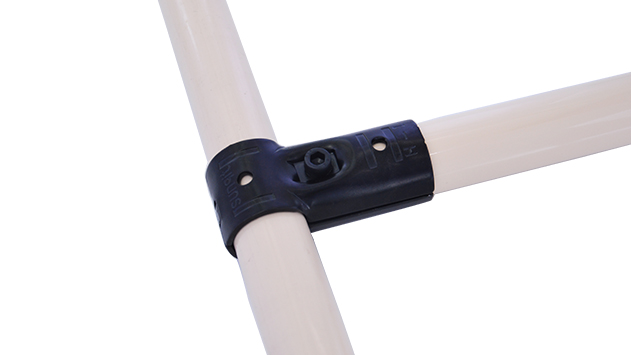
Two way lean pipe joint for 2 pcs 28MM lean pipe connection in straight angle, which used widely in workbench, flow rack, hand trolley frame connection.
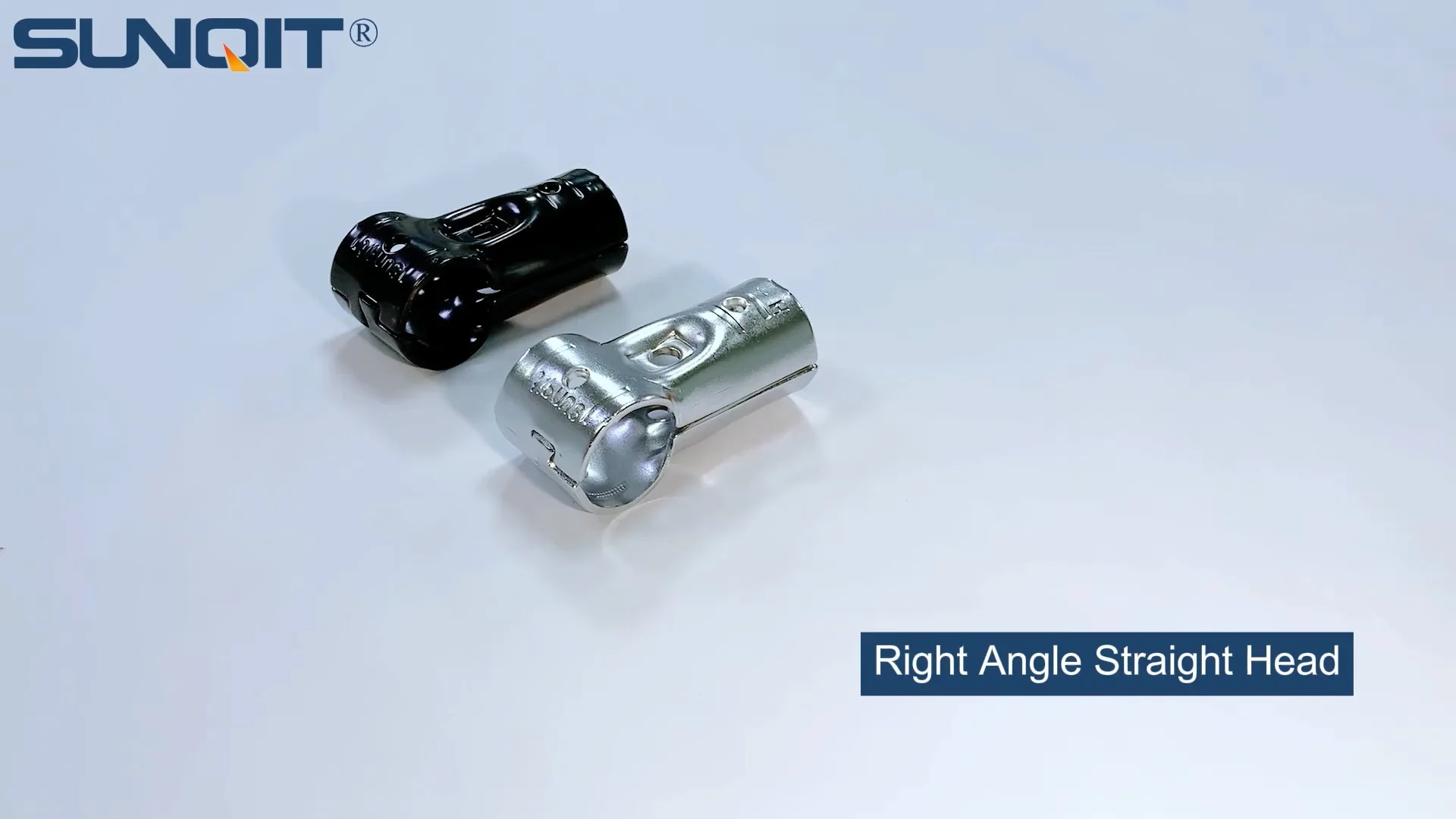
Walk into any manufacturing facility, workshop, or assembly line, and you'll likely spot a familiar sight: workbenches that form the backbone of daily operations. These aren't just tables—they're hubs where tools are organized, parts are assembled, and productivity happens. For many of these workbenches, especially those built with modular flexibility in mind, the unsung hero holding everything together is the lean pipe joint . Specifically, the two way lean pipe joint, a small but critical component that connects lengths of lean pipe to create sturdy, customizable structures. But here's the thing: not all joints are created equal, and one of the most important factors determining whether your workbench stands the test of time (and the weight of your tools) is its load capacity. Let's dive into why two way lean pipe joint load capacity matters, how to understand it, and what you need to consider to build a workbench that works as hard as you do.
What Even Is a Two Way Lean Pipe Joint?
Before we get into load capacity, let's make sure we're all on the same page about what a two way lean pipe joint actually is. If you're familiar with lean manufacturing or modular workbench systems, you know that lean pipe (sometimes called "flexible pipe" or "kitchen pipe") is the star of the show. These are typically metal pipes—often steel or aluminum—coated in plastic (like PE) for durability and grip. They're lightweight, easy to cut, and designed to be assembled into almost any structure you can imagine: workbenches, material racks, trolleys, and more.
The two way lean pipe joint is the connector that brings these pipes together. As the name suggests, it's designed to join two lean pipes at a fixed angle (usually 90 degrees, though some designs allow for straight connections). Think of it as the "elbow" in your lean pipe toolkit, but with a modular twist—most joints are designed to be tightened by hand or with a simple wrench, making reconfiguration a breeze. These joints come in various materials, but the most common are chrome-plated steel, aluminum, and plastic. Each has its own strengths, and as we'll see later, material plays a huge role in load capacity.
For example, aluminum lean pipe joints are gaining popularity in industries like electronics and food processing, where lightweight structures and resistance to corrosion are priorities. Steel joints, on the other hand, are the go-to for heavy-duty industrial settings where raw strength is non-negotiable. No matter the material, though, the two way joint's job is simple: keep the pipes connected securely, even when weight is applied from above, below, or the side.
Load Capacity 101: What It Means and Why It's Not Just a Number
Load capacity sounds technical, but it's actually pretty straightforward: it's the maximum amount of weight a joint can support without bending, breaking, or failing. But here's the catch: load capacity isn't just about the joint itself. It's a system-wide measurement that depends on the joint, the pipes it's connecting, how the joint is installed, and even the environment where the workbench lives.
Let's break it down with an example. Suppose you buy a steel two way joint rated for 200kg. If you pair it with flimsy 0.8mm thin-walled lean pipe, the pipe might bend before the joint even breaks. On the flip side, if you use thick 2.0mm PE coated lean pipe but install the joint loosely (so it wobbles), the joint's effective load capacity drops dramatically—maybe by 50% or more. Load capacity, in short, is a team sport: every part of the workbench system has to pull its weight.
To make sense of this, let's look at how different joint materials stack up when it comes to load capacity. The table below compares the typical maximum load capacities of common two way lean pipe joint materials, along with their best uses and trade-offs:
| Joint Material | Typical Load Capacity (kg per joint) | Best For | Pros | Cons |
|---|---|---|---|---|
| Chrome-Plated Steel | 150–200 | Heavy-duty workbenches, industrial assembly lines, automotive shops | Exceptional strength, long-lasting, handles repeated heavy loads | Heavier than aluminum, prone to rust if the chrome coating chips |
| Aluminum | 80–120 | Light to medium-duty workbenches, cleanrooms, labs, food processing | Lightweight, corrosion-resistant, easy to maneuver | Lower load capacity than steel; not ideal for extreme weights |
| Plastic (Nylon/PP) | 30–50 | Temporary setups, light-duty workbenches, hobby workshops | Inexpensive, lightweight, no risk of rust | Lowest strength; can warp under heavy loads or high temperatures |
This table gives you a starting point, but remember: these are general ranges. Always check the manufacturer's specs for the exact joint you're using—some high-quality aluminum joints might hit 150kg, while budget steel joints could fall below 150kg. The key is to match the joint's capacity to your workbench's actual needs.
Why Load Capacity Isn't Just a "Nice-to-Know"—It's Critical
You might be thinking, "Do I really need to obsess over load capacity? Can't I just pick the strongest joint and call it a day?" Well, yes and no. Over-engineering (picking a steel joint for a workbench that only holds a laptop) wastes money and adds unnecessary weight. Under-engineering, though, can have serious consequences. Let's break down why load capacity deserves your attention:
1. Safety First: No One Wants a Collapsing Workbench
This is non-negotiable. If a two way lean pipe joint fails under load, the workbench could collapse, sending tools, materials, or even products crashing to the floor. In the best-case scenario, you're looking at damaged equipment. In the worst case, someone could get hurt. For example, imagine a mechanic leaning on a workbench loaded with a 50kg engine block—if the joints can't handle the weight, the bench could tip, leading to injury or worse. Prioritizing load capacity isn't just about protecting your tools; it's about protecting your team.
2. Productivity: A Wobbly Bench Kills Momentum
Ever tried working on a table that sways when you type, or where tools slide around because the surface isn't level? It's infuriating—and it slows you down. A workbench with properly rated joints stays stable, even when you're hammering, sawing, or stacking materials. That stability means you can focus on the task at hand, not worrying about whether the bench will hold. Plus, a sturdy workbench reduces downtime: you won't have to stop work to tighten loose joints or replace failed ones. Over time, those saved minutes add up to hours of extra productivity.
3. Durability: Save Money by Choosing Right the First Time
A workbench is an investment. If you skimp on joint load capacity, you'll end up replacing joints (or the entire bench) far sooner than you should. For example, a plastic joint might cost $5, but if it fails after 6 months of supporting 40kg (when it's only rated for 30kg), you'll spend $5 again—and lose time installing it. A $15 aluminum joint rated for 100kg, on the other hand, might last 5 years. Over time, the "cheaper" option ends up costing more. Choosing the right load capacity upfront ensures your workbench lasts, saving you money and hassle in the long run.

What Actually Affects a Two Way Lean Pipe Joint's Load Capacity?
Load capacity isn't a fixed number stamped on the joint—it's influenced by a handful of key factors. Understanding these will help you pick the right joint for your lean pipe workbench and ensure it performs as expected. Let's break them down:
1. The Joint's Material and Build Quality
This is the biggest factor. As we saw in the table earlier, steel joints are stronger than aluminum, which are stronger than plastic. But within materials, quality matters too. A cheap steel joint with thin walls or poor welding will fail long before a well-made one. Look for joints with smooth, consistent construction—no cracks, burrs, or uneven plating. For aluminum joints, check that the metal is thick enough (at least 2mm wall thickness for medium-duty use) and that the threads (if applicable) are clean and well-cut.
2. The Lean Pipe's Material and Thickness
Your joint is only as strong as the pipe it's holding. If you use a beefy steel joint with a flimsy 1.0mm PE coated lean pipe, the pipe will bend or snap before the joint does. Most lean pipes come in thicknesses from 0.8mm to 2.0mm. For reference: 1.2mm pipes are good for light-duty workbenches, 1.5mm for medium-duty, and 2.0mm for heavy loads. Aluminum lean pipes, while lighter, are generally not as strong as steel pipes of the same thickness, so you may need a thicker aluminum pipe to match steel's load capacity.
3. The Joint's Design: Fixed vs. Rotating, and Connection Points
Not all two way joints are designed the same. Fixed joints (like the "90° fixed lean pipe joint" you might see in supplier catalogs) are rigid and typically stronger than rotating or swivel joints, which have moving parts that can wear down over time. The number of connection points also matters: a joint that clamps onto the pipe at two points (instead of one) distributes load more evenly, boosting capacity. For example, a joint with a set screw that bites into the pipe, plus a collar that tightens around it, will hold better than a joint with just a single set screw.
4. Installation: Tightness and Alignment
Even the best joint will fail if it's installed poorly. If joints are loose, the pipes can shift, putting extra stress on the joint's connection points. Over time, this leads to wear and reduced load capacity. Similarly, misaligned pipes (e.g., one pipe slightly bent or off-angle) create uneven stress—imagine trying to hold a stack of books with one hand tilted to the side; it's harder, right? Always tighten joints snugly (but don't over-tighten—you could strip threads or crack plastic joints) and ensure pipes are straight and aligned before finalizing the setup.
5. Environment: Heat, Humidity, and Corrosion
Where your workbench lives matters. In a hot environment (like a foundry), plastic joints can soften and lose strength. In a humid or corrosive environment (like a marine workshop), uncoated steel joints will rust, weakening the metal. Aluminum joints shine here—they're naturally corrosion-resistant, making them ideal for damp or chemical-exposed areas. If you're working in harsh conditions, factor that into your material choice: a stainless steel joint might be worth the extra cost to avoid rust-related failure.

How to Calculate Load Capacity for Your Workbench (Without Becoming an Engineer)
You don't need a degree in mechanical engineering to figure out the right load capacity for your workbench. Here's a simple, step-by-step method to estimate what you need:
Step 1: List Everything That Will Go on the Workbench
Grab a notebook and jot down every item that will live on or be used with the workbench. This includes: tools (drills, saws, etc.), materials (metal sheets, boxes of parts), and even people (if someone will regularly lean on the bench or sit on it). Assign a weight to each item—you can find tool weights online, or estimate (a drill is ~2kg, a box of screws is ~5kg, a person leaning is ~70kg, etc.).
Step 2: Add It All Up (and Add a Safety Margin)
Sum the weights of all items to get your "total expected load." Then, add a 20–30% safety margin. Why? Because loads aren't always evenly distributed (e.g., you might set a heavy tool on one corner), and unexpected items might get added over time. If your total expected load is 100kg, aim for a workbench that can handle 120–130kg.
Step 3: Divide by the Number of Joints
Most workbenches have a simple frame: 4 legs, connected by horizontal pipes at the top and bottom. Each corner of the frame uses multiple joints—for example, a 4-legged bench might have 8 two way joints (one at the top and bottom of each leg). Divide your total load (with safety margin) by the number of joints to get the "per-joint load capacity" you need. For example, 120kg total load ÷ 8 joints = 15kg per joint. Wait, that can't be right—did I miscalculate? No, because the load is distributed across the frame, not just the joints. But to be safe, use the highest per-joint load from the most stressed areas (like the corners, which bear more weight than middle joints).
Step 4: Check the Manufacturer's Specs
Once you have your per-joint load number, check the manufacturer's data sheet for the joint you're considering. If the joint is rated for more than your calculated per-joint load, you're good to go. If not, either choose a stronger joint, add more joints to distribute the load, or reduce the expected load on the workbench.
Real-World Example: How One Shop Got It Right (and Another Didn't)
Let's put this all into context with two short case studies. These are based on real scenarios I've encountered working with manufacturers, though names have been changed for privacy.
Case Study 1: The Automotive Shop That Upgraded to Steel Joints
A mid-sized auto repair shop was using aluminum two way joints on their lean pipe workbenches. The benches held tools, car parts, and sometimes small engines (up to 80kg). Over time, they noticed the benches were wobbling—especially when mechanics leaned on them. After inspecting, they realized the aluminum joints were bending under the combined weight of the tools and the mechanics. They switched to chrome-plated steel joints (rated for 180kg each) and 1.5mm steel lean pipes. The result? The benches stabilized, tool damage dropped by 40%, and the team reported feeling more confident working on heavy parts. The upgrade cost a few hundred dollars but saved them from potential injuries and downtime.
Case Study 2: The Electronics Lab That Wasted Money on Overkill
A startup electronics lab wanted to build workbenches for assembling circuit boards. They assumed "stronger is better" and bought steel joints rated for 200kg, paired with thick 2.0mm steel pipes. The problem? Their workbenches only needed to hold laptops, small tools, and circuit boards—total load ~30kg. The steel benches were heavy (hard to move when reconfiguring the lab) and expensive. They could have saved 50% by using aluminum joints and 1.2mm aluminum lean pipes, which would have more than enough capacity. The lesson: match the joint to the actual load, not just the maximum possible.
Maintaining Load Capacity: Keep Your Joints (and Workbench) Strong
Choosing the right joint is just the first step—you need to maintain it to keep its load capacity intact. Here's how:
1. Inspect Regularly
Set a monthly check: look for loose joints, bent pipes, or signs of wear (like cracks in plastic joints or rust on steel ones). Tighten any loose joints with a wrench—don't over-tighten, but make sure they're snug. replace any damaged joints immediately—even a small crack can reduce load capacity by 50% or more.
2. Clean and Protect
Wipe down steel joints with a dry cloth to prevent rust. If the chrome coating chips, touch it up with a rust-resistant paint. For aluminum joints, a quick wipe with a damp cloth removes dust and grime that can hide damage. In humid environments, consider applying a thin coat of anti-corrosion spray to steel joints.
3. Avoid Overloading (Even Temporarily)
It's tempting to set a heavy box on the workbench "just for a minute," but repeated temporary overloading weakens joints over time. If you need to handle occasional heavy loads, build a separate heavy-duty bench with stronger joints instead of overloading your regular workbench.
Final Thoughts: Your Workbench is Only as Good as Its Joints
At the end of the day, a lean pipe workbench is a system—and the two way lean pipe joint is its backbone. Load capacity isn't just a technical specification; it's the difference between a workbench that supports your team's productivity and one that holds them back (or worse, puts them at risk). By understanding the factors that influence load capacity, calculating your needs, and choosing the right joint material and design, you can build a workbench that's strong, stable, and tailored to your unique needs.
Whether you're outfitting a heavy-duty automotive shop with steel joints or a sleek electronics lab with aluminum lean pipe joints, remember: the goal isn't to pick the strongest joint—it's to pick the right joint. And with the knowledge you've got now, you're ready to do just that.