- Company Articles
- Products and Technology
- Product knowledge
- Two Way Lean Pipe Joint Material Properties: Strength and Lightweight Balance

Two Way Lean Pipe Joint Material Properties: Strength and Lightweight Balance
Related Product
Two Way Lean Pipe Joint
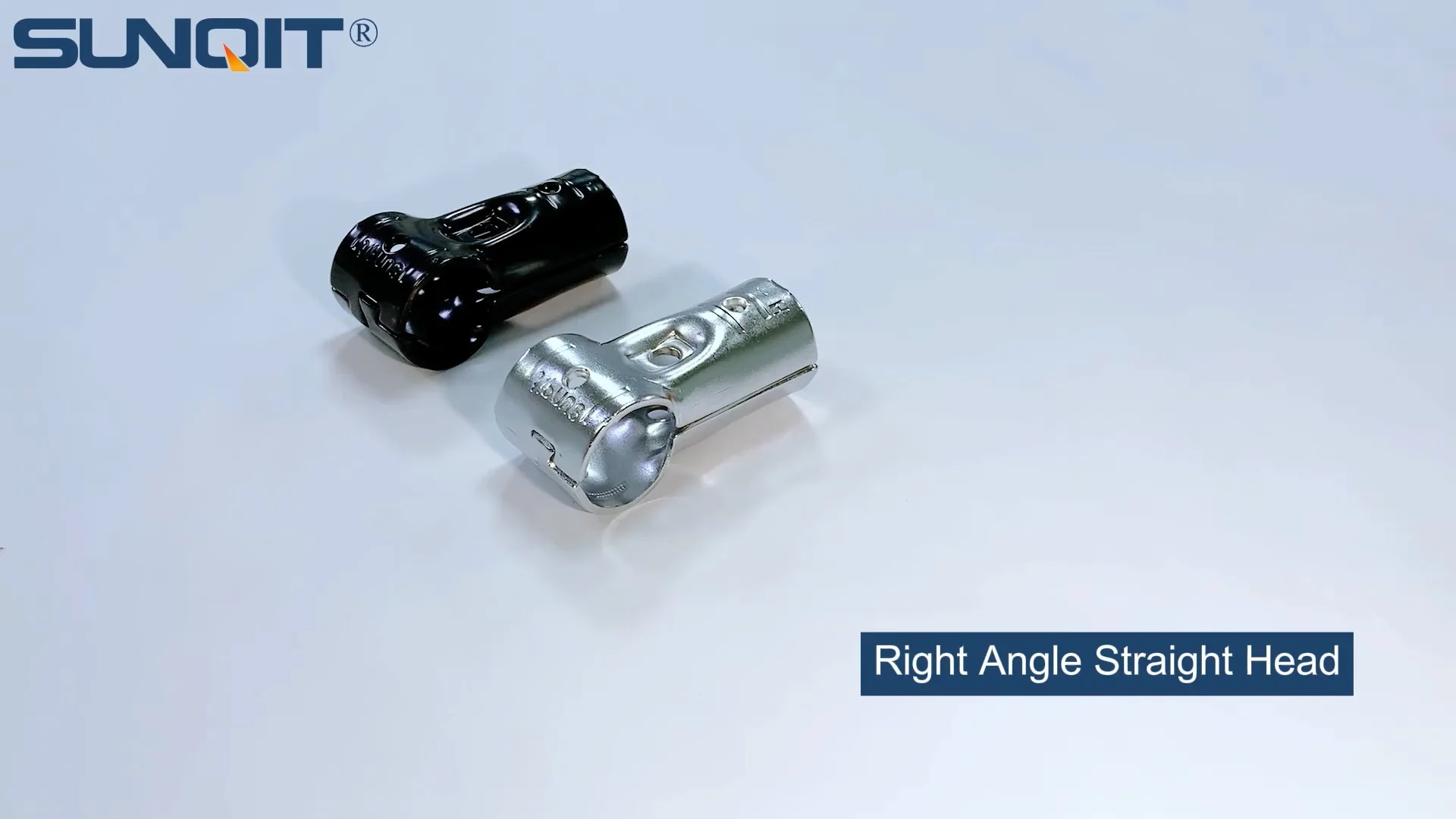
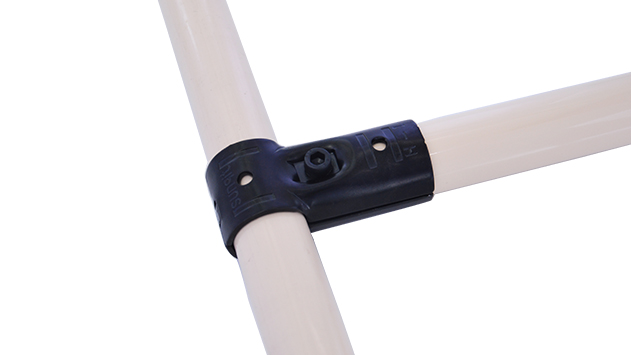
Two way lean pipe joint for 2 pcs 28MM lean pipe connection in straight angle, which used widely in workbench, flow rack, hand trolley frame connection.
In the world of lean manufacturing, where efficiency, flexibility, and adaptability are the cornerstones of success, every component plays a critical role in keeping operations running smoothly. Among these components, the humble lean pipe joint might not grab headlines, but it's the unsung hero that holds everything together. Today, we're diving deep into one specific type—the two way lean pipe joint—and exploring a key challenge in its design: how to balance strength and lightweight properties. Because in a system where workbenches need to support heavy tools, material racks must hold bulk inventory, and turnover trolleys need to be maneuvered with ease, the material properties of these joints can make or break a lean setup.
Understanding the Role of Two Way Lean Pipe Joints in Lean Systems
Before we jump into materials, let's clarify what a two way lean pipe joint is and why it matters. In lean pipe systems, which are used to build everything from assembly line workstations to warehouse flow racks, pipes and joints are the basic building blocks. A two way joint, as the name suggests, connects two pipes at a fixed angle (often 90 degrees, though some designs allow for adjustments), forming the "bones" of structures like workbench frames, conveyor supports, or side rails on material carts. Without reliable joints, these structures would wobble, fail under load, or become impossible to reconfigure—all cardinal sins in lean manufacturing, where adaptability is key.
Think of it this way: if lean pipe systems are the "skeleton" of a factory floor, then two way joints are the "joints" in that skeleton—elbows, knees, and ankles that give the structure stability while allowing for movement (or reconfiguration). And just like in the human body, the strength of these joints determines how much weight the structure can bear, while their weight impacts how easily the structure can be moved or adjusted. That's why material selection for two way lean pipe joints is such a critical engineering decision.
Common Materials for Two Way Lean Pipe Joints: Aluminum, Stainless Steel, and Beyond
When it comes to manufacturing two way lean pipe joints, suppliers typically turn to three main material categories: aluminum (often in the form of aluminum lean pipe), stainless steel (part of the stainless steel pipe series), and traditional steel with a plastic coating (PE coated lean pipe). Each has its own set of properties, but today, we're focusing on the two heavyweights in the industry: aluminum and stainless steel. Why? Because they represent the clearest tradeoffs between strength and lightweight design, and are the most widely used in modern lean systems.
Aluminum Lean Pipe Joints: The Lightweight Contender
Aluminum has become a favorite in lean manufacturing circles, and for good reason. Aluminum lean pipe joints are made from aluminum alloys—most commonly 6061 or 6063, which are prized for their excellent strength-to-weight ratio and corrosion resistance. These alloys are lightweight by nature (aluminum has a density of about 2.7 g/cm³, compared to steel's 7.8 g/cm³), but they're also surprisingly strong, thanks to heat treatment processes that enhance their mechanical properties.
One of the key advantages of aluminum joints is their malleability. During manufacturing, aluminum can be extruded into complex shapes—like the internal grooves that allow two way joints to grip pipes tightly—without sacrificing structural integrity. This precision engineering means that even thin-walled aluminum joints can distribute stress evenly across the pipe connection, reducing the risk of cracks or bending under load. For example, a standard two way aluminum joint might have a wall thickness of just 2-3mm, but still support loads of up to 50kg per joint when properly installed—more than enough for most workbench or light material rack applications.
Stainless Steel Pipe Series Joints: The Strength Champion
On the other end of the spectrum, we have stainless steel pipe series joints. Made from alloys like 304 or 316 stainless steel, these joints are built for durability. Stainless steel is known for its high tensile strength (often exceeding 500 MPa, compared to aluminum's 200-300 MPa) and resistance to corrosion, making it ideal for harsh environments—think factories with high humidity, chemical exposure, or frequent washdowns (like food processing plants).
But there's a catch: stainless steel is heavy. With a density nearly three times that of aluminum, a stainless steel two way joint can weigh 2-3 times as much as its aluminum counterpart. For example, a 90-degree two way stainless steel joint might weigh 250g, while an aluminum joint of the same design weighs just 80-100g. This extra weight adds up quickly when building large structures—imagine a workbench with 20 joints: the stainless steel version would add 3-4kg more than aluminum, making it harder to move or reconfigure.
Strength: How Much Weight Can a Two Way Joint Really Handle?
Strength is non-negotiable for two way lean pipe joints. A joint that bends or breaks under load can lead to damaged equipment, production delays, or even workplace injuries. So, how do manufacturers ensure their joints are strong enough? Let's break down the key strength metrics and how aluminum and stainless steel stack up.
Tensile Strength and Yield Strength
Tensile strength is the maximum stress a material can withstand before breaking, while yield strength is the stress at which the material starts to deform permanently (think of a bent paperclip that doesn't spring back). For two way joints, yield strength is often more critical than ultimate tensile strength—you don't want the joint to warp under normal use, even if it doesn't break.
Aluminum alloys like 6061-T6 have a yield strength of around 276 MPa, which is more than enough for most lean applications. A two way aluminum joint made from this alloy can handle the static load of a workbench (tools, parts, and workers leaning on it) and even moderate dynamic loads (like a box being placed on a material rack). Stainless steel 304, by contrast, has a yield strength of about 205 MPa—lower than aluminum in this case—but because stainless steel is denser, manufacturers often use thicker walls, resulting in higher overall load capacity for the joint itself.
Load Capacity Testing
To put this into real-world terms, let's look at load capacity tests. A leading lean pipe supplier recently tested two way joints made from aluminum lean pipe and stainless steel pipe series under identical conditions: a vertical load (simulating a workbench top pressing down) and a horizontal load (simulating a push or pull on the structure).
The aluminum joint, with a 2mm wall thickness, supported 45kg vertically before showing signs of deformation. The stainless steel joint, with a 3mm wall thickness, supported 65kg vertically. But here's the kicker: the aluminum joint weighed 90g, while the stainless steel joint weighed 240g. So, for every gram of weight, the aluminum joint supported 0.5kg, while the stainless steel joint supported 0.27kg. In other words, aluminum offered better strength per unit weight—a key metric for lightweight design.
Durability and Fatigue Resistance
Strength isn't just about static loads; it's also about long-term durability. Lean systems are often reconfigured repeatedly—joints are assembled, disassembled, and reassembled, which puts stress on the connection points. Over time, this can lead to "fatigue"—small cracks that grow until the joint fails.
Aluminum joints, thanks to their ductility (ability to bend without breaking), tend to handle repeated assembly/disassembly well. The material flexes slightly under stress, reducing the risk of cracking. Stainless steel, while stronger in raw terms, is more brittle, especially if not properly annealed (heat-treated to reduce hardness). This can make stainless steel joints more prone to cracking after multiple reconfigurations—bad news for lean setups that need to adapt frequently.

Lightweight Design: Why Every Gram Matters on the Factory Floor
If stainless steel joints are stronger, why bother with aluminum? Because in lean manufacturing, lightweight design is just as important as strength. Here's why:
Ergonomics and Worker Safety
Factory workers spend hours assembling, moving, or reconfiguring lean structures. Heavy joints mean heavier structures, which increase the risk of back injuries, strains, or dropped equipment. A study by the National Institute for Occupational Safety and Health (NIOSH) found that reducing the weight of tools and equipment by just 10% can lower injury rates by up to 30%. Aluminum two way joints, by cutting the weight of structures, make it easier for workers to lift, carry, and adjust components—whether it's a small turnover trolley or a large flow rack.
Consider a common scenario: a team needs to reconfigure an assembly line workbench to accommodate a new product. With aluminum joints, two workers can disassemble and reassemble the bench in 30 minutes. With stainless steel joints, the same task might take an hour and require a third worker to help lift heavy sections—wasting time and increasing injury risk.
Speed of Installation and Reconfiguration
Lean manufacturing thrives on agility. When a customer order changes, or a production process is optimized, the factory floor needs to adapt quickly. Lightweight joints speed up this process. Lighter structures are easier to move with casters (another key lean component), and assembly requires fewer tools or workers. For example, a material rack built with aluminum lean pipe and two way joints can be assembled by one person in under an hour, whereas a stainless steel version might take two people and 90 minutes.
Cost Savings (Yes, Even with Premium Materials)
At first glance, aluminum joints might seem more expensive than stainless steel—aluminum is a premium material, after all. But when you factor in labor costs (faster installation), reduced injury claims, and lower shipping costs (lighter weight means cheaper transport), aluminum often comes out ahead. A 2023 case study from a mid-sized automotive parts manufacturer found that switching from stainless steel to aluminum two way joints reduced their annual lean system costs by 18%—even though the aluminum joints cost 10% more per unit.

Balancing Act: How Engineers Optimize Strength and Lightweight Design
The magic happens when engineers find the sweet spot between strength and lightweight. It's not about choosing one over the other—it's about designing joints that are strong enough for the job, but no heavier than necessary. Here's how they do it:
Material Thickness Optimization
The thickness of the joint's walls directly impacts both strength and weight. Too thin, and the joint bends; too thick, and it's unnecessarily heavy. Using computer-aided design (CAD) and finite element analysis (FEA), engineers simulate how a joint will behave under load, then adjust the wall thickness accordingly. For example, in high-stress areas (like the corners of a two way joint), they might add a small reinforcement rib, allowing the rest of the joint to be thinner and lighter.
Hollow vs. Solid Designs
Most two way lean pipe joints are hollow, which reduces weight without sacrificing strength. The hollow design distributes stress evenly across the joint's surface, and the internal space can even be used to route cables or hoses in more complex structures (like ESD workstations with power tools). Solid joints, while stronger, are rarely necessary in lean systems and only add unnecessary weight.
Alloy Selection
Not all aluminum alloys are created equal. Engineers choose alloys based on the application: 6063 aluminum, for example, is easier to extrude into complex shapes (great for joints with intricate gripping mechanisms), while 6061 is stronger and better for high-load applications. By matching the alloy to the joint's intended use, manufacturers avoid over-engineering (using a stronger, heavier alloy than needed) or under-engineering (using a weaker, lighter alloy that fails).
Real-World Applications: When to Choose Aluminum vs. Stainless Steel Joints
So, when should you opt for aluminum lean pipe joints, and when is stainless steel the better choice? Let's look at common lean system applications and which material shines.
General Manufacturing and Assembly Lines
For most factory floor setups—workbenches, assembly line frames, lightweight conveyor supports, or turnover trolleys—aluminum two way joints are the go-to. They're light enough for easy reconfiguration, strong enough to handle typical loads (tools, parts, workers), and corrosion-resistant enough for standard factory environments. Plus, their lower weight makes them ideal for structures that need to be moved with casters (like mobile workstations).
Food, Pharmaceutical, or Chemical Industries
In environments with frequent washdowns, chemical exposure, or strict hygiene standards, stainless steel pipe series joints are worth the extra weight. Stainless steel resists rust and bacterial growth, making it compliant with regulations like FDA guidelines for food contact or GMP standards for pharmaceuticals. In these cases, the durability and corrosion resistance outweigh the drawbacks of weight—especially since structures in these industries are often fixed (not frequently reconfigured).
Heavy-Duty Material Handling
For structures that need to support extremely heavy loads—like material racks holding 50kg+ boxes, or conveyor systems for large parts—stainless steel (or even heavy-gauge aluminum) may be necessary. However, engineers often use hybrid designs: aluminum joints for most connections, with stainless steel joints only at critical high-load points. This balances weight and strength, keeping the overall structure manageable.
A Closer Look: Material Properties Comparison Table
| Property | Aluminum Lean Pipe Joints (6061-T6) | Stainless Steel Pipe Series Joints (304) |
|---|---|---|
| Density (g/cm³) | 2.7 | 7.9 |
| Yield Strength (MPa) | 276 | 205 |
| Typical Wall Thickness (mm) | 1.5-2.5 | 2.0-3.0 |
| Weight per Joint (g)* | 80-120 | 200-280 |
| Max Vertical Load (kg)** | 40-55 | 55-70 |
| Corrosion Resistance | Good (resists mild chemicals, humidity) | Excellent (resists saltwater, acids, washdowns) |
| Best For | General manufacturing, assembly lines, lightweight structures | High-corrosion environments, heavy loads, washdown areas |
*Based on a standard 90-degree two way joint, 30mm pipe diameter. **Tested under static load, with proper pipe insertion depth and torque.
The Future of Two Way Lean Pipe Joints: Innovations in Material Science
As lean manufacturing evolves, so too do the materials used in two way joints. Researchers and manufacturers are exploring new ways to push the strength-to-weight ratio even further. One promising area is composite materials—fiberglass-reinforced plastics (FRP) or carbon fiber composites—that offer stainless steel-like strength with aluminum-like weight. While still expensive, these materials could become viable for high-end applications (like aerospace manufacturing) in the next decade.
Another trend is 3D printing. Additive manufacturing allows for complex, lattice-like internal structures in joints, reducing weight while maintaining strength. Imagine a two way joint with a honeycomb interior—lightweight but incredibly strong. 3D-printed aluminum joints are already being tested in prototype lean systems, with early results showing 15-20% weight reduction compared to traditional extruded joints.
Conclusion: Strength and Lightweight—Two Sides of the Same Coin
Two way lean pipe joints may be small, but their impact on factory efficiency, safety, and adaptability is huge. The balance between strength and lightweight design isn't just an engineering challenge—it's a business imperative. For most lean systems, aluminum lean pipe joints strike this balance perfectly, offering enough strength for daily use while keeping structures light and easy to reconfigure. Stainless steel pipe series joints, while heavier, remain indispensable in harsh or high-load environments.
At the end of the day, the best two way joint is the one that fits your specific needs: strong enough to hold what you need, light enough to move when you need to, and durable enough to last. And as material science advances, we can only expect these joints to get smarter, lighter, and stronger—keeping lean manufacturing at the cutting edge of efficiency for years to come.