- Company Articles
- Products and Technology
- Product knowledge
- Two Way Lean Pipe Joint Sizing Guide: Matching Pipe Diameters Correctly

Two Way Lean Pipe Joint Sizing Guide: Matching Pipe Diameters Correctly
Related Product
Two Way Lean Pipe Joint
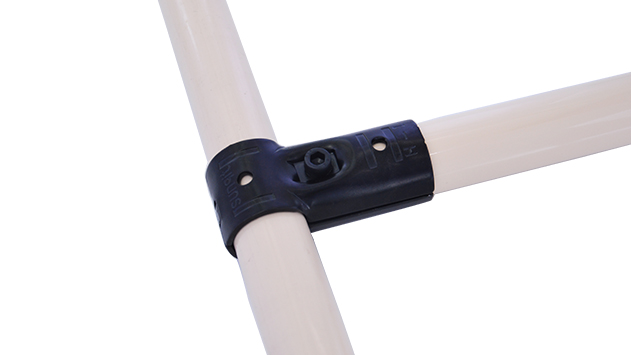
Two way lean pipe joint for 2 pcs 28MM lean pipe connection in straight angle, which used widely in workbench, flow rack, hand trolley frame connection.
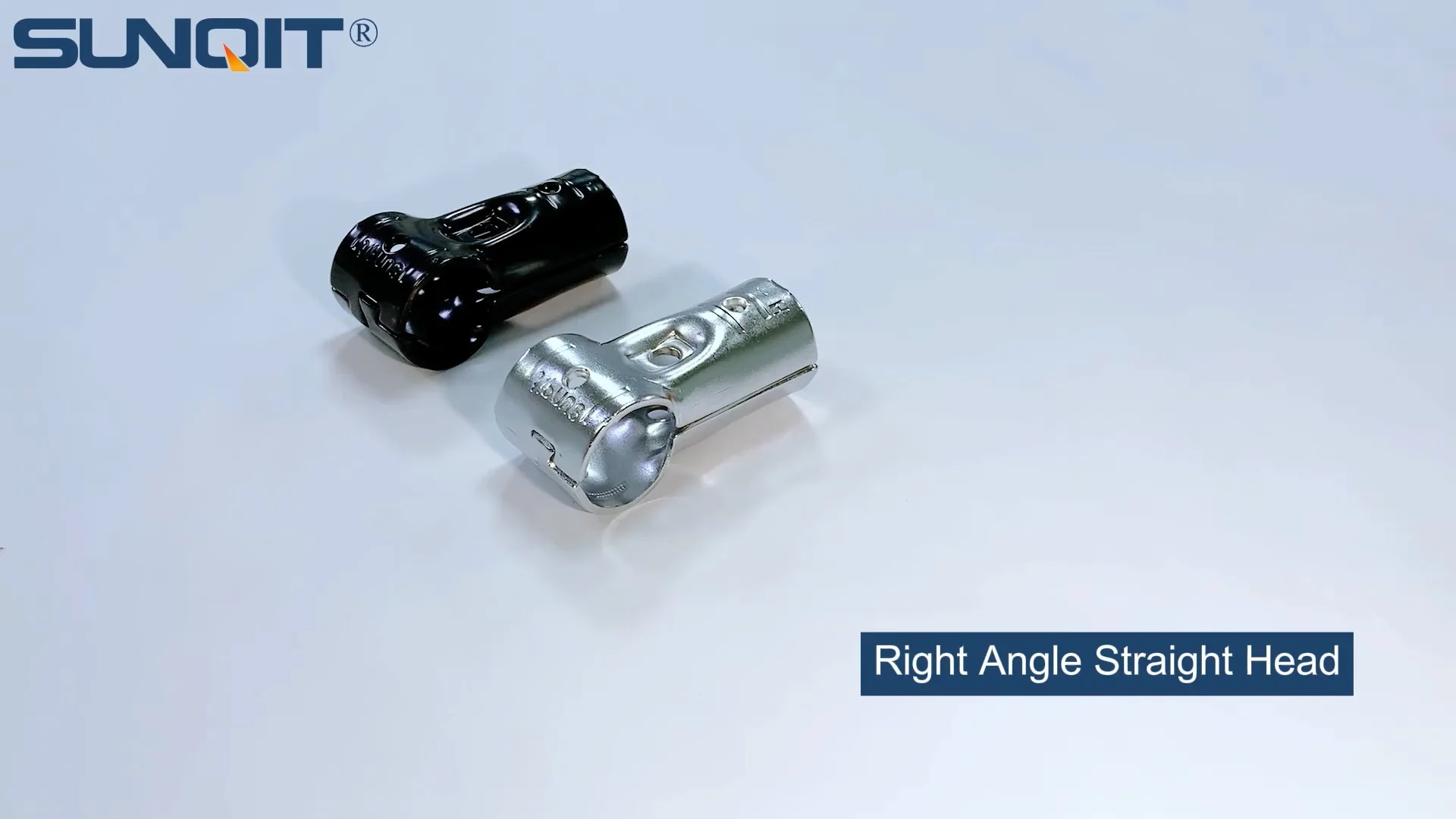
In the world of lean manufacturing and workshop efficiency, every component plays a silent but critical role in keeping operations running smoothly. Among these unsung heroes are lean pipe joints —small, unassuming connectors that hold together the backbone of workbenches, material racks, assembly lines, and turnover trolleys. While they might not grab headlines, the right joint can mean the difference between a stable, productive workspace and one plagued by wobbling structures, wasted time, and even safety risks. And when it comes to two-way lean pipe joints—those versatile connectors that link two pipes at a fixed or adjustable angle—getting the sizing right is non-negotiable.
Whether you're setting up a new workbench for electronics assembly, building a material rack to organize parts, or revamping a production line with aluminum lean pipe for lighter weight, matching the joint to the pipe diameter is the first step toward success. This guide isn't just about numbers on a spec sheet; it's about understanding how these tiny connectors impact your daily workflow. Let's dive into why two-way lean pipe joint sizing matters, how to get it right, and what happens when you don't.
What Are Two-Way Lean Pipe Joints, Anyway?
Before we talk sizing, let's make sure we're all on the same page about what two-way lean pipe joints are. Simply put, these are connectors designed to join two lengths of lean pipe (or similar tubing) at a specific angle—most commonly 90 degrees, but sometimes adjustable for custom setups. Unlike multi-way joints (which connect three or more pipes), two-way joints are the "bread and butter" of linear structures: think the legs of a workbench, the sides of a trolley, or the vertical supports of a material rack.
Two-way joints come in various materials, from zinc-plated steel for standard lean pipe systems to lightweight aluminum for aluminum lean pipe setups, and even stainless steel for environments where corrosion resistance is key (like food processing or cleanrooms). Their design might include set screws, bolts, or friction-fit mechanisms to secure the pipes, but regardless of the style, their job is simple: create a rigid, reliable connection that can withstand the weight and stress of daily use.
Pipe Diameter Fundamentals: Why "One Size Fits All" Doesn't Work
Lean pipes (and their cousins like aluminum and stainless steel tubing) come in standard diameters, but these numbers aren't arbitrary. The outer diameter (OD) of the pipe directly determines which joint will fit—and "close enough" is rarely good enough. Let's break down the basics:
Common Lean Pipe Diameters
Most standard lean pipes (often called "PE-coated lean pipe") have an OD of 28mm (about 1.1 inches). This is the industry workhorse, used in everything from basic workbenches to heavy-duty turnover trolleys. But there are exceptions: aluminum lean pipe might come in slimmer diameters like 20mm or 25mm for lighter applications, while stainless steel pipe series (used in sterile or high-moisture environments) often stick to 28mm or 30mm for compatibility with standard joints.
Why does this matter? A two-way joint designed for 28mm pipe will have a socket (the opening where the pipe inserts) that's precision-machined to grip that exact diameter. If you try to cram a 30mm pipe into a 28mm socket, you'll either damage the joint (bending the metal) or create a loose fit that wobbles under load. Conversely, a 25mm pipe in a 28mm joint will rattle around, leading to instability—imagine a workbench leg that shifts every time you place a tool on it. Not ideal.
The Coating Thickness Catch
Here's a common pitfall: forgetting that PE-coated lean pipe has a plastic layer over the metal core. A "28mm lean pipe" might have a steel core of 25mm, with 1.5mm of PE coating adding up to 28mm OD. If you measure the metal core instead of the total OD, you might mistakenly buy a joint for 25mm pipe—only to find it's too small once the coating is factored in. Always measure the outermost diameter of the pipe, including any coating or finish.
Material Matters: How Pipe Type Affects Sizing
Lean pipe joints aren't just about diameter—they're also about material compatibility. A joint that works perfectly with steel lean pipe might not hold up with aluminum, and vice versa. Let's explore the most common pipe materials and their sizing nuances:
1. PE-Coated Lean Pipe
Standard PE-coated lean pipe (the classic black or white coated tubing) is the most forgiving in terms of joint compatibility. Its OD is consistent (28mm for most), and the coating provides a slight amount of friction, helping joints grip better. Two-way joints for these pipes often use set screws—small bolts that tighten against the pipe to secure it. When sizing, focus on the OD (28mm) and ensure the joint's socket is rated for coated pipe (some cheaper joints might have sharp edges that scratch or tear the PE coating over time).
2. Aluminum Lean Pipe
Aluminum lean pipe is lightweight, corrosion-resistant, and popular for cleanrooms or applications where portability matters (like mobile workstations). Its diameters tend to be more varied: 20mm, 25mm, and 28mm are common. Aluminum is softer than steel, so joints for aluminum pipe often use gentler gripping mechanisms—like smooth sockets with rubber gaskets or adjustable clamps—to avoid denting the tubing. When sizing, check both the OD and the joint's material: aluminum joints (anodized to prevent corrosion) are best here, as steel joints can cause galvanic corrosion when in contact with aluminum.
3. Stainless Steel Pipe Series
Stainless steel pipes are thick-walled and rigid, designed for heavy loads or harsh environments. Their ODs are usually 28mm or 30mm, and they require joints with high clamping force—often stainless steel joints with stainless steel set screws to avoid rust. The key here is to account for wall thickness: a 30mm stainless steel pipe might have a thicker wall than a 30mm aluminum pipe, so the inner diameter (ID) of the joint's socket must still allow the pipe to insert fully. Always check the joint's spec sheet for maximum wall thickness compatibility.

The Cost of Getting It Wrong: Common Sizing Mistakes & Consequences
You might think, "What's the worst that can happen if my joint is a little loose?" The answer: more than you'd expect. Here are real-world scenarios where incorrect sizing leads to headaches (and costs):
Mistake #1: Ignoring Coating Thickness
A manufacturer orders 28mm PE-coated lean pipe but measures the steel core (25mm) instead of the total OD. They buy 25mm two-way joints, only to find the coated pipes won't fit. The result? Delayed production while waiting for new joints, plus the cost of returning the wrong ones. Lesson: Always measure the pipe after coating.
Mistake #2: Mixing Materials
A workshop uses aluminum lean pipe (25mm OD) with steel two-way joints designed for 28mm lean pipe. To make them fit, they over-tighten the set screws, which dents the aluminum pipe. Over time, the dents weaken the pipe, and a loaded workbench leg buckles. Result: Downtime, replacement parts, and a potential safety hazard. Lesson: Match joint material to pipe material.
Mistake #3: Assuming "Standard" Means "Universal"
A team orders "standard" two-way joints online, assuming they'll fit their 28mm stainless steel pipes. But the joints are actually designed for 27mm OD (a less common size from a different manufacturer). The loose fit causes a material rack to sway, and boxes of parts to topple. Result: Damaged inventory and a frustrated team. Lesson: Always confirm the joint's socket diameter with the supplier.

Step-by-Step Sizing Guide: How to Match Two-Way Joints to Pipes
Getting sizing right is simple when you follow these steps. Grab a caliper (digital or analog), your pipe, and the joint specs, and let's go:
Step 1: Measure the Pipe's Outer Diameter (OD)
Use a caliper to measure the OD of your pipe at three points (top, middle, bottom) to ensure it's consistent (some cheap pipes might have slight variations). For PE-coated pipe, measure through the coating—this is the critical dimension. Write down the measurement (e.g., 28.2mm).
Step 2: Check the Joint's Socket Diameter
Look up the joint's spec sheet (provided by the supplier) for the "socket diameter" or "compatible pipe OD." This should be within 0.1–0.3mm of your pipe's OD. For example, a 28mm pipe needs a joint with a socket diameter of 28.0–28.3mm. If the socket is larger than 28.5mm, the fit will be too loose.
Step 3: Test the Fit (Dry Assembly)
Before fully assembling your structure, do a "dry fit": insert the pipe into the joint socket without tightening any screws. The pipe should slide in with gentle pressure—no forcing, no wiggle room. If it's too tight, the joint is too small; if it falls out when you tip it, it's too large.
Step 4: Consider Load and Stress
Even if the fit is perfect, think about how the joint will be used. A two-way joint holding the leg of a workbench (static load) needs less clamping force than one on a turnover trolley (which moves, adding dynamic stress). For heavy loads, choose joints with reinforced sockets or extra set screws—just ensure they still match the pipe diameter.
Sizing Chart: Pipe Diameter vs. Compatible Two-Way Joints
To simplify, here's a quick reference table for common pipe types and their ideal two-way joints:
| Pipe Type | Standard OD (mm) | Recommended Joint Type | Joint Material | Max Load Capacity* |
|---|---|---|---|---|
| PE-Coated Lean Pipe | 28mm | 28mm Two-Way Fixed Joint (Zinc-Plated Steel) | Zinc-Plated Steel | 300kg per joint |
| Aluminum Lean Pipe | 25mm | 25mm Two-Way Adjustable Joint (Aluminum) | Anodized Aluminum | 150kg per joint |
| Stainless Steel Pipe Series | 30mm | 30mm Two-Way Heavy-Duty Joint (Stainless Steel) | 304 Stainless Steel | 400kg per joint |
| Thin-Wall Aluminum Pipe | 20mm | 20mm Two-Way Lightweight Joint (Aluminum) | Aluminum Alloy | 80kg per joint |
*Max load capacity is a general guideline; always check the manufacturer's specs for your specific joint.
Real-World Applications: Sizing in Action
Let's put this knowledge to work with two common scenarios where two-way lean pipe joint sizing makes all the difference:
Scenario 1: Building Workbench E (Single Deck, Without Casters)
Workbench E is a basic, static workbench used for assembly tasks. Its frame is made of 28mm PE-coated lean pipe, with two-way joints at each corner (connecting the vertical legs to the horizontal rails). For stability, the joints need to grip the 28mm pipes tightly—no wobble, even when an operator leans on the bench or places heavy tools on it.
Solution: Use 28mm zinc-plated two-way fixed joints with two set screws per socket. The set screws bite into the PE coating (without piercing it) to create a rigid connection. Dry fit each joint before tightening, and ensure the bench doesn't rock when pushed from the sides.
Scenario 2: Assembling Material Rack B (3 Rows, 3 Floors)
Material Rack B is designed to hold boxes of components, with each shelf supporting up to 50kg. It uses 30mm stainless steel pipes for vertical supports (corrosive warehouse environment) and 28mm PE-coated pipes for horizontal shelves. The two-way joints here connect the vertical and horizontal pipes, needing to handle both the weight of the shelves and the lateral stress when boxes are loaded/unloaded.
Solution: For vertical stainless steel pipes (30mm OD), use 30mm stainless steel two-way joints with reinforced sockets. For horizontal PE-coated pipes (28mm OD), use 28mm zinc-plated joints. Ensure the joint sockets are rated for both materials, and tighten set screws evenly to avoid warping the joint.
Accessories That Complement Sizing: Casters, Leveling Feet, and More
Two-way joints don't work alone—they're part of a system that includes accessories like casters, leveling feet, and pipe clamps. These can affect sizing, too:
- Casters: Adding casters to a trolley means the two-way joints at the base must handle not just vertical load, but also horizontal movement (when pushing the trolley). Use joints with extra set screws or locking mechanisms to prevent loosening over time.
- Leveling Feet: If your floor is uneven, leveling feet adjust the height of your structure—but over-adjusting can tilt the pipes, putting stress on the joints. Ensure the joint can pivot slightly (if using adjustable joints) or that the leveling feet are used minimally to keep pipes straight.
- Pipe Clamps: These secure tools or bins to the pipes, but over-tightening can bend the pipe, making it harder to fit into joints later. Choose clamps that match the pipe OD to avoid distortion.
Conclusion: Sizing = Success
Two-way lean pipe joints might be small, but their impact on your workspace is huge. Getting the sizing right—matching pipe diameter, material, and load capacity—ensures your structures are stable, safe, and built to last. Whether you're working with standard lean pipe , lightweight aluminum lean pipe , or durable stainless steel pipe series , the steps are the same: measure carefully, check specs, test the fit, and consider how the joint will be used.
At the end of the day, a well-sized joint is one you never notice—it just works, quietly supporting your team's productivity. And isn't that the goal of lean manufacturing? To create systems that make work easier, not harder. So grab your caliper, check those specs, and build something that lasts.