- Company Articles
- Products and Technology
- Product knowledge
- Two Way Lean Pipe Joint Surface Treatment: Anti-Corrosion Features for Industrial Use

Two Way Lean Pipe Joint Surface Treatment: Anti-Corrosion Features for Industrial Use
Related Product
Two Way Lean Pipe Joint
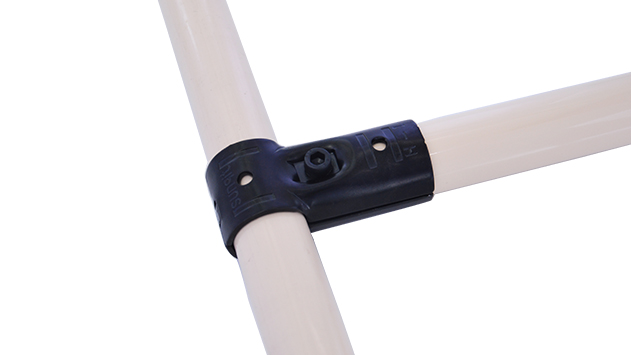
Two way lean pipe joint for 2 pcs 28MM lean pipe connection in straight angle, which used widely in workbench, flow rack, hand trolley frame connection.
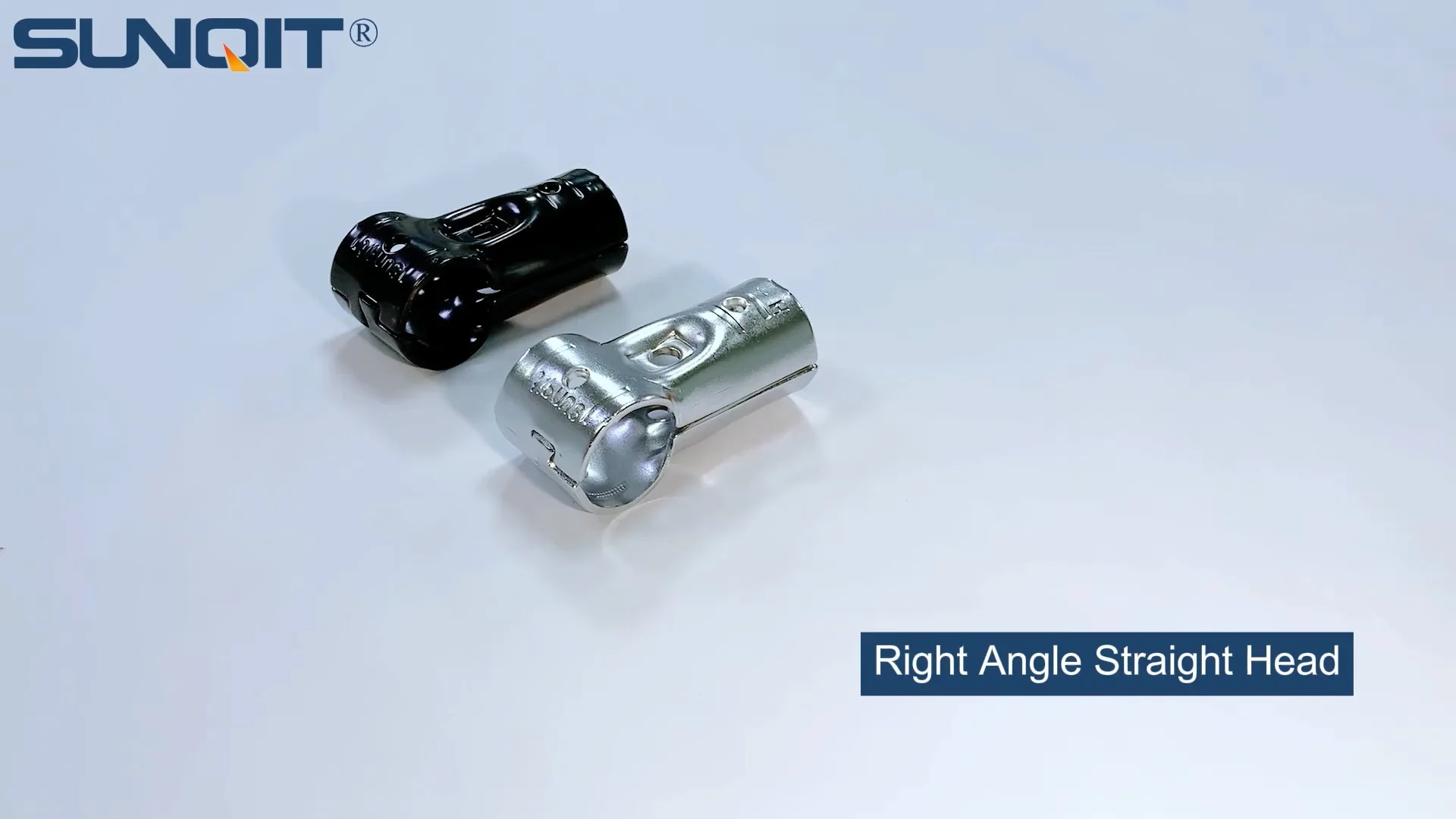
Walk into any bustling factory, warehouse, or production facility, and you'll quickly notice the unsung heroes holding everything together: lean pipe joints. These small but critical components are the backbone of modular structures—connecting lean pipes to form workbenches, material racks, turnover trolleys, and even entire production lines. Among the most common types is the two way lean pipe joint, a simple yet ingenious piece that links two lean pipes at a 90-degree angle, creating stable right-angle connections. But here's the catch: in industrial environments, where moisture, chemicals, and heavy use are daily realities, these joints face a silent enemy: corrosion. Left unchecked, rust and degradation can turn a sturdy joint into a weak link, threatening safety, slowing production, and hiking up maintenance costs. That's why surface treatment isn't just an afterthought—it's the key to making two way lean pipe joints last. In this article, we'll dive into how surface treatments protect these joints, the anti-corrosion features that matter most, and why they're essential for any industrial setup.
What Even Is a Two Way Lean Pipe Joint?
Before we get into surface treatments, let's make sure we're all on the same page about what a two way lean pipe joint actually does. Picture this: you're building a workbench for an assembly line. You have lengths of lean pipe—hollow metal tubes, often made of steel, aluminum, or plastic-coated steel—and you need to connect them to form the bench's frame. A two way lean pipe joint is the piece that lets you attach two pipes at a right angle, say, the vertical legs to the horizontal top frame. It's like the cornerstone of the structure, ensuring everything stays square and secure. These joints come in different materials too: some are made of plain steel, others of stainless steel (part of the broader stainless steel pipe series), and increasingly, lightweight aluminum lean pipe joints are gaining popularity for their durability and rust resistance.
But why "two way"? Because it has two connection points—one for each pipe. You slide the ends of the pipes into the joint, tighten a set screw or bolt, and boom: a solid connection. Over time, these joints get put through the wringer: they support heavy loads (think toolboxes, components, even workers leaning on the workbench), get splashed with cleaning solutions, and sit in humid or dusty environments. Without proper protection, all that wear and tear takes a toll. So, surface treatment is like giving the joint a suit of armor—one that repels corrosion and keeps it strong for years.
Corrosion: The Silent Factory Foe
Let's talk about why corrosion is such a big deal in industrial settings. Corrosion is what happens when metal reacts with its environment—usually oxygen and moisture—to form rust or other compounds. In factories, warehouses, and workshops, the conditions are practically a corrosion party: high humidity from steam or cooling systems, chemicals like oils, solvents, or cleaning agents, even salt in coastal areas. All of these speed up the process.
Here's what that looks like in real life: A two way lean pipe joint on a material rack starts to rust. At first, it's just a few orange specks—easy to ignore. But those specks grow, eating away at the metal. The joint gets weaker, and the connection between the pipes loosens. Now, when a worker loads a heavy box onto the rack, the joint might slip, causing the rack to tilt. If it's really bad, the whole structure could collapse, damaging products, injuring someone, or halting production. Even if it doesn't collapse, loose joints mean wobbly workbenches, which make precise assembly nearly impossible. And replacing corroded joints isn't cheap—there's the cost of the new parts, the labor to install them, and the downtime while the work is done. For a lean system supplier, this is a big problem: their customers rely on lean systems to be efficient and low-maintenance. Corroded joints undermine that promise.
Surface Treatments: Giving Joints Their Armor
So, how do manufacturers protect two way lean pipe joints from corrosion? They use surface treatments—special processes that modify the joint's outer layer to make it resistant to rust, chemicals, and wear. Let's break down the most common methods, what they do, and why they work.
| Treatment Method | How It Works | Anti-Corrosion Superpowers | Best For |
|---|---|---|---|
| Electroplating (Chrome or Zinc) | A thin layer of metal (like chrome or zinc) is deposited onto the joint using electricity. The joint is submerged in a solution with metal ions, and an electric current makes the ions stick to the joint's surface. |
- Acts as a barrier: The metal layer blocks moisture and oxygen from reaching the base metal.
- Zinc "sacrifices" itself: If scratched, zinc corrodes first, protecting the steel underneath. |
Indoor factories, dry to moderately humid areas, or places with mild chemical exposure (like general assembly lines). |
| Powder Coating | Dry powder (usually plastic-based) is sprayed onto the joint using static electricity, then baked in an oven. The powder melts and hardens into a smooth, durable coating. |
- Thick, tough finish: Resists scratches, dents, and chipping.
- Chemical resistance: Repels oils, solvents, and even some acids. |
Outdoor use (like loading docks), areas with heavy physical contact (e.g., turnover trolleys), or environments with frequent chemical spills. |
| Anodizing (For Aluminum Lean Pipe Joints) | Aluminum joints are submerged in an acid bath and exposed to electricity, which causes the surface to oxidize. This forms a thick, porous oxide layer that can be dyed (if needed). |
- Natural corrosion resistance: Aluminum already oxidizes, but anodizing thickens the oxide layer, making it stronger.
- No flaking: The oxide layer is part of the metal, so it won't peel off like paint. |
Cleanrooms, food processing facilities, or any place where lightweight, rust-proof joints are needed (aluminum lean pipe systems are great here). |
| Passivation (For Stainless Steel Joints) | Stainless steel joints are treated with a chemical (like nitric acid) to remove free iron from the surface. This helps the chromium in the steel form a protective oxide layer. |
- Boosts stainless steel's natural strength: Stainless steel resists corrosion, but passivation makes it even better.
- Prevents "tea staining": Removes tiny iron particles that can cause rust-like discoloration. |
High-moisture areas (like breweries or car washes), or places with harsh chemicals (pharmaceutical labs, chemical plants). |
Electroplating: The Classic Shield
Electroplating is one of the oldest and most widely used surface treatments for two way lean pipe joints. Think of it like giving the joint a metallic "skin." For steel joints, zinc electroplating is popular because zinc is great at fighting corrosion. Here's how it works: the joint is cleaned to remove dirt and oil, then dipped into a tank filled with a zinc salt solution. The joint is connected to the negative end of a battery, and a zinc metal bar is connected to the positive end. When electricity flows, zinc ions in the solution are drawn to the joint, sticking to its surface and forming a thin, even layer. This layer acts like a shield, keeping moisture and oxygen away from the steel. And if the coating gets scratched, the zinc "sacrifices" itself by corroding first, protecting the steel underneath—a process called "cathodic protection." It's like having a bodyguard that takes the hit so you don't have to.
Anodizing: Aluminum's Secret Weapon
Aluminum lean pipe joints are becoming more popular because aluminum is lightweight and naturally resistant to corrosion. But anodizing takes that resistance to the next level. Unlike electroplating, which adds a layer, anodizing changes the aluminum itself. The joint is placed in an acid bath, and an electric current is applied, causing the aluminum's surface to oxidize. This forms a layer of aluminum oxide—a hard, porous material that's integrated with the metal (so it can't peel off). The porous layer can even be dyed, so you can get joints in different colors (though most industrial users stick with natural silver or black for a clean look). Anodized aluminum joints are perfect for environments where weight matters, like mobile workbenches or turnover trolleys, because they're strong but not heavy. Plus, they're easy to clean—just wipe them down with a damp cloth—and they don't rust, even in humid air.

Why Surface Treatment Matters for Your Lean System
You might be thinking, "Do I really need to splurge on treated joints? Can't I just use basic ones and replace them when they rust?" The short answer: yes, you could—but it'll cost you more in the long run. Let's break down the benefits of investing in properly surface-treated two way lean pipe joints.
Longevity: They Last Longer
A basic steel two way lean pipe joint might last 6–12 months in a humid factory before rust sets in. A zinc-electroplated one? 3–5 years. Anodized aluminum or passivated stainless steel? 5–10 years, easy. That means fewer replacements, less downtime, and lower long-term costs. For a lean system supplier, this is a selling point: their systems are designed to be efficient, and frequent part replacements are the opposite of efficient.
Safety: No More Wobbly Structures
Loose or corroded joints aren't just annoying—they're dangerous. A wobbly workbench could cause a worker to slip, or a collapsing material rack could crush products (or worse). Surface-treated joints stay tight and strong, so your structures stay stable. That's peace of mind for everyone on the factory floor.
Lower Maintenance: Less Time Fixing, More Time Producing
Corroded joints need to be cleaned, sanded, painted, or replaced. That takes time—time your maintenance team could spend on more important tasks. Treated joints need almost no upkeep: just an occasional wipe-down. One factory we worked with (a lean system supplier client) reported that after switching to powder-coated joints, their maintenance team spent 80% less time on joint-related repairs. That's time they could use to fix machines, optimize workflows, or train new staff.

Choosing the Right Treatment for Your Needs
Not all surface treatments are created equal, and the best one for you depends on your environment. Here's a quick guide to help you decide:
- Indoor, dry environments (like offices or cleanrooms): Zinc electroplating or anodized aluminum lean pipe joints work great. They're affordable and more than resistant enough for low-humidity, low-chemical areas.
- Humid or moderately chemical-exposed areas (general assembly lines, warehouses): Go for zinc electroplating (for steel) or passivated stainless steel (part of the stainless steel pipe series). Stainless steel is pricier but worth it if moisture is a constant issue.
- Outdoor or heavy chemical areas (loading docks, factories with oil/solvent use): Powder coating is your best bet. Its thick finish stands up to rain, UV rays, and harsh chemicals.
- Lightweight needs (mobile workbenches, trolleys): Anodized aluminum lean pipe joints are the way to go. They're strong, rust-proof, and won't weigh down your mobile structures.
And don't forget to ask your lean system supplier about their surface treatment processes. A reputable supplier will be happy to share details: what kind of plating they use, how thick the coating is, and if they have any certifications (like ISO standards for corrosion resistance). If a supplier can't answer these questions, that's a red flag—you want someone who takes quality seriously.
Final Thoughts: Small Joints, Big Impact
Two way lean pipe joints might seem like small, parts—but they're the glue that holds your industrial workflows together. And surface treatment is what keeps that glue strong, even in the toughest factory conditions. Whether you're building a workbench, a material rack, or an entire production line, investing in properly treated joints isn't just about avoiding rust—it's about building a system that's safe, efficient, and built to last. So the next time you're sourcing lean pipe components, remember: the right surface treatment isn't an extra—it's essential. Your team, your budget, and your productivity will thank you.