- Company Articles
- Products and Technology
- Product knowledge
- Two Way Lean Pipe Joint Thread Design: Ensuring Secure Pipe Connections

Two Way Lean Pipe Joint Thread Design: Ensuring Secure Pipe Connections
Related Product
Two Way Lean Pipe Joint
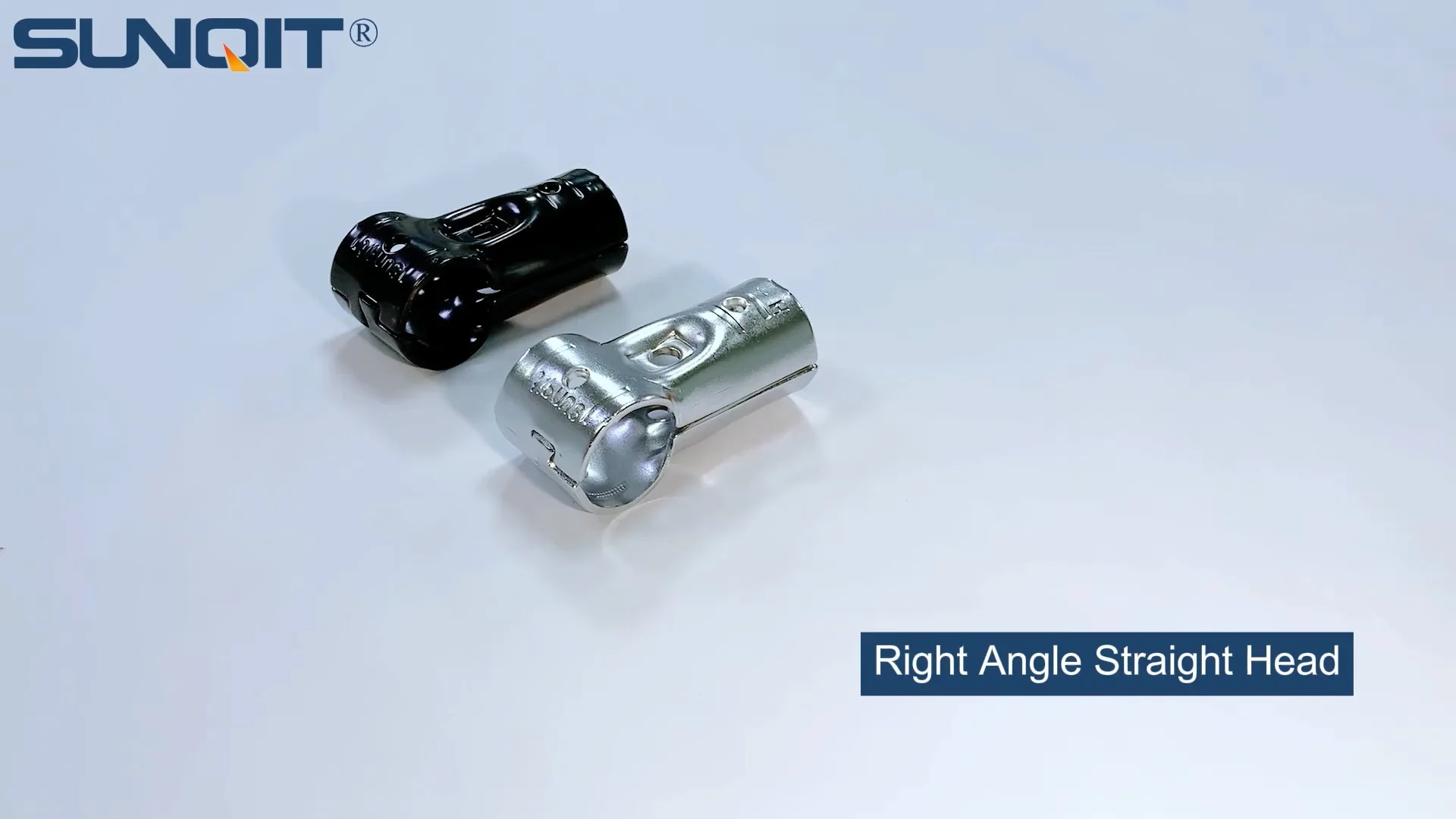
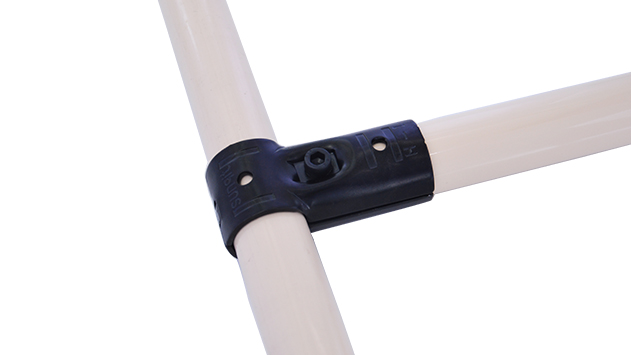
Two way lean pipe joint for 2 pcs 28MM lean pipe connection in straight angle, which used widely in workbench, flow rack, hand trolley frame connection.
In the fast-paced world of manufacturing and production, efficiency isn't just a buzzword—it's the backbone of success. Every component, every process, and every connection plays a role in keeping operations running smoothly. Enter the lean system : a philosophy built on minimizing waste, maximizing productivity, and creating flexible workflows that adapt to changing needs. At the heart of this system lies a seemingly small but critical element: the lean pipe joint . Specifically, the two-way lean pipe joint, with its intricate thread design, is the unsung hero that ensures stability, reliability, and safety in everything from workbenches to material racks. Let's dive into how this tiny component's thread design makes a huge difference in keeping your production line secure and efficient.
Understanding the Two Way Lean Pipe Joint: More Than Just a Connector
Before we get into threads, let's clarify what a two-way lean pipe joint is. In simple terms, it's a fitting that connects two lengths of lean pipe (often made of steel, aluminum, or plastic-coated materials) at a straight angle or slight bend, allowing you to build structures like workbenches, flow racks, or turnover trolleys. Unlike three-way or cross joints, two-way joints focus on creating linear or paired connections—think of them as the "elbows" or "straight connectors" of the lean system world.
But why does this matter? Because in any lean setup, the strength of the entire structure depends on the strength of its connections. A wobbly joint can throw off an entire workbench, leading to misaligned tools, unstable materials, or even safety hazards. That's where thread design comes in. The threads on a two-way joint aren't just grooves cut into metal—they're precision-engineered to lock pipes together with just the right amount of tension, preventing slippage, loosening, or failure under stress.
The Thread Design Breakdown: What Makes It Secure?
Let's get technical (but keep it simple). Thread design in two-way lean pipe joints involves three key elements: thread type, pitch, and material compatibility. Each plays a unique role in ensuring a secure connection.
1. Thread Type: Coarse vs. Fine, and Why It Matters
Most lean pipe joints use either coarse or fine threads. Coarse threads have wider gaps between the ridges (called "pitch"), making them easier to screw in quickly—ideal for applications where you need to assemble or disassemble structures fast, like temporary workstations. Fine threads, with tighter, narrower gaps, provide more contact area between the joint and the pipe, creating a stronger, more vibration-resistant hold. For permanent or heavy-load setups (think a material rack holding 50kg components), fine threads are often the go-to choice.
But here's the kicker: two-way joints often use a hybrid approach. Many manufacturers design them with a coarse start (to speed up initial assembly) that transitions to fine threads near the base (to lock the pipe in place once tightened). This way, you get the best of both worlds: quick setup and a rock-solid hold.
2. Pitch: The "Grip" of the Thread
Pitch refers to the distance between adjacent threads, measured in millimeters (for metric threads) or threads per inch (for imperial). In lean systems, metric threads are standard, with common pitches ranging from 0.8mm to 1.5mm. A smaller pitch (tighter threads) means more ridges contact the pipe's inner wall, distributing force evenly and reducing the risk of stripping. For example, a 1.0mm pitch thread will have more contact points than a 1.5mm pitch thread, making it better for high-stress applications like conveyor roller tracks, where constant movement could loosen a weaker joint.
Manufacturers also pay close attention to thread depth—the height of the ridges. Shallow threads might save material but compromise grip, while overly deep threads can weaken the joint itself. The sweet spot? Threads that are deep enough to bite into the pipe without sacrificing the joint's structural integrity. This balance is especially crucial for aluminum pipe joints, as aluminum is softer than steel and requires precise threading to avoid deformation.
3. Material Compatibility: Threads and Pipes That Play Well Together
A great thread design is useless if the joint material doesn't match the pipe. For example, a steel joint with sharp threads might work well with steel lean pipe, but if paired with a plastic-coated pipe, those sharp edges could scratch or damage the coating, leading to corrosion over time. That's why many two-way joints for plastic-coated pipes have rounded thread peaks—gentle enough to grip without tearing the coating.
Aluminum pipe joints take this a step further. Aluminum is lightweight and corrosion-resistant, but it's also more malleable. Threads on aluminum two-way joints are often coated with a thin layer of zinc or nickel to reduce friction during assembly and prevent galling (a type of wear where metal surfaces stick together). This ensures that when you tighten the joint, the threads don't seize up or damage the aluminum pipe—critical for maintaining the pipe's structural integrity over repeated use.
Real-World Impact: Why Thread Design Prevents Downtime and Accidents
Let's move beyond the specs and talk about what this means for your shop floor. Imagine a busy electronics production line where workers assemble circuit boards on a workbench built with lean pipes and two-way joints. If the threads on those joints are poorly designed—say, too shallow or with inconsistent pitch—the workbench might start to wobble after a few weeks of use. A technician placing a delicate component could misalign it due to the wobble, leading to rework. Worse, if a joint fully fails, tools or materials could fall, causing delays or injuries.
Now, picture the same workbench with well-designed threads. The joints stay tight even as workers lean on the bench, place heavy equipment, or bump into it with trolleys. The workbench remains level, tools stay organized, and materials glide smoothly across the surface. That's the difference thread design makes: it turns a "good enough" structure into one that's reliable, day in and day out.
Another example: roller tracks. These systems use two-way joints to connect roller rails, allowing materials to slide from one workstation to the next. If the joints loosen, the rails misalign, and boxes or parts get stuck—halting the entire flow. With precision threads, the joints maintain their position, keeping the rails straight and the workflow uninterrupted. It's a small detail, but it directly impacts throughput and employee frustration levels.

Comparing Joint Thread Designs: A Quick Reference
Not all two-way lean pipe joints are created equal. To help you choose the right one for your needs, here's a comparison of common thread designs and their best uses:
| Thread Design Feature | Coarse Threads (1.5mm Pitch) | Fine Threads (0.8mm Pitch) | Hybrid (Coarse-to-Fine) |
|---|---|---|---|
| Assembly Speed | Fast (fewer turns needed) | Slower (more turns for tightness) | Fast initial, tight final |
| Vibration Resistance | Low (gaps can loosen over time) | High (tighter grip reduces movement) | Medium-High (balances speed and grip) |
| Best For | Temporary structures, light loads | Permanent workbenches, heavy racks | General-purpose lean systems |
| Compatible Pipes | Plastic-coated, aluminum (low stress) | Steel, thick-walled aluminum | Most lean pipe types |

Choosing the Right Two Way Joint: Key Factors to Consider
Now that you know the basics of thread design, how do you pick the right two-way joint for your project? Here are a few questions to ask:
1. What's the load capacity? If you're building a workbench that will hold 100kg of tools, fine threads with a tight pitch are a must. For a lightweight trolley, coarse threads might suffice.
2. Will it be exposed to vibration or movement? Conveyor systems or mobile trolleys need threads that resist loosening—opt for fine or hybrid designs here.
3. What type of pipe are you using? Aluminum pipes pair best with joints with coated or rounded threads to prevent galling. Steel pipes can handle sharper threads for a tighter grip.
4. How often will you disassemble it? If you need to reconfigure your setup frequently, coarse threads will save time during assembly.
Maintenance Matters: Keeping Threads Secure Over Time
Even the best thread design can fail if neglected. Here are simple tips to keep your two-way joints secure:
Inspect regularly: Check for stripped threads, rust, or deformation. If a joint feels loose even after tightening, replace it—damaged threads won't hold.
Clean before assembly: Dirt or debris in threads can cause uneven tightening. Wipe threads with a dry cloth before connecting pipes.
Lubricate (sparingly): For steel joints, a drop of machine oil on threads can reduce friction and prevent rust. Avoid over-lubricating, as it can attract dust.
Don't overtighten: Yes, you want a secure fit, but cranking a joint too hard can strip threads or warp the pipe. Tighten until you feel resistance, then give it a quarter-turn more—no more.
Conclusion: Threads That Keep the Lean System Moving
In the grand scheme of lean manufacturing, it's easy to overlook the small parts. But as we've explored, the thread design of a two-way lean pipe joint is anything but small. It's the difference between a wobbly workbench and a stable one, between a production line that stalls and one that flows, between a safe workspace and a risky one.
Whether you're building a simple workbench or a complex network of flow racks, remember: the strength of your lean system starts with the strength of your connections. By choosing two-way joints with thoughtful thread design—matching pitch, material, and application—you're not just building structures; you're building reliability. And in the world of lean, reliability is everything.
So the next time you tighten a lean pipe joint, take a moment to appreciate those tiny threads. They might not make headlines, but they're hard at work, keeping your operations secure, efficient, and ready for whatever the production day throws at them.