- Company Articles
- Products and Technology
- Product knowledge
- Two Way Lean Pipe Joint vs Multi Way Joint: When to Choose Each for Production

Two Way Lean Pipe Joint vs Multi Way Joint: When to Choose Each for Production
Related Product
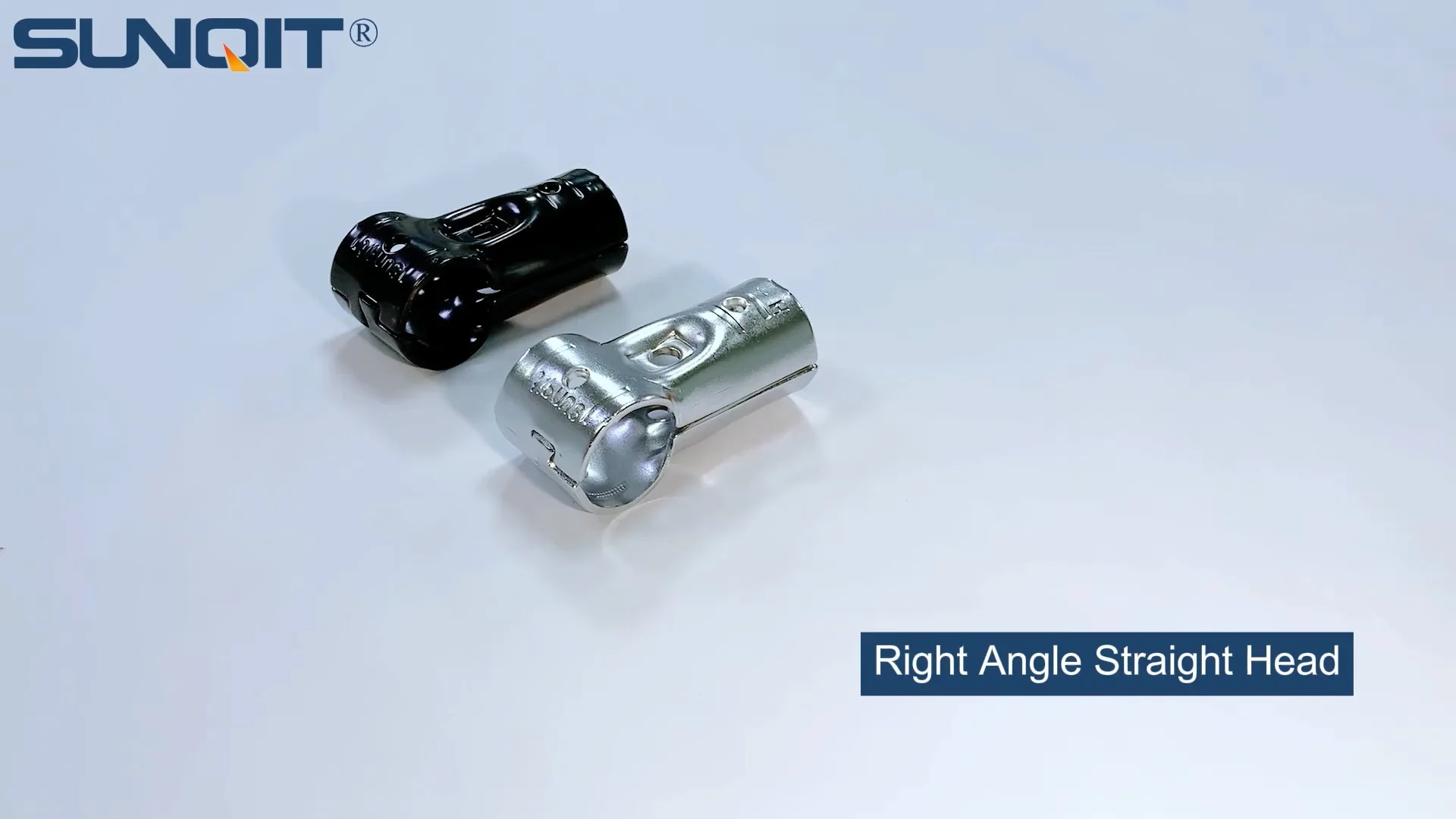
Two Way Lean Pipe Joint
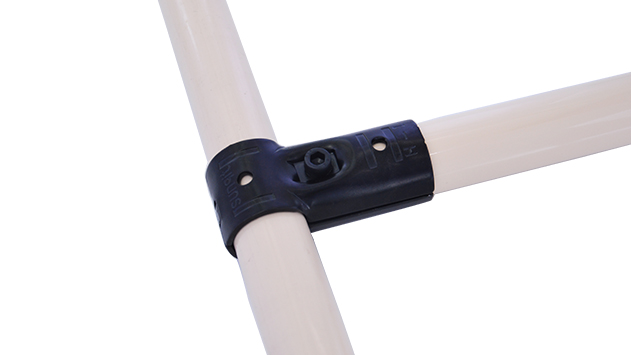
Two way lean pipe joint for 2 pcs 28MM lean pipe connection in straight angle, which used widely in workbench, flow rack, hand trolley frame connection.
In the fast-paced world of manufacturing and production, efficiency isn't just a buzzword—it's the backbone of success. Every tool, every component, and every decision plays a role in keeping workflows smooth, costs in check, and teams productive. Enter the lean system: a philosophy built on eliminating waste, streamlining processes, and adapting to change. At the heart of many lean systems lies a humble yet critical component: the lean pipe joint. These unassuming connectors are the glue that holds together everything from workbenches to roller tracks, material racks to turnover trolleys. But not all joints are created equal. Today, we're zeroing in on two of the most common types: the two-way lean pipe joint and the multi-way lean pipe joint. By the end of this guide, you'll know exactly when to reach for each to build a lean system that works as hard as your team does.
Understanding Lean Pipe Joints: The Unsung Heroes of Lean Systems
Before we dive into the specifics of two-way and multi-way joints, let's take a step back. What exactly is a lean pipe joint, and why does it matter? Simply put, a lean pipe joint is a connector designed to link lean pipes (also known as or aluminum lean pipes) into structures that support production. Think of them as the building blocks of your workspace—they turn basic pipes into functional tools like workbenches where assembly happens, roller tracks that move materials seamlessly, or racks that keep inventory organized.
Lean pipe joints come in all shapes and sizes, each engineered for a specific purpose. Some are fixed, holding pipes at rigid angles; others swivel, allowing for adjustable setups. Some connect two pipes, while others can link three, four, or more. The key is choosing the right joint for the job. A poorly matched joint can lead to wobbly workbenches, inefficient material flow, or even safety hazards. On the flip side, the right joint turns a collection of pipes into a system that adapts to your needs, reduces downtime, and boosts productivity.
In this article, we'll focus on two primary categories: two-way joints (which connect two pipes) and multi-way joints (which connect three or more). We'll break down their designs, strengths, weaknesses, and ideal applications. Whether you're setting up a small workshop or revamping a large-scale production line, this guide will help you make informed choices that align with your lean goals.
The Two-Way Lean Pipe Joint: Simplicity, Reliability, and Affordability
Let's start with the basics: the two-way lean pipe joint. As the name suggests, this joint is designed to connect two lean pipes. It's the most straightforward type of joint, and for good reason—simplicity is its superpower. Two-way joints are like the trusty screwdriver in your toolbox: not flashy, but indispensable for everyday tasks.
Design and Functionality
Two-way joints typically come in two main designs: fixed-angle and swivel. Fixed-angle two-way joints lock pipes into a specific position—most commonly 90 degrees (for right-angle connections, like the corner of a workbench) or 180 degrees (for extending a straight line, like adding length to a roller track). Swivel two-way joints, on the other hand, allow for adjustable angles, making them ideal for situations where you might need to tweak the slope of a roller track or the height of a workbench shelf over time.
Materials matter here, too. Most two-way joints are made from steel, aluminum, or a combination of metal and plastic. Steel joints are durable and handle heavy loads, while aluminum joints are lighter and resistant to corrosion—great for cleanrooms or environments where moisture is a concern. Plastic components often add grip, preventing pipes from slipping once connected.
Benefits of Two-Way Joints
Why would you choose a two-way joint over a more complex option? Let's start with cost. Two-way joints are generally the most affordable type of lean pipe joint. Since they have fewer parts and simpler manufacturing, they're easy on the budget—perfect for small businesses or teams working with tight resources.
Installation is another win. Even if you're new to lean systems, two-way joints are intuitive to use. Most require no special tools: you slide the pipe into the joint, tighten a setscrew or bolt, and you're done. This speed saves time during setup and makes it easy to disassemble and reconfigure structures later—say, if you need to rearrange your workspace for a new project.
Durability is also a strong suit. With fewer moving parts than multi-way joints, there's less that can go wrong. A well-made two-way joint will hold up to daily use, whether it's supporting the weight of tools on a workbench or the constant motion of materials on a roller track.
Ideal Applications for Two-Way Joints
Two-way joints shine in simple, linear, or low-complexity structures. Here are a few common use cases:
- Basic Workbenches: A standard workbench with a flat surface and four legs? That's two-way joints all the way. They connect the vertical legs to the horizontal frame, creating a stable base for assembly, packaging, or inspection tasks.
- Straight Roller Tracks: If you need a simple conveyor system to move boxes from point A to point B along a straight line, two-way joints will connect the roller track sections into a continuous path.
- Single-Tier Material Racks: A rack with one shelf for storing bins or tools? Two-way joints link the vertical supports to the horizontal beams, keeping things neat and accessible.
- Turnover Trolleys: Small trolleys used to transport materials around the shop often rely on two-way joints for their frames—lightweight, easy to maneuver, and quick to assemble.
Real-World Example: Workbench E (Single Deck, Without Caster)
Take Workbench E, a popular model in many production facilities. It's a single-deck workbench with a solid top and no casters—designed for stationary tasks like electronics assembly or quality control. To build it, you'd use two-way joints to connect the aluminum lean pipes into a rectangular frame (four vertical legs, four horizontal beams for the top, and optional cross-braces for stability). The simplicity of two-way joints means you can assemble this workbench in under an hour, and if you need to adjust the height later, swapping out the leg pipes (and reusing the joints) is a breeze. No overcomplicating, no extra parts—just a functional workspace that gets the job done.
Limitations to Keep in Mind
Of course, two-way joints aren't perfect for every scenario. Their biggest limitation is connectivity: they can only link two pipes. That means if you need to build a structure with multiple branches—like a material rack with shelves on both sides of a central column—you'd need a lot of two-way joints, which can get clunky. Each additional joint adds weight and potential weak points, and the structure might not be as stable as one built with a single multi-way joint.
They're also not the best choice for complex 3D structures. Imagine trying to build a multi-tiered rack with shelves at different heights and angles using only two-way joints. You'd end up with a spiderweb of connectors, making the structure hard to assemble and even harder to adjust later. In these cases, a multi-way joint would simplify things dramatically.
The Multi-Way Lean Pipe Joint: Versatility for Complex Lean Systems
Now, let's turn to the multi-way lean pipe joint. As the name implies, these joints connect three or more pipes, opening up a world of possibilities for more complex structures. Think of multi-way joints as the Swiss Army knives of lean pipe connectors—they're adaptable, powerful, and built for situations where simplicity just won't cut it.
Design and Functionality
Multi-way joints come in a variety of configurations, each tailored to specific needs. The most common are three-way, four-way, and five-way joints. A three-way joint might connect one vertical pipe to two horizontal pipes (great for a corner shelf), while a four-way joint could link pipes in four directions (up, down, left, right) to create a central hub for a material rack. Some multi-way joints even allow for adjustable angles, with ports that swivel to accommodate slopes or diagonal supports.
Like two-way joints, multi-way joints are made from steel, aluminum, or a mix of metals. But because they need to support more pipes, they're often reinforced with thicker walls or additional gussets (triangular supports) to boost strength. Some high-load multi-way joints also feature internal threading or locking mechanisms to ensure pipes stay secure under heavy weight.
Benefits of Multi-Way Joints
The biggest advantage of multi-way joints is versatility. With a single multi-way joint, you can connect multiple pipes at once, reducing the number of connectors needed and simplifying the overall structure. For example, instead of using three two-way joints to connect a vertical pipe to two horizontal pipes and a diagonal brace, you could use one three-way joint. This not only saves time during assembly but also creates a cleaner, more stable structure—fewer joints mean fewer potential weak points.
Flexibility is another key benefit. Multi-way joints make it easy to build 3D structures, like multi-tiered material racks, L-shaped workbenches, or roller tracks that split into two paths. This adaptability is crucial in dynamic production environments where workflows change frequently. Need to add a shelf to your rack? A multi-way joint lets you connect the new shelf pipe directly to the existing frame without overhauling the entire structure.
Finally, multi-way joints can improve space efficiency. By allowing for more compact connections, they let you build taller, more vertical structures—ideal for warehouses or workshops where floor space is limited. A multi-tiered rack using four-way joints, for example, can store twice as much inventory as a single-tier rack using two-way joints, all while taking up the same footprint.
Ideal Applications for Multi-Way Joints
Multi-way joints are the go-to choice for complex, high-capacity, or space-saving structures. Here are some scenarios where they excel:
- Multi-Tiered Material Racks: Racks with three or more shelves (like Material Rack B, a 3-row, 3-floor model) rely on multi-way joints to connect vertical supports to horizontal shelf beams. This creates a sturdy structure that can hold heavy bins or parts without wobbling.
- Branching Roller Tracks: If your production line needs a roller track that splits into two directions (e.g., diverting defective products to a rework station), a four-way joint can connect the main track to the two branch tracks seamlessly.
- Complex Workstations: Workbenches with overhead tool racks, side shelves, or integrated lighting? Multi-way joints connect the main frame to these add-ons, keeping everything within arm's reach without cluttering the workspace.
- Mobile Trolleys with Multiple Shelves: A turnover trolley that needs to carry tools, parts, and finished goods on separate levels? Multi-way joints link the vertical poles to each shelf, ensuring stability even when the trolley is moving.
Real-World Example: Material Rack B (3 Row, 3 Floor)
Material Rack B is a workhorse in many factories, designed to hold a large volume of materials in a compact space. With three rows and three floors, it's a 3D structure that demands strong, reliable connections. Here's where multi-way joints shine: each vertical support pipe uses four-way joints to connect to the horizontal beams of the top, middle, and bottom shelves. This means one joint per vertical pipe, per shelf—far fewer than if you tried to build it with two-way joints. The result? A rack that's quick to assemble, rock-solid under load, and easy to adjust if you need to change shelf heights later. Plus, the clean design makes it easy to label and access each shelf, reducing time wasted searching for parts.
Limitations to Keep in Mind
Multi-way joints aren't without their drawbacks. Cost is the most obvious: they're more expensive than two-way joints. The extra materials and engineering that go into supporting multiple pipes drive up the price, which can add up if you're building a large structure with dozens of joints.
Installation is also more complex. With more ports and sometimes more moving parts, multi-way joints require a bit more precision. You'll need to make sure each pipe is aligned correctly before tightening, and some designs may require special tools (like hex keys or torque wrenches) to ensure a secure fit. This can slow down setup, especially for teams new to lean systems.
Finally, there's the risk of over-engineering. Just because a multi-way joint can connect five pipes doesn't mean you need to use all five. Using a complex joint for a simple structure is a waste of money and can make the structure bulkier than necessary. Sometimes, a two-way joint is all you need.

Two-Way vs. Multi-Way Joints: A Side-by-Side Comparison
Still trying to decide which joint is right for your project? Let's break it down with a detailed comparison:
| Feature | Two-Way Lean Pipe Joint | Multi-Way Lean Pipe Joint |
|---|---|---|
| Pipes Connected | 2 | 3 or more (3-way, 4-way, 5-way, etc.) |
| Cost | Lower (simpler design, fewer materials) | Higher (more complex, reinforced construction) |
| Installation Difficulty | Easy (intuitive, minimal tools needed) | Moderate to difficult (requires alignment, may need special tools) |
| Best For | Simple, linear, or low-complexity structures (e.g., basic workbenches, straight roller tracks) | Complex, 3D, or high-capacity structures (e.g., multi-tiered racks, branching roller tracks) |
| Load Capacity | Good (handles moderate loads; steel versions handle heavy loads) | Excellent (reinforced design supports heavy, distributed loads) |
| Flexibility | Limited (best for fixed or slightly adjustable angles) | High (supports 3D configurations and branching paths) |
| Durability | High (fewer moving parts, less prone to wear) | High (but more parts may need maintenance over time) |
| Space Efficiency | Moderate (requires more joints for complex structures) | High (fewer joints mean more compact designs) |

Making the Right Choice: A Decision Guide
So, how do you choose between two-way and multi-way joints for your specific project? Start by asking yourself these four questions:
1. What's the Structure's Complexity?
Is your structure simple (e.g., a straight roller track) or complex (e.g., a multi-tiered rack with branching shelves)? If it's simple, two-way joints are probably sufficient. If it's complex, multi-way joints will save you time and frustration.
2. What's Your Budget?
If cost is a major concern, two-way joints are the way to go. But if you need a structure that will grow with your business or handle heavy loads long-term, investing in multi-way joints may save money in the long run by reducing the need for replacements or overhauls.
3. How Often Will You Reconfigure?
If you anticipate rearranging your workspace frequently, two-way joints' simplicity makes them easy to take apart and rebuild. Multi-way joints are more flexible in design but can be trickier to reconfigure if you need to change angles or add/remove pipes.
4. What's the Load Requirement?
A basic workbench holding light tools? Two-way joints work. A material rack holding 50-pound bins on three shelves? Multi-way joints (especially steel ones) will provide the strength and stability you need.
When in doubt, start simple. You can always add multi-way joints later if your needs grow. Many lean system suppliers even offer starter kits with a mix of two-way and multi-way joints, letting you experiment and see what works best for your workflow.
Final Thoughts: Building a Lean System That Grows With You
At the end of the day, both two-way and multi-way lean pipe joints have their place in a well-designed lean system. Two-way joints are the reliable workhorses, perfect for simple structures and tight budgets. Multi-way joints are the innovators, enabling complex, space-saving designs that adapt to changing needs. The key is to match the joint to the job—no more, no less.
Remember, lean systems are about continuous improvement. Start with the basics, gather feedback from your team, and adjust as you go. Maybe you'll use two-way joints for your first workbench, then add multi-way joints a year later when you expand to a multi-tiered rack. Whatever you choose, these small connectors will play a big role in keeping your production line efficient, adaptable, and ready for whatever comes next.
So, grab your lean pipes, pick your joints, and start building—your more efficient future starts now.