- Company Articles
- Products and Technology
- Product knowledge
- Types of Plastic Pipe End Caps: Choosing the Right Fit for Your Needs

Types of Plastic Pipe End Caps: Choosing the Right Fit for Your Needs
Related Product
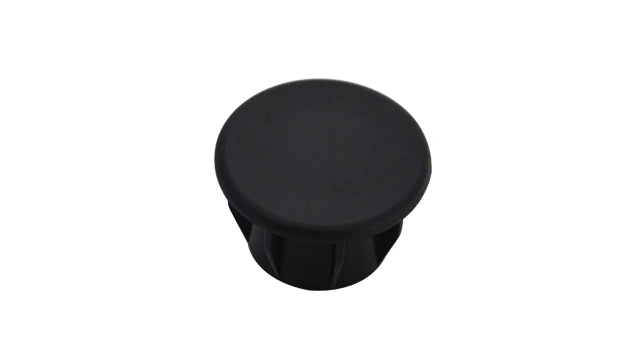
Plastic pipe end cap
Plastic pipe cover, used for 28mm two end cover and protection, to avoid any scratch from sharp metal surface.
Walk into any manufacturing facility, warehouse, or workshop, and you'll likely see a symphony of structures: workbenches where assembly lines hum, turnover trolleys gliding across floors, and material racks stacked with components. What ties many of these together? Lean pipe systems—versatile, modular setups built from pipes, joints, and accessories that adapt to almost any workflow. But here's a little secret: the unsung heroes keeping these systems running smoothly aren't the flashy aluminum profiles or heavy-duty casters. They're the small, unassuming plastic pipe end caps.
At first glance, a plastic pipe end cap might seem like little more than a "plug." But in reality, it's a critical component that protects pipe ends from damage, prevents debris from clogging internal structures, and safeguards workers from sharp edges. Whether you're building a lean pipe workbench for electronics assembly or a turnover trolley and rack for warehouse storage, choosing the right end cap can mean the difference between a system that lasts for years and one that needs constant repairs. Let's dive into the world of plastic pipe end caps—exploring their types, uses, and how to pick the perfect one for your project.
What Are Plastic Pipe End Caps, and Why Do They Matter?
Before we jump into types, let's clarify what a plastic pipe end cap is: a small, usually cylindrical or domed fitting designed to seal the open end of a pipe. Made from durable plastics like PVC, polyethylene (PE), or polypropylene (PP), they're engineered to fit snugly over or into pipe ends, creating a barrier against dust, moisture, and physical damage. But their role goes beyond just "capping" a pipe.
In lean pipe systems—where efficiency and safety are paramount—exposed pipe ends can cause real problems. Imagine a conveyor line where a sharp, uncovered pipe end snags a worker's glove, or a material rack where debris builds up inside pipes, weakening the structure over time. End caps eliminate these risks. They also help maintain the pipe's structural integrity: without a cap, pipes can bend or crack at the ends under load, especially in high-traffic areas like turnover trolley and rack systems that get moved daily.
For businesses relying on lean principles, every component must add value—and end caps deliver by reducing maintenance costs, extending system lifespans, and keeping workflows uninterrupted. Now, let's break down the types of plastic pipe end caps you'll encounter, and how to match them to your needs.
Types of Plastic Pipe End Caps: By Design and Function
Plastic pipe end caps come in a variety of shapes and styles, each tailored to specific applications. Let's explore the most common designs and when to use them.
1. Push-Fit End Caps: The Quick-and-Easy Choice
Push-fit end caps (also called "slip-on" caps) are the most straightforward design: a hollow cylinder with a closed end that slides directly over the pipe's exterior. They're held in place by friction, making installation a breeze—no tools, no threading, just a firm push. These caps are ideal for low-stress applications where pipes aren't subjected to heavy vibration or frequent movement.
Example use case: A basic aluminum tube in a static lean pipe workbench. Since the workbench stays in one place, the cap won't slide off, and the quick installation saves time during setup. They're also great for temporary structures or prototypes, where you might need to remove and reattach caps frequently.
2. Threaded End Caps: For a Secure, Removable Seal
Threaded end caps have internal or external threads that match the pipe's threading, allowing them to screw on tightly. Unlike push-fit caps, they create a permanent (but removable) seal—perfect for applications where you need to access the pipe's interior later (e.g., for cleaning or inspections) or where vibration might loosen a push-fit cap.
Example use case: A stainless steel pipe series in a food processing facility. Threaded caps ensure no moisture or bacteria gets trapped inside the pipe, and they can be unscrewed easily for regular sanitization. They're also popular in outdoor setups, where rain or humidity could seep into unthreaded caps and cause corrosion.
3. Domed End Caps: Safety First in High-Traffic Areas
Domed end caps (or "rounded" caps) have a curved, convex top instead of a flat one. This design eliminates sharp edges entirely, making them the safest choice for areas with heavy foot traffic or where workers interact closely with the system—like lean pipe workbenches or roller track systems near assembly lines.
Example use case: A lean pipe workbench in an electronics factory, where workers stand for hours assembling circuit boards. A domed cap on the workbench's corner pipes reduces the risk of bumps or cuts, keeping the workspace OSHA-compliant. They're also a smart pick for turnover trolleys, which are pushed around warehouses and often bump into walls or other equipment.
4. Flat End Caps: Sleek and Space-Saving
Flat end caps have a smooth, flat top, making them ideal for tight spaces where a domed cap would stick out too far. They're often used when pipes are mounted flush against walls or other surfaces, or in systems where aesthetics matter—like customer-facing displays or cleanrooms.
Example use case: An aluminum profile in a retail display rack. Flat caps create a streamlined look, and their low profile ensures the rack fits neatly against store walls without wasting space. They're also common in medical or lab settings, where flat surfaces are easier to sanitize than curved ones.
5. High-Temperature and Chemical-Resistant End Caps
Not all end caps are created equal when it comes to environment. For applications involving heat, oils, or chemicals (like industrial ovens or automotive workshops), standard PVC caps might warp or degrade. That's where high-temperature caps (made from PP or heat-resistant PE) or chemical-resistant caps (made from PVC modified with additives) come in.
Example use case: A material rack B (3 row and 3 floor) in a automotive paint shop. The rack holds solvent-soaked rags and paint cans, so chemical-resistant caps prevent the solvents from eating through the plastic and damaging the aluminum pipe underneath.

Matching End Caps to Your Lean Pipe System: Key Considerations
Now that you know the types, how do you choose the right end cap for your project? Here are the critical factors to keep in mind:
1. Pipe Size: Measure Twice, Buy Once
The first rule: end caps must fit your pipe's outer diameter (OD) perfectly. A cap that's too loose will fall off; one that's too tight could crack when installed. Common pipe sizes in lean systems include 0.5 inch, 1 inch (matching keywords like "swivel roller balls 1 inch" and "swivel roller balls 0.5 inch"), and 1.5 inch. Always check the pipe's OD (not inner diameter, or ID) before purchasing—most lean pipe suppliers list this in their product specs.
Pro tip: If you're using aluminum lean pipe or stainless steel pipe series, which often have precise OD measurements, opt for caps labeled "precision-fit" to ensure a snug seal.
2. Application: Static vs. Dynamic Systems
Is your system stationary (like a workbench E with single deck and no caster) or on the move (like a turnover trolley with casters)? For static setups, push-fit caps are usually sufficient. For dynamic systems—where the pipe vibrates, bumps into other objects, or gets moved daily—threaded caps or heavy-duty push-fit caps with thicker walls are better. They'll stay in place even under stress.
3. Environment: Indoors, Outdoors, or Harsh Conditions?
Indoor, climate-controlled environments (like an office-based assembly line) can use standard PVC or PE caps. Outdoor systems need UV-resistant caps to prevent sun damage. For wet areas (warehouse freezers, car washes), look for water-resistant caps with tight seals to avoid internal pipe rust. And as mentioned earlier, chemical or high-heat areas require specialized materials.
4. Load and Stress: Will the Cap Be Under Pressure?
In systems where pipes bear heavy loads—like a material rack holding 50kg boxes—end caps need to withstand compression. Thicker-walled caps or reinforced designs (with internal ribs) are better here. For example, a plastic roller track guide rail (yellow or grey) in a conveyor system might have end caps that take constant impact from rolling items; a thin, flimsy cap would crack quickly under that stress.

Comparing Common Plastic Pipe End Caps: A Quick Reference Table
| End Cap Type | Material | Best For | Installation Difficulty | Key Advantage |
|---|---|---|---|---|
| Push-Fit (Standard) | PVC, PE | Static lean pipe workbenches, basic aluminum tube | Easy (no tools) | Quick setup for low-stress applications |
| Threaded | PP, PVC | Dynamic systems (turnover trolley and rack), outdoor use | Moderate (needs wrench for tight seal) | Secure, removable seal; resists vibration |
| Domed | PE, PP | High-traffic areas, worker-facing lean pipe workbenches | Easy (push-fit or threaded options) | Safest design; eliminates sharp edges |
| High-Temperature | Heat-resistant PE, PP | Industrial ovens, chemical labs | Easy to moderate | Withstands temperatures up to 120°C (248°F) |
| Flat | PVC, PE | Space-saving setups, cleanrooms, retail displays | Easy | Sleek profile; fits flush against walls/surfaces |
Installation and Maintenance: Getting the Most Out of Your End Caps
Even the best end cap won't perform well if installed incorrectly. Here's how to ensure a secure, long-lasting fit:
Installation Tips
- Clean the pipe end first: Dust, grease, or rust on the pipe will prevent the cap from sealing properly. Wipe it down with a cloth before installing.
- Use lubricant for tight fits: For push-fit caps that are a snug fit, a tiny amount of soapy water or silicone lubricant (avoid oil-based lubes, which can degrade plastic) can help them slide on without cracking.
- Hand-tighten threaded caps: Over-tightening can strip threads or crack the cap. Use a wrench only if needed, and stop when you feel resistance.
Maintenance: When to replace Your End Caps
End caps don't last forever—especially in harsh environments. Inspect them every 3–6 months for signs of wear:
- Cracks or splits: Even small cracks can let moisture or debris in. replace immediately.
- Looseness: If a push-fit cap slides off easily, or a threaded cap spins without resistance, it's time for a new one.
- Discoloration or brittleness: UV exposure or chemical damage can make plastic brittle. If the cap feels hard or crumbles when squeezed, replace it.
Why Partnering with a Reputable Lean Pipe Supplier Matters
With so many options, it's tempting to buy the cheapest plastic pipe end caps available. But here's the truth: low-quality caps can cost you more in the long run. A flimsy cap that cracks after a month means downtime to replace it, not to mention the risk of worker injury or pipe damage.
That's why choosing a reliable lean pipe supplier is key. Reputable suppliers test their end caps for durability, ensure consistent sizing, and offer expert advice on which type fits your system. They'll also carry a range of accessories—like plastic pipe end caps in different colors (to match your facility's color-coding) or custom sizes for non-standard pipes.
When vetting suppliers, ask about material certifications (e.g., "Is this PE cap food-grade?") and check reviews from other customers in your industry. A supplier who specializes in lean pipe systems will understand your needs better than a general hardware store—and they'll often bundle end caps with other components like lean pipe joints or roller track connectors, saving you time and money.
Final Thoughts: Small Cap, Big Impact
Plastic pipe end caps might not be the most glamorous part of your lean pipe system, but they're a reminder that success lies in the details. From protecting workers to preserving your equipment, they play a vital role in keeping your operations efficient and safe.
So the next time you're designing a lean pipe workbench, setting up a turnover trolley and rack, or upgrading a conveyor system, take a moment to think about the end caps. Consider the pipe size, the environment, and the stress the system will face. Choose wisely, install carefully, and partner with a supplier you trust. Your team, your equipment, and your bottom line will thank you.