- Company Articles
- Products and Technology
- Solution
- Ultra-Quiet Flat Swivel Castor Wheels: Solutions for Noise-Sensitive Areas

Ultra-Quiet Flat Swivel Castor Wheels: Solutions for Noise-Sensitive Areas
Related Product
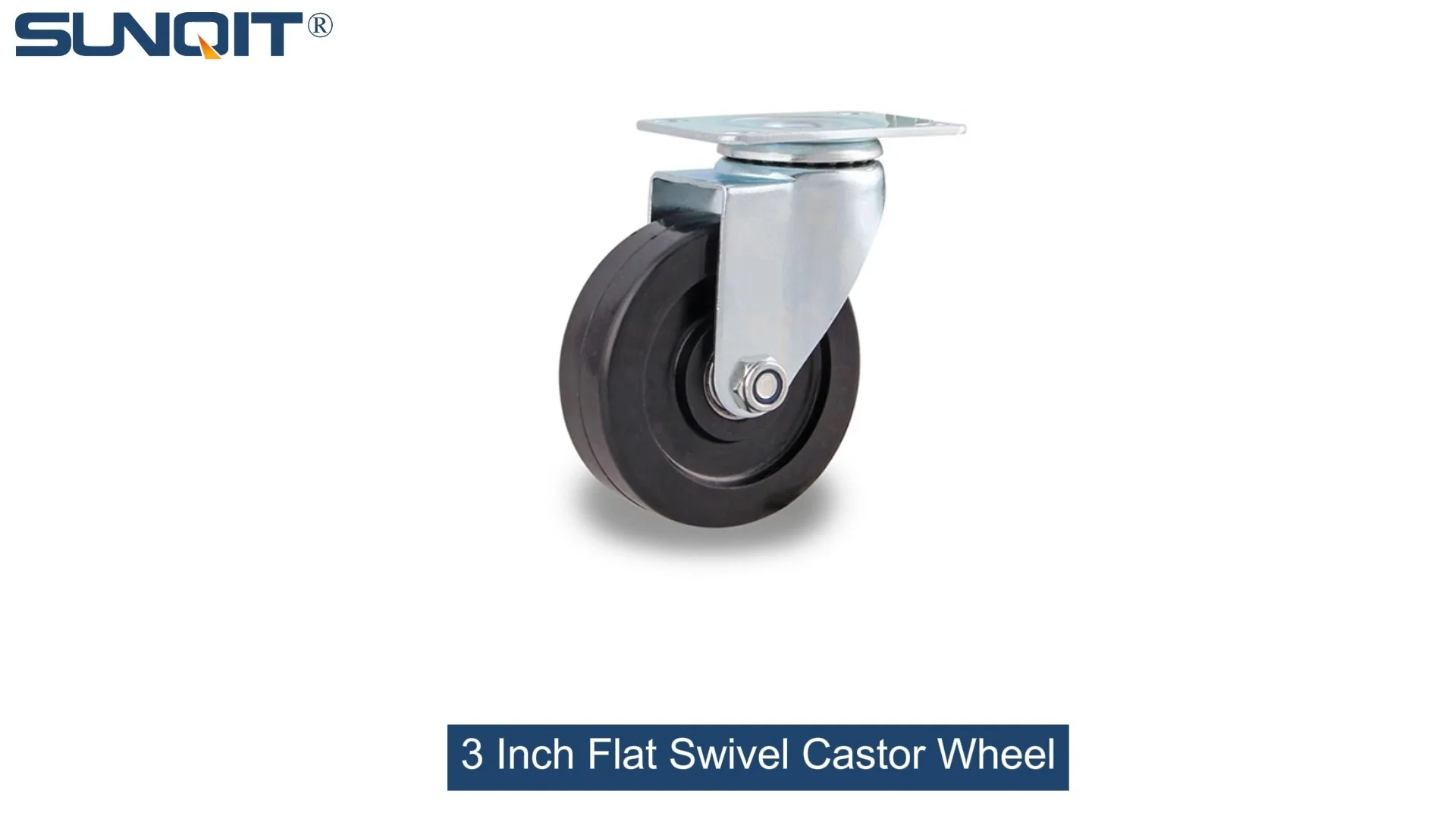
Flat Swivel Castor Wheel
Chair Casters Ball Bearing Wheels Rubber Base. Resistant to abrasion, impact and corrosion. Heavy payload can hold 70-90Kgs per pcs,which can make it works at a stable and smooth status.
Noise is an invisible disruptor. It creeps into hospitals where patients need rest, labs where precision matters, offices where focus drives productivity, and factories where efficiency hinges on seamless workflow. Among the many sources of workplace noise, one often overlooked culprit is the humble caster wheel. From the squeak of a poorly maintained cart in a hospital corridor to the rumble of a loaded trolley on a factory floor, noisy castors don't just annoy—they disrupt operations, increase stress, and even compromise safety. But what if there was a solution that turned clatter into silence? Enter the ultra-quiet flat swivel castor wheel: a small but mighty innovation designed to transform how we move equipment in noise-sensitive environments. In this article, we'll explore why noise matters, how traditional castors fall short, and how these quiet castors are redefining mobility across industries—from healthcare to manufacturing, and beyond.
The Hidden Cost of Noisy Castor Wheels
To understand the value of ultra-quiet castors, we first need to grasp the true impact of noise in the workplace. In healthcare settings, studies show that excessive noise can patient recovery times, increase stress hormones in staff, and even interfere with critical communication between nurses and doctors. A 2019 study in the Journal of Clinical Nursing found that hospital noise levels often exceed 60 decibels at night—equivalent to a busy conversation—far above the World Health Organization's recommended 30 decibels for patient rooms. Much of this noise? The constant movement of carts, stretchers, and equipment on outdated caster wheels.
In laboratories, noise isn't just a nuisance; it's a threat to accuracy. Imagine a researcher trying to conduct delicate measurements or handle sensitive samples while a nearby cart rattles past on worn-out castors. Even a momentary distraction could lead to errors with costly consequences. Similarly, in offices, the hum of rolling chairs and mobile workstations can fragment focus, reducing productivity by up to 20%, according to research from the University of California, Irvine.
And let's not forget manufacturing and warehousing. In lean production environments, where efficiency and flow are everything, a noisy caster wheel on a turnover trolley or rack can disrupt the rhythm of work. Employees strain to hear instructions over the clatter, and the constant noise increases fatigue, leading to slower task completion and higher error rates. Traditional castors, often made with hard plastic or metal wheels and poorly lubricated joints, are the main offenders here. They grind against floors, squeak when swiveling, and amplify vibrations—turning simple movement into a symphony of disruption.
What Makes Ultra-Quiet Flat Swivel Castor Wheels Different?
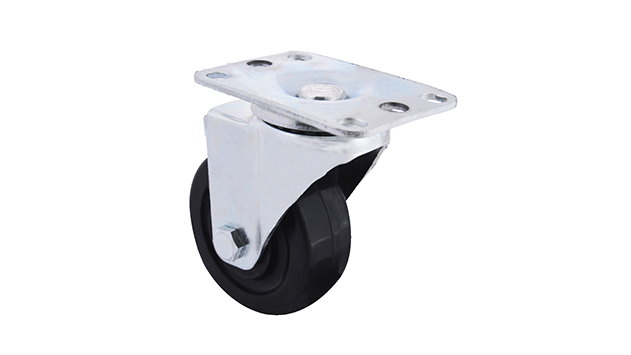
Ultra-quiet flat swivel castor wheels aren't just "quieter versions" of traditional castors—they're engineered from the ground up to minimize noise while maximizing performance. Let's break down the key design elements that set them apart:
1. Noise-Reducing Materials: Beyond Hard Plastic
The first line of defense against noise is the wheel material. Traditional castors often use hard plastic or metal, which vibrate loudly when they hit cracks or uneven surfaces. Ultra-quiet castors, by contrast, use specialized elastomers like polyurethane or soft rubber. These materials absorb shocks and vibrations, acting as natural dampeners. For example, polyurethane wheels with a Shore A hardness of 70-85 are firm enough to handle heavy loads but soft enough to glide over floors without the "clack" of harder materials. Some models even feature a dual-density design: a rigid inner core for strength and a soft outer layer for noise reduction.
2. Precision Bearings: The Secret to Silent Swivel
A castor's swivel mechanism is another common noise source. Traditional castors use loose or poorly lubricated bearings that grind when turned, creating that familiar "squeak." Ultra-quiet flat swivel castors, however, are equipped with sealed precision ball bearings or roller bearings. These bearings are pre-lubricated with high-quality grease and encased to prevent dust and debris from entering, ensuring smooth, silent rotation even after years of use. The flat swivel design—where the castor's mounting plate sits flush with the wheel assembly—further reduces noise by minimizing lateral movement and instability.
3. Load Distribution: Quiet Even Under Pressure
Overloading a castor is a surefire way to make it noisy. When a castor is pushed beyond its weight capacity, the wheel deforms, the bearings strain, and the whole assembly vibrates. Ultra-quiet castors are engineered with precise load ratings, often ranging from 50kg to 500kg per wheel, ensuring they handle daily use without compromising silence. The flat mounting plate also plays a role here: it distributes weight evenly across the wheel and bearings, reducing stress and extending lifespan.
4. Floor-Friendly Design: No More Scratches, No More Noise
Noise isn't just about the castor itself—it's also about how it interacts with the floor. Hard wheels can scratch or dent surfaces, creating uneven spots that amplify noise over time. Ultra-quiet castors, with their soft, non-marking materials, protect floors from damage. This not only keeps environments looking professional but also maintains smooth surfaces, ensuring the castors continue to roll quietly for years.
From Labs to Hospitals: Where Ultra-Quiet Castors Shine
Ultra-quiet flat swivel castor wheels aren't a one-size-fits-all solution—they're versatile enough to excel in a range of noise-sensitive environments. Let's explore how they're making a difference across industries:
Healthcare: Restoring Peace to Patient Care
In hospitals and clinics, every decibel counts. A patient recovering from surgery, a newborn in the NICU, or an elderly person with dementia—all need quiet to heal. Ultra-quiet castors are transforming how medical equipment moves. Take medication carts: traditionally, these carts would squeak down corridors, waking patients and disrupting nurses' focus. With flat swivel castor wheels made from soft polyurethane, they now glide silently, allowing nurses to deliver care without disturbing rest. Similarly, mobile workstations, IV poles, and even meal carts benefit from the noise reduction, creating calmer environments for patients and staff alike.
Laboratories: Precision in Silence
Labs are hubs of precision, where experiments demand concentration and sensitive equipment can be thrown off by vibrations. A centrifuge or microscope placed on a workbench with noisy castors might pick up vibrations from a passing cart, skewing results. Ultra-quiet castors solve this by eliminating both noise and vibration. Mobile lab benches, sample transport trolleys, and equipment carts equipped with these castors move so smoothly that researchers often don't even notice they're there—letting them focus on the science, not the sound.
Manufacturing: Lean Systems, Quieter Workflows
Lean manufacturing relies on efficiency, and noise is the enemy of efficiency. In factories using lean systems, workbenches, turnover trolley and rack setups, and material carts are in constant motion. Traditional castors on these tools can create a cacophony that distracts workers, slows down processes, and increases fatigue. Ultra-quiet flat swivel castor wheels integrate seamlessly into these setups. For example, a turnover trolley loaded with components can now roll from station to station without the usual rumble, allowing teams to communicate clearly and maintain their workflow rhythm. Even heavy-duty equipment like assembly line workbenches benefit: the silent movement of tools and parts reduces stress, keeping workers more alert and productive.
Education and Offices: Focus Without Interruption
Classrooms and offices are spaces where focus drives success. In schools, mobile whiteboards, AV carts, and storage trolleys with noisy castors can disrupt lessons, pulling students' attention away from the teacher. In open-plan offices, rolling chairs and mobile workstations often contribute to a constant background buzz that fragments concentration. Ultra-quiet castors turn these disruptions into non-events. A teacher can reposition a cart mid-lesson without a sound, and office workers can shift their workstations without disturbing colleagues—making for more productive, less stressful environments.

Noisy vs. Quiet: A Comparison
| Feature | Traditional Noisy Castor Wheels | Ultra-Quiet Flat Swivel Castor Wheels |
|---|---|---|
| Noise Level | 50-70 decibels (loud enough to disrupt conversation) | 20-30 decibels (quieter than a whisper) |
| Wheel Material | Hard plastic, metal, or low-quality rubber | High-density polyurethane, soft rubber, or dual-density elastomers |
| Bearings | Loose, unlubricated, or poorly sealed | Precision-sealed ball bearings with lifetime lubrication |
| Floor Impact | Scratches and dents floors; amplifies noise over time | Non-marking, floor-protective materials; maintains smooth surfaces |
| Best For | Rough, non-sensitive environments (e.g., construction sites) | Hospitals, labs, offices, schools, lean manufacturing workbenches, turnover trolley and rack systems |
Case Study: How a Medical Device Factory Cut Noise by 60% with Ultra-Quiet Castors
When a leading medical device manufacturer in Ohio decided to revamp its production line, noise was top of mind. The factory produced surgical tools, and workers on the assembly line were complaining about constant fatigue and difficulty communicating over the clatter of carts and workbenches. The root cause? Outdated castor wheels on everything from material trolleys to mobile workstations.
The company replaced all traditional castors with ultra-quiet flat swivel castor wheels. The results were immediate: noise levels dropped from 72 decibels to 28 decibels in key areas. Workers reported less stress, and error rates on the assembly line decreased by 15% in the first month. "It's like night and day," said one production supervisor. "We used to have to shout to hear each other across the line. Now, we can talk normally, and the focus—you can feel it. People are more engaged, and the tools we're making are more precise."
The factory also noticed a bonus: the new castors were gentler on the factory's epoxy floors, reducing maintenance costs. And because the castors required less frequent lubrication (thanks to sealed bearings), downtime for maintenance dropped, boosting overall productivity. For this manufacturer, the switch to ultra-quiet castors wasn't just about noise—it was about creating a better workplace that delivered better results.

Choosing the Right Ultra-Quiet Castor: Key Considerations
Not all ultra-quiet castors are created equal. To get the most out of your investment, consider these factors when selecting the right model for your needs:
- Load Capacity: Start by calculating the maximum weight the castor will need to support. A small office cart might need 50kg capacity, while a hospital stretcher could require 500kg. Always choose a castor rated for 20% more than your expected load to account for unexpected weight.
- Floor Type: Smooth floors (like hospital linoleum) work well with soft rubber wheels, while rougher surfaces (like factory concrete) may need more durable polyurethane. Check if the castor is non-marking if floor appearance matters.
- Swivel Range: For tight spaces (like lab corridors), look for castors with a full 360° swivel range and a lockable swivel feature to prevent unwanted movement.
- Environment: If you're in a sterile environment (like a lab or OR), choose castors with easy-to-clean materials and sealed bearings to prevent bacteria buildup. For outdoor use, look for weather-resistant options.
- Caster Accessories: Don't overlook extras like brake mechanisms (to lock wheels in place), floor protectors, or mounting plates. These accessories can enhance safety and customization.
Noise is more than just an annoyance—it's a barrier to productivity, healing, and focus. Ultra-quiet flat swivel castor wheels may seem like a small detail, but they're a powerful solution to this invisible problem. By combining advanced materials, precision engineering, and thoughtful design, these castors transform how we move equipment, turning disruption into silence across industries. Whether you're running a hospital, a lab, a factory with lean systems and workbenches, or an office, the right castors can create calmer, more efficient, and more human-centered environments. So the next time you hear a noisy cart roll by, remember: there's a quieter way. And it starts with the wheels.