- Company Articles
- Products and Technology
- Product knowledge
- Unbearable vs. Bearing 60 Steel Roller Track Small Wheels: Performance Differences

Unbearable vs. Bearing 60 Steel Roller Track Small Wheels: Performance Differences
Related Product
60 Steel Roller Track Small Wheel
Modular system roller tracks aluminum gravity roller tracks are an excellent solution for transporting materials within industrial environments, warehouses and distribution centres.
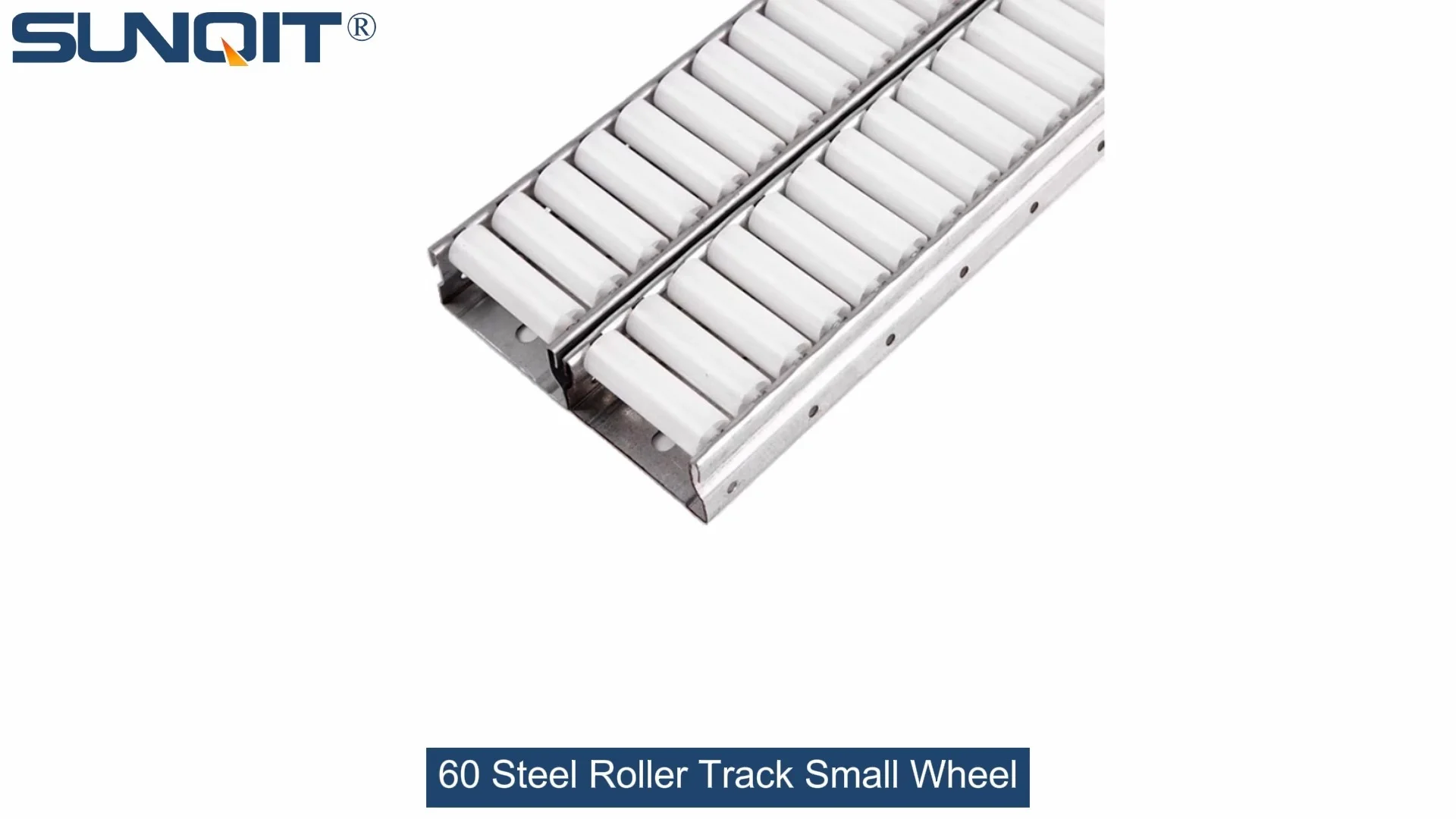
Roller tracks are the unsung heroes of modern manufacturing and logistics, powering the smooth movement of materials across conveyors, flow racks, and lean pipe workbenches. Among the myriad components that make up these systems, 60 steel roller track small wheels stand out for their versatility and critical role in ensuring efficient material handling. But when it comes to choosing between unbearable (non-bearing) and bearing variants, many businesses find themselves at a crossroads. This article dives deep into the performance differences between these two types, helping you make an informed decision for your operations.
What Are 60 Steel Roller Track Small Wheels?
60 steel roller track small wheels are compact, robust components used in roller tracks—key parts of flow racks, conveyors, and lean pipe workbenches. They are integral to aluminum profile accessories and roller track accessories, designed to facilitate the movement of goods and components in various industrial settings. These wheels come in different configurations, with the primary distinction being whether they include internal bearings or not.
Unbearable (Non-Bearing) 60 Steel Roller Track Small Wheels
Unbearable 60 steel roller track small wheels, as the name implies, lack internal bearings. Their design relies on direct contact between the steel wheel and the axle, which simplifies production but impacts several performance metrics.
Design & Functionality
Without bearings, these wheels have a straightforward structure: a steel wheel mounted on a fixed axle. The wheel rotates directly on the axle, which means there is no intermediate component to reduce friction. This simplicity makes them easy to manufacture and assemble, contributing to their lower cost.
Performance Characteristics
- Load Capacity: Generally limited to light to medium loads, typically ranging from 20kg to 50kg per wheel. The direct contact between wheel and axle restricts their ability to handle heavy weights without excessive wear.
- Friction: Higher friction coefficients (around 0.15 to 0.20) mean more force is required to move items along the track. This can slow down material flow, especially for heavier loads or longer tracks.
- Durability: The absence of bearings leads to faster wear on both the wheel and axle. Continuous use can cause scratches and deformation, reducing the wheel's lifespan to approximately 6-12 months in high-use environments.
- Noise Level: Produce noticeable noise during operation due to metal-on-metal contact. This can contribute to a louder workplace, which may be a concern in environments where noise reduction is a priority.
- Cost: More affordable upfront, making them an attractive option for businesses with tight budgets or applications that don't require high performance.
Suitable Applications
Non-bearing wheels excel in scenarios where loads are light, movement is infrequent, or budget constraints are a primary consideration. Examples include small flow racks in retail warehouses storing lightweight packaging materials, temporary lean pipe workbenches for occasional assembly tasks, and low-volume production lines where speed and efficiency are not critical. They are also commonly used in environments where maintenance access is limited, as their simple design requires fewer parts to replace.
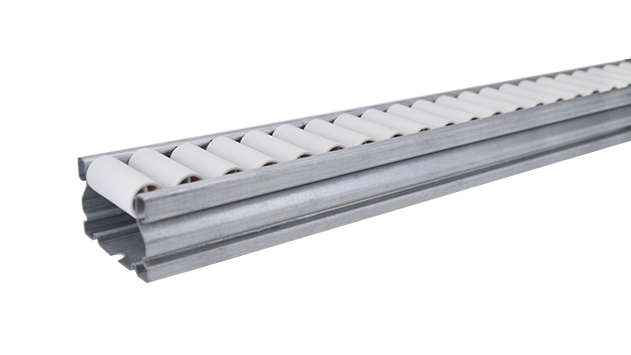
Bearing 60 Steel Roller Track Small Wheels
Bearing 60 steel roller track small wheels incorporate internal bearings—such as ball bearings or roller bearings—to minimize friction between the wheel and axle. This design enhancement significantly improves their performance across multiple dimensions.
Design & Functionality
The inclusion of bearings creates a barrier between the wheel and axle, allowing the wheel to rotate smoothly with minimal resistance. Bearings are often sealed to protect against dust, debris, and moisture, which helps maintain performance over time. This sealed design also reduces the need for frequent lubrication, making them more low-maintenance than their non-bearing counterparts.
Performance Characteristics
- Load Capacity: Capable of handling medium to heavy loads, ranging from 50kg to 100kg or more per wheel. Bearings distribute weight evenly, allowing them to support heavier items without excessive strain.
- Friction: Lower friction coefficients (around 0.05 to 0.10) mean less force is needed to move items. This results in smoother, faster material flow, which is essential for high-speed conveyors and busy flow racks.
- Durability: The presence of bearings reduces wear on both the wheel and axle, extending their lifespan to 24-36 months in high-use environments. Sealed bearings also protect against contamination, making them suitable for dusty or wet industrial settings.
- Noise Level: Quieter operation due to reduced friction. This creates a more comfortable workplace and helps comply with noise regulations in some industries.
- Cost: Higher upfront cost compared to non-bearing wheels, but their longer lifespan and lower maintenance needs often result in better long-term value. The initial investment pays off in reduced replacement costs and improved operational efficiency.
Suitable Applications
Bearing wheels are ideal for high-demand environments where performance and durability are paramount. They are commonly used in:
- High-speed conveyors in automotive and 3C assembly lines, where fast, smooth movement of components is critical to production efficiency.
- Heavy-duty flow racks in warehousing and logistics, where pallets or heavy bins are moved frequently and need to be handled with minimal effort.
- Lean pipe workbenches in medical device manufacturing, where precision and reliability are essential for assembling delicate components. Some of these workbenches may also be ESD-compliant to protect sensitive electronic parts.
- Flexible production lines using aluminum profiles, where the wheels need to withstand continuous use and support varying loads.

Performance Comparison Table
| Performance Metric | Unbearable (Non-Bearing) Wheels | Bearing Wheels |
|---|---|---|
| Max Load Capacity per Wheel | 20kg - 50kg | 50kg - 100kg+ |
| Friction Coefficient | 0.15 - 0.20 | 0.05 - 0.10 |
| Noise Level | 65-75 dB (Loud) | 45-55 dB (Quiet) |
| Expected Lifespan (High Use) | 6-12 Months | 24-36 Months |
| Maintenance Needs | Frequent (lubrication, replacement) | Low (occasional lubrication) |
| Upfront Cost | Low | High |
| Ideal Use Cases | Light loads, infrequent use, budget constraints | Heavy loads, high-speed, frequent use |
How to Choose Between Them?
Selecting the right wheel type depends on several key factors that align with your operational needs:
Load Requirements
Assess the average and maximum weight of the items you need to move. If your loads are light (under 50kg), non-bearing wheels may suffice. For heavier loads, bearing wheels are the better choice to avoid premature wear and ensure safety.
Speed & Frequency of Use
High-speed conveyors or frequently used flow racks require bearing wheels to maintain smooth movement and reduce friction. If your operations involve slow, infrequent movement, non-bearing wheels may be more cost-effective.
Budget Constraints
Non-bearing wheels are cheaper upfront, making them suitable for short-term projects or businesses with limited budgets. However, consider the long-term costs: bearing wheels may save money over time due to their longer lifespan and lower maintenance needs.
Environmental Conditions
In dusty or wet environments, sealed bearing wheels are more resistant to contamination and corrosion. Non-bearing wheels may require more frequent cleaning and replacement in such conditions.
ESD Requirements
If your operations involve ESD-sensitive components (like in 3C assembly or medical device manufacturing), check if the wheels are ESD-compliant. Both bearing and non-bearing wheels can be made ESD-safe, but bearing wheels are often preferred for their better performance in these settings.
Real-World Applications
Let's explore how these wheels are used in different industries to understand their practical impact:
3C Assembly Lines
In 3C assembly (smartphones, laptops, tablets), conveyors with bearing 60 steel roller track small wheels are essential. They enable fast, smooth movement of components between assembly stations, reducing cycle times and improving productivity. These conveyors are part of flexible production lines that use aluminum profiles and lean pipe systems to adapt to changing product designs.
Warehousing & Logistics
Flow racks in warehouses use both types of wheels. For storing lightweight items like small parts or packaging materials, non-bearing wheels are cost-effective. For high-throughput areas where pallets or heavy bins are moved frequently, bearing wheels are preferred to handle the load and speed. This helps optimize order fulfillment and reduce labor costs.
Medical Device Manufacturing
Lean pipe workbenches in medical device manufacturing require precision and reliability. Bearing wheels on the workbench's roller tracks ensure smooth movement of delicate components, while their durability supports continuous production. Some workbenches are ESD-compliant to protect sensitive electronic parts from static damage, making bearing wheels an ideal choice for their performance and safety.
Conclusion
The choice between unbearable and bearing 60 steel roller track small wheels is not a one-size-fits-all decision. Non-bearing wheels are a budget-friendly option for light, infrequent use, while bearing wheels offer superior performance, durability, and efficiency for heavy, high-speed applications. By considering factors like load capacity, speed, budget, and environment, you can select the right wheels to optimize your flow racks, conveyors, and lean pipe workbenches. Whether you're in 3C assembly, warehousing, or medical device manufacturing, the right wheel choice will enhance your operational efficiency and contribute to long-term success.