- Company Articles
- Products and Technology
- Product knowledge
- Understanding 2.0mm Stainless Steel Pipe Sizes: Standard Dimensions Guide

Understanding 2.0mm Stainless Steel Pipe Sizes: Standard Dimensions Guide
Related Product
2.0mm Stainless Steel Pipe
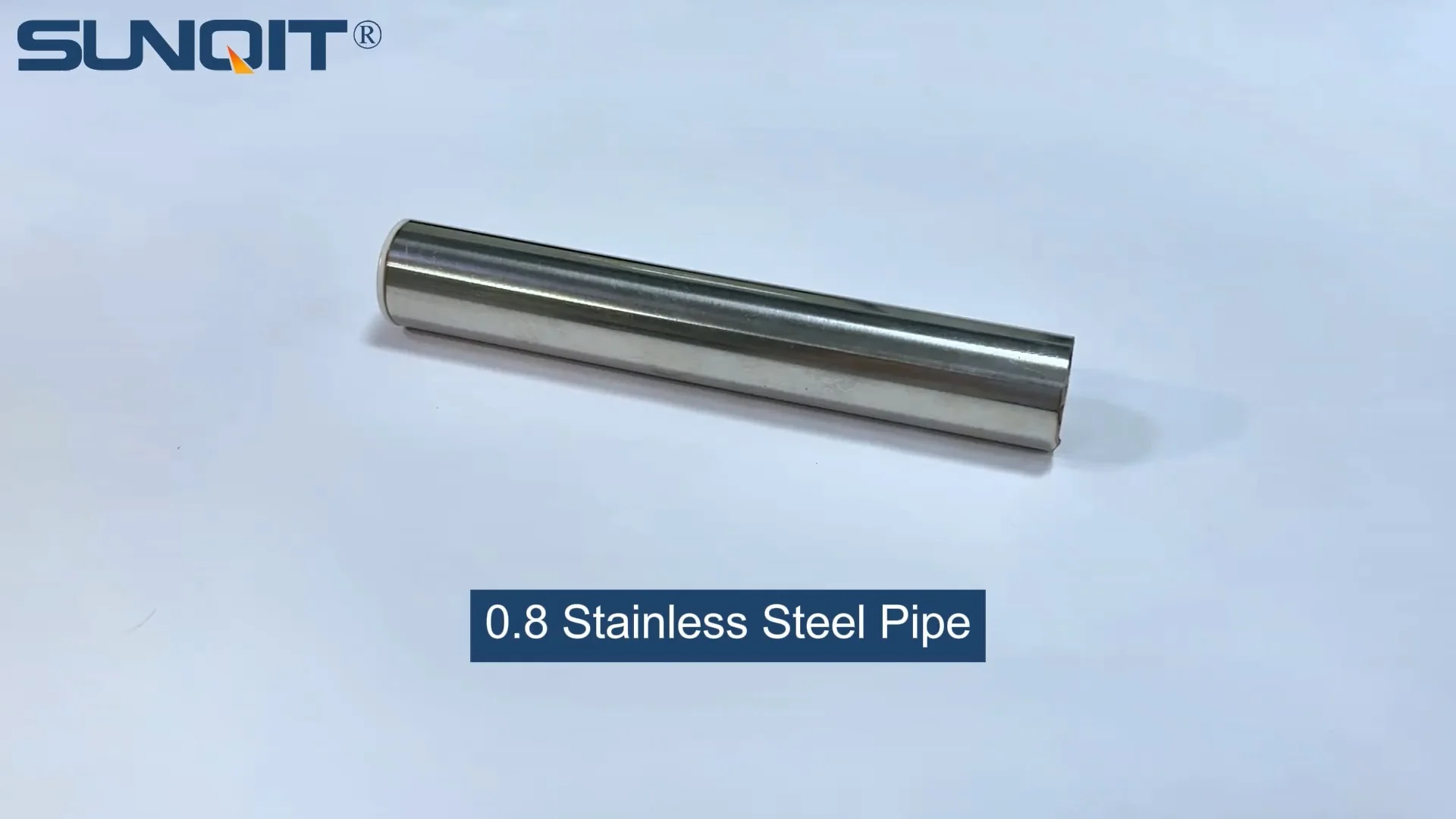
Stainless steel pipe, lean pipe, diameter is 28mm, material is SS201 or SS304, SS201 is normally used in the market. It knows a KARAKURI, KAIZEN material for industrial plant to improve efficiency, save labor cost, standard management.
In the world of manufacturing, warehousing, and lean production systems, the right tools and components can make all the difference between chaos and efficiency. Among these unsung heroes are stainless steel pipes—specifically, the 2.0mm stainless steel pipe. Often overlooked, this component forms the backbone of countless structures, from workbenches and flow racks to conveyors and material handling systems. But what makes the 2.0mm thickness so special? How do its dimensions impact its performance? And how does it fit into the broader stainless steel pipe series that keeps industries running smoothly? Let's dive in and unpack everything you need to know about 2.0mm stainless steel pipe sizes, their standard dimensions, and why they're a staple in modern industrial setups.
What Is a 2.0mm Stainless Steel Pipe?
Before we get into dimensions, let's start with the basics. A 2.0mm stainless steel pipe is exactly what it sounds like: a cylindrical tube made from stainless steel with a wall thickness of 2.0 millimeters. But this simple definition belies its complexity. Stainless steel, known for its corrosion resistance, strength, and durability, is an alloy of iron, chromium, and often nickel or manganese. The 2.0mm thickness is a popular choice because it strikes a balance between sturdiness and flexibility—strong enough to support heavy loads, yet lightweight enough to be easily assembled into custom structures using lean pipe joints and other accessories.
Unlike thinner pipes (such as 1.2mm or 1.5mm) that might bend under strain, or thicker pipes (like 3.0mm) that add unnecessary weight, the 2.0mm variant is the sweet spot for most industrial applications. It's commonly used in lean manufacturing systems, where adaptability and efficiency are key. Think of it as the building block of modular setups: with the right joints and connectors, you can configure it into workbenches, roller tracks, material racks, and more—all without welding or complex tools.
Standard Dimensions: Breaking Down the Numbers
When we talk about pipe dimensions, three key measurements matter: outer diameter (OD), inner diameter (ID), and wall thickness. For 2.0mm stainless steel pipes, these numbers are standardized to ensure compatibility with accessories like lean pipe joints, roller track connectors, and end caps. Let's break them down:
Outer Diameter (OD)
The outer diameter is the distance across the pipe from one outer edge to the other. For most industrial 2.0mm stainless steel pipes, the OD typically ranges from 28mm to 32mm, with 30mm being the most common. Why 30mm? This size has become an industry standard because it fits seamlessly with most lean pipe joints and roller track systems. A 30mm OD ensures a snug fit with connectors, reducing wobble and enhancing structural stability—critical for applications like conveyor systems where precision movement is key.
Inner Diameter (ID)
The inner diameter is the distance across the hollow center of the pipe. Since wall thickness is fixed at 2.0mm, the ID is simply the OD minus twice the wall thickness (because the wall thickness adds to both sides of the pipe). For a 30mm OD pipe with 2.0mm walls, the ID would be 30mm – (2 x 2.0mm) = 26mm. This inner space isn't just empty air, though. It matters for applications where the pipe might need to house wires, hoses, or other components, or where weight reduction is a priority (a larger ID means less material, making the pipe lighter without sacrificing strength).
Length Options
2.0mm stainless steel pipes are typically sold in standard lengths to minimize waste and simplify shipping. Common lengths include 1 meter, 2 meters, 3 meters, and 6 meters. The 3-meter and 6-meter options are especially popular for large-scale projects, as they can be cut to size on-site using a pipe cutter. This flexibility is a big part of why these pipes are favored in lean systems: you don't have to order custom lengths—just buy a standard size and trim it to fit your specific needs, whether that's a 1.2-meter section for a workbench leg or a 2.5-meter piece for a flow rack beam.
A Quick Comparison: 2.0mm vs. Other Thicknesses
To understand why 2.0mm is so versatile, let's compare it to other common thicknesses in the stainless steel pipe series:
| Wall Thickness | Typical OD (mm) | Typical ID (mm) | Best For |
|---|---|---|---|
| 1.2mm | 28mm | 25.6mm | Light-duty structures (e.g., small turnover trolleys) |
| 1.5mm | 30mm | 27mm | Medium loads (e.g., shelving for lightweight parts) |
| 2.0mm | 30mm | 26mm | Heavy loads, high-stability setups (e.g., workbenches, conveyor frames) |
| 3.0mm | 32mm | 26mm | Extreme loads (e.g., industrial machinery frames) |
As you can see, the 2.0mm pipe offers a tighter ID than the 1.5mm version (26mm vs. 27mm) despite sharing the same OD, thanks to its thicker walls. This makes it stronger without increasing the outer size—perfect for fitting into existing lean pipe joint systems designed for 30mm OD pipes.

Material Matters: Why Stainless Steel?
Stainless steel isn't just a random choice for these pipes—it's a strategic one. Let's talk about why stainless steel, particularly in the 2.0mm thickness, is ideal for industrial use:
Corrosion Resistance
Stainless steel contains at least 10.5% chromium, which forms a thin, invisible oxide layer on the surface. This layer acts as a shield, preventing rust and corrosion—even in humid environments or when exposed to chemicals. For factories that deal with liquids, food processing, or medical equipment, this is non-negotiable. A 2.0mm stainless steel pipe won't degrade over time, ensuring your workbench or conveyor system stays intact for years.
Strength and Durability
Stainless steel is inherently strong, and the 2.0mm wall thickness amplifies this. It can withstand heavy loads without bending or warping. For example, a 30mm OD, 2.0mm wall pipe can support up to 200kg per linear meter when properly braced—more than enough for most workbench setups or material racks. This strength also means the pipe is resistant to dents and scratches, even in high-traffic areas like warehouses.
Hygiene and Cleanliness
Stainless steel is non-porous, which means it doesn't harbor bacteria or mold. This makes it a top choice for cleanrooms, pharmaceutical labs, and food processing facilities. Unlike painted or coated pipes, stainless steel can be easily sanitized with harsh cleaners without damaging the surface—a critical feature in industries where cleanliness is regulated by law.

Applications: Where 2.0mm Stainless Steel Pipes Shine
Now that we understand the dimensions and material benefits, let's explore where 2.0mm stainless steel pipes are actually used. Their versatility makes them a staple in dozens of industries, but here are some of the most common applications:
Workbenches and Assembly Stations
Walk into any manufacturing plant, and you'll likely see workbenches framed with stainless steel pipes. The 2.0mm thickness provides a stable base for countertops (often made of aluminum honeycomb panels or ESD-safe materials), while lean pipe joints allow for custom configurations—adding shelves, tool hooks, or even integrated roller tracks for moving parts across the surface. For example, a workbench E (single deck, without caster) might use 2.0mm pipes for its legs and frame, ensuring it stays steady even during heavy assembly work.
Flow Racks and Material Racks
Flow racks, which use gravity to move materials from the back to the front, rely on sturdy frames to support tilted roller tracks. A material rack B (3 row and 3 floor), for instance, uses 2.0mm stainless steel pipes as vertical supports and horizontal beams. The pipes' strength ensures the rack can hold multiple layers of heavy boxes or components without sagging, while their corrosion resistance keeps the structure looking new even in damp warehouses.
Conveyors and Roller Tracks
Conveyor systems depend on precise alignment and durability. 2.0mm stainless steel pipes are often used as the side rails for roller tracks, providing a rigid guide for items as they move along the conveyor. They pair seamlessly with plastic roller track guide rails (yellow or grey) and roller track placon mounts, which connect the rails to the pipe frame. The pipes' smooth surface also reduces friction, ensuring materials glide smoothly without getting stuck.
Turnover Trolleys and Carts
Turnover trolleys—used to transport parts between workstations—need to be both strong and lightweight. 2.0mm stainless steel pipes strike this balance perfectly. When fitted with casters and accessories like caster installation bases, they create trolleys that can carry heavy loads (up to 500kg in some cases) while remaining easy to push. The stainless steel construction also means these trolleys hold up well to frequent use and cleaning.
Accessories: Making the Most of Your 2.0mm Pipes
A pipe is just a pipe without the right accessories. The 2.0mm stainless steel pipe truly shines when paired with components that turn it into a functional system. Here are some key accessories you'll need:
Lean Pipe Joints
Lean pipe joints are the connectors that hold everything together. They come in various shapes and sizes to accommodate different angles and configurations. For 2.0mm stainless steel pipes, common joint types include:
- 90° fixed lean pipe joint: Connects two pipes at a right angle, ideal for workbench corners.
- 180° swivel lean pipe joint: Allows pipes to rotate, useful for adjustable structures like height-changing workbenches.
- Three-way lean pipe joint: Connects three pipes at a single point, perfect for building shelving units or multi-directional frames.
These joints are typically made of zinc-plated steel or stainless steel to match the pipes, ensuring they resist corrosion and hold tight under pressure.
Roller Tracks and Connectors
Roller tracks are essential for moving materials efficiently. They consist of wheels (often plastic or steel) mounted on a rail, and they attach to 2.0mm stainless steel pipes using roller track placon mounts. These mounts come in different styles: some attach to aluminum profiles, others to flat surfaces, and some are designed for high or low connections. For example, a roller track placon mount for aluminum profile flat would secure the track to a horizontal pipe, while a center support bracket adds extra stability for long tracks.
Casters and Leveling Feet
For mobile structures like trolleys, casters (with caster wheels and accessories) are a must. Caster installation bases bolt directly to the 2.0mm pipes, providing a secure connection. For stationary setups like workbenches, anti-slip adjustable leveling feet ensure the structure stays level on uneven floors—critical for precision work.
Stainless Steel Pipe Series: How 2.0mm Fits In
The 2.0mm stainless steel pipe is part of a broader stainless steel pipe series, which includes pipes of different thicknesses, diameters, and finishes. This series is designed to offer solutions for every need—from light-duty shelving to heavy industrial frames. For example:
- 0.8mm and 1.0mm pipes: Used for lightweight, temporary structures or displays.
- 1.2mm and 1.5mm pipes: Ideal for medium-load applications like small workbenches or tool racks.
- 2.0mm and 2.5mm pipes: The workhorses of the series, used for heavy loads and permanent setups.
- 3.0mm+ pipes: Reserved for extreme applications, such as supporting industrial machinery.
What unites all these pipes is their compatibility with the same lean pipe joints and accessories. This means you can mix and match thicknesses within a single structure—using 2.0mm pipes for the main frame and 1.5mm pipes for lighter shelves, for example—without worrying about fitting issues.
Choosing the Right Supplier: What to Look For
Not all 2.0mm stainless steel pipes are created equal. To ensure you're getting a quality product, it's important to choose a reputable lean pipe supplier. Here are some tips:
Check Material Certifications
Look for suppliers who provide certifications for their stainless steel, such as ISO 9001 or material test reports (MTRs). This ensures the pipes meet industry standards for corrosion resistance and strength.
Verify Dimensions
A reliable supplier will have strict quality control measures to ensure consistent OD, ID, and wall thickness. Inconsistent dimensions can lead to loose joints or wobbly structures, so ask for tolerance specifications (ideally, ±0.1mm for wall thickness).
Range of Accessories
The best suppliers offer not just pipes, but also a full line of accessories—lean pipe joints, roller tracks, casters, etc. This one-stop shopping saves time and ensures compatibility between components.
Customization Options
If you need pipes cut to specific lengths or with custom finishes, choose a supplier who offers these services. Many suppliers can also provide pre-assembled structures (like workbenches or racks) built with 2.0mm pipes, saving you time on installation.
Final Thoughts: Why 2.0mm Stainless Steel Pipes Are Here to Stay
In a world where industries are constantly evolving, the 2.0mm stainless steel pipe remains a constant. Its balanced dimensions, material strength, and compatibility with lean pipe joints and roller tracks make it an indispensable tool for lean manufacturing, warehousing, and beyond. Whether you're building a simple workbench or a complex conveyor system, this pipe delivers the durability and flexibility you need to stay efficient and adaptable.
So the next time you walk through a factory or warehouse, take a closer look at the structures around you. Chances are, many of them are built with 2.0mm stainless steel pipes—quietly supporting the operations that keep our world moving. And now that you understand their dimensions, applications, and benefits, you'll know exactly why they're such a critical part of the industrial landscape.