- Company Articles
- Products and Technology
- Product knowledge
- Understanding 2040 Aluminum Profile End Caps: Key Basics Explained

Understanding 2040 Aluminum Profile End Caps: Key Basics Explained
Related Product
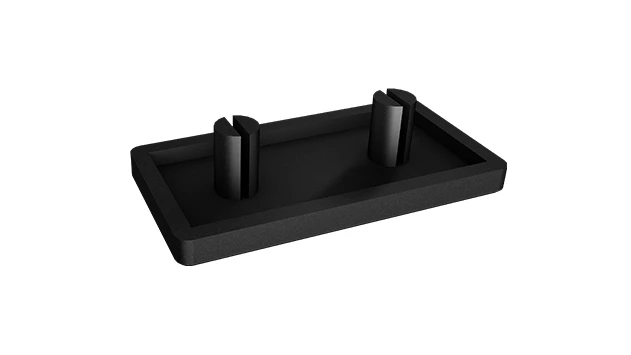
2040 Aluminum Profile End Cap
The aluminum profile end cap adds a finishing touch to your project and closes off profile ends to limit dust and debris buildup, also it can avaid some scratch for material and labor during the assemble work.
Walk into any modern workshop, manufacturing plant, or even a well-organized garage, and you'll likely spot something but incredibly essential: aluminum profiles. These sleek, versatile structures form the backbone of workbenches, material racks, conveyor systems, and countless other setups. But here's the thing—while the profiles themselves get all the attention for their strength and adaptability, it's the small accessories that often make the biggest difference in functionality and safety. Today, we're zeroing in on one such unsung hero: the 2040 aluminum profile end cap. Whether you're a seasoned fabricator or a DIY enthusiast just starting to explore aluminum extrusion profiles, understanding these tiny components will elevate how you build, maintain, and use your projects.
A Quick Primer: What Are Aluminum Profiles, Anyway?
Before we dive into end caps, let's make sure we're all on the same page about aluminum profiles. Simply put, aluminum profiles—often called aluminum extrusion profiles—are long, rigid structures made by pushing heated aluminum through a die to create specific cross-sectional shapes. The result? Lightweight yet strong pieces with built-in features like T-slots (those grooves running along the length) that let you attach accessories, shelves, panels, and more without welding or drilling. It's why they're a favorite in industries from automotive to aerospace, and even in home projects like custom storage solutions.
Aluminum profiles come in all sizes, denoted by their width and height in millimeters. For example, a 2020 profile is 20mm x 20mm, a 3030 is 30mm x 30mm, and so on. Today's star? The 2040 aluminum profile—a slim, versatile workhorse measuring 20mm wide by 40mm tall. It strikes a perfect balance between strength and compactness, making it ideal for projects where space is limited but durability can't be compromised. Think small workbenches, lightweight material racks, or machine guards. And just like any profile, the 2040 has ends that need a little extra care—enter the end cap.
So, What *Is* a 2040 Aluminum Profile End Cap?
Let's break it down: A 2040 aluminum profile end cap is a small, often plastic or metal cover designed to fit snugly over the exposed ends of a 2040 aluminum extrusion profile. Picture this: when you cut an aluminum profile to length for your project, the raw end is usually rough, sharp, and full of tiny burrs. Without a cap, that end becomes a hazard—catching on gloves, scratching tools, or even cutting skin. Worse, dust, debris, and moisture can work their way into the T-slots or hollow sections of the profile, corroding it from the inside over time. An end cap solves all that.
But end caps aren't just about protection. They also add a polished, professional look to your build. Ever seen a DIY project with rough, unfinished profile ends? It looks thrown together. Snap on a matching end cap, and suddenly that workbench or rack looks like it came straight from a factory floor. And because they're part of the broader category of aluminum profile accessories, end caps are designed to integrate seamlessly with other components—so you don't have to sacrifice functionality for aesthetics.

Types of 2040 Aluminum Profile End Caps: Which One Do You Need?
Not all end caps are created equal. Depending on your project's needs—whether it's safety, aesthetics, or specific environmental conditions—you'll want to pick the right type. Let's explore the most common varieties, and later, we'll compare them in a handy table to help you decide.
1. Snap-On End Caps
Snap-on end caps are the most popular choice for 2040 profiles, and for good reason: they're quick, easy to install, and affordable. As the name suggests, they "snap" into place by pressure alone—no screws, adhesives, or tools required. Most have small, flexible tabs that grip the inner walls of the profile, creating a tight seal. They're perfect for projects where you might need to remove the cap later (say, to access the inside of the profile) or for temporary setups.
These caps come in two main styles: solid and vented. Solid snap-on caps fully enclose the end, blocking dust and debris entirely. Vented versions have small holes or slits that allow air circulation—useful if the profile is being used as a channel for wires or cables, preventing heat buildup. Colors? You'll find them in standard shades like black, white, or silver to match common profile finishes, but some suppliers offer custom colors if you want to add a pop of personality to your project.
2. Screw-On End Caps
For applications where a tighter, more permanent seal is needed, screw-on end caps are the way to go. These have pre-drilled holes that align with the T-slots or pre-tapped holes in the profile, allowing you to secure them with small screws (usually M3 or M4). They're ideal for high-vibration environments—think conveyor systems or machinery where a snap-on cap might work loose over time. They also provide a stronger barrier against moisture and debris, making them a favorite in outdoor or industrial settings.
Screw-on caps are often made of thicker plastic or even aluminum, which adds durability. Some designs include a rubber O-ring or gasket for an extra water-tight seal—handy if your project is exposed to rain or spills. The tradeoff? Installation takes a bit longer than snap-on caps, and you'll need a screwdriver or hex key. But for peace of mind in critical applications, the extra effort is worth it.
3. Heavy-Duty Aluminum End Caps
When "tough" is the name of the game, aluminum end caps step up. These are machined from solid aluminum (matching the profile's material) and are built to withstand heavy impacts, extreme temperatures, or corrosive environments. They're thicker, heavier, and often used in industrial settings like factories or warehouses where the profile ends might bump against equipment, forklifts, or heavy materials. For example, material rack b (3 row and 3 floor)—a common storage solution in warehouses—often uses 2040 profiles for its frame, and aluminum end caps here prevent the rack from getting damaged when pallets are loaded or unloaded.
Aluminum end caps can be either snap-on or screw-on, but they're almost always screw-on for maximum security. They're also paintable, so you can match them to the profile's color or add a protective coating (like anodizing) for extra corrosion resistance. The downside? They're pricier than plastic caps, but if your project demands longevity, they're an investment that pays off.
4. Decorative End Caps
Sometimes, function and fashion go hand in hand. Decorative end caps are designed to make your project look as good as it works. These might have rounded edges, textured surfaces, or even custom logos embossed on them. They're popular in retail displays, trade show booths, or office furniture where aesthetics matter as much as utility. For example, a sleek aluminum workbench in a modern office might use decorative end caps in a metallic finish to complement the workspace's design.
Decorative caps are usually made of high-quality plastic or aluminum and come in a range of finishes—matte, glossy, or even wood-grain. While they still provide basic protection, their primary job is to enhance the project's appearance. Just keep in mind: they might not be as rugged as heavy-duty caps, so save them for low-impact, visible areas.
Comparing 2040 End Cap Types: A Quick Reference Table
| End Cap Type | Material | Installation Method | Best For | Key Features |
|---|---|---|---|---|
| Snap-On (Solid) | PVC/PP Plastic | Pressure-fit (no tools) | DIY projects, temporary setups, dust protection | Quick install, affordable, easy removal |
| Snap-On (Vented) | PVC/PP Plastic | Pressure-fit (no tools) | Wire/cable channels, heat-sensitive setups | Air circulation, dust resistance |
| Screw-On (Plastic) | ABS Plastic (with rubber gasket option) | Screws (M3/M4) | High-vibration environments, moisture exposure | Permanent seal, water-resistant, secure fit |
| Heavy-Duty Aluminum | Anodized Aluminum | Screws or press-fit | Industrial settings, material racks, impact resistance | Extreme durability, corrosion-resistant, high impact strength |
| Decorative | Premium Plastic/Aluminum | Snap-on or screw-on | Retail displays, office furniture, visible areas | Aesthetic appeal, color options, basic protection |

Materials Matter: What Are End Caps Made Of?
The material of your end cap plays a big role in its performance, so let's break down the most common options and when to choose each.
Plastic: The Go-To for Affordability and Versatility
Most end caps—especially snap-on varieties—are made of plastic, and for good reason. Plastics like polyvinyl chloride (PVC), polypropylene (PP), or acrylonitrile butadiene styrene (ABS) are lightweight, inexpensive, and easy to mold into precise shapes. PVC is resistant to chemicals and moisture, making it great for general use. PP is even more durable and heat-resistant, while ABS offers a smooth, glossy finish that's perfect for decorative caps.
Plastic end caps are also available in a wide range of colors, which is a plus for matching your project's aesthetic. The downside? They're not as strong as metal caps—heavy impacts can crack or chip them, and prolonged exposure to UV light (like direct sunlight) might cause fading or brittleness over time. Still, for most indoor projects or light-duty outdoor use, plastic caps are more than sufficient.
Aluminum: For Strength and Longevity
Aluminum end caps are the heavyweights of the bunch. Machined from solid aluminum (often the same alloy as the profile itself), they're resistant to corrosion, impacts, and extreme temperatures. They're also non-magnetic and conductive, which can be useful in specialized applications like electronics manufacturing. Because they're made of metal, they can be anodized (a process that adds a protective, colored layer) to match the profile's finish—so your end caps blend in seamlessly.
The tradeoff for all this durability? Cost. Aluminum caps are significantly more expensive than plastic ones, and they add a bit of weight to the profile. They're also harder to install—you'll almost always need screws, and the metal-on-metal fit requires precise sizing to avoid rattling. But if your project demands a cap that will last for years (or decades) in tough conditions, aluminum is worth the investment.
Nylon: The Middle Ground
Nylon end caps are a less common but excellent middle option between plastic and aluminum. Nylon is a tough, flexible material that's resistant to abrasion, chemicals, and impact—think of it as "plastic with muscle." It's lighter than aluminum but more durable than PVC, making it ideal for applications where you need a bit more resilience than plastic can offer but don't want the cost or weight of metal. Nylon also has natural lubricity, so it's less likely to scratch surfaces if the capped profile comes into contact with other materials. However, it can absorb moisture over time, which might affect its fit, so it's best used indoors or in dry environments.
Installing 2040 End Caps: A Step-by-Step Guide
Installing an end cap might seem like a no-brainer, but doing it right ensures a snug, long-lasting fit. Let's walk through the process for the two most common types: snap-on and screw-on.
Snap-On End Cap Installation
Step 1: Prepare the profile end. First, make sure the end of your 2040 profile is clean and smooth. If you just cut the profile, use a deburring tool or sandpaper to remove any sharp edges, burrs, or metal shavings. Even small burrs can prevent the cap from seating properly or damage the cap's tabs.
Step 2: Align the cap. Hold the end cap so that its tabs (the small, flexible projections) are facing the inside of the profile. Most snap-on caps have a "top" and "bottom" that match the profile's shape, so check for any notches or guides that indicate orientation. For a 2040 profile, the cap should have a narrower side (20mm) and a wider side (40mm) to match the profile's dimensions.
Step 3: Press into place. With one hand holding the profile steady, use your thumb or palm to press the cap firmly onto the end. Start at one corner and work your way around, applying even pressure. You should hear a "snap" as the tabs engage with the profile's inner walls. If the cap feels loose, gently wiggle it and press again—don't force it, as you might break the tabs.
Pro tip: If the cap is tight (common with new, stiff plastic), warm it up slightly with a hair dryer (on low heat) to make the plastic more flexible. Just don't overheat it—you don't want to melt or warp the cap!
Screw-On End Cap Installation
Step 1: Prep the profile. Same as with snap-on caps: deburr and clean the end. Then, check if your profile has pre-tapped holes for screws (some industrial profiles do) or if you'll need to drill into the T-slots. If drilling, use a drill bit slightly smaller than the screw diameter to avoid stripping.
Step 2: Position the cap. Place the cap on the end of the profile, aligning its pre-drilled holes with the T-slots or drilled holes. If the cap has a rubber gasket, make sure it's seated correctly between the cap and the profile to ensure a tight seal.
Step 3: Secure with screws. insert the screws (usually self-tapping or machine screws) into the holes and tighten them with a screwdriver or hex key. Be careful not to over-tighten—this can crack plastic caps or strip the threads in aluminum profiles. Aim for a firm, snug fit where the cap doesn't wiggle but isn't distorted.
Pro tip: For extra security, add a drop of thread-locking adhesive to the screw threads before tightening—especially in high-vibration setups. This prevents the screws from backing out over time.
Why Bother with End Caps? The Top Benefits
By now, you might be thinking, "Do I really need end caps? Can't I just leave the profile ends raw?" The short answer: yes, you do need them. Here's why they're worth every penny.
1. Safety First: No More Sharp Edges
This is the biggest one. Raw aluminum profile ends are sharp—think of a freshly cut piece of metal with tiny, jagged burrs that can slice through gloves or skin. In a workshop or factory, where people are moving quickly, this is a major hazard. End caps cover those edges, turning a potential injury risk into a smooth, safe surface. OSHA (Occupational Safety and Health Administration) even has guidelines about "guarding" sharp edges in the workplace, so using end caps isn't just a good idea—it might be a legal requirement, depending on your industry.
2. Protection Against Debris and Moisture
Aluminum profiles often have hollow centers or T-slots that act like magnets for dust, dirt, sawdust, and even small tools. Over time, this debris can clog the slots, making it hard to attach accessories later. Worse, if moisture gets inside (from spills, condensation, or humidity), it can cause corrosion—especially in uncoated profiles. End caps seal off these openings, keeping the inside clean and dry. This is especially important for profiles used in food processing, pharmaceutical manufacturing, or outdoor settings where cleanliness and durability are non-negotiable.
3. A Polished, Professional Look
Let's be honest: a project with raw, unfinished profile ends looks unprofessional. It's like painting a room but leaving the edges untrimmed—close, but not quite there. End caps give your build a clean, finished appearance that signals attention to detail. Whether you're building a workbench for your garage or a display rack for a retail store, that polished look matters. It can even increase the perceived value of your project—useful if you're selling custom builds or presenting work to clients.
4. Preserving the Profile's Integrity
Aluminum extrusion profiles are designed to bear weight and stress along their length, but their ends are surprisingly vulnerable. A sharp impact to an uncapped end can dent, bend, or even crack the profile—ruining its structural integrity. End caps act as a buffer, absorbing some of that impact and protecting the profile's edges. This is especially important for profiles used in mobile setups, like carts or portable workbenches, which are more likely to bump into walls or other objects.
Where Do 2040 End Caps Shine? Common Applications
2040 aluminum profiles are versatile, and their end caps are right there with them. Let's look at some real-world scenarios where these caps make a big difference.
Workbenches and Tables
Workbenches are perhaps the most common use for 2040 profiles. Whether it's a DIY garage workbench or a professional assembly station in a factory, the profile ends (especially on the corners and legs) are constantly exposed to tools, parts, and people. End caps here prevent scratches on tools, cuts on hands, and damage to the bench itself. For example, the "workbench e (single deck-without caster)" setup—a simple, sturdy workbench design—relies on 2040 profiles for its frame, and end caps ensure the edges where you rest your arms or tools are smooth and safe.
Material Racks and Storage Systems
Material racks, like the popular material rack b (3 row and 3 floor), use 2040 profiles to create lightweight yet strong shelving for parts, boxes, or raw materials. The ends of these profiles are often at eye level or within arm's reach, so sharp edges are a constant hazard. End caps here protect both the stored items (preventing snags on boxes or fabrics) and the workers who load and unload them. In warehouses, where material racks are often moved or reconfigured, durable end caps also help the rack withstand bumps from pallet jacks or forklifts.
Conveyor Systems and Flow Racks
Conveyor systems and flow racks use 2040 profiles to guide products along a path. The profile ends here are often near moving parts or where items transition from one section to another. Vented end caps are particularly useful in these setups, as they allow air circulation to prevent heat buildup from friction or motorized components. Screw-on caps are also common, as conveyor systems generate vibration that could loosen snap-on caps over time.
DIY Projects and Custom Furniture
Hobbyists and makers love 2040 profiles for custom projects like 3D printer enclosures, CNC machine frames, or even bookshelves. In these cases, end caps add a finished look that elevates the project from "homemade" to "high-quality custom." Decorative end caps in fun colors can also add a personal touch—think a neon green cap on a gaming desk or a wood-grain cap on a bookshelf to match the room's decor.
How Do 2040 End Caps Compare to Other Profile End Caps?
If you've worked with other aluminum profiles, you might be wondering how 2040 end caps stack up against those for 2020, 3030, or 4040 profiles. Let's break down the key differences.
Size and Fit
The most obvious difference is size. 2040 end caps are designed specifically for 20mm x 40mm profiles, so they won't fit 2020 (too narrow) or 3030 (too wide) profiles. This might seem like a no-brainer, but it's easy to mix up caps in a workshop full of different profile sizes. Always check the cap's labeling—most will have the profile size (e.g., "2040") printed or molded into them. Some suppliers even color-code caps by profile size (red for 2020, blue for 2040, etc.) to make sorting easier.
Weight and Durability Needs
2040 profiles are slimmer than 3030 or 4040, so their end caps are often lighter and less robust—though this isn't a hard rule. For example, a 4040 profile used in a heavy-duty machine frame might require thick aluminum end caps, while a 2040 profile in a lightweight shelf might only need a basic plastic snap-on cap. That said, if your 2040 project is in a tough environment, you can still opt for heavy-duty aluminum caps—they'll just be smaller than their 4040 counterparts.
Availability and Cost
2040 is a popular profile size, so its end caps are widely available from most aluminum profile suppliers. This means more options (colors, materials, styles) and competitive pricing. Less common sizes (like 2060 or 3060) might have limited end cap choices, but 2040 caps are usually in stock and affordable. Plastic 2040 caps typically cost $0.50 to $2 each, while aluminum ones range from $3 to $10—still budget-friendly for most projects.
Maintaining Your 2040 End Caps: Tips for Longevity
End caps are low-maintenance, but a little care goes a long way in keeping them (and your profiles) in top shape.
Regular Inspections
Every few months, take a quick look at your end caps. Check for cracks, chips, or looseness—especially in high-use areas like workbenches or material racks. Snap-on caps can work loose over time, so give them a gentle tug to ensure they're still snug. Screw-on caps might need a quick tighten if they've vibrated loose. Catching issues early prevents bigger problems later (like dust getting into the profile or a cap falling off entirely).
Cleaning
Dirt and grime can build up on end caps, especially in industrial settings. Wipe them down with a damp cloth or mild soap and water to keep them looking fresh. Avoid harsh chemicals like bleach or solvents, which can damage plastic caps or strip the finish from aluminum ones. For tough stains, a soft-bristled brush (like an old toothbrush) works well—just be gentle to avoid scratching.
Replacement When Needed
If a cap is cracked, broken, or too loose to stay on, replace it immediately. End caps are cheap (even aluminum ones), so there's no reason to keep a damaged cap on a profile. Most suppliers sell caps in bulk, so it's a good idea to keep a few spares on hand—you'll thank yourself when you need one in a hurry.
Final Thoughts: Don't Overlook the Little Things
At the end of the day, 2040 aluminum profile end caps might seem like small, insignificant parts. But as we've explored, they play a huge role in safety, functionality, and aesthetics. They turn rough, unfinished profiles into polished, professional projects. They protect your investment in aluminum extrusion profiles by keeping them clean, dry, and damage-free. And they do it all at a price that won't break the bank.
Whether you're building a workbench, a material rack, or a custom machine, take the time to choose the right end caps for your 2040 profiles. Consider the environment (indoor vs. outdoor), the level of impact (light vs. heavy), and the look you want to achieve. And remember: even the best profiles deserve the protection of a good end cap. After all, the little details are what make a project truly great.