- Company Articles
- Products and Technology
- Product knowledge
- Understanding 3060 Aluminum Profile End Caps: Basics for Manufacturing Teams

Understanding 3060 Aluminum Profile End Caps: Basics for Manufacturing Teams
Related Product
3060 Aluminum Profile End Cap
The aluminum profile end cap adds a finishing touch to your project and closes off profile ends to limit dust and debris buildup, also it can avaid some scratch for material and labor during the assemble work.
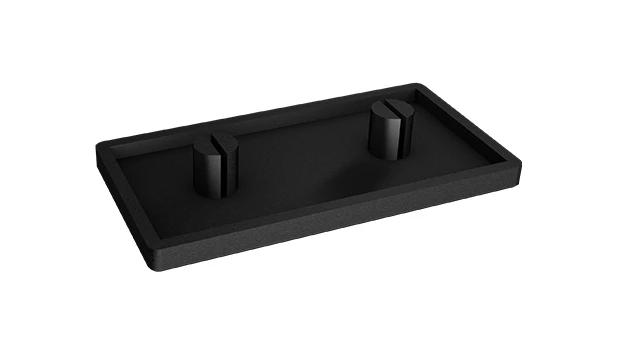
Walk into any modern manufacturing facility, and you'll likely see rows of workbenches, material racks, and assembly lines built with sleek, silver aluminum extrusion profiles. These structures are the backbone of efficient production—sturdy, customizable, and designed to adapt as workflows change. But if you look closely at the ends of those aluminum profiles, you might notice small, often-overlooked components that play a critical role in keeping things running smoothly: end caps. Specifically, for teams working with 3060 aluminum profiles (a common size in industrial setups), the 3060 aluminum profile end cap is more than just a finishing touch. It's a small part with big responsibilities, from protecting workers to preserving the integrity of the entire structure. In this guide, we'll break down everything manufacturing teams need to know about these unassuming but essential aluminum profile accessories.
What Are 3060 Aluminum Profile End Caps?
Let's start with the basics. Aluminum extrusion profiles are industrial-grade materials shaped by forcing aluminum through a die, creating consistent cross-sections. The "3060" in 3060 aluminum extrusion profile refers to its dimensions: 30 millimeters in width and 60 millimeters in height. These profiles are prized for their strength-to-weight ratio, making them ideal for building workbenches, material racks, conveyor supports, and other manufacturing fixtures.
But here's the thing: when aluminum extrusion profiles are cut to length (a common step in customizing structures), the raw ends can be sharp, uneven, or porous. That's where 3060 aluminum profile end caps come in. These are small, often plastic or metal covers designed to fit snugly over the open ends of 3060 profiles. Think of them as the "caps" on a marker—simple, but necessary to keep the inside clean and the outside safe.
End caps are part of a broader category of aluminum profile accessories, which includes brackets, connectors, and hinges. While accessories like 90° aluminum profile connectors get attention for holding structures together, end caps quietly handle the finishing work that makes these structures functional and safe.
Why Do Manufacturing Teams Need 3060 End Caps? The Key Functions
At first glance, end caps might seem like a "nice-to-have" rather than a "must-have." But ask any manufacturing team that's skipped them, and they'll tell you otherwise. Here's why these small components matter:
1. Safety First: Preventing Cuts and Scrapes
Raw aluminum extrusion ends are rarely smooth. Cutting, sawing, or even just handling profiles can leave burrs, sharp edges, or jagged corners. In a busy manufacturing environment—where workers are moving quickly, loading materials, or adjusting equipment—these edges pose a real risk. A 3060 aluminum profile end cap covers those sharp spots, turning a potential hazard into a smooth, safe surface. This isn't just about avoiding minor scrapes; in industries where gloves or sleeves might catch on rough edges, end caps can prevent more serious injuries.
2. Protecting the Profile's Integrity
Aluminum extrusion profiles often have T-slots—long, narrow grooves running along their length that let teams attach accessories like brackets or shelves. These T-slots are critical for customization, but they're also vulnerable to debris. Dust, metal shavings, oil, or even small tools can fall into open profile ends and clog the T-slots. Over time, this buildup makes it hard to slide in connectors or adjust components, slowing down maintenance and repairs. End caps seal off the ends, keeping the T-slots clean and functional.
3. A Cleaner, More Professional Look
Manufacturing spaces are busy, but that doesn't mean they have to look unkempt. Raw profile ends can make even the most well-built workbench look unfinished. End caps give structures a polished, uniform appearance—important not just for morale (a clean workspace feels more organized and less stressful) but also for client or auditor visits. A facility with neatly capped profiles sends a message: "We care about details."
4. Extending the Life of Equipment
Aluminum is corrosion-resistant, but it's not impervious. Moisture, chemicals, or even industrial cleaning agents can seep into open profile ends and cause internal corrosion over time. This weakens the profile from the inside out, reducing its load-bearing capacity. End caps act as a barrier, keeping liquids and corrosive substances out and extending the life of the aluminum extrusion profile.

Types of 3060 Aluminum Profile End Caps: Choosing the Right One
Not all end caps are created equal. Manufacturing teams need to choose options that fit their specific needs, from the environment (wet vs. dry) to the profile's use (static workbench vs. mobile trolley). Here are the most common types:
| End Cap Type | Material | Key Features | Best For | Pros | Cons |
|---|---|---|---|---|---|
| Standard Plastic End Cap | PVC or Nylon | Snug, friction-fit design; smooth surface | General-purpose use (workbenches, static racks) | Cost-effective, lightweight, easy to install | Less durable in high-heat or chemical environments |
| Aluminum End Cap | Aluminum Alloy | Metal construction; often with threaded holes for mounting | Heavy-duty applications (conveyor supports, outdoor use) | High strength, corrosion-resistant, compatible with bolts | More expensive; heavier than plastic |
| Vented End Cap | Plastic or Aluminum | Small holes to allow air circulation | Profiles used in temperature-controlled areas (electronics assembly) | Prevents moisture buildup inside profiles | Not ideal for dusty environments (debris can enter through vents) |
| Threaded End Cap | Metal (Steel or Aluminum) | Internal threading for attaching bolts or leveling feet | Workbenches or racks needing height adjustment | Adds functionality (e.g., mounting caster wheels or feet) | Requires precise sizing to match profile threads |
For most manufacturing teams, the standard plastic end cap is a great starting point. It's affordable, easy to install, and works for 90% of applications—think basic workbenches, material racks, or assembly line structures. But if your facility uses profiles in harsh conditions (like near chemical tanks or in outdoor yards), aluminum end caps are worth the investment. They stand up to corrosion, high temperatures, and heavy impacts better than plastic.

Materials Matter: What 3060 End Caps Are Made Of
The material of your 3060 aluminum profile end cap affects everything from durability to cost. Let's dive into the most common options:
Plastic: The Go-To for Affordability and Ease
Most end caps on the market are plastic, typically made from polyvinyl chloride (PVC) or nylon. PVC is budget-friendly and resistant to moisture, making it a solid choice for indoor use. Nylon, on the other hand, is slightly more durable and has better impact resistance—useful if the end cap might get bumped or knocked (common in busy workbench areas). Both materials are lightweight, so they don't add unnecessary weight to structures, and they're easy to trim or modify if needed (though a well-made end cap should fit 3060 profiles perfectly without adjustments).
Aluminum: The Heavy-Duty Option
Aluminum end caps are made from the same alloy as the extrusion profiles themselves, so they blend in seamlessly. They're heavier than plastic but offer superior strength. If your end cap needs to support weight (for example, if you're mounting a small shelf directly on the end of a profile), aluminum is the way to go. They're also ideal for outdoor use or environments with frequent exposure to water, as aluminum resists rust and corrosion better than many plastics.
Rubber: For Specialized Applications
Rubber end caps are less common but useful in specific scenarios. They're soft, so they absorb vibrations—great for equipment racks that hold sensitive tools or electronics. They also provide a non-slip surface, which can be helpful if the end of a profile doubles as a grip point (e.g., on a hand trolley). However, rubber tends to degrade faster than plastic or aluminum under UV light, so they're best for indoor use.
How End Caps Fit with Aluminum Extrusion Profiles and Accessories
To really understand 3060 aluminum profile end caps, it helps to see how they fit into the larger ecosystem of aluminum extrusion systems. Let's take a typical scenario: building a workbench using 3060 aluminum profiles, aluminum profile accessories, and a few other key components.
Scenario: A manufacturing team needs a new assembly workbench. They start with 3060 aluminum extrusion profiles for the frame. To connect the vertical and horizontal profiles, they use 90° aluminum profile connectors. For the work surface, they attach an aluminum honeycomb panel using T-slot bolts that slide into the profile's grooves. Finally, they add caster wheels to make the bench mobile. To finish it off, they snap 3060 aluminum profile end caps onto all the exposed profile ends.
In this setup, the end caps aren't just extras—they complete the system. Without them, the T-slots at the ends of the profiles would be open, letting dust accumulate and making it harder to keep the workbench clean. The sharp edges could also scratch the aluminum honeycomb panel as workers slide materials across the bench. And if the team ever needs to reconfigure the bench (adding a shelf or adjusting the height), clean T-slots (thanks to end caps) make it easier to attach new accessories.
End caps also work with other accessories like aluminum guide rails or roller tracks. For example, if the workbench has a roller track to move materials, the tracks are often mounted to 3060 profiles. The end caps on those profiles prevent debris from falling into the track mechanism, ensuring smooth movement.
Installing 3060 Aluminum Profile End Caps: A Step-by-Step Guide
Installing end caps is straightforward, but doing it right ensures they stay in place and do their job. Here's how manufacturing teams can install them correctly:
Step 1: Prepare the Profile End
Before adding an end cap, inspect the profile end for burrs or sharp edges. If you see any, use a deburring tool or fine-grit sandpaper to smooth them out. This helps the end cap fit snugly and prevents it from tearing (especially important for plastic caps).
Step 2: Choose the Right End Cap Size
Not all "3060" end caps are identical. Some are designed for profiles with thicker walls, while others fit standard wall thicknesses. Check the end cap's specifications to ensure it matches your 3060 profile's dimensions. A cap that's too small won't stay on; one that's too large will fall off easily.
Step 3: Press or Tap into Place
Most plastic end caps are friction-fit—meaning they rely on pressure to stay on. Align the cap with the profile end, making sure any notches or tabs (if present) line up with the T-slots. Then, press firmly with your hands. For a tighter fit, gently tap the cap with a rubber mallet (never a metal hammer, which can crack plastic). For aluminum end caps, you may need to use a small amount of thread locker (like Loctite) if they're threaded, to prevent them from loosening over time.
Step 4: Test for Security
Once installed, give the end cap a gentle tug to make sure it doesn't come loose. If it wiggles or falls off, check for debris on the profile end or try a different size cap. A properly installed end cap should feel solid, with no movement.
Maintenance Tips: Keeping End Caps (and Profiles) in Top Shape
3060 aluminum profile end caps are low-maintenance, but a little care goes a long way. Here's how to keep them (and the profiles they protect) working well:
Inspect Regularly
During routine equipment checks, take a moment to look at the end caps. Are they cracked? Loose? Missing entirely? Plastic caps can degrade over time, especially if exposed to sunlight or chemicals. Aluminum caps might get dented if hit by heavy objects. Catching issues early prevents safety risks and protects the profiles.
Clean Gently
When cleaning workbenches or racks, wipe down the end caps with a damp cloth. Avoid harsh chemicals like bleach or industrial solvents, which can discolor or weaken plastic caps. For aluminum caps, a mild soap and water solution works best.
replace When Needed
If an end cap is cracked, loose, or missing, replace it immediately. End caps are inexpensive, and the cost of a new one is far less than the cost of a worker injury or a damaged profile. Keep a few spares in your toolroom so you can swap them out quickly.
Common Mistakes to Avoid with 3060 End Caps
Even with the best intentions, manufacturing teams can make missteps when it comes to end caps. Here are the most common mistakes—and how to steer clear of them:
Mistake #1: Using the Wrong Size
Not all 3060 profiles are identical. Some have thicker walls, or slightly different T-slot designs, which can affect end cap fit. Always check the end cap's specifications to ensure it matches your profile's make and model. Using a 2020 end cap on a 3060 profile (yes, it happens!) will result in a loose, ineffective fit.
Mistake #2: Forcing a Poor Fit
If an end cap doesn't slide on easily, resist the urge to hammer it into place. This can warp the cap, crack the profile end, or leave the cap loose. Instead, check for burrs, debris, or a mismatched size.
Mistake #3: Skipping End Caps to Save Time or Money
It's tempting to skip end caps when you're in a hurry to finish a project. But as we've covered, the risks—injuries, debris-clogged T-slots, premature profile damage—far outweigh the small cost of a few caps. Think of them as insurance for your aluminum extrusion structures.
Mistake #4: Ignoring Environmental Factors
Using a basic plastic end cap in a high-heat area (like near a furnace) or a chemical storage room is a recipe for failure. Plastic can melt or degrade, leaving the profile exposed. Always choose end caps designed for your facility's specific conditions.
Final Thoughts: Small Parts, Big Impact
3060 aluminum profile end caps might not be the most glamorous components in a manufacturing facility, but they're a testament to the idea that "the details matter." For teams building with aluminum extrusion profiles, these small caps turn raw materials into safe, functional, and professional-grade structures. They protect workers, preserve equipment, and keep operations running smoothly—all while costing just a few dollars each.
So the next time your team is assembling a workbench, material rack, or conveyor system, don't overlook the end caps. Take a moment to choose the right type, install them properly, and keep them maintained. Your workers (and your bottom line) will thank you.
After all, in manufacturing, success is often in the details—and 3060 aluminum profile end caps are one detail that's too important to ignore.