- Company Articles
- Products and Technology
- Product knowledge
- Understanding 38 Aluminum Roller Track Black ESD: Material Composition & ESD Protection

Understanding 38 Aluminum Roller Track Black ESD: Material Composition & ESD Protection
Related Product
38 Aluminum Roller Track Black ESD
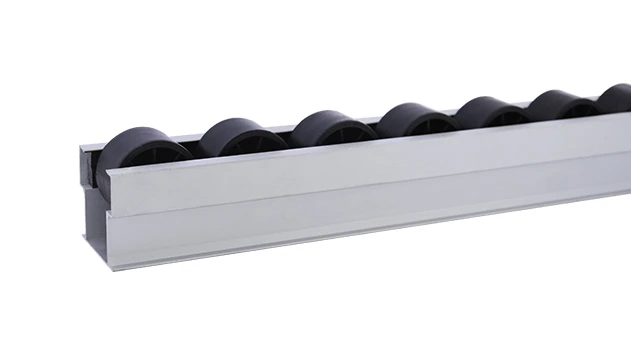
Durable and smooth-running modular roller rails. The system is fully assembled. The roller rail profile contains plastic rollers mounted on steel axles. Aluminum frame with plastic wheel make it anti corrosion,and material convey more smooth.
Understanding 38 Aluminum Roller Track Black ESD: Material Composition & ESD Protection
Ever wondered how sensitive electronic components move safely along production lines without getting damaged by static electricity? The answer often lies in but critical tools like the 38 Aluminum Roller Track Black ESD. This small but mighty component plays a key role in keeping assembly lines running smoothly, especially in industries where electrostatic discharge (ESD) can ruin expensive parts—think 3C assembly, medical device manufacturing, or consumer electronics production.
But what exactly is this roller track made of? How does it protect against ESD? And why is it such a staple in modern lean manufacturing systems? In this article, we'll dive deep into the material composition of the 38 Aluminum Roller Track Black ESD, unpack its ESD protection mechanism, explore its applications, and show how it integrates with broader lean solutions to boost efficiency and product safety.
First, let's get a clear picture of what the 38 Aluminum Roller Track Black ESD is. As the name suggests, it's a 38mm-wide roller track made from aluminum, coated with a black ESD-compliant layer. It's designed to facilitate the smooth flow of materials (like component trays or boxes) from one workstation to another, all while preventing static buildup that could harm sensitive items. It's a common sight in flow racks, conveyors, and lean pipe workbenches—key elements of flexible production lines used across industries.
Material Composition: A Detailed Breakdown
The 38 Aluminum Roller Track Black ESD isn't just a simple piece of metal—it's a carefully engineered assembly of components, each contributing to its overall performance and ESD safety. Let's break down each part and its role:
| Component Name | Primary Material | Key Properties | Role in ESD Protection |
|---|---|---|---|
| Aluminum Extrusion Base Profile | 6063-T5 Aluminum Alloy | Lightweight, high strength-to-weight ratio, corrosion-resistant, excellent thermal conductivity | Provides structural support; acts as a ground path for static electricity when connected to an ESD workstation or grounding system |
| Black ESD Coating Layer | Conductive Polymer Blend (Carbon Black Fillers) | Surface resistance: 10⁶–10⁹ Ω (ANSI/ESD S20.20), scratch-resistant, wear-resistant | Dissipates static charges from the surface to the aluminum base, preventing buildup |
| 38mm Black ESD Roller Balls | ESD-Compliant Polyacetal (POM) | Low friction, impact-resistant, surface resistance:10⁵–10¹⁰ Ω | Transfers static charges from materials to the track base; ensures smooth material flow |
| Side Guide Rail | ESD-Coated Aluminum Alloy | Rigid, corrosion-resistant, ESD-compliant surface | Prevents material slippage; adds extra grounding points for static dissipation |
| Roller Track Connector | ESD-Coated Steel | Durable, conductive, compatible with lean system components | Maintains electrical continuity between track sections; ensures uniform static dissipation |
Let's go deeper into each component to understand why these materials are chosen. The aluminum base profile (6063-T5) is a popular choice because it's lightweight yet strong enough to handle the weight of materials moving across it. It's also corrosion-resistant, which is important for long-term use in factory environments where dust, moisture, or chemicals might be present. Most importantly, aluminum is a good conductor, so it acts as a pathway for static charges to flow to the ground—critical for ESD protection.
The black ESD coating is a game-changer. Without it, the aluminum surface might still conduct static, but the coating adds an extra layer of protection and durability. The conductive polymer blend (with carbon black) ensures that any static charge on the track's surface is quickly dissipated into the aluminum base, rather than staying on the surface and transferring to materials. The coating is also scratch-resistant, so even after months of use, it won't lose its ESD properties easily.
The roller balls are another key component. Made from ESD-compliant POM, they reduce friction so materials slide smoothly. But more than that, their ESD properties mean that when a tray of sensitive components rolls over them, any static charge on the tray is transferred to the balls, then to the track base, and finally to the ground. This prevents the charge from building up and causing damage to the components inside the tray.
The side guide rails and connectors are often overlooked, but they're essential for maintaining the track's integrity and ESD performance. The guide rails keep materials on track, and since they're ESD-coated, they add extra points for static dissipation. The connectors ensure that multiple track sections are electrically connected, so static charges can flow across the entire length of the track without any breaks—this is crucial for consistent ESD protection across the entire production line.

How Does It Protect Against ESD? The Core Mechanism
Now that we know the materials, let's understand how the 38 Aluminum Roller Track Black ESD actually prevents static damage. ESD occurs when two surfaces rub against each other, creating a charge imbalance. If that charge isn't dissipated properly, it can jump to a sensitive component (like a microchip) and destroy it. The roller track addresses this in two main ways: dissipation and grounding.
1. Static Dissipation
Dissipation is the process of slowly releasing static charges into the environment, rather than letting them build up. The black ESD coating on the track and rollers has a surface resistance in the range of 10⁶ to 10⁹ ohms. This is the ideal range for ESD protection—high enough to prevent electric shocks to workers, but low enough to allow static charges to flow away from sensitive materials.
For example, when a plastic tray of microchips slides over the roller track, the friction between the tray and rollers creates a static charge. Instead of staying on the tray, the charge moves to the ESD rollers, then to the coated track base, and finally to the ground. This slow, controlled dissipation ensures that no spark is generated, which is the main cause of ESD damage.
2. Grounding
Dissipation alone isn't enough—you need a way to channel the static charge to the ground. The aluminum base of the track is an excellent conductor, so when the track is connected to a grounded ESD workstation or a lean pipe system that's properly grounded, the static charges flow directly to the earth. This is why it's important to install the roller track correctly, ensuring that all connections are tight and that the entire system is grounded according to ESD standards (like ANSI/ESD S20.20).
Without proper grounding, the track's ESD coating would still dissipate charges, but they might not go all the way to the ground—leading to potential buildup over time. So, grounding is a critical part of the overall ESD protection system, and the 38 Aluminum Roller Track Black ESD is designed to integrate seamlessly with grounded lean systems.

Key Applications: Where Is It Used?
The 38 Aluminum Roller Track Black ESD is a versatile component used across a wide range of industries. It's especially popular in sectors where ESD protection is non-negotiable. Let's look at some of the most common applications:
1. 3C Assembly Lines
In 3C (Computer, Communication, Consumer Electronics) assembly, every component from circuit boards to smartphones is sensitive to ESD. The roller track is used in flow racks to hold component trays, allowing workers to easily access parts without touching them directly. It's also integrated into conveyors that move products from one station to another—like from soldering to testing. When paired with an ESD workstation, it creates a fully protected environment for assembling sensitive devices.
2. Medical Device Manufacturing
Medical devices like pacemakers, insulin pumps, or diagnostic equipment often contain delicate electronic components. The 38 Aluminum Roller Track Black ESD is used in lean pipe workbenches where these devices are assembled, ensuring that static doesn't damage the components. It's also used in warehousing logistics for storing and moving medical device parts safely.
3. Automotive Electronics
Modern cars are packed with electronics—from infotainment systems to sensors. The roller track is used in production lines for these components, helping to move parts like GPS modules or airbag sensors without static damage. It's a key part of the lean systems that automotive manufacturers use to streamline production and reduce waste.
4. Consumer Electronics Production
From laptops to wireless earbuds, consumer electronics are highly susceptible to ESD. The roller track is used in flow racks and conveyors to move components between stations, ensuring that every part arrives at the assembly line in perfect condition. It's also used in packaging stations to prevent static from damaging products before they're shipped to customers.
In all these applications, the 38 Aluminum Roller Track Black ESD isn't just a standalone tool—it's part of a larger lean solution. For example, in a 3C assembly line, it might be combined with a flow rack, a conveyor, and an ESD workstation to create a fully integrated system that maximizes efficiency and minimizes ESD risks.
Why Choose ESD Roller Track Over Non-ESD Options?
You might be wondering: why not just use a regular roller track? The answer is simple—static damage is expensive. A single ESD event can ruin a $100 microchip, or even a $1000 medical device. The 38 Aluminum Roller Track Black ESD offers several key advantages over non-ESD alternatives:
- ESD Protection: The most obvious advantage—prevents static buildup and damage to sensitive components. This reduces product defects and saves money on replacement parts.
- Durability: The aluminum base and scratch-resistant coating make it long-lasting. Unlike plastic non-ESD tracks, it won't crack or break easily under heavy use.
- Reusability: Aligns with lean manufacturing principles—since it's modular, you can easily reconfigure it for different production lines. This reduces waste and saves on new equipment costs.
- Compatibility: Works seamlessly with other lean system components like flow racks, conveyors, and lean pipe workbenches. This makes it easy to integrate into existing lines or build new ones.
- Low Maintenance: Requires minimal upkeep—just regular cleaning with ESD-safe cleaners to maintain its coating. Non-ESD tracks might need frequent replacement, especially if they're used in harsh environments.
For example, a manufacturer of smartphones might switch from non-ESD to ESD roller tracks and see a 50% reduction in component defects due to static. That's a huge cost saving over time, not to mention the improved quality of their final products.
Integration with Lean Manufacturing Systems
Lean manufacturing is all about eliminating waste, improving efficiency, and continuous improvement. The 38 Aluminum Roller Track Black ESD fits perfectly into this philosophy. Let's see how:
1. Modularity & Flexibility
The roller track is modular—you can cut it to any length, connect it with roller track connectors, and attach it to flow racks or lean pipe workbenches. This means you can easily adjust your production line as your needs change. For example, if you need to add a new workstation to your assembly line, you can quickly extend the roller track to connect it—no need to buy a whole new system.
2. Waste Reduction
Lean manufacturing emphasizes reducing seven types of waste: overproduction, inventory, motion, waiting, transportation, overprocessing, and defects. The roller track helps reduce several of these:
- Defects: Prevents ESD-related defects, as we mentioned earlier.
- Waiting: Facilitates smooth material flow, so workers don't have to wait for parts to arrive.
- Transportation: Reduces the need for manual material handling, saving time and effort.
3. Continuous Improvement
The roller track is designed to be reusable and reconfigurable, which aligns with the lean principle of continuous improvement (kaizen). You can test different layouts, adjust the track length, or add new components to optimize your line over time. This helps you stay competitive and adapt to changing market demands.
Many manufacturers use the 38 Aluminum Roller Track Black ESD as part of custom lean solutions. For example, a 3C assembly company might work with a supplier to design a flexible production line that includes the roller track, flow racks, conveyors, and lean pipe workbenches—all tailored to their specific needs. This custom approach ensures that the system is efficient, ESD-safe, and scalable.
Maintenance & Care: Keeping Your Roller Track in Top Shape
To get the most out of your 38 Aluminum Roller Track Black ESD, you need to take proper care of it. Here are some tips to ensure long-term performance:
1. Clean Regularly
Dust and dirt can build up on the track and rollers, reducing their ESD effectiveness. Clean the track at least once a week (or more often if it's in a dusty environment) using an ESD-safe cleaner and a lint-free cloth. Avoid using harsh chemicals like bleach or ammonia—they can damage the ESD coating.
2. Check for Scratches or Damage
Inspect the track regularly for scratches or chips in the ESD coating. If you find any, repair them immediately with an ESD-compliant touch-up paint. A damaged coating can lose its dissipation properties, leaving your components vulnerable to static.
3. Verify Grounding
Make sure the track is properly grounded. Use an ESD meter to check the surface resistance periodically (every 3-6 months). If the resistance is outside the 10⁶-10⁹ ohm range, check the grounding connections and repair any loose wires.
4. Lubricate Rollers (If Needed)
Most ESD rollers are self-lubricating, but if you notice that materials are sliding less smoothly, you can lubricate them with an ESD-safe lubricant. Avoid using regular oil—it can attract dust and damage the rollers.
5. Store Properly (If Not In Use)
If you're not using the track for a long time, store it in a dry, clean place. Avoid stacking heavy objects on it, as this can bend the aluminum base. Cover it with a dust sheet to prevent dirt buildup.
By following these tips, you can extend the lifespan of your roller track and ensure that it continues to provide reliable ESD protection for years to come.
Choosing the Right Supplier: What to Look For
Not all 38 Aluminum Roller Track Black ESD products are created equal. To get the best quality and performance, you need to choose a reliable supplier. Here are some key factors to consider:
1. Quality Certification
Look for suppliers whose products meet international ESD standards like ANSI/ESD S20.20 or IEC 61340. This ensures that the track is tested and proven to provide effective ESD protection.
2. Modular & Customizable Options
A good supplier should offer modular components that can be easily configured to your needs. They should also provide custom solutions—like designing a track system tailored to your specific production line or industry.
3. Wholesale Availability
If you're a large manufacturer, you'll need to buy in bulk. Look for suppliers that offer wholesale options for lean pipe, flow racks, conveyors, and roller tracks. This can save you money and ensure consistent quality across all your production lines.
4. Technical Support
ESD systems can be complex. A good supplier should provide technical support—like helping you design your system, install the track, or troubleshoot any issues. This ensures that you get the most out of your investment.
Reliable suppliers understand the unique needs of different industries and can help you find the right solution for your business. Whether you're looking for a standard roller track or a custom lean solution, choosing the right supplier is key to success.
Conclusion: The Importance of ESD Roller Tracks in Modern Manufacturing
The 38 Aluminum Roller Track Black ESD may seem like a small component, but it plays a huge role in modern manufacturing. Its carefully engineered material composition ensures effective ESD protection, while its modular design makes it a key part of lean systems that boost efficiency and reduce waste.
Whether you're in 3C assembly, medical device manufacturing, or automotive electronics, this roller track can help you protect your sensitive components, reduce defects, and improve your bottom line. When paired with other lean system components like flow racks, conveyors, and lean pipe workbenches, it creates a fully integrated solution that meets the needs of today's fast-paced production lines.
So, if you're looking to upgrade your production line or build a new one, don't overlook the importance of ESD-safe components like the 38 Aluminum Roller Track Black ESD. Choose a reliable supplier, follow proper maintenance tips, and integrate it into your lean system—you'll see the benefits in terms of better product quality, higher efficiency, and lower costs.
In the end, the 38 Aluminum Roller Track Black ESD is more than just a tool—it's an investment in the safety and success of your manufacturing operations.