- Company Articles
- Products and Technology
- Product knowledge
- Understanding 38 Aluminum Roller Track Black: Structure and Design Basics

Understanding 38 Aluminum Roller Track Black: Structure and Design Basics
Related Product
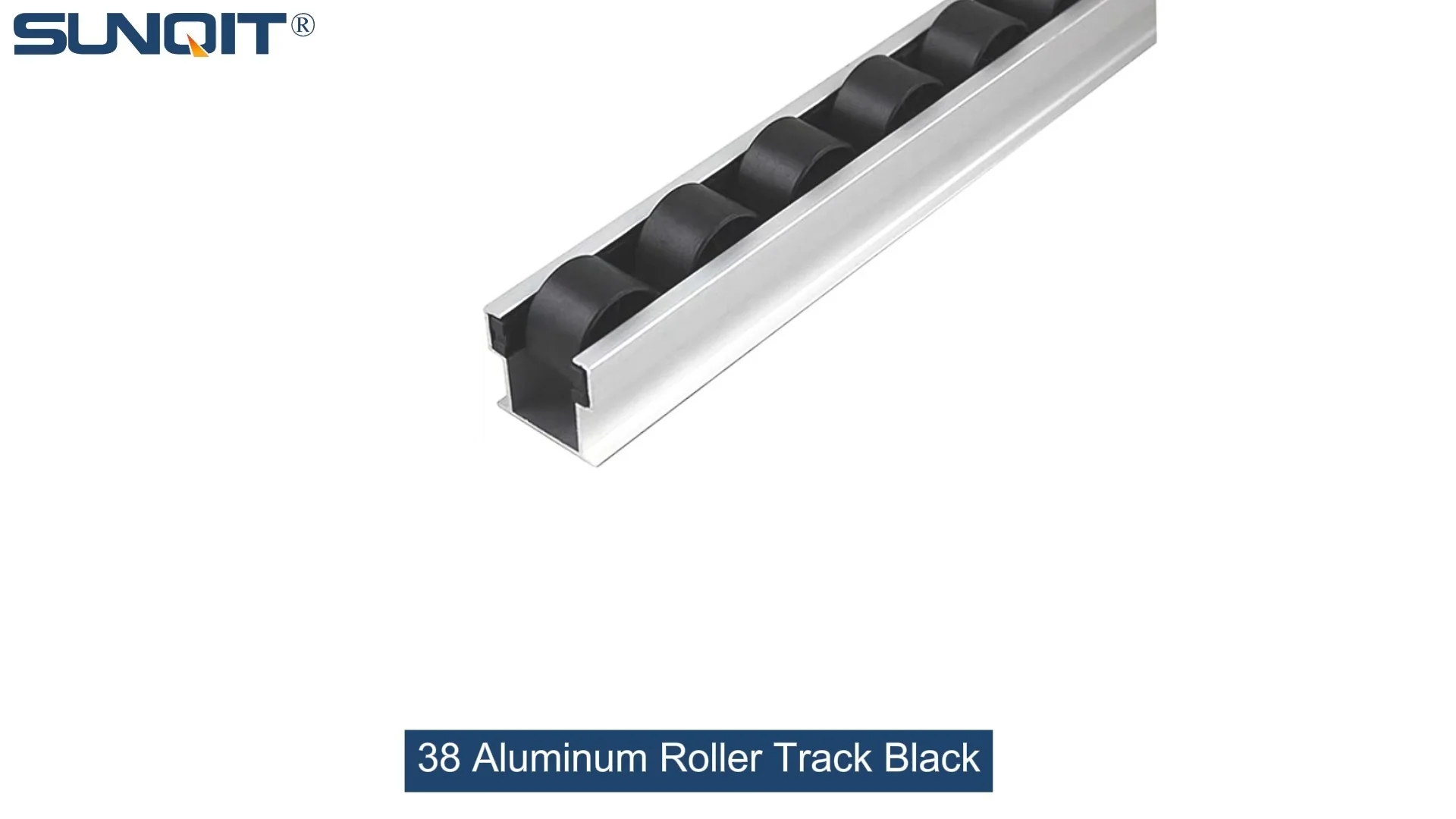
38 Aluminum Roller Track Black
Durable and smooth-running modular roller rails. The system is fully assembled. The roller rail profile contains plastic rollers mounted on steel axles. Aluminum frame with plastic wheel make it anti corrosion,and material convey more smooth.
Introduction to 38 Aluminum Roller Track Black
Material handling is the unsung hero of efficient manufacturing and logistics. Every time a component glides smoothly from one station to another, or a bin of parts slides easily onto a shelf, there's a good chance a roller track is making it happen. Today, we're diving deep into one specific player in this space: the 38 Aluminum Roller Track Black. This isn't just any roller track—it's a versatile, durable solution designed to fit seamlessly into modern lean systems, helping teams move materials faster, reduce waste, and keep operations running like a well-oiled machine. Whether you're setting up a new flow rack, upgrading a conveyor line, or building a custom lean pipe workbench, understanding the structure and design of this roller track will help you make smarter choices for your facility.
Core Components of 38 Aluminum Roller Track Black
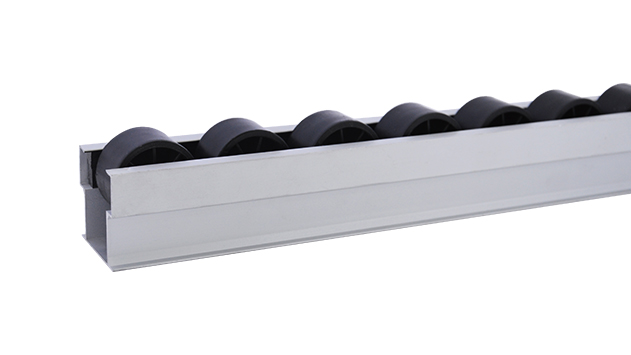
Let's break down the 38 Aluminum Roller Track Black into its key parts to see what makes it tick. Each component is carefully designed to work together, ensuring reliability and flexibility in any setup.
| Component | Material | Key Function |
|---|---|---|
| Aluminum Profile Frame | 6063-T5 Aluminum | Provides a sturdy, lightweight base for the roller track; corrosion-resistant and easy to assemble. |
| Black ESD Rollers | Conductive Plastic or Rubber | Enable smooth sliding of materials while dissipating static electricity (critical for ESD-sensitive environments like 3C assembly). |
| Connector Clamps | Aluminum Alloy | Secure the roller track to other components (like lean pipes or flow rack frames) without welding. |
| Guide Rails | Black Coated Aluminum | Keep materials aligned as they slide, preventing jams and ensuring consistent flow. |
| End Stops | Hard Plastic | Stop materials from sliding off the end of the track, protecting both the product and the equipment. |
Each of these parts plays a vital role. The aluminum frame is the backbone—strong enough to support heavy loads but light enough that you can reconfigure the track without heavy machinery. The black rollers are a standout feature: their conductive properties make them ideal for environments where static could damage sensitive electronics, which is why you'll often find them in 3C assembly lines or medical device manufacturing facilities. The connectors are modular, meaning you can easily attach this track to other lean system components, whether you're building a flow rack for parts storage or integrating it into a conveyor system for production lines.
Design Principles Behind the 38 Aluminum Roller Track Black
The 38 Aluminum Roller Track Black isn't just a collection of parts—it's built on a foundation of smart design principles that align with modern manufacturing needs. Let's take a look at the key ideas driving its design:
1. Lean Manufacturing Alignment: At its core, this roller track is all about reducing waste. The smooth flow it enables cuts down on time spent moving materials manually, which is a big win for lean operations. Plus, its modular design means you can reconfigure it as your production line changes, avoiding the waste of having to buy new equipment every time your needs shift.
2. Durability Without Weight: Aluminum is the perfect material here. It's resistant to rust and corrosion, so it holds up well in busy factories or warehouses. Unlike steel, it's light enough that even a single worker can adjust the track's position, making it easy to adapt to new workflows.
3. ESD Protection: The black finish isn't just for looks—it's often a sign of ESD (Electrostatic Discharge) protection. For industries like 3C assembly or medical device manufacturing, where static can ruin sensitive components, this is a non-negotiable feature. The conductive rollers and black coating help dissipate static, keeping your products safe.
4. Flexibility and Modularity: One of the best things about this roller track is how easy it is to work with. You don't need special tools or welding skills to assemble it. Using simple connectors, you can attach it to lean pipes, flow racks, or conveyors in minutes. This flexibility means it can grow with your business—whether you're scaling up production or changing your process.
5. Cost-Effectiveness Over Time: While aluminum might cost a bit more upfront than plastic, its longevity makes it a better investment. It won't crack or break as easily, and it's reusable. So instead of replacing parts every few months, you can keep using this track for years, saving money in the long run.

Practical Applications in Manufacturing and Logistics
Now that we understand the design, let's talk about where this roller track shines. It's a versatile tool that finds its way into many different parts of manufacturing and logistics. Here are some common uses:
Flow Racks: This is probably the most popular application. When you build a flow rack using 38 Aluminum Roller Track Black, parts slide down to the picker automatically, which speeds up assembly lines and reduces the need for workers to reach for parts. It's a staple in warehouses and production facilities where just-in-time inventory is key.
Conveyor Systems: Integrating this roller track into a conveyor system makes moving products along the line smooth and efficient. Whether you're moving small components or larger assemblies, the rollers handle the load with ease. It's often used in automotive manufacturing, where parts need to move from one station to the next quickly.
Lean Pipe Workstations: Many lean pipe workbenches include roller tracks as part of their design. For example, a workstation in a 3C assembly line might have a roller track attached to the side, allowing workers to slide parts onto the bench without bending or lifting. This not only saves time but also reduces the risk of injury.
Medical Device Manufacturing: The ESD protection and clean look of the black aluminum make this track perfect for medical device facilities. It's easy to clean and maintain, which is crucial in environments where hygiene is a top priority.
Warehouse Logistics: In warehouses, this roller track is used to create sliding shelves or bins, making it easier to access inventory. It's especially useful in high-volume warehouses where speed and efficiency are everything.

Why Choose 38 Aluminum Roller Track Black Over Alternatives
How does the 38 Aluminum Roller Track Black stack up against other options? Let's see:
Plastic Roller Tracks: Plastic is cheaper, but it's not as durable. It can crack under heavy loads or wear out quickly in busy environments. Plus, plastic doesn't offer the same ESD protection as the black aluminum track.
Steel Roller Tracks: Steel is strong, but it's heavy. Moving or reconfiguring a steel track is a two-person job at least. It's also prone to rust if not properly maintained, which is a problem in damp environments.
Uncoated Aluminum Tracks: Uncoated aluminum might be lighter, but it doesn't have the ESD protection of the black coated version. For industries that need static control, the black finish is a must.
So, if you're looking for a balance of durability, flexibility, and ESD protection, the 38 Aluminum Roller Track Black is the way to go. It's a middle ground that offers the best of all worlds without compromising on any key features.
Integration with Lean Systems and Custom Solutions
Lean manufacturing is all about making processes as efficient as possible, and the 38 Aluminum Roller Track Black fits right into that philosophy. Let's talk about how it integrates with other lean components:
Lean Pipe Workbenches: When you combine this roller track with lean pipes, you can build a workstation that's tailored to your exact needs. For example, you might attach a roller track to the front of a workbench so parts slide directly to the worker, eliminating the need to reach across the table. This small change can make a big difference in productivity.
Flow Racks: Flow racks are a cornerstone of lean inventory management. Using this roller track in your flow rack setup ensures that parts move smoothly and consistently, which helps maintain a steady production flow. Plus, the modular design means you can adjust the rack's size or configuration as your inventory changes.
Conveyor Systems: Conveyors are essential for moving products along assembly lines. The 38 Aluminum Roller Track Black can be used as part of a conveyor system to create a seamless flow. Whether you're building a small conveyor for parts or a larger one for finished products, this track is a reliable choice.
Custom Solutions: Many manufacturers need custom setups for their unique processes. This roller track is perfect for that because it's easy to modify. Whether you're working in 3C assembly, medical device manufacturing, or, you can use this track to build a solution that fits your specific needs.
The key here is that this roller track isn't a one-size-fits-all product. It's a building block that you can use to create a lean system that works for your business. And since it's reusable, you can keep adapting it as your processes evolve—something that's essential for long-term success in lean manufacturing.
Maintenance and Longevity Tips
To get the most out of your 38 Aluminum Roller Track Black, a little maintenance goes a long way. Here are some tips to keep it running smoothly:
1. Regular Cleaning: Dust and debris can build up on the rollers, slowing down material flow. Wipe the track down with a damp cloth every week to keep it clean. For more stubborn dirt, use a mild detergent (avoid harsh chemicals that might damage the black coating).
2. Check Rollers for Wear: Over time, rollers can wear out. Inspect them monthly to see if any are loose or damaged. If a roller is stuck or not spinning freely, replace it right away to prevent jams.
3. Tighten Connectors: Vibrations from daily use can loosen connectors. Every few weeks, go around and tighten any loose bolts or clamps. This will keep the track stable and prevent it from shifting.
4. Lubricate Rollers (If Needed): Some rollers might need a little lubrication to keep spinning smoothly. Check the manufacturer's instructions to see if your rollers require oil or grease. If they do, apply a small amount every few months.
5. Handle with Care: While aluminum is durable, it can dent if hit hard. Avoid dropping heavy objects on the track, and be careful when moving it to prevent scratches or dents.
By following these simple steps, you can extend the life of your roller track and keep it performing at its best for years to come.
Conclusion
The 38 Aluminum Roller Track Black is more than just a piece of material handling equipment—it's a tool that helps businesses work smarter, not harder. Its modular design, ESD protection, and alignment with lean principles make it a versatile choice for any manufacturing or logistics operation. Whether you're building a flow rack, integrating it into a conveyor system, or using it as part of a lean pipe workbench, this roller track delivers the durability and flexibility you need to stay competitive.
In a world where efficiency and adaptability are key, the 38 Aluminum Roller Track Black stands out as a reliable solution. It's built to last, easy to use, and designed to grow with your business. So if you're looking to improve your material handling processes, this roller track is definitely worth considering. It's an investment that will pay off in smoother operations, reduced waste, and happier workers.
At the end of the day, the best material handling tools are the ones that make your job easier. And the 38 Aluminum Roller Track Black does exactly that. It takes the hassle out of moving materials, so you can focus on what matters most—producing high-quality products and growing your business.