- Company Articles
- Products and Technology
- Product knowledge
- Understanding Aluminum Side Guards: Essential Components in Lean Production Systems

Understanding Aluminum Side Guards: Essential Components in Lean Production Systems
Related Product
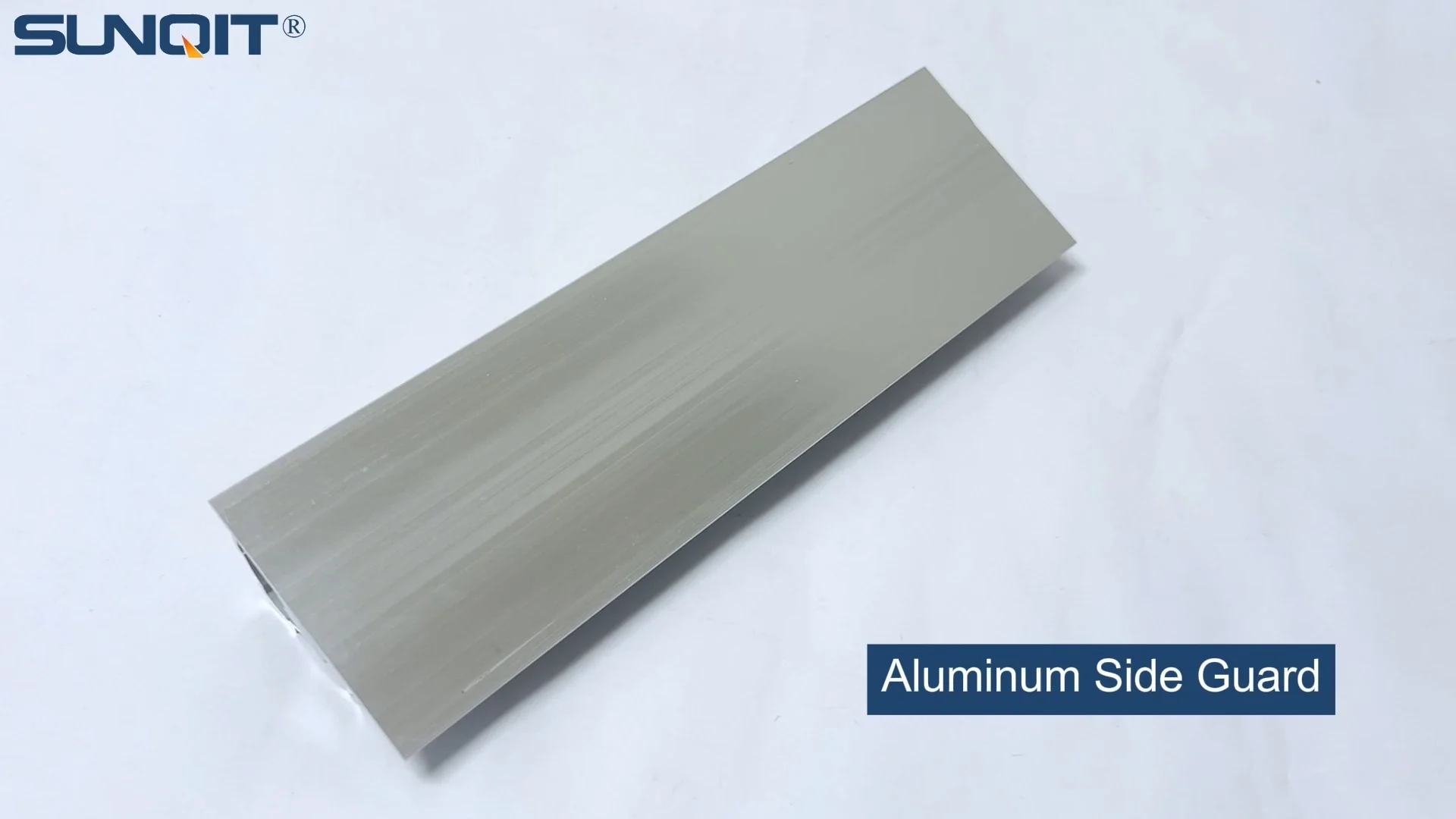
Aluminum Side Guard
Aluminum side guard, it works with a aluminum pipe or a roller track as side guard to prevent material drop,or move to wrong direction.
Lean Production and the Need for Precision Components
Walk into any well-run manufacturing facility, and you'll notice a rhythm—a quiet efficiency that makes every movement feel intentional. Workers glide past workbenches stacked with components, materials flow seamlessly from one station to the next on roller tracks, and there's a noticeable absence of clutter or delays. This isn't magic; it's lean production in action. Lean, at its heart, is about maximizing value while minimizing waste—whether that waste is time, materials, or effort. But while we often focus on the processes and workflows that define lean, the physical tools that bring these processes to life are just as critical. Today, we're shining a light on one such unsung hero: aluminum side guards.
In the chaos of a busy factory floor, it's easy to overlook the small components. But ask any production manager, and they'll tell you: the difference between a smooth, waste-free operation and a disjointed, error-prone one often lies in these details. Aluminum side guards might not grab headlines, but they play a pivotal role in keeping lean systems running like well-oiled machines. Let's dive in.
What Are Aluminum Side Guards? Breaking Down the Basics
At their core, aluminum side guards are protective and guiding structures, typically mounted along the edges of surfaces like flow racks, workbenches, or roller tracks. Think of them as the gentle hands that keep materials on track—literally. Whether it's a bin of small electronics sliding down a flow rack or a heavy component inching along a roller track, these guards ensure nothing veers off course, gets damaged, or poses a risk to workers.
But what sets aluminum side guards apart from other types of guards? The answer lies in their material: aluminum profile. Aluminum isn't chosen by accident here. It's lightweight yet surprisingly strong, resistant to corrosion (a must in factories where moisture or chemicals might be present), and infinitely customizable. Unlike rigid materials like steel or flimsy ones like plastic, aluminum strikes the perfect balance—strong enough to withstand daily impacts, light enough to be easily installed or reconfigured as production needs change. And because it's an aluminum profile, these guards can be cut, drilled, and connected with accessories (like brackets or joints) to fit almost any setup.
To put it simply: aluminum side guards are the Swiss Army knives of lean production components. They adapt, protect, and guide—all while blending seamlessly into the background, letting the real stars (your workers and processes) shine.

The Role of Aluminum Side Guards in Lean Systems
Lean systems thrive on predictability and flow. Materials should move from point A to point B without hiccups, and every step should add value. Aluminum side guards contribute to this in three key ways: by supporting smooth material flow, reducing waste, and enhancing safety.
Supporting Flow: The Backbone of Lean
In lean production, "flow" refers to the steady movement of materials and components through the production line. When flow is disrupted—say, a bin slides off a flow rack or a part gets stuck on a roller track—everything downstream slows down. Aluminum side guards prevent these disruptions by creating clear, guided pathways. On a flow rack, for example, they line the edges of each shelf, ensuring bins glide straight from the loading end to the picking end. On a roller track, they keep components centered, so they don't jam or require manual adjustment. This might seem small, but multiplied across hundreds of parts and hours of production, it adds up to significant time savings.
Reducing Waste: Preventing Loss Before It Happens
Waste is the enemy of lean, and one of the most common forms is damaged materials. A single dropped bin of components can cost hundreds of dollars in replacement parts and hours of cleanup time. Aluminum side guards act as a first line of defense. Their sturdy aluminum profile resists dents and impacts, so even if a bin bumps against them, both the bin and its contents stay intact. This means fewer damaged parts, less rework, and more time spent on value-adding tasks—exactly what lean is all about.
Enhancing Safety: Protecting Workers, Protecting Productivity
A safe workplace is a productive workplace. Loose materials or misaligned components on a factory floor can lead to trips, falls, or crushed fingers—all of which halt production and harm employees. Aluminum side guards mitigate these risks by keeping materials contained. They also soften sharp edges on workbenches or racks, reducing the chance of cuts. For workers who interact with roller tracks or flow racks daily, this added layer of protection isn't just a nicety—it's a necessity.

Design Features That Make Aluminum Side Guards Indispensable
Aluminum side guards aren't just "pieces of metal stuck to a rack." Their design is thoughtful, with features that cater specifically to the demands of lean environments. Let's break down what makes them so effective.
Lightweight yet Durable: The Aluminum Advantage
Aluminum's biggest strength (pun intended) is its strength-to-weight ratio. It's light enough that workers can install or reconfigure guards without heavy equipment, but strong enough to withstand the daily wear and tear of a factory floor. Unlike steel, which rusts, or wood, which warps, aluminum resists corrosion—perfect for humid environments or facilities that use water-based cleaning solutions. This durability means fewer replacements, lower maintenance costs, and a longer lifespan—all wins for lean's cost-saving goals.
Modular and Customizable: Adaptable to Your Needs
Lean systems aren't one-size-fits-all, and neither are aluminum side guards. Thanks to aluminum profile accessories—like brackets, connectors, and end caps—these guards can be tailored to almost any setup. Need a guard that bends around a corner? Cut the aluminum profile to length and attach a joint. Want to adjust the height to fit taller bins? Swap out the mounting brackets. This modularity means your side guards can evolve with your production line, whether you're adding a new workbench or reconfiguring a flow rack. In lean terms, this flexibility eliminates "waste of overproduction" (buying more guards than you need) and "waste of inventory" (storing unused, one-size-only guards).
Smooth Edges and Low Profile: No Interference, Maximum Protection
A common problem with bulkier guards (like steel rails) is that they can get in the way of workers loading or unloading materials. Aluminum side guards solve this with their low-profile design. Their smooth, rounded edges (often achieved with aluminum profile rubber strips) ensure workers can slide bins or components on and off racks without snagging. This might sound like a minor convenience, but it speeds up tasks and reduces frustration—two factors that keep employee morale (and thus productivity) high.
Applications Across Lean Production Environments
Aluminum side guards aren't limited to one type of equipment. They're versatile enough to enhance almost any lean production setup. Let's explore some of their most common applications.
Flow Racks: Keeping Gravity on Your Side
Flow racks are a staple in lean warehouses and factories, using gravity to move materials from the back (where they're loaded) to the front (where they're picked). Without side guards, though, this system can quickly fail. A bin that's slightly off-center or a sudden jolt can send materials tumbling. Aluminum side guards line each shelf, creating a channel that keeps bins aligned. They're especially useful for small or irregularly shaped items, which are more prone to slipping. For example, in an electronics factory, a flow rack filled with tiny circuit boards needs guards to prevent spills—and thus, costly delays.
Workbenches: Protecting Tools and Materials Alike
Workbenches are where the "magic" of assembly happens, and they're often cluttered with tools, components, and (semi-finished products). Aluminum side guards mounted along the edges of these workbenches serve two purposes: they keep tools and small parts from rolling off onto the floor, and they protect the workbench itself from dents or scratches. Imagine a technician assembling a laptop: without guards, a screwdriver or small screw could easily fall off the bench, leading to time wasted searching or, worse, a lost component. With guards, everything stays within arm's reach, keeping the workflow uninterrupted.
Roller Tracks: Guiding Heavy Loads with Ease
Roller tracks are essential for moving heavy or bulky items—think car parts in an automotive plant or large appliances in a manufacturing facility. These tracks rely on rollers to reduce friction, but even the smoothest rollers can't prevent a misaligned load from veering off course. Aluminum side guards solve this by acting as rails, keeping the load centered. They're especially critical for inclined roller tracks, where gravity increases the risk of items slipping. For example, a refrigerator moving down a 30-degree incline needs guards to ensure it stays on track until it reaches the next workstation.
Turnover Trolleys: Safe Transport Across the Factory Floor
Turnover trolleys are used to move materials between stations, and they often carry stacked bins or heavy loads. Without side guards, these loads can shift during transport, leading to spills or even tipping. Aluminum side guards mounted around the edges of the trolley's platform keep everything secure. They're lightweight enough that they don't add unnecessary weight to the trolley (which would waste energy), but strong enough to withstand the jostling of a busy factory floor.
Aluminum vs. the Rest: Why Aluminum Side Guards Outperform Other Materials
You might be wondering: Why aluminum? Couldn't wood, plastic, or steel work just as well? The short answer is no—and the long answer lies in how these materials stack up against aluminum's unique properties. Let's compare.
| Feature | Aluminum Side Guards | Wood Side Guards | Plastic Side Guards |
|---|---|---|---|
| Weight | Lightweight (easy to install/reconfigure) | Heavy (harder to adjust) | Very light (prone to bending) |
| Durability | High (resists dents, withstands impacts) | Moderate (scratches, warps with moisture) | Low (cracks under heavy loads) |
| Corrosion Resistance | Excellent (ideal for humid/damp environments) | Poor (requires sealing, rots over time) | Good (but fades in sunlight) |
| Customization | High (aluminum profile accessories enable cuts, holes, connections) | Limited (requires tools, permanent modifications) | Low (pre-made sizes, hard to alter) |
| Long-Term Cost | Low (minimal maintenance, long lifespan) | High (needs replacement due to wear) | High (frequent replacements) |
As the table shows, aluminum side guards outperform wood and plastic in almost every category that matters for lean production. They're durable, customizable, and cost-effective over time—making them the clear choice for any facility serious about reducing waste and improving efficiency.
Real-World Impact: Case Studies in Lean Improvement
Numbers and features tell part of the story, but real-world examples show just how much aluminum side guards can transform a lean system. Let's look at two case studies.
Case Study 1: Electronics Manufacturer Reduces Material Waste by 30%
A mid-sized electronics manufacturer was struggling with frequent spills on their flow racks. Small components like resistors and capacitors would often fall off the edges, leading to wasted materials and hours of cleanup. The company initially used plastic side guards, but these cracked under the weight of heavy bins. After switching to aluminum side guards (paired with aluminum profile accessories for a custom fit), they saw an immediate change. Spills dropped by 30%, and workers reported spending less time retrieving fallen parts. Over six months, the savings from reduced material waste and labor costs far exceeded the investment in the new guards.
Case Study 2: Automotive Plant Improves Roller Track Efficiency by 20%
A large automotive plant was experiencing bottlenecks on their roller tracks, where car doors were transported from the welding station to the painting station. Doors would often get stuck or misaligned, requiring workers to stop and adjust them. The plant installed aluminum side guards along the tracks, which kept the doors centered and reduced jams. As a result, the time it took to move doors through the line dropped by 20%, and the number of damaged doors (from collisions with track edges) fell to zero. The plant manager noted, "We always focused on big-picture process changes, but these small guards made one of the biggest differences in our daily operations."
Maintaining Aluminum Side Guards: Keeping Them in Top Shape
Like any component in a lean system, aluminum side guards need basic maintenance to keep performing at their best. The good news? They're low-effort to care for, thanks to aluminum's durability.
Regular Cleaning: Simple but Effective
Dust, grease, and debris can build up on side guards over time, especially in busy factories. A quick wipe with a damp cloth or mild detergent every few weeks is usually enough to keep them clean. For tougher grime (like oil from machinery), a soft-bristled brush can help dislodge dirt without scratching the aluminum surface.
Inspecting for Loose Connections
Aluminum side guards are mounted using brackets, screws, or aluminum profile fixings. Over time, vibrations from machinery or frequent use can loosen these connections. A monthly inspection (simply checking that brackets are tight and guards are securely attached) prevents guards from shifting or falling off. If you notice a loose screw, tighten it immediately—small issues like this can become big problems if ignored.
Replacing Accessories When Needed
While the aluminum profile itself is long-lasting, accessories like rubber strips or end caps might wear out over time. For example, an aluminum profile rubber strip that's cracked or peeling won't provide as much protection against snags. Replacing these small parts is cheap and easy, and it ensures your guards keep working as intended.
Conclusion: Small Components, Big Lean Wins
Aluminum side guards might not be the first thing that comes to mind when you think of lean production, but they're a testament to a core lean principle: excellence lies in the details. These unassuming components protect materials, guide flow, enhance safety, and reduce waste—all while being durable, customizable, and cost-effective. They're proof that sometimes, the smallest tools can make the biggest difference in creating a smooth, efficient, and waste-free operation.
So the next time you walk through a lean factory, take a moment to notice the aluminum side guards. They might be quiet, but they're working hard—keeping your production line moving, your workers safe, and your lean system thriving. After all, in lean production, every component counts—and aluminum side guards count for a lot.