- Company Articles
- Products and Technology
- Product knowledge
- Understanding End Support for Roller Track Placon Mount with Stop: Key Concepts Explained

Understanding End Support for Roller Track Placon Mount with Stop: Key Concepts Explained
Related Product
End Support for Roller Track Placon Mount with Stop
Roller track placon mount work as a connector for roller track and pipe or aluminum profile in rack syetem, it is a necessary parts in rack system which widely used in industrial plant and logistic,warehouse storage.
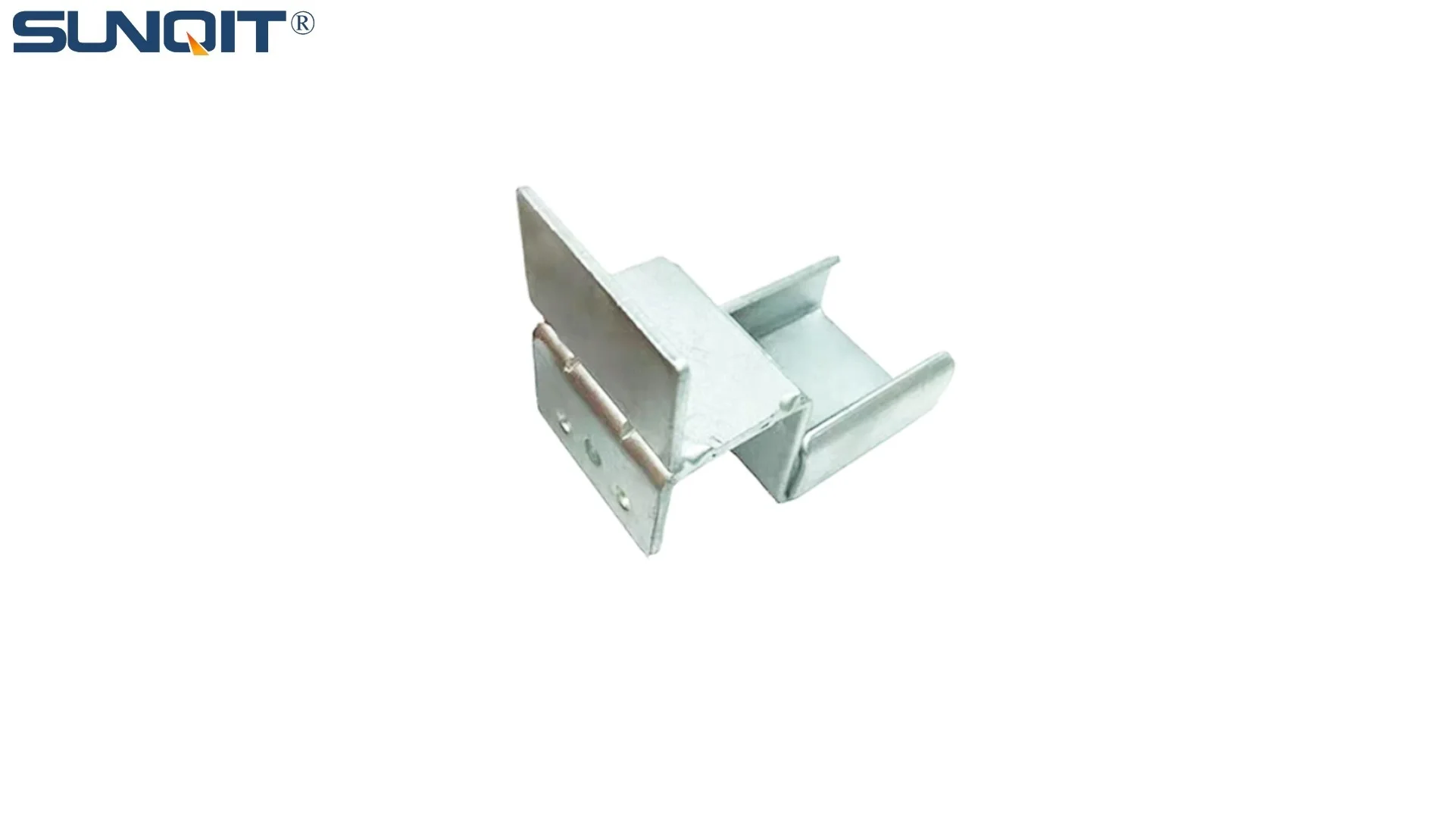
Introduction: The Unsung Hero of Smooth Material Flow
In the fast-paced world of manufacturing and logistics, every component in your workflow matters—even the ones you might not notice at first glance. Think about the last time you walked through a warehouse or production floor: chances are, you saw roller tracks moving boxes, parts, or products from point A to point B. These systems look simple enough, but their efficiency relies on a web of small, critical components working together seamlessly. Today, we're diving into one of those underrated stars: the end support for roller track placon mount with stop . It might sound technical, but by the end of this article, you'll see why it's a game-changer for anyone relying on roller tracks to keep operations running smoothly.
Whether you're managing a 3C assembly line churning out smartphones, a medical device workshop handling delicate instruments, or a warehouse storing automotive parts, roller tracks are the backbone of material flow. They reduce manual labor, speed up processes, and minimize errors. But here's the thing: without proper support at the ends, even the best roller track can become a bottleneck. That's where the end support with stop comes in. It's not just a "piece of metal"—it's the guardian of stability, precision, and safety in your material handling system. Let's break it down.
What Exactly Is an End Support for Roller Track Placon Mount with Stop?
Let's start with the basics. First, let's unpack the name—because every part of it tells us something important about what this component does.
Roller Track Placon Mount : "Placon mount" refers to a specific type of mounting system used to attach roller tracks to structures like aluminum profiles or lean pipes. It's designed for flexibility, allowing easy installation and adjustments. If you're familiar with lean manufacturing, you'll know that adaptability is key—placon mount systems fit right into that philosophy by letting you reconfigure tracks as your needs change.
End Support : As the name suggests, this part supports the end of the roller track. Imagine a long roller track spanning between two workbenches: without support at the ends, the track could sag under the weight of materials, causing jams or uneven movement. The end support acts like a sturdy bookend, keeping the track level and stable.
With Stop : This is the cherry on top. The "stop" is a built-in mechanism—usually a small barrier or raised edge—that prevents materials from sliding off the end of the track. Think of it as a traffic light for your products: when a box or part reaches the end, the stop says, "Hold on, this is where you need to be." No more chasing runaway components across the floor!
Simplified: It's a support bracket that holds the end of your roller track steady and stops materials from falling off. Simple in design, but critical in function.

Core Functions: Why This Little Component Matters
Now that we know what it is, let's talk about what it does . The end support for roller track placon mount with stop wears multiple hats in your material handling system. Here are its top roles:
1. Preventing Sagging and Misalignment
Roller tracks are often loaded with heavy materials—think automotive parts, stacks of boxes, or even medical equipment components. Over time, the weight can cause the ends of the track to bend or sag, especially if they're not supported. A sagging track leads to uneven material movement: products might slow down, get stuck, or even tip over. The end support takes the weight off the track's end, keeping it aligned and level. This isn't just about convenience; it's about maintaining consistent workflow speed and reducing wear and tear on the entire system.
2. Controlling Material Flow with Precision
The "stop" feature is where the real precision comes in. In manufacturing, timing is everything. For example, in a 3C assembly line, a circuit board needs to stop exactly at the workstation where an operator will install a chip. If it rolls past, the operator has to waste time retrieving it; if it stops short, the assembly process gets delayed. The end support's stop ensures materials land exactly where they need to be, every single time. It turns a "close enough" system into a "right on target" system.
3. Enhancing Workplace Safety
Safety should never be an afterthought. Without a stop, materials can slide off the end of the track, potentially damaging products or—worse—hitting someone. In warehouses with heavy loads, this could lead to injuries or costly equipment damage. The stop acts as a physical barrier, containing materials within the track. Plus, a sturdy end support reduces the risk of the track itself becoming loose or detached, which is another major safety hazard. It's a small investment in peace of mind.
4. Extending the Lifespan of Your Roller Track System
Every time a roller track sags or misaligns, it puts extra stress on the rollers, brackets, and mounting hardware. Over time, this leads to premature wear and frequent replacements. By supporting the track end and keeping everything aligned, the end support reduces that stress. It's like using a bookend to keep your books from bending—your roller track (and your budget) will thank you in the long run.

Technical Specs: What to Look for When Choosing One
Not all end supports for roller track placon mount with stop are created equal. To make sure you're getting the right one for your needs, let's break down the key technical specifications and how they impact performance. We've put together a quick reference table to simplify things:
| Specification | What It Means | Why It Matters |
|---|---|---|
| Material | Common options: Aluminum, stainless steel, or steel with coating | Aluminum is lightweight and corrosion-resistant (great for dry environments). Stainless steel works best in wet or harsh conditions (e.g., food processing). Coated steel offers durability at a lower cost. |
| Load Capacity | Maximum weight the support can handle (e.g., 50kg, 100kg, 200kg) | Choose based on your heaviest material. Underestimating leads to bending; overestimating adds unnecessary cost. |
| Placon Mount Compatibility | Designed for specific placon mount types (e.g., "flat," "drop high," or "center support") | Mismatched mounts lead to unstable installation. Check your existing roller track's placon mount model (e.g., "40 roller track placon mount flat"). |
| Stop Design | Fixed stop, adjustable stop, or spring-loaded stop | Fixed stops are simple and reliable for consistent loads. Adjustable stops work if you handle materials of different sizes. Spring-loaded stops gently slow materials (ideal for delicate items like glass or electronics). |
| Dimensions | Height, width, and depth of the support bracket | Ensure it fits in your available space (e.g., under a workbench or between conveyor sections). Measure twice, buy once! |
Pro tip: If you're not sure which specs to prioritize, start with load capacity and material. Those two factors will narrow down your options quickly. For example, a warehouse handling 100kg automotive parts might go with a stainless steel end support with a fixed stop and 150kg capacity (to be safe). A 3C assembly line with small, lightweight circuit boards could opt for an aluminum model with an adjustable stop and 50kg capacity.

Working in Harmony: How It Fits Into Your Lean System
No component works in isolation—especially in lean manufacturing, where systems are designed to be interconnected. The end support for roller track placon mount with stop is no exception. Let's look at how it teams up with other key components to create a smooth, efficient workflow.
Pairing with Roller Tracks and Flow Racks
Roller tracks are often part of larger flow rack systems—those sloped racks you see in warehouses where products "flow" forward as items are removed. In a flow rack, each lane has a roller track, and at the end of each lane? You guessed it: an end support with stop. It ensures the last item in the lane doesn't slide out accidentally, keeping inventory organized and preventing spills.
Example: Imagine a medical supply warehouse storing IV fluid bags. These are lightweight but need to be handled carefully. The flow rack's roller tracks move the bags forward, and the end support with a soft, padded stop keeps them from falling off the end—critical for avoiding contamination or damage.
Integrating with Conveyors and Workstations
In production lines, roller tracks often connect to conveyors and workstations . For instance, a conveyor might feed parts onto a roller track, which then delivers them to a workstation. The end support with stop ensures the parts stop exactly at the workstation, so the operator doesn't have to reach or adjust. It's like a relay race: the conveyor passes the baton to the roller track, and the end support makes sure the baton lands in the right hand.
Case in point: A smartphone assembly line uses a belt conveyor to move partially assembled phones to a testing station. The conveyor feeds into a short roller track, which leads to the testing workbench . The end support with stop holds the phone steady while the operator runs diagnostics. No more fumbling, no more delays—just smooth, continuous work.
Playing Nice with Lean Pipe Systems
If your facility uses lean pipe systems (also called "lean tube systems"), you'll love how compatible these end supports are. Lean pipe systems are all about flexibility—using aluminum pipes and joints to build custom workbenches, racks, and flow systems. The placon mount design of the end support means it can be easily attached to lean pipes using standard joints, so you can reconfigure your setup as needs change. It's lean manufacturing in action: adapt, improve, and reuse.
Real-World Applications: Where This Component Shines
Theory is great, but let's look at how the end support for roller track placon mount with stop performs in actual workplaces. Here are four scenarios where it makes a measurable difference:
1. 3C Electronics Assembly Line
A factory producing smartwatches relies on a high-speed assembly line. Tiny components (screens, batteries, circuit boards) move along aluminum roller tracks from one workstation to the next. Without end supports with stops, components would slide past the workstations, causing operators to waste time retrieving them. By installing adjustable end supports, they reduced "handoff errors" by 40% and increased line speed by 15%. The adjustable stops let them switch between different smartwatch models without reconfiguring the entire track—perfect for a facility that produces multiple products.
2. Automotive Parts Warehouse
An auto parts distributor stores heavy brake calipers and engine components in flow racks. The roller tracks in these racks need to handle loads up to 120kg per lane. They initially used generic end supports, which started bending after a few months. Switching to stainless steel end supports with 150kg capacity solved the problem—no more sagging tracks, and the stainless steel held up to the warehouse's humid conditions (no rust!). The fixed stops also reduced the number of dropped parts by 70%, cutting down on replacement costs.
3. Medical Device Manufacturing
A company making surgical tools needs ultra-precise material handling—even a small scratch on a tool can render it unusable. They use roller tracks with soft, rubberized end supports with spring-loaded stops. The spring-loaded design gently slows the tools as they reach the end, preventing impact damage. Plus, the aluminum construction is easy to clean and sanitize, which is critical for meeting medical industry standards. The result? Zero damaged tools in six months and a smoother FDA inspection process.
4. E-Commerce Fulfillment Center
A large online retailer uses roller tracks in their sorting area to move packages between conveyor belts. During peak seasons (like Black Friday), the system runs 24/7, handling thousands of packages daily. They installed end supports with adjustable stops to accommodate different package sizes—small envelopes, medium boxes, and large bulky items. The stops ensure packages align correctly with the next conveyor, reducing jams and keeping the sorting process on track. During the last holiday season, they reported a 25% decrease in downtime compared to the previous year.
Troubleshooting Common Issues
Even the best components can run into problems. Here are some common issues you might face with end supports for roller track placon mount with stop—and how to fix them:
Problem: The stop is wearing out quickly.
Cause: Frequent impact from heavy or fast-moving materials. Solution: Upgrade to a stop with a replaceable wear pad (many manufacturers sell these separately). For extreme cases, switch to a steel-reinforced stop or add a rubber buffer to absorb impact.
Problem: The track is still sagging, even with the end support installed.
Cause: The support might be rated for a lower load than you're using, or the track is too long between supports. Solution: Check the load capacity rating—if you're over it, upgrade to a higher-capacity model. If the track is longer than 2 meters, add a center support bracket (yes, those exist!) to share the weight.
Problem: Materials are bouncing off the stop instead of stopping.
Cause: The stop is too rigid, or the track is sloped too steeply. Solution: Switch to a spring-loaded or padded stop to absorb momentum. If the slope is the issue, adjust the track height using adjustable leveling feet to reduce the angle—materials should glide, not race, down the track.
Problem: The end support keeps coming loose.
Cause: Loose bolts or incompatible placon mount. Solution: Use thread-locking adhesive on the bolts to prevent vibration from loosening them. If that doesn't work, double-check that the support's placon mount type matches your track (e.g., "drop high" vs. "flat"). Mismatched mounts never stay tight!
Final Thoughts: Small Component, Big Impact
At the end of the day, the end support for roller track placon mount with stop is a reminder that great systems are built on great details. It's easy to get caught up in big-ticket items like conveyor belts or automated robots, but the truth is, your workflow's efficiency often hinges on these smaller, hardworking components. Whether you're trying to speed up production, reduce waste, or keep your team safe, don't overlook the parts that hold everything together—literally.
When choosing an end support, take the time to assess your needs: What materials are you moving? How heavy are they? What's your environment like? Answering these questions will help you pick a model that not only works today but grows with your business. And remember, compatibility is key—make sure it plays well with your existing lean pipe system , flow rack , or conveyor setup.
So, the next time you walk through your facility and see those roller tracks humming along, take a second to appreciate the end support with stop. It might not be flashy, but it's out there, day in and day out, making sure your materials get where they need to go—safely, precisely, and without a hitch. And in manufacturing, that's worth its weight in gold.