- Company Articles
- Products and Technology
- Product knowledge
- Understanding Four Way Straight Lean Pipe Joint Chrome: Material, Coating & Durability

Understanding Four Way Straight Lean Pipe Joint Chrome: Material, Coating & Durability
Related Product
Four Way Straight Lean Pipe Joint Chrome
Four way lean pipe joint for 4 pcs 28MM lean pipe connection in straight angle, which used widely in workbench, flow rack, hand trolley frame connection.
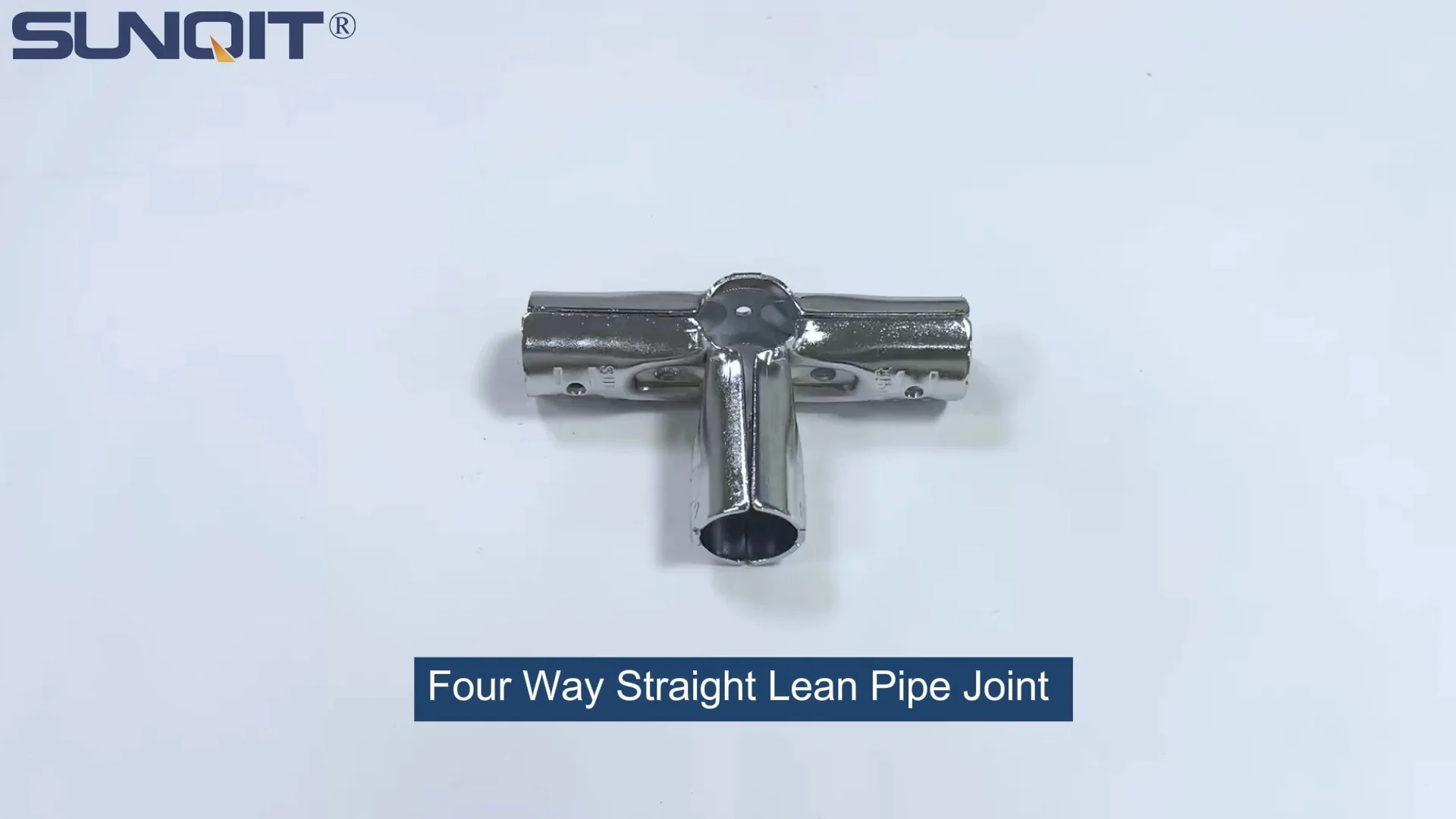
If you've ever walked through a busy manufacturing plant, a warehouse, or even a small workshop, you've probably seen them—those sturdy, modular structures that hold tools, materials, and products in place. Workbenches that seem to adjust to any task, flow racks that glide materials from one station to the next, and trolleys that zip around corners without a hitch. What makes these setups so flexible? A lot of it comes down to the small, unassuming components that hold everything together: lean pipe joints. And today, we're zeroing in on one that's a workhorse in the world of lean systems: the four way straight lean pipe joint chrome . Let's break down what it is, what it's made of, and why it's become a go-to for anyone building reliable, long-lasting lean setups.
What Even Is a Four Way Straight Lean Pipe Joint Chrome?
First things first: Let's make sure we're on the same page. A lean pipe joint is the connector that links lean pipes (those metal or aluminum tubes you see in workbenches and racks) together. Think of it like the "elbow" or "T-joint" in a plumbing system, but designed for industrial strength and flexibility. Now, a "four way straight" joint does exactly what it sounds like: it connects four lean pipes in straight, perpendicular directions—up, down, left, right. So instead of just a T-shape (three-way) or a straight line (two-way), this joint lets you build out in four directions at once. Add a chrome coating to that, and you've got a joint that's not just functional, but built to stand up to tough conditions.
Picture this: You're building a material rack with shelves on both sides and need to add vertical supports to hold up the weight of boxes. A four way joint lets you attach two horizontal pipes (left and right for shelves) and two vertical pipes (up and down for supports) all in one spot. No need for multiple joints or complicated angles—it's a one-and-done connection. That's the modularity lean systems are known for, and this joint is a big reason why that modularity works so well.
Material Matters: The Steel Beneath the Shine
Let's start with the base material, because even the best coating can't hide a weak core. Most four way straight lean pipe joint chrome products are made from carbon steel. Why steel? Simple: it's strong, affordable, and easy to mold into the precise shapes needed for a tight, secure fit with lean pipes. Carbon steel has just the right balance of ductility (so it can bend a little without breaking) and tensile strength (so it can hold heavy loads without snapping). For reference, the steel used here is usually around 1.5mm to 2.0mm thick—thick enough to handle the weight of tools, parts, or even full boxes of materials, but not so thick that it adds unnecessary bulk.
You might be wondering: Why not aluminum? Aluminum is lighter, after all. And while aluminum lean pipes (like aluminum lean pipe ) are great for lighter setups, steel joints are preferred when strength is non-negotiable. Aluminum is softer, which means it can wear down faster if you're constantly assembling and disassembling joints (a common part of reconfiguring lean systems). Steel, on the other hand, holds its shape over time, even with repeated use. So if you're building something that needs to support 50kg or more—like a workbench with heavy machinery or a flow rack stacked with metal parts—steel is the way to go.
The Chrome Coating: More Than Just a Pretty Finish
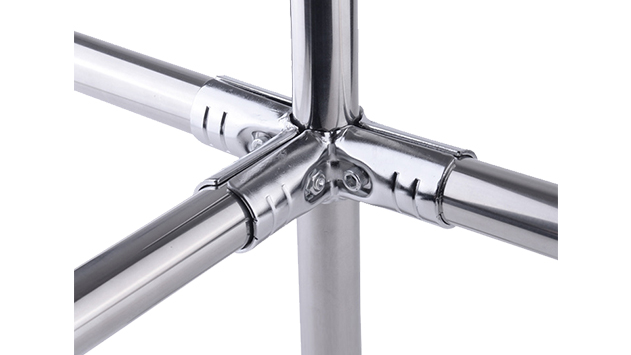
Okay, so the core is steel—but what about that chrome coating? It's easy to think of chrome as just a shiny add-on (and yes, it does look nice), but it's actually doing some heavy lifting. Chrome plating is a process where a thin layer of chromium is electroplated onto the steel surface. Here's why that matters:
- Corrosion Resistance: Steel and moisture don't mix well—left unprotected, steel will rust, weakening the joint over time. Chrome acts like a barrier, sealing the steel from water, oil, and chemicals. Ever notice how old, uncoated steel joints get that flaky, orange rust? Chrome-plated joints avoid that, even in humid warehouses or shops where spills happen.
- Wear Resistance: Every time you slide a pipe into a joint and tighten it (or take it apart to reconfigure), there's friction. Over time, that friction can wear down the metal, making the joint loose. Chrome is hard—harder than steel, in fact—so it resists that wear. That means your joints stay tight longer, even with frequent assembly and disassembly.
- Easy to Clean: Grease, dust, and grime love to stick to rough surfaces. Chrome is smooth, so a quick wipe with a cloth is usually all it takes to keep it clean. In food processing or pharmaceutical settings, where cleanliness is critical, this is a game-changer. Even in regular manufacturing, less gunk buildup means less maintenance.
Compare that to other coatings, like zinc plating or powder coating. Zinc is cheaper but less durable—scratch it, and rust can start. Powder coating is tough but thicker, which can sometimes make pipe insertion a tighter fit. Chrome hits that sweet spot: thin enough to keep the joint's precision, tough enough to last.

Durability in Action: How Long Can You Expect It to Last?
Let's get practical: How long will a chrome-plated four way joint actually hold up? The answer depends on how you use it, but in most industrial settings, you're looking at 5-10 years of solid performance—sometimes longer with basic care. Here's why:
Load Capacity: A good four way chrome joint can handle up to 200kg of static weight (that's the weight of, say, 10 heavy toolboxes stacked on a shelf). Even dynamic weight (like materials sliding onto a flow rack) is manageable, thanks to the steel core and tight fit. I've seen these joints used in automotive plants holding up engine parts, and they barely show signs of strain after years.
Resistance to Wear and Tear: Remember that chrome coating? It's not just for corrosion. Every time you twist a pipe into the joint, the chrome resists scratches and dents. I talked to a warehouse manager once who told me they'd reconfigured their flow rack setup at least a dozen times in three years, and the joints still felt as tight as the day they were installed. No wobbling, no slipping—just reliable connections.
Real-World Lifespan: In low-moisture, low-abuse environments (like a clean workshop), these joints can last a decade or more. In harsher settings—think outdoor storage or areas with frequent chemical spills—you might see 5-7 years, but that's still better than uncoated steel (which might rust out in 2-3 years). And if the chrome does get scratched? A little touch-up paint or a corrosion-resistant spray can extend its life even further.
Where Does It Fit? Applications in Lean Systems
A joint is only as good as where it's used, right? The four way straight lean pipe joint chrome shines in just about any lean setup, but here are a few places where it's particularly useful:
Workbenches: Whether you're building a single-deck workbench (like the "Workbench E" from the keyword list) or a double-sided station, four way joints let you add shelves, tool hooks, or overhead racks in multiple directions. Need to attach a light above the bench and a parts bin to the side? One joint can handle both.
Flow Racks: Flow rack systems rely on gravity to slide materials from the back to the front. To build sturdy, multi-level racks, you need vertical supports and horizontal rails—perfect for four way joints. They keep the rails aligned and the supports stable, even when the rack is loaded with heavy boxes.
Turnover Trolleys: Trolleys take a beating—jolts from uneven floors, heavy loads, constant movement. Four way joints on the frame ensure the trolley stays square and stable, so you don't end up with a wobbly cart that dumps materials. The chrome coating also resists the scuffs and scrapes that come with daily use.
Material Racks: Take the "Material Rack B (3 row and 3 floor)" from the keyword list—this is a classic use case. Four way joints connect the vertical posts to the horizontal shelf rails, creating a grid that can hold rows and floors of materials without sagging. Even with 3 rows of heavy parts, the joints distribute weight evenly, preventing collapse.
Comparing Lean Pipe Joints: A Quick Guide
Not all joints are created equal. To help you see why the four way straight chrome joint stands out, here's a quick comparison with other common types:
| Joint Type | Coating | Material | Max Load (kg) | Best For | Typical Lifespan |
|---|---|---|---|---|---|
| Four Way Straight (Chrome) | Chrome Plated | Carbon Steel | 200 | Multi-directional racks, heavy workbenches | 5-10 years |
| Three Way (Zinc) | Zinc Plated | Carbon Steel | 150 | T-shaped shelves, corner supports | 3-5 years |
| Two Way Straight (Powder Coat) | Powder Coated | Carbon Steel | 180 | Long horizontal rails, conveyor frames | 4-7 years |
| Four Way (Aluminum) | Anodized | Aluminum | 120 | Lightweight setups, cleanrooms | 4-6 years |
As you can see, the four way chrome joint leads in load capacity and lifespan, making it worth the slightly higher cost for heavy-duty or long-term projects. If you're building something temporary or lightweight, aluminum or zinc might work—but for reliability, chrome steel is hard to beat.
Why Choose Chrome-Plated Over Other Options?
At this point, you might be thinking, "Okay, it's strong and durable, but is it really worth the extra cost compared to uncoated or zinc-plated joints?" For most people, the answer is yes—and here's why:
Less Downtime: A rusted or broken joint means taking apart your setup to replace it. With chrome, you spend less time fixing and more time working. In a manufacturing line where downtime costs money, that alone pays for the joint.
Flexibility: Lean systems are all about adapting to change. Chrome joints hold up to repeated disassembly and reassembly, so you can reconfigure your workbench or rack as your needs change. No need to buy new joints every time you rearrange—just reuse what you have.
Compatibility: Chrome joints work with just about any standard lean pipe—steel, aluminum, even aluminum lean pipe (though aluminum pipes are lighter, so you might not need the full load capacity). They also play nice with other accessories like casters, roller tracks, and brackets, so you're not locked into one brand or system.
Wrapping It Up: The Small Joint That Makes a Big Difference
At the end of the day, lean systems are all about efficiency—eliminating waste, streamlining processes, and building setups that work as hard as you do. The four way straight lean pipe joint chrome might seem like a small part of that puzzle, but small parts often make the biggest difference. Its steel core provides the strength to hold heavy loads, its chrome coating fights off rust and wear, and its four-way design lets you build in ways that rigid, one-size-fits-all systems never could.
Whether you're setting up a new lean system from scratch or upgrading an old one, choosing the right joints matters. Chrome-plated four way joints aren't just connectors—they're investments in reliability. And in a world where every minute of downtime counts, reliability is everything.
So the next time you walk through that manufacturing plant or workshop, take a second look at those workbenches and racks. Chances are, there's a four way straight chrome joint holding it all together—quietly, steadily, and durably. And now you know why it's there.