- Company Articles
- Products and Technology
- Product knowledge
- Understanding Four Way Straight Lean Pipe Joint: Essential Specifications for Manufacturers

Understanding Four Way Straight Lean Pipe Joint: Essential Specifications for Manufacturers
Related Product
Four Way Straight Lean Pipe Joint
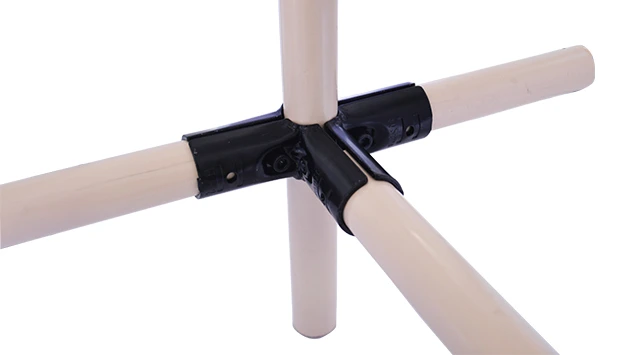
Four way lean pipe joint for 4 pcs 28MM lean pipe connection in straight angle, which used widely in workbench, flow rack, hand trolley frame connection.
In the world of manufacturing, where efficiency and adaptability can make or break a production line, every component plays a quiet but critical role. Among these, the four way straight lean pipe joint might not grab headlines, but it's the unsung hero that holds together modular workspaces, flow racks, and assembly stations. For manufacturers aiming to build lean systems that reduce waste, boost productivity, and scale with demand, understanding the specifications of this small but mighty part is non-negotiable. Let's dive into what makes a four way straight lean pipe joint essential, the key specs to prioritize, and why getting it right matters for your operations.
What is a Four Way Straight Lean Pipe Joint?
At its core, a four way straight lean pipe joint is a connector designed to link four lean pipes at 90-degree angles along a straight axis. Picture it as the cornerstone of a modular building block system: by attaching pipes to this joint, manufacturers can construct everything from simple workbenches to complex material flow racks without welding or permanent fixtures. Its beauty lies in flexibility—if your production line needs a new configuration next month, you can disassemble, reconfigure, and rebuild with minimal downtime.
Unlike fixed metal brackets, these joints are engineered for quick assembly. They typically feature a threaded or clamping mechanism that secures pipes firmly in place while allowing for easy adjustments. Whether you're using traditional steel lean pipes, aluminum lean pipes, or even stainless steel variants, the right joint ensures stability without sacrificing adaptability. It's the reason lean systems have become a staple in industries from automotive to electronics—they turn static workspaces into dynamic environments that evolve with your needs.
Key Specifications: The Details That Define Performance
Not all four way straight lean pipe joints are created equal. Subtle differences in material, size, or design can lead to big gaps in durability, load capacity, and compatibility. For manufacturers, ignoring these specs can result in wobbly workstations, frequent replacements, or even safety hazards. Here's a breakdown of the critical specifications to evaluate:
| Specification | Description | Why It Matters |
|---|---|---|
| Material Composition | Common options: steel (zinc-plated or chrome-coated), aluminum, stainless steel, or reinforced plastic. | Steel offers high strength for heavy loads; aluminum is lightweight for mobile setups; stainless steel resists corrosion in harsh environments. |
| Inner Diameter (ID) Compatibility | Must match the outer diameter (OD) of your lean pipes (e.g., 28mm for standard PE-coated lean pipes, 30mm for aluminum profiles). | A poor fit leads to loose connections, risking collapse or instability in workbenches or racks. |
| Load Capacity (Static/Dynamic) | Static: maximum weight when stationary; Dynamic: weight during movement (e.g., material handling on roller tracks). | Overloading a joint can cause bending or snapping, endangering workers and damaging materials. |
| Finish & Coating | Options include chrome plating (rust resistance), powder coating (scratch protection), or ESD (electrostatic discharge) coatings for electronics manufacturing. | Coatings extend lifespan and prevent contamination—critical for cleanrooms or ESD-sensitive environments. |
| Installation Mechanism | Clamping (screw-tightened), threaded (screws into pipe ends), or snap-fit designs. | Clamping mechanisms allow tool-free adjustments; threaded joints offer higher torque for heavy loads. |
Material: The Foundation of Durability
Let's start with material—arguably the most foundational spec. Steel joints are the workhorses here, often zinc-plated or chrome-coated to resist rust. They're ideal for heavy-duty applications, like supporting loaded material racks or workbenches in automotive plants where weight and impact resistance are key. If you're working in a cleanroom or food processing facility, stainless steel joints step in, offering corrosion resistance that steel can't match.
Aluminum joints, on the other hand, shine in lightweight setups. They're perfect for mobile trolleys or temporary workstations where portability matters more than extreme load capacity. And for budget-friendly or low-weight projects, reinforced plastic joints (often glass-fiber reinforced) can work, though they're best suited for light loads like small parts storage racks.
Size Compatibility: A Perfect Fit Prevents Headaches
Imagine ordering a batch of joints only to find they're 1mm too small for your lean pipes. Suddenly, you're stuck with parts that won't secure properly, forcing last-minute reorders and production delays. That's why inner diameter (ID) compatibility is non-negotiable. Most lean pipes come in standard sizes: 28mm OD for PE-coated steel pipes, 30mm for aluminum lean pipes, and 25mm for mini aluminum variants. Your joint's ID must align with this—even a 0.5mm gap can lead to instability.
Don't forget to check the pipe wall thickness, too. Thicker pipes (e.g., 2.0mm PE-coated lean pipes) may require joints with deeper clamping grooves to ensure a tight grip. A reputable lean pipe supplier will provide compatibility charts, but when in doubt, test a sample joint with your pipes before placing a bulk order.
Load Capacity: Safety First, Always
How much weight can the joint support? This is where static and dynamic load ratings come into play. Static load refers to the maximum weight when the structure is stationary—think a workbench holding tools and components. Dynamic load applies when materials are in motion, like a flow rack where boxes slide down roller tracks. A joint rated for 50kg static might only handle 30kg dynamically, as movement adds stress.
Overestimating load capacity is a common pitfall. A joint that bends under strain won't just damage the joint itself; it can compromise the entire structure. For example, a material rack B (3 row and 3 floor) loaded with heavy components needs joints rated to handle the cumulative weight of all three levels. Always factor in a safety margin—aim for joints that exceed your expected load by 20-30% to account for unexpected stress.

Why Specifications Matter for Manufacturers
You might be thinking, "It's just a joint—how much can it really affect my production?" The answer: more than you'd expect. Here's why nailing these specs is a smart investment:
1. Reduced Downtime: A joint that fits poorly or fails under load means stopping production to repair or replace it. For a manufacturer running two shifts a day, even an hour of downtime can cost thousands in lost output. Well-specified joints minimize these disruptions.
2. Consistency Across Lines: If you operate multiple factories or production lines, standardized joints ensure parts are interchangeable. A workbench built in your Michigan plant can be replicated exactly in your Texas facility, using the same lean pipe and accessories. This consistency streamlines training and maintenance.
3. Safety Compliance: Loose or overloaded joints pose a risk to workers. OSHA and international safety standards often mandate load limits for workspaces; using under-spec'd joints could land you in violation, leading to fines or, worse, accidents.
4. Cost Efficiency: Cheap, poorly specified joints might save money upfront, but they'll cost more in replacements, repairs, and lost productivity. Investing in high-quality joints with the right specs reduces long-term costs.

Compatibility with Other Components
A four way straight lean pipe joint doesn't work in isolation—it's part of a larger ecosystem of lean pipe and accessories. To build a cohesive system, it needs to play well with other parts like caster wheels, roller tracks, and aluminum profiles. For example:
- Caster Wheels: If you're adding casters to a mobile trolley, the joint must support the trolley's total weight (including casters and their load). A weak joint here could cause the trolley to tip during movement.
- Roller Tracks: When building a flow rack, the joint connects the vertical support pipes to the horizontal roller track guide rails. Misaligned joints can tilt the track, causing materials to jam or slide unevenly.
- Aluminum Profiles: Aluminum extrusion profiles have slotted designs for attaching accessories like workbench surfaces or tool holders. Joints must align with these slots to ensure secure mounting.
The key is to source components from a supplier that offers a full range of compatible parts. A lean pipe supplier that manufactures both joints and pipes, or partners with trusted accessory brands, reduces the risk of mismatched specs.
Choosing the Right Lean Pipe Supplier
With specs in mind, the next step is finding a supplier you can trust. Not all suppliers prioritize quality control, and even small variations in manufacturing can lead to inconsistent joints. Here's what to look for:
1. Material Traceability: Reputable suppliers can provide certificates for raw materials (e.g., steel grade, aluminum alloy composition). This ensures the joint meets strength and corrosion-resistance claims.
2. Testing Protocols: Do they test load capacity in real-world conditions? Ask for test reports on static/dynamic loads, durability (e.g., how many times the joint can be assembled/disassembled before wear), and corrosion resistance.
3. Customization Options: If you need a joint for a non-standard pipe size (e.g., 38mm aluminum roller track), can they modify the ID or clamping mechanism? Flexibility here is a sign of expertise.
4. Customer Support: A good supplier doesn't just sell parts—they offer guidance. Whether you're unsure about load ratings or need help troubleshooting a compatibility issue, responsive support saves time and frustration.
Common Challenges and How to Avoid Them
Even with careful planning, manufacturers can run into issues with four way straight lean pipe joints. Here are fixes for the most common headaches:
Problem:
Joints loosen over time, especially after frequent reconfigurations.
Solution:
Look for joints with locking nuts or friction-enhanced clamping pads. These prevent slippage without requiring over-tightening (which can strip threads).
Problem:
Corrosion in humid or chemical-heavy environments.
Solution:
Opt for stainless steel joints or chrome-plated steel with a thick, even coating. For extreme conditions, ask about passivation (a chemical treatment that boosts rust resistance).
Problem:
Inconsistent ID across a batch of joints.
Solution:
Request a sample batch first. Measure the ID of 5-10 joints with calipers—variations over 0.3mm indicate poor manufacturing control.
Final Thoughts: Small Part, Big Impact
The four way straight lean pipe joint may be small, but its role in building efficient, adaptable lean systems is enormous. By prioritizing specs like material, size, load capacity, and compatibility, manufacturers can create workspaces that are safe, durable, and ready to evolve. Remember, in lean manufacturing, every detail counts—and this joint is one detail you can't afford to overlook.
Whether you're upgrading an existing line or building a new workspace from scratch, start with the right foundation: a well-specified four way straight lean pipe joint. Your production team, your bottom line, and your peace of mind will thank you.