- Company Articles
- Products and Technology
- Product knowledge
- Understanding Lean Pipe Clamp Chrome: Material Composition Explained

Understanding Lean Pipe Clamp Chrome: Material Composition Explained
Related Product
Lean Pipe Clamp Chrome
Lean pipe clamp is used for rack system hang monitor or other panel for workbenck, flowrack in production daily use.
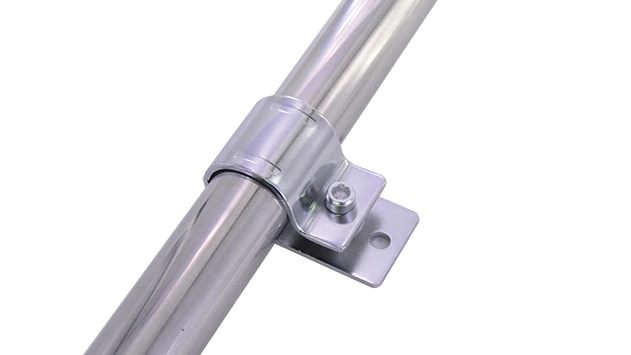
In the fast-paced world of manufacturing and logistics, efficiency isn't just a goal—it's the backbone of survival. Every tool, every component, and every process is scrutinized for how well it contributes to smoother workflows, reduced waste, and adaptability. Enter lean pipe systems: the unsung heroes of modern production floors, warehouses, and assembly lines. These modular systems, built from pipes, joints, and accessories, allow teams to create custom workbenches, flow racks, conveyors, and more—all designed to evolve with changing needs. But at the heart of these versatile setups lies a small yet critical component: the lean pipe clamp. And when it comes to durability, performance, and longevity, one variant stands out: the lean pipe clamp chrome .
If you've ever walked through a busy factory or a high-volume warehouse, you've likely seen these clamps in action. They're the unassuming connectors that hold together the aluminum or steel pipes of a workbench, the joints that keep a flow rack stable as products glide along roller tracks, and the silent workhorses that ensure a turnover trolley can withstand daily use. But what makes chrome-plated clamps different from their uncoated or plastic counterparts? Why do manufacturers and lean system suppliers swear by them? The answer lies in their material composition—a careful blend of robust base metals and a protective chrome layer that transforms a simple metal clamp into a tool built for resilience.
In this article, we'll take a deep dive into the world of lean pipe clamp chrome. We'll explore what they are, why their material makeup matters, and how the combination of steel and chrome plating creates a component that's strong, corrosion-resistant, and built to last. Whether you're a production manager looking to upgrade your facility's workstations, a procurement specialist sourcing parts from a lean pipe supplier , or simply curious about the engineering behind the tools that power modern manufacturing, this guide will unpack everything you need to know about the material composition of these essential clamps.
What Are Lean Pipe Clamps, and Why Chrome?
Before we jump into materials, let's start with the basics: What exactly is a lean pipe clamp? At its core, a lean pipe clamp is a mechanical fastener designed to connect two or more pipes in a lean system. Think of it as the "joint" that turns individual pipes into a structured, functional unit—whether that's a workbench, a material rack, or a conveyor frame. Unlike fixed welds or permanent adhesives, clamps allow for quick assembly, disassembly, and reconfiguration, aligning perfectly with lean manufacturing principles of flexibility and continuous improvement.
But not all clamps are created equal. You'll find them made from plastic, aluminum, uncoated steel, and even stainless steel. So why choose chrome-plated steel? The answer boils down to three key factors: strength , corrosion resistance , and durability . Let's break that down. Steel, by nature, is strong and rigid—ideal for supporting heavy loads, whether it's a workbench holding tools or a flow rack stacked with inventory. But untreated steel has a Achilles' heel: rust. Exposed to moisture, oils, or chemicals on a factory floor, uncoated steel clamps can corrode quickly, weakening the joint and compromising the entire structure. That's where chrome plating comes in. Chrome isn't just a cosmetic upgrade; it's a protective barrier that shields the steel from the elements, ensuring the clamp stays strong and functional for years.
Chrome-plated clamps also offer a smoother, more polished surface compared to uncoated steel, which reduces friction during assembly and disassembly. This might seem like a small detail, but in a facility where teams are reconfiguring workstations or repairing equipment regularly, ease of use translates to saved time and reduced frustration. Plus, the chrome finish is easy to clean—important in environments like electronics manufacturing, where dust and debris can interfere with sensitive components, or food processing facilities, where hygiene is non-negotiable.
In short, lean pipe clamp chrome isn't just a "premium" option—it's a practical choice for anyone who wants their lean system to stand up to the demands of daily use. Now, let's peel back the layers and look at what's inside these clamps.
The Base Material: Why Steel is the Foundation
At the core of every lean pipe clamp chrome is a base material, and nine times out of ten, that material is steel. But not just any steel—manufacturers carefully select specific grades to balance strength, malleability, and cost. Let's explore why steel is the go-to choice for the clamp's "body."
1. Carbon Steel: The Backbone of Strength
Most lean pipe clamps start as low-carbon steel (also called mild steel). Low-carbon steel typically contains 0.05–0.25% carbon, which gives it a unique combination of properties: it's strong enough to withstand tensile and compressive forces (critical for holding pipes together under load), yet malleable enough to be shaped into the clamp's specific design (think of the curved "jaw" that wraps around the pipe, or the threaded bolt that tightens the connection). This malleability is key during manufacturing—steel blanks can be stamped, forged, or bent into the desired clamp shape without cracking, ensuring consistency across thousands of units.
But why low-carbon steel specifically? Higher-carbon steels are stronger but more brittle, making them prone to breaking under stress or during reconfiguration. Low-carbon steel strikes the perfect balance: it's tough enough to handle the weight of a fully loaded material rack (like a material rack b (3 row and 3 floor) from our keyword list) yet flexible enough to absorb minor impacts without fracturing. For most industrial applications, this sweet spot of strength and ductility makes low-carbon steel the ideal base material.
2. Stainless Steel: A Premium Alternative
While low-carbon steel is the most common base, some clamps use stainless steel—especially in environments where corrosion resistance is critical (e.g., food processing, pharmaceuticals, or outdoor facilities). Stainless steel contains chromium (at least 10.5%) and nickel, which form a passive oxide layer on the surface, preventing rust. However, stainless steel is more expensive than mild steel, and its higher hardness can make it trickier to machine into complex clamp shapes. For this reason, stainless steel clamps are often reserved for specialized applications, while chrome-plated mild steel remains the workhorse for general industrial use.

Chrome Plating: The Protective Shield
Now, let's turn to the "chrome" in lean pipe clamp chrome. Chrome plating is the process of depositing a thin layer of chromium onto the surface of the steel clamp. This isn't just for shine—though the mirror-like finish is a nice bonus. Chrome plating adds three critical benefits: corrosion resistance, wear resistance, and reduced friction. Let's break down how this process works and why it's so effective.
How Chrome Plating Works: From Steel to Shine
Chrome plating isn't a simple dip-and-dry process; it's a precise electrochemical procedure known as electroplating. Here's a step-by-step look at how a steel clamp becomes chrome-plated:
- Cleaning the Steel: Before plating, the steel clamp must be spotlessly clean. Any dirt, oil, or rust will prevent the chrome from adhering properly. The clamp goes through a series of cleaning baths: degreasing (to remove oils), (pickling) to etch the surface and remove oxides, and rinsing to neutralize chemicals. This step is critical—even a tiny speck of dirt can create a "pinhole" in the chrome layer, leaving the steel underneath vulnerable to corrosion.
- Base Coating (Optional but Common): Many manufacturers apply a thin layer of nickel before chrome plating. Nickel acts as a barrier between the steel and chrome, improving adhesion and enhancing corrosion resistance. Think of it as a "primer" for the chrome—without it, the chrome might peel or chip over time, especially in high-moisture environments.
- Chrome Electroplating: The cleaned, prepped clamp is submerged in a bath of chromic acid (a solution of chromium trioxide and sulfuric acid) and connected to the anode of a power supply. A chromium anode is connected to the cathode. When electricity flows, chromium ions in the bath are attracted to the steel clamp, depositing a thin layer of metallic chromium onto its surface. The thickness of this layer is carefully controlled—typically between 5 and 20 microns (for reference, a human hair is about 70 microns thick). Thicker layers offer better corrosion resistance but can make the clamp more brittle if overdone.
- Post-Treatment: After plating, the clamp is rinsed to remove excess chemicals, dried, and inspected for defects like cracks, pits, or uneven coverage. Some clamps may also undergo a passivation process to further enhance the chrome layer's stability.
Types of Chrome Plating: Decorative vs. Hard Chrome
Not all chrome plating is the same. There are two main types used in industrial components: decorative chrome and hard chrome . For lean pipe clamps, decorative chrome is the most common choice—but don't let the name fool you. "Decorative" here refers to its thin, shiny finish, but it still offers significant functional benefits.
- Decorative Chrome: Typically 0.2–5 microns thick, decorative chrome is deposited over a nickel undercoat (as we mentioned earlier). It provides a bright, reflective surface and excellent corrosion resistance—perfect for clamps used in general manufacturing, warehouses, or cleanrooms. The nickel-chrome combo is so effective that decorative chrome-plated clamps can withstand 500+ hours of salt spray testing (a standard measure of corrosion resistance) without rusting.
- Hard Chrome: Thicker (20–1000 microns) and duller in appearance, hard chrome is used for components that need extreme wear resistance (e.g., hydraulic cylinders, machine tool parts). While hard chrome is incredibly durable, it's overkill for most lean pipe clamps—adding unnecessary cost and thickness that could interfere with pipe fit.
For lean systems, decorative chrome hits the mark: it's thin enough to maintain the clamp's precision fit around pipes, shiny enough to look clean and professional, and tough enough to resist the dings, spills, and moisture of daily industrial use.
Why Material Composition Matters: Performance in Real-World Conditions
So, we've covered the base steel and the chrome plating—but why does this specific material combo make lean pipe clamp chrome so indispensable? Let's ground this in real-world scenarios where material composition directly impacts performance, safety, and cost.
1. Corrosion Resistance: Fighting the Elements
Imagine a busy automotive assembly line. Spills of lubricants, coolants, and cleaning agents are common. Humidity levels rise and fall with the seasons. In this environment, an uncoated steel clamp would start rusting within weeks—first as surface discoloration, then as flaky corrosion that weakens the joint. A rusted clamp can't hold pipes securely, putting the entire structure at risk of collapse. Now, replace that uncoated clamp with a chrome-plated one. The chrome layer acts as a barrier, preventing moisture and chemicals from reaching the steel underneath. Even if the chrome gets scratched (a common occurrence in high-traffic areas), the nickel undercoat (if applied) slows down corrosion, giving maintenance teams time to inspect and replace the clamp before failure.
This resistance isn't just about longevity—it's about safety. A workbench e (single deck-without caster) in an electronics plant might hold sensitive circuit boards or heavy testing equipment. A failed clamp here could lead to equipment damage, product loss, or even injury. Chrome-plated clamps reduce that risk by maintaining their structural integrity in harsh environments.
2. Strength and Load-Bearing Capacity
Lean systems often support significant weight. A fully loaded material rack b (3 row and 3 floor) might hold hundreds of kilograms of raw materials. A workbench could bear the weight of assembly tools, parts bins, and operators. The base steel in chrome clamps ensures they can handle these loads without bending or deforming. Low-carbon steel has a tensile strength of around 370–460 MPa (megapascals), meaning a single clamp can typically support 50–100 kg of weight (depending on size and design). When multiplied across an entire structure—dozens of clamps working together—this adds up to a system that can safely handle even the heaviest industrial loads.
3. Longevity and Cost Savings
At first glance, chrome-plated clamps may cost more than uncoated or plastic alternatives. But consider the long-term picture: a plastic clamp might last 6–12 months in a tough environment before cracking or warping. An uncoated steel clamp could rust through in a year. A chrome-plated clamp, by contrast, can last 5–10 years with minimal maintenance. For a facility with hundreds of clamps, this translates to fewer replacements, less downtime for repairs, and lower total cost of ownership over time. As one lean pipe supplier put it: "Paying a little more upfront for chrome clamps is like investing in insurance for your lean system—you avoid the hidden costs of frequent replacements."
Comparing Chrome-Plated Clamps to Other Materials
To truly appreciate the benefits of lean pipe clamp chrome, it helps to compare it to other common clamp materials. Let's break down how chrome-plated steel stacks up against aluminum, stainless steel, and plastic clamps in terms of material composition, performance, and ideal use cases.
| Material Type | Base Composition | Key Properties | Corrosion Resistance | Strength (Tensile Strength) | Best For | Limitations |
|---|---|---|---|---|---|---|
| Chrome-Plated Steel | Low-carbon steel with 5–20µm chrome plating (often over nickel undercoat) | Strong, durable, corrosion-resistant, smooth finish | Excellent (500+ hours salt spray resistance) | 370–460 MPa | General manufacturing, warehouses, automotive, electronics (non-ESD critical areas) | Heavier than aluminum; chrome can chip if struck hard |
| Aluminum | Pure aluminum or aluminum alloys (e.g., 6061) | Lightweight, naturally corrosion-resistant (oxide layer) | Good (resists moisture, but prone to pitting in acidic environments) | 200–300 MPa | Light-duty applications, cleanrooms, temporary structures | Softer than steel; may deform under heavy loads |
| Stainless Steel | Steel with 10.5%+ chromium, plus nickel/molybdenum (e.g., 304 or 316 grade) | Extremely corrosion-resistant, high strength | Exceptional (1000+ hours salt spray resistance) | 500–700 MPa | Food processing, pharmaceuticals, marine environments | Expensive (2–3x cost of chrome-plated steel); hard to machine |
| Plastic (Nylon/PP) | Polypropylene or nylon polymers, sometimes reinforced with fiberglass | Lightweight, chemical-resistant, non-conductive | Good (resists oils, solvents, moisture) | 30–80 MPa | ESD-sensitive electronics (non-conductive), temporary setups, low-load applications | Weak under heavy loads; prone to UV degradation and brittleness over time |
As the table shows, chrome-plated steel offers the best balance of strength, corrosion resistance, and cost for most industrial lean systems. Aluminum is lighter but weaker; stainless steel is stronger but far more expensive; plastic is cheap but not built for heavy use. For facilities that need a reliable, all-purpose clamp, chrome-plated steel is the clear winner.
Sourcing Quality Chrome-Plated Clamps: What to Look for in a Lean Pipe Supplier
Now that you understand the material composition and benefits of lean pipe clamp chrome, the next step is sourcing them. Not all clamps are created equal—even among those labeled "chrome-plated." To ensure you're getting a high-quality product, here are key factors to consider when choosing a lean pipe supplier :
1. Plating Thickness and Adhesion
Ask the supplier for details on chrome plating thickness. Reputable suppliers will specify a range (e.g., 8–12 microns) and provide test reports (like salt spray test results) to back up their claims. Poorly plated clamps may have uneven thickness or weak adhesion, leading to chipping or peeling. A quick way to check adhesion? The "bend test": a quality chrome-plated clamp should bend slightly without the chrome layer cracking.
2. Base Material Quality
Not all steel is the same. Low-quality steel may contain impurities (like sulfur or phosphorus) that weaken the clamp or cause plating defects. Ask if the supplier uses certified low-carbon steel (e.g., SAE 1010 or 1020 grade) and request material certificates to verify composition.
3. Manufacturing Standards
Look for suppliers who follow ISO 9001 or other quality management standards. This ensures consistent manufacturing processes, from steel cutting to plating. A supplier with in-house plating facilities is often preferable, as they have more control over the entire production process (outsourced plating can lead to inconsistencies).
4. Compatibility with Your Lean System
Ensure the clamps are designed to fit your existing pipes. Most lean systems use 28mm (1.1-inch) diameter pipes, but sizes can vary. If you're using aluminum lean pipe or stainless steel pipe series , confirm that the clamp's inner diameter and jaw design are compatible. A mismatched clamp can lead to loose joints or damaged pipes.
5. Additional Services
Some suppliers offer value-added services like custom clamp designs (for unique applications), bulk ordering discounts, or technical support for system design. These perks can make a big difference in long-term satisfaction.
The Future of Lean Pipe Clamps: Innovations in Material Science
As manufacturing evolves, so too do the materials and designs of lean pipe components. What does the future hold for lean pipe clamp chrome? Here are a few trends to watch:
1. Eco-Friendly Chrome Plating
Traditional hexavalent chrome plating (Cr6+) is effective but toxic, prompting stricter environmental regulations (like the EU's RoHS directive). Suppliers are increasingly switching to trivalent chrome (Cr3+) plating, which is less harmful while maintaining similar corrosion resistance. Look for suppliers offering trivalent chrome options to align with sustainability goals.
2. Composite Coatings
Some manufacturers are experimenting with hybrid coatings—combining chrome with ceramics or polymers—to enhance wear resistance. For example, a chrome-ceramic coating could extend clamp life in high-friction applications (e.g., clamps used with roller track systems, where movement generates heat and wear).
3. Smart Clamps with Embedded Sensors
Imagine a clamp that alerts you when it's loose or corroded. Emerging technologies are integrating micro-sensors into clamps to monitor tension, temperature, and corrosion. While still in early stages, these "smart clamps" could revolutionize predictive maintenance in lean systems.
Conclusion: The Material Difference That Drives Lean Success
At first glance, a lean pipe clamp might seem like a simple component—just a metal fastener holding pipes together. But as we've explored, the material composition of a chrome-plated clamp tells a story of engineering precision: a base of low-carbon steel for strength and flexibility, a layer of nickel for adhesion, and a final coat of chrome for corrosion resistance and durability. Together, these materials create a component that's not just a connector, but a cornerstone of lean manufacturing systems worldwide.
Whether you're building a workbench , a flow rack, or an entire production line, the choice of clamp material matters. Chrome-plated clamps offer the perfect blend of strength, longevity, and cost-effectiveness, making them a favorite among manufacturers, warehouses, and lean system supplier alike. By understanding their material composition, you're better equipped to source quality clamps, maintain your lean systems, and drive efficiency in your facility.
So the next time you walk past a lean workbench or a material rack, take a moment to appreciate the small but mighty chrome-plated clamp. It's a testament to how thoughtful material science turns ordinary components into tools that power the future of manufacturing.