- Company Articles
- Products and Technology
- Product knowledge
- Understanding Load Capacity: Single Side Aluminum Pipe for Heavy-Duty Material Racks

Understanding Load Capacity: Single Side Aluminum Pipe for Heavy-Duty Material Racks
Related Product
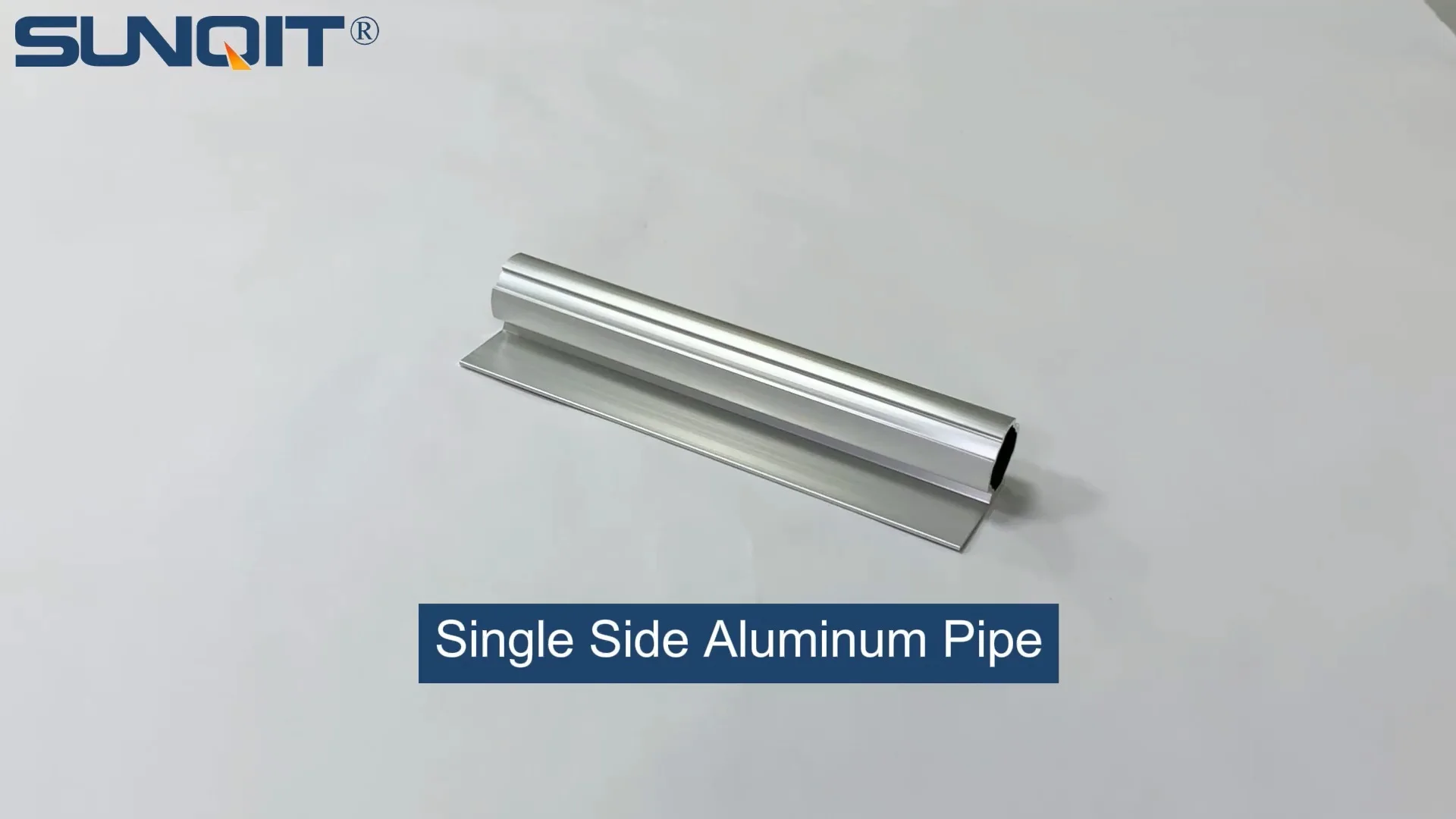
Single Side Aluminum Pipe
The single-sided plane can be installed with a back-mounted material box, and can also be used as a sidewall or partition.
It's 8 a.m. on a Monday in a bustling electronics warehouse, and Maria, the operations manager, is already fielding calls. The night shift left a note: the third-floor material rack in Zone C is "wobbling" again. Last month, a similar issue caused a box of circuit boards to topple, delaying an order and sparking a safety review. "We need racks that can handle these heavy components without cutting corners," she mutters, scrolling through supplier catalogs. If this sounds familiar, you're not alone. In warehouses, factories, and distribution centers worldwide, the silent workhorse of efficiency is the material rack—and its unsung hero? The humble pipe that holds it all together. Today, we're diving deep into one such hero: the single side aluminum pipe. Specifically, how its load capacity shapes the reliability of heavy-duty setups like the material rack b (3 row and 3 floor) , and why getting this right can transform your workflow from chaotic to seamless.
What Even Is a Single Side Aluminum Pipe?
Before we talk load capacity, let's get cozy with the star of the show: the single side aluminum pipe. If you've ever walked through a warehouse and admired the clean, sturdy racks holding boxes, tools, or raw materials, chances are you've seen aluminum pipes at work. But "single side" is where things get specific. Unlike double-sided pipes, which have mounting points on both sides, single side aluminum pipes are designed with attachments (like shelves, brackets, or guides) on only one face. Think of it as a one-armed helper—focused, efficient, and built to support weight from a single direction.
Aluminum, as a material, is a game-changer here. It's lighter than steel, which means easier installation and less strain on floor foundations, but don't let its lightness fool you. Modern aluminum alloys (like the ones used in basic aluminum tube products) pack a punch in strength, especially when paired with the right aluminum pipe accessories . This combination—lightweight yet robust—makes single side aluminum pipes a top choice for heavy-duty material racks, where every pound saved on the rack itself translates to more weight available for your actual inventory.
Why Load Capacity Isn't Just a Number—It's Your Workflow's Backbone
Load capacity. It sounds like a technical term thrown around by engineers, but for anyone managing a warehouse, it's the difference between smooth operations and costly disasters. Imagine loading a material rack b (3 row and 3 floor) with 50-pound boxes, assuming it can handle 200 pounds per shelf, only to find the middle shelf sagging by lunchtime. Now you're stuck redistributing the load, halting production, and risking damage to both goods and equipment. Worse, if a rack collapses, you're looking at injuries, OSHA fines, and a PR nightmare.
But load capacity isn't just about avoiding disasters—it's about efficiency. A rack that reliably handles its rated load lets you maximize vertical space, reduce the number of racks needed, and streamline picking processes. For example, a well-designed aluminum pipe rack with a clear 300-pound per shelf capacity can store twice as much inventory as a flimsy alternative, cutting down on time wasted walking between scattered storage areas. In short, load capacity is the foundation of a warehouse that works with you, not against you.

5 Key Factors That Make or Break Load Capacity in Single Side Aluminum Pipes
So, what determines how much weight a single side aluminum pipe can safely hold? It's not just luck—or the supplier's marketing claims. Let's break down the critical factors that influence load capacity, using real-world examples to make it tangible.
1. Aluminum Quality: Not All Pipes Are Created Equal
Aluminum comes in different grades, and the alloy used directly impacts strength. Most single side aluminum pipes for heavy-duty racks are made from 6061 or 6063 aluminum—alloys known for their excellent strength-to-weight ratio and corrosion resistance. But even within these grades, thickness matters. A basic aluminum tube with a 1.2mm wall thickness might be fine for light tools, but for heavy-duty use (think automotive parts or industrial machinery components), you'll want 1.5mm or 2.0mm walls. Why? Thicker walls distribute weight more evenly, reducing the risk of bending or buckling under pressure.
Here's a quick test: Take two aluminum pipes of the same diameter—one 1.2mm thick and one 2.0mm. Try bending them (safely, of course!). The thinner one will give way much easier. That's exactly what happens in a rack: a thin pipe under heavy load will bow, compromising the entire structure. So, when evaluating a supplier, ask for material certificates. Reputable aluminum pipe supplier s will happily share specs like alloy grade and wall thickness—if they hesitate, that's a red flag.
2. Pipe Dimensions: Diameter and Length Matter More Than You Think
Let's say you're building a material rack b (3 row and 3 floor) and need vertical supports. You have two options: a 25mm diameter aluminum pipe and a 32mm diameter pipe, both 1.5mm thick. Which one holds more weight? The 32mm pipe, hands down. Why? A larger diameter increases the pipe's "moment of inertia"—engineering speak for its ability to resist bending. Think of it like comparing a drinking straw to a paper towel roll: the wider roll is much harder to bend, even if they're made of the same material.
Length is another variable. A 6-foot aluminum pipe will sag more under load than a 4-foot pipe of the same diameter and thickness. That's why tall racks often use shorter pipe segments with additional supports (like cross-braces) to reduce the "span" between joints. For example, if you need a 10-foot vertical support, splitting it into two 5-foot sections connected by a strong joint will double its load capacity compared to a single 10-foot pipe.
3. Joints and Accessories: The Hidden Heroes (or Villains)
You could have the strongest aluminum pipe in the world, but if your joints are weak, your rack will fail. Aluminum pipe accessories like joints, brackets, and connectors are the glue that holds the system together—and they play a massive role in load capacity. Let's take the internal rotatary aluminum joint as an example. This nifty accessory lets pipes rotate slightly, which is great for adjusting shelf angles, but only if it's properly tightened. A loose joint acts like a hinge, allowing the pipe to shift under load and drastically reducing the rack's stability.
Another critical accessory: the parallel fixation aluminum pipe joint . Used to connect horizontal and vertical pipes, this joint distributes weight from the shelf down to the vertical supports. If it's made from cheap plastic or thin aluminum, it will crack under pressure. High-quality joints, on the other hand, are die-cast from zinc or heavy-duty aluminum, with reinforced stress points. When installing, always use the recommended torque for bolts—too loose, and the joint slips; too tight, and you risk stripping the threads. It's a balance, but one that's worth getting right.
4. Installation: Even the Best Parts Fail with Shoddy Work
You've invested in thick-walled aluminum pipes and top-tier accessories—now what? If your team slaps the rack together without following instructions, all that quality goes out the window. Common installation mistakes that kill load capacity include:
- Overlooking level surfaces: A rack installed on an uneven floor will wobble, putting extra stress on pipes and joints.
- Skipping cross-braces: These diagonal supports prevent lateral movement (side-to-side sway), which is crucial for heavy loads.
- Mixing and matching parts: Using a steel joint with an aluminum pipe might seem convenient, but dissimilar metals corrode when in contact, weakening the connection over time.
The solution? Train your team on proper assembly, or hire a professional installer. Many aluminum pipe supplier s offer installation guides or even on-site support—take advantage of it. A little time spent on installation saves hours of headaches (and dollars) later.
5. Environmental Factors: Heat, Cold, and Corrosion
Aluminum is corrosion-resistant, but extreme environments can still take a toll. In a hot warehouse (think Arizona summers), aluminum expands slightly; in a cold freezer, it contracts. These temperature swings can loosen joints over time, reducing load capacity. Similarly, warehouses with high humidity (like food processing facilities) or exposure to chemicals need extra protection—look for anodized or powder-coated aluminum pipes to prevent pitting and weakening.
Even something as simple as regular cleaning matters. Dust and debris can trap moisture against the pipes, accelerating corrosion. A quick wipe-down with a mild detergent every few months keeps your aluminum pipes in top shape, preserving their load capacity for years.

Material Rack B (3 Row and 3 Floor): A Case Study in Load Capacity Done Right
Let's put all this theory into practice with a real-world example: the material rack b (3 row and 3 floor) . This popular rack design is used in factories and warehouses worldwide, thanks to its versatile 3-row, 3-floor structure that maximizes storage space. But what makes it a heavy-duty champion? The answer lies in how it uses single side aluminum pipes and accessories to deliver reliable load capacity.
First, the frame: Vertical supports are made from 32mm diameter, 1.5mm wall basic aluminum tube —thick enough to handle the weight of three fully loaded floors. Horizontal beams use the same pipe, connected with internal rotatary aluminum joint s that lock into place with set screws, ensuring no slippage. Each floor is reinforced with cross-braces (using parallel fixation aluminum pipe joint s) to prevent sagging, even when loaded with 250 pounds of inventory per shelf.
The accessories matter too. The shelves themselves are often made from aluminum honeycomb panels, which are lightweight but rigid, distributing weight evenly across the horizontal pipes. For added stability, the rack sits on heavy-duty leveling feet, keeping it grounded and level even on uneven concrete. All told, a properly assembled Material Rack B can safely hold up to 750 pounds total—more than enough for most industrial storage needs.
But don't just take our word for it. A mid-sized automotive parts distributor in Ohio recently replaced their old steel racks with Material Rack B units. They reported a 30% increase in storage capacity per square foot and zero incidents of rack failure in two years—even when storing heavy engine components. "We used to worry about overloading the top shelf," said the warehouse manager. "Now, we trust the aluminum pipes to hold what we need, and it's made our picking process so much faster."

Load Capacity Testing: How to Verify a Supplier's Claims
You've heard the supplier's pitch: "Our single side aluminum pipes can hold 500 pounds!" But how do you know they're telling the truth? Load capacity testing is the only way to be sure, and reputable suppliers will happily share their test results. Here's what to look for:
Static Load Testing: The Gold Standard
Static load testing involves placing a constant weight on the pipe (or rack) for a set period (usually 24–72 hours) and measuring deflection. For example, a pipe rated for 300 pounds should deflect no more than 0.25 inches under that load—and return to its original shape when the weight is removed. If it bends permanently, the load capacity is overstated.
Impact Load Testing: Preparing for the Unexpected
Warehouses are busy places, and a pallet jack might bump a rack. Impact load testing simulates these accidents by applying a sudden force to the pipe. A pipe with good impact resistance will absorb the shock without cracking or collapsing, ensuring your rack stays safe even in chaotic environments.
Third-Party Certifications: Trust, But Verify
Look for racks and pipes certified by organizations like the Rack Manufacturers Institute (RMI) or ISO. These certifications mean the product has been independently tested to meet strict safety standards. If a supplier can't provide certification, proceed with caution—their load capacity claims might be more marketing than science.
Aluminum vs. Steel: Why Aluminum Pipes Are Winning for Heavy-Duty Racks
You might be thinking, "Why not just use steel pipes? They're stronger, right?" It's true—steel is denser and can handle more weight in the same dimensions. But for many heavy-duty applications, aluminum pipes offer advantages that steel can't match, especially when load capacity is balanced with other needs.
| Feature | Single Side Aluminum Pipe | Steel Pipe |
|---|---|---|
| Weight | 30–50% lighter than steel, making installation easier and reducing floor load. | Heavier, requiring more labor to install and potentially thicker floor slabs. |
| Corrosion Resistance | Naturally resistant; no need for painting or coating (though anodizing helps). | Prone to rust; requires regular painting or galvanizing, adding maintenance costs. |
| Load Capacity (per pound of material) | Higher strength-to-weight ratio; a 1.5mm aluminum pipe can match a 1.2mm steel pipe's load capacity at half the weight. | Higher absolute strength, but at the cost of added weight and bulk. |
| Flexibility | Easily customizable with aluminum pipe accessories ; can be disassembled and reconfigured as needs change. | Rigid; modifications often require welding, which is time-consuming and costly. |
The bottom line? For most heavy-duty racks, aluminum pipes offer the perfect balance of strength, weight, and versatility. They might not be the best choice for ultra-heavy loads (like 1-ton machinery), but for the 90% of warehouse storage needs—from electronics to automotive parts to consumer goods—aluminum delivers reliable load capacity with fewer headaches.
Maintenance 101: Keeping Your Aluminum Pipe Racks Strong for Years
Your single side aluminum pipe rack is an investment—and like any investment, it needs care to pay off. Here's a simple maintenance checklist to preserve load capacity and extend the life of your racks:
Weekly Inspections
- Check for loose joints or bolts—tighten them with a torque wrench to the supplier's specs.
- Look for signs of bending or bowing in pipes—even a small curve means the rack is overloaded.
- Ensure shelves are evenly loaded—overloading one side causes uneven stress.
Monthly Deep Clean
- Wipe down pipes and joints with a damp cloth to remove dust and debris.
- Inspect for corrosion—pay special attention to joints and areas near the floor.
- Lubricate moving parts (like casters or rotating joints) with a silicone-based lubricant to prevent wear.
Annual Overhaul
- replace any worn or damaged aluminum pipe accessories (e.g., cracked joints, bent brackets).
- Verify load capacity with a quick test—place a known weight on a shelf and check for deflection.
- Re-level the rack if needed—concrete floors can settle over time, throwing off alignment.
By following these steps, you'll keep your aluminum pipe racks in peak condition, ensuring they deliver their rated load capacity for 10+ years—double the lifespan of poorly maintained racks.
Choosing the Right Supplier: Your Partner in Load Capacity
At the end of the day, even the best design and maintenance can't save a rack made with shoddy materials. That's why choosing a reputable aluminum pipe supplier is critical. Here's what to look for:
- Transparent specs: They should clearly list aluminum grade, wall thickness, and load capacity for each product.
- Quality certifications: RMI, ISO, or other third-party certifications prove they take quality seriously.
- Customization options: Every warehouse is unique—look for suppliers who can cut pipes to length, add custom accessories, or design racks for your specific needs.
- Customer support: A good supplier offers technical help, installation guides, and responsive service if something goes wrong.
Don't be afraid to ask for references. A supplier with happy customers (especially in your industry) is a safe bet. And remember: the cheapest option rarely delivers on load capacity claims. Investing a little more upfront in quality aluminum pipes and accessories saves you money in the long run, through fewer replacements, fewer accidents, and better efficiency.
Final Thoughts: Load Capacity Isn't Optional—It's Essential
As Maria learned, a wobbly rack isn't just a nuisance—it's a symptom of a deeper issue: ignoring load capacity. But with the right knowledge, you can avoid her headaches. Single side aluminum pipes, when paired with quality aluminum pipe accessories and proper installation, deliver the strength and reliability needed for heavy-duty material racks like the material rack b (3 row and 3 floor) .
So, the next time you're shopping for material racks, don't just look at price or size. Ask about load capacity. Ask about the aluminum grade, pipe thickness, and joint quality. Because in the world of warehousing, a rack that can't handle the load is more than just a cost—it's a risk. And when it comes to your team's safety and your bottom line, that's a risk you can't afford to take.
Invest in aluminum pipes that work as hard as you do. Your warehouse (and your peace of mind) will thank you.