- Company Articles
- Products and Technology
- Product knowledge
- Understanding the "60" in 60 Aluminum Roller Track Yellow: Sizing Meaning

Understanding the "60" in 60 Aluminum Roller Track Yellow: Sizing Meaning
Related Product
60 Aluminum Roller Track Yellow
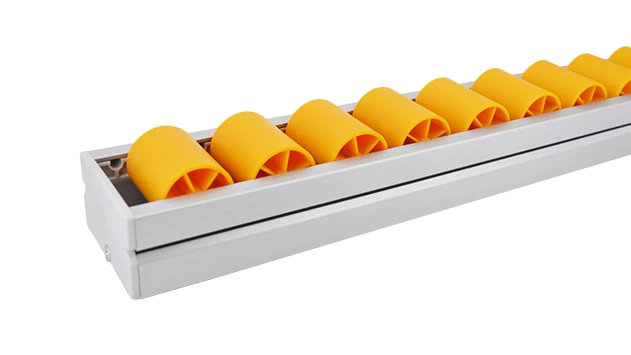
Modular syetem roller tracks aluminum gravity roller tracks are an excellent solution for transporting materials within industrial environments, warehouses and distribution centres.
Ever stood in a busy warehouse or assembly line and watched how parts glide smoothly from one station to the next? Chances are, you're looking at a roller track system at work. Among the many types available, the 60 Aluminum Roller Track Yellow is a common sight—but what does that "60" actually mean? If you've ever wondered why this size is chosen over others, or how it fits into your lean manufacturing setup, you're in the right place.
In this article, we'll dive deep into the 60 Aluminum Roller Track Yellow: breaking down its sizing, exploring its color significance, looking at real-world applications, and even sharing tips to keep it running like new. Whether you're setting up a flow rack for your warehouse, building a lean pipe workbench for your assembly line, or designing a custom conveyor system, understanding this component will help you make smarter, more efficient choices for your operations.
1. What Exactly Is a 60 Aluminum Roller Track Yellow?
Let's start with the basics: a 60 Aluminum Roller Track Yellow is a type of industrial roller track made from lightweight, durable aluminum. It features yellow-colored guide rails (the sides that keep items on track) and a series of rollers that allow materials to move smoothly—often via gravity or motorized power. This track is a key component in lean systems, which focus on reducing waste, improving workflow, and maximizing efficiency in manufacturing and logistics.
Unlike steel tracks, aluminum tracks are corrosion-resistant, easy to install, and require less maintenance. The yellow color isn't just for aesthetics; it serves a practical purpose in industrial settings (more on that later). And the "60" in the name? That's the critical sizing detail we're here to unpack.
2. Decoding the "60"—Sizing Explained
The "60" in 60 Aluminum Roller Track Yellow refers to the internal width of the track, measured in millimeters. Specifically, it's the distance between the two parallel guide rails that hold the rollers in place. This width is a make-or-break factor for your operations because it determines the size of the items you can transport safely and efficiently.
To put this in context, let's compare the 60 size to other common roller track sizes. Below is a table that breaks down key dimensions, load capacities, and typical uses:
| Size Label | Track Internal Width (mm) | Roller Diameter (mm) | Max Load Capacity (kg/m) | Common Applications |
|---|---|---|---|---|
| 38 Aluminum Roller Track Yellow | 38 | 19 | 150 | Small parts assembly, light-duty flow racks for electronics components |
| 40 Steel Roller Track Yellow Wheel | 40 | 20 | 200 | Medium-duty conveyor systems, lean pipe workbenches for automotive parts |
| 60 Aluminum Roller Track Yellow | 60 | 25 | 300 | Heavy-duty warehouse flow racks, medical device manufacturing lines, 3C assembly conveyors |
| 85 Steel Roller Track | 85 | 30 | 500 | Extra-heavy-duty applications like large automotive chassis or industrial machinery parts |
Why does this matter? Let's say you're moving boxes of smartphone components that are 50mm wide. A 38mm track would be too narrow (the box would get stuck or tip over), while a 60mm track is perfect—providing enough space for the box to glide smoothly without slipping off the sides. On the other hand, if you're moving boxes that are 70mm wide, a 60mm track won't work; you'll need to go up to an 85mm size.
Another key dimension tied to the 60 size is the roller diameter (25mm). Larger rollers can distribute weight more evenly, which is why the 60 track has a higher load capacity (300kg per meter) than smaller sizes. This makes it ideal for heavier items like medical devices, automotive parts, or large warehouse boxes.
Roller spacing (the distance between each roller) is another factor to consider. For the 60 track, the spacing is usually around 50-60mm—close enough to support small items but wide enough to handle larger ones. If you're transporting very small parts, you might need closer spacing to prevent them from falling through the gaps.

3. Why Yellow? The Significance of Color in Industrial Settings
You might be thinking: why yellow? Couldn't it be blue or green? The answer lies in industrial safety and practicality.
First, yellow is a high-visibility color. In busy assembly lines or warehouses where workers are moving quickly, yellow tracks stand out against darker backgrounds (like gray floors or black machinery). This reduces the risk of accidents—workers can easily see where the track is and avoid tripping or bumping into it.
Second, yellow is associated with safety and caution. In many industries, yellow is used to mark areas where heavy materials are moving or where caution is needed. This psychological cue helps workers stay alert when near the track.
Third, yellow resists dirt and stains better than lighter colors (like white or beige). Industrial environments are messy—dust, oil, and debris are common. Yellow tracks hide these imperfections longer, so they look cleaner for longer periods, reducing the frequency of deep cleanings.
If yellow isn't the right fit for your space (maybe you prefer a more neutral look), many suppliers offer alternative colors like gray. For example, plastic roller track guide rail grey is a popular choice for cleanrooms or environments where a subtle look is preferred.

4. Practical Applications of 60 Aluminum Roller Track Yellow
The 60 Aluminum Roller Track Yellow is versatile and used across a wide range of industries. Let's look at some real-world examples to understand how it adds value:
a. Warehouse Logistics: Flow Racks for FIFO Systems
In warehouses, flow racks are essential for implementing first-in-first-out (FIFO) inventory systems. The 60 track is perfect for this because it can handle medium to large boxes (up to 60mm wide) and has a high load capacity. For example, a material rack with three rows and three floors (like Material Rack B from many suppliers) uses 60 tracks to store boxes of electronic components. When a new box is added to the top of the rack, gravity pulls it down to the front—so the oldest box is always the first one taken out. This reduces waste from obsolete inventory and improves order fulfillment speed.
b. 3C Assembly Lines: Smooth Component Transport
The 3C industry (computers, communications, consumer electronics) relies on precise, damage-free transport of components. For example, in a smartphone assembly line, the 60 track is used in conveyor systems to move phone cases from the molding station to the assembly station. The aluminum track is gentle on the plastic cases (no scratches), and the smooth rollers ensure that the cases move at a consistent speed—critical for automated assembly processes. The high visibility of the yellow track also helps workers quickly identify where components are moving, reducing errors.
c. Medical Device Manufacturing: Clean, Durable Transport
Medical device manufacturing requires strict hygiene and precision. The 60 Aluminum Roller Track Yellow is ideal here because aluminum is non-corrosive and easy to clean (it can be wiped down with disinfectants without damage). For example, in a facility that makes surgical instruments, the track is used in lean workstations to move instruments from the sterilization area to the packaging area. The high load capacity handles the weight of metal instruments, and the yellow color ensures that the track is easily visible in clean, bright environments.
d. Automotive Parts Manufacturing: Heavy-Duty Support
Automotive parts like engine components or door panels are heavy—so they need a track that can handle the weight. The 60 track's 300kg/m load capacity is perfect for this. In an automotive assembly line, the track is used in trolleys (turnover carts) to move parts from the warehouse to the assembly station. The aluminum track is lightweight, so the trolleys are easy to push, even with heavy loads. The yellow color also helps workers avoid collisions in busy automotive plants.
5. How to Choose the Right Roller Track for Your Needs
Now that you understand the 60 Aluminum Roller Track Yellow, how do you know if it's the right choice for your operations? Here are key factors to consider:
a. Load Capacity
Calculate the average weight of the items you'll be transporting. If your items weigh more than 300kg per meter, you'll need a larger track (like the 85 Steel Roller Track). If they're lighter, a smaller track (like 38 or 40) might be more cost-effective.
b. Item Size
Measure the width of your items. The track's internal width should be at least 5-10mm wider than the item to ensure it fits without getting stuck. For example, if your box is 55mm wide, a 60mm track is perfect.
c. Application Type
Are you using the track for a gravity-fed flow rack or a motorized conveyor? Gravity-fed systems rely on the track's slope to move items—so the roller spacing and load capacity are critical. Motorized systems need tracks that can handle constant movement, so durability is key. The 60 track works well for both, but you'll need to choose the right roller type (plastic or steel) based on your needs.
d. Environment
Consider the conditions in your facility: - Humidity: Aluminum tracks are better than steel for humid environments (no rust). - Cleanliness: Aluminum tracks are easier to clean than steel, making them ideal for medical or food processing facilities. - ESD Sensitivity: If you're working with electronic components, you might need an ESD workstation with ESD roller tracks (which are designed to prevent electrostatic discharge). Many suppliers offer ESD workbench wholesale options that include compatible tracks.
e. Compatibility with Other Components
Make sure the track is compatible with other lean components you're using, like aluminum pipe accessories or caster wheels. For example, if you're building a flow rack with lean pipe, the 60 track should fit with the aluminum pipe joints and connectors. This ensures a seamless setup and reduces the need for custom modifications.
6. Maintenance Tips for Longevity
To get the most out of your 60 Aluminum Roller Track Yellow, follow these maintenance tips:
a. Regular Cleaning
Wipe down the track with a dry cloth every week to remove dust and debris. For stubborn dirt, use a mild detergent and water (avoid harsh chemicals that can damage the yellow coating). If you're in a cleanroom, use lint-free cloths to prevent contamination.
b. Lubrication
Lubricate the rollers every 3-6 months to ensure smooth movement. Use a light oil or grease—avoid heavy lubricants that can attract dust. If you're using an ESD track, use ESD-safe lubricants to maintain electrostatic discharge properties.
c. Inspect for Wear
Check the rollers and guide rails every month for signs of wear: - Cracked or broken rollers - Bent guide rails - Loose bolts or connectors replace worn parts immediately to prevent further damage and ensure safety.
d. Tighten Connections
Over time, the bolts connecting the track to other components (like aluminum pipe joints) might loosen. Tighten them every 2-3 months to keep the track stable. This is especially important for conveyor systems that move heavy items.
7. Where to Get Quality 60 Aluminum Roller Track Yellow?
If you're looking for a reliable supplier of 60 Aluminum Roller Track Yellow and other lean components, choose one that offers: - Wholesale Options: Lean pipe workbench wholesale, flow rack wholesale, and conveyor wholesale options can save you money if you need large quantities. - Custom Solutions: Many suppliers offer custom lean solutions tailored to your industry (like 3C assembly or medical device manufacturing). This ensures that the track fits your specific needs. - Compatible Components: Look for suppliers that offer aluminum pipe accessories, caster wheels, and other lean components that work with the 60 track. This makes setup easier and ensures a seamless system.
A good supplier will also provide technical support—helping you choose the right size, install the track, and maintain it. They should have a wide range of products, including different colors (like yellow and grey) and sizes (like 38,40,60) to fit your needs.
Conclusion
The 60 Aluminum Roller Track Yellow is more than just a piece of industrial equipment—it's a key component in building efficient, safe, and waste-free lean systems. The "60" refers to the track's internal width (60mm), which determines the size of items you can transport, and the yellow color adds visibility and safety. This track is versatile, used in everything from warehouse flow racks to medical device manufacturing lines.
By understanding the sizing, color significance, and applications of this track, you can make smarter choices for your operations. Remember to consider load capacity, item size, environment, and compatibility when choosing a track. And don't forget to maintain it regularly to ensure longevity.
Whether you're setting up a new assembly line or upgrading your warehouse, the 60 Aluminum Roller Track Yellow is a reliable, efficient choice that will help you achieve your lean manufacturing goals.