- Company Articles
- Products and Technology
- Product knowledge
- Understanding the Basics: How Three Way Aluminum Pipe Joints Work

Understanding the Basics: How Three Way Aluminum Pipe Joints Work
Related Product
Three Way Aluminum Pipe Joint
Aluminum 3 way pipe joint for 28mm aluminum pipe connection in 3 direction.
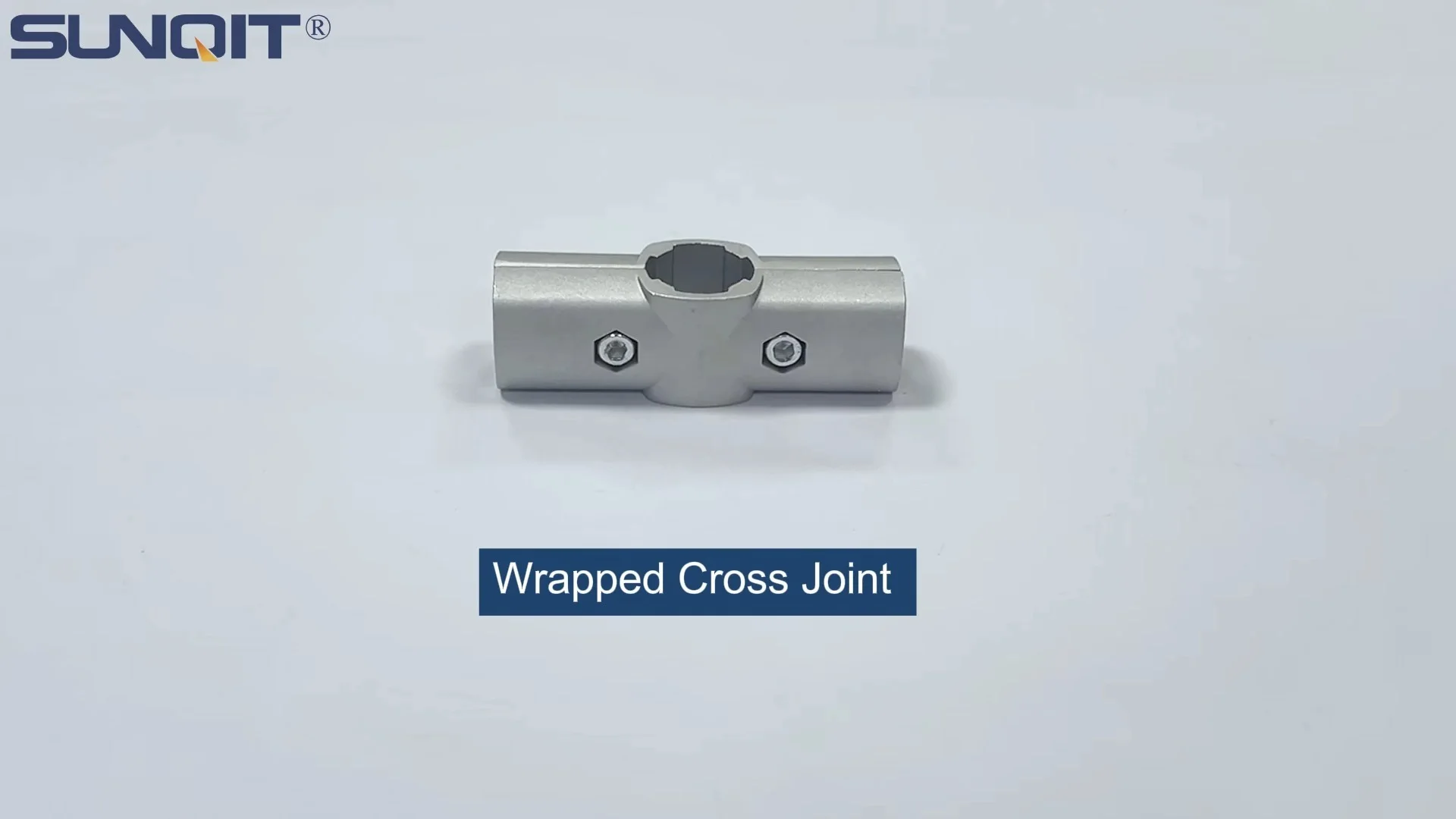
In the world of manufacturing, warehousing, and even DIY projects, the ability to build flexible, sturdy structures quickly is everything. Whether you're setting up a production line, organizing a workshop, or creating a custom storage solution, the materials you choose can make or break efficiency. That's where aluminum pipe systems shine—and at the heart of these systems lie the unsung heroes: three way aluminum pipe joints . These small but mighty components are the glue that holds modular aluminum structures together, allowing you to connect pipes in multiple directions with ease. Let's dive into what they are, how they work, and why they've become a staple in industries worldwide.
What Are Three Way Aluminum Pipe Joints?
At their core, three way aluminum pipe joints are specialized connectors designed to link three aluminum pipes at once. Unlike simple two-way joints that only connect two pipes in a straight line or at a right angle, three way joints add a third dimension—literally. They let you branch off a structure, create T-shapes, or build multi-directional frames, making them indispensable for constructing complex setups like workbenches, material racks, or conveyor supports.
Think of them as the "cornerstones" of modular design. If aluminum pipes are the bones of a structure, three way joints are the joints that let those bones bend, twist, and support weight in multiple directions. And because they're made from aluminum, they bring all the benefits of the material to the table: lightweight strength, corrosion resistance, and a smooth, professional finish that holds up in harsh environments.
These joints are part of a broader family of aluminum profile accessories —the nuts, bolts, brackets, and connectors that make aluminum pipe systems so versatile. Without them, you'd be stuck with rigid, one-size-fits-all structures. With them? The possibilities are nearly endless.
Types of Three Way Aluminum Pipe Joints: A Closer Look
Not all three way joints are created equal. Depending on your project's needs—angle, load capacity, or adjustability—you'll find different designs tailored to specific tasks. Let's break down the most common types you're likely to encounter:
| Joint Type | Key Features | Common Applications |
|---|---|---|
| Fixed 90° Three Way Joint | Connects three pipes at strict 90° angles; non-adjustable; high load capacity. | Workbench frames, shelving units, and material racks where right angles are critical (e.g., Material Rack B (3 row and 3 floor) ). |
| Adjustable Angle Three Way Joint | Allows pipes to connect at angles between 0°–180°; uses swivel mechanisms or slotted holes for flexibility. | Inclined conveyor supports, custom-shaped workstations, or structures with sloped shelves. |
| Internal Rotatory Three Way Joint | Features a rotating core inside the joint, letting one pipe swivel while the others stay fixed; often used with internal rotatary aluminum joint designs. | Turnover trolleys, mobile workbenches, or setups where parts need to pivot (e.g., tool holders that swing into place). |
| External Clamping Three Way Joint | Clamps onto the outside of pipes using bolts or levers; easy to install/remove without specialized tools. | Temporary structures, prototype builds, or projects that need frequent reconfiguration. |
Materials and Design: Why Aluminum?
Three way joints are almost always made from aluminum—and for good reason. Aluminum, especially alloys like 6061-T6, hits the sweet spot between strength, weight, and corrosion resistance. Unlike steel, which is heavy and prone to rust, aluminum is lightweight (making structures easier to move or reposition) and naturally resistant to moisture, oils, and chemicals—perfect for factory floors or outdoor use.
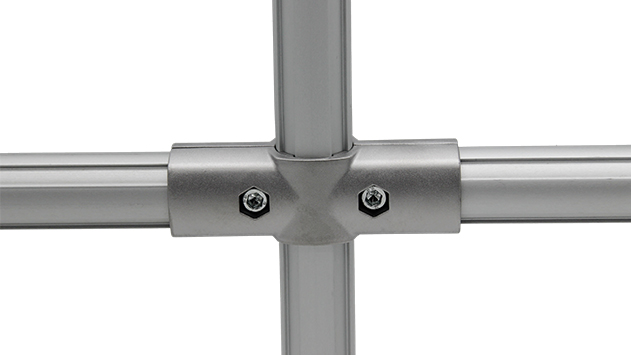
The design of these joints is equally thoughtful. Most feature a hollow, cylindrical body with three "arms" (the parts that connect to the pipes). These arms are often lined with rubber or plastic gaskets to grip the aluminum pipe tightly, preventing slippage. Many also use a T-slot system, where bolts or screws fit into grooves on the pipe's surface, creating a secure, tool-free connection (though some still use hex bolts for extra stability).
Another key detail? Precision manufacturing. Joints are machined to tight tolerances—often within 0.1mm—to ensure pipes align perfectly. This attention to detail is why aluminum lean pipe systems (which use these joints) are trusted in industries like automotive, electronics, and pharmaceuticals, where even small misalignments can disrupt production.

How They Work: The Mechanics of Connection
At first glance, a three way joint might seem simple, but there's clever engineering behind how it locks pipes in place. Let's break down the process step by step, using a fixed 90° joint as an example:
- Prep the Pipes: Start with three cut-to-length aluminum pipe sections. For T-slot pipes, ensure the slots are clean and free of debris—this helps the joint's bolts grip properly.
- insert the Joint Arms: Slide each pipe into one of the joint's arms. Most joints have a "stop" inside, so you'll feel a slight resistance when the pipe is seated correctly (usually 1–2 inches deep).
- Align the Angles: For fixed joints, the arms are already set at 90°, so just make sure the pipes are straight and perpendicular. For adjustable joints, pivot the arms to your desired angle (e.g., 45° for a sloped shelf) and lock them in place with a setscrew.
- Tighten the Connection: Use a hex key or wrench to tighten the joint's bolts. As you turn the bolt, it presses a metal or plastic clamp against the pipe's T-slot, creating friction that holds everything together. You'll know it's tight when the pipe doesn't wiggle—over-tightening can strip threads, so go until you feel resistance.
- Test for Stability: Give the structure a gentle shake. If it wobbles, check if any bolts are loose or if the pipes are seated all the way. A well-assembled joint should feel solid, even under light to moderate weight.
The magic here is in the clamping force. Unlike glue or welding (which are permanent), three way joints create a strong, bond. This means if you need to reconfigure your workbench or expand a material rack later, you can simply loosen the bolts, adjust the pipes, and retighten—no cutting or rewelding required. It's this flexibility that makes modular aluminum systems so popular.

Real-World Applications: Where Three Way Joints Shine
Three way aluminum pipe joints aren't just theoretical—they're hard at work in factories, workshops, and warehouses every day. Here are a few common scenarios where they make a big difference:
1. Workbenches and Production Stations
A typical workbench (like the Workbench E (single deck-without caster) from many suppliers) relies on three way joints to build its frame. The legs, front/back rails, and side supports all connect at the corners using 90° three way joints, creating a sturdy platform for tools, assembly, or testing. Add an adjustable angle joint, and you can even attach a side shelf at a 30° angle to hold manuals or parts bins—no extra brackets needed.
2. Material Racks and Shelving
Take the Material Rack B (3 row and 3 floor) —a common storage solution for small parts. Three way joints are used here to connect vertical posts (the "backbone" of the rack) to horizontal shelves. By using fixed 90° joints, the shelves stay level, while adjustable joints let you tweak shelf height to fit taller or shorter items. This modularity means you can start with a 3-row rack and expand to 5 rows later by adding more pipes and joints.
3. Turnover Trolleys and Mobile Carts
Mobile trolleys need to be strong but lightweight—enter aluminum pipes and three way joints. The frame of a turnover trolley uses three way joints to connect the base, handle, and side rails. Internal rotatory joints might even let the handle pivot, making it easier to maneuver in tight spaces. Pair this with caster wheels (another key accessory), and you've got a cart that glides smoothly and holds up to heavy loads.
Benefits of Using Three Way Aluminum Pipe Joints
Why choose three way aluminum joints over other connectors, like plastic clips or welded steel? Here are the top advantages:
- Flexibility: As mentioned, they're and reconfigurable. Need to add a shelf to your workbench? Just loosen a joint, insert a new pipe, and tighten. No need to buy a whole new structure.
- Cost-Effective: Aluminum is cheaper than stainless steel, and modular systems reduce waste—you only buy the pipes and joints you need. Plus, reusing parts for new projects cuts long-term costs.
- Lightweight Strength: Aluminum pipes and joints are lighter than steel, making structures easier to move, but they still support impressive weights (some joints handle up to 500 lbs per connection).
- Corrosion Resistance: Unlike steel, aluminum doesn't rust, so your aluminum lean pipe structures will last longer in damp or messy environments (think food processing or car washes).
- Easy to Assemble: No welding, no glue—just basic tools (a hex key or wrench) and a few minutes. Even someone with minimal DIY experience can build a sturdy frame.
Troubleshooting Common Issues
While three way joints are reliable, they're not immune to issues. Here's how to fix the most common problems:
Loose Connections
If a joint feels wobbly, the bolts might have loosened over time (especially if the structure vibrates, like near a conveyor). Tighten them with a hex key—if they still slip, check if the pipe's T-slot is damaged. A quick fix: wrap a small piece of electrical tape around the pipe end before inserting it into the joint for extra friction.
Misaligned Pipes
Pipes that don't line up straight are usually due to improper seating. Make sure each pipe is pushed all the way into the joint until it hits the internal stop. If the joint is adjustable, double-check that the angle lock is engaged before tightening bolts.
Stuck Joints
Rust or debris can make joints hard to loosen. Spray a little WD-40 or silicone lubricant into the bolt threads and let it sit for 5 minutes. Avoid using excessive force—stripping the threads will ruin the joint.
Caring for Your Joints: Maintenance Tips
With a little care, three way aluminum pipe joints can last for years. Here's how to keep them in top shape:
- Clean Regularly: Wipe joints with a damp cloth to remove dust, oil, or grease. For tough grime, use mild soap and water—avoid harsh chemicals that can damage the aluminum finish.
- Inspect Bolts: Check bolts monthly for tightness, especially in high-vibration areas. A quick tighten now prevents bigger issues later.
- Lubricate Moving Parts: If you have adjustable or rotatory joints, apply a drop of machine oil to the pivot points every 3–6 months to keep them moving smoothly.
- replace Worn Parts: If a joint's clamp is cracked or the threads are stripped, replace it. Most suppliers sell individual joints, so you don't need to buy a whole set.
Final Thoughts: The Backbone of Modular Design
Three way aluminum pipe joints might not be the most glamorous part of a manufacturing setup, but they're essential. They turn simple aluminum pipe s into powerful, flexible structures that adapt to your needs—whether you're building a workbench for your garage or a full production line for a factory. Their blend of strength, flexibility, and ease of use makes them a go-to choice for anyone who values efficiency and adaptability.
So the next time you walk through a warehouse or workshop, take a closer look at the racks, carts, and workstations around you. Chances are, there's a three way aluminum pipe joint holding it all together—quietly, reliably, and ready to be reimagined for whatever project comes next.