- Company Articles
- Products and Technology
- Product knowledge
- Understanding the Diameter of 1.0mm Stainless Steel Pipe for Industrial Use

Understanding the Diameter of 1.0mm Stainless Steel Pipe for Industrial Use
Related Product
1.0mm Stainless Steel Pipe
Stainless steel pipe, lean pipe, diameter is 28mm, material is SS201 or SS304, SS201 is normally used in the market. It knows a KARAKURI, KAIZEN material for industrial plant to improve efficiency, save labor cost, standard management.
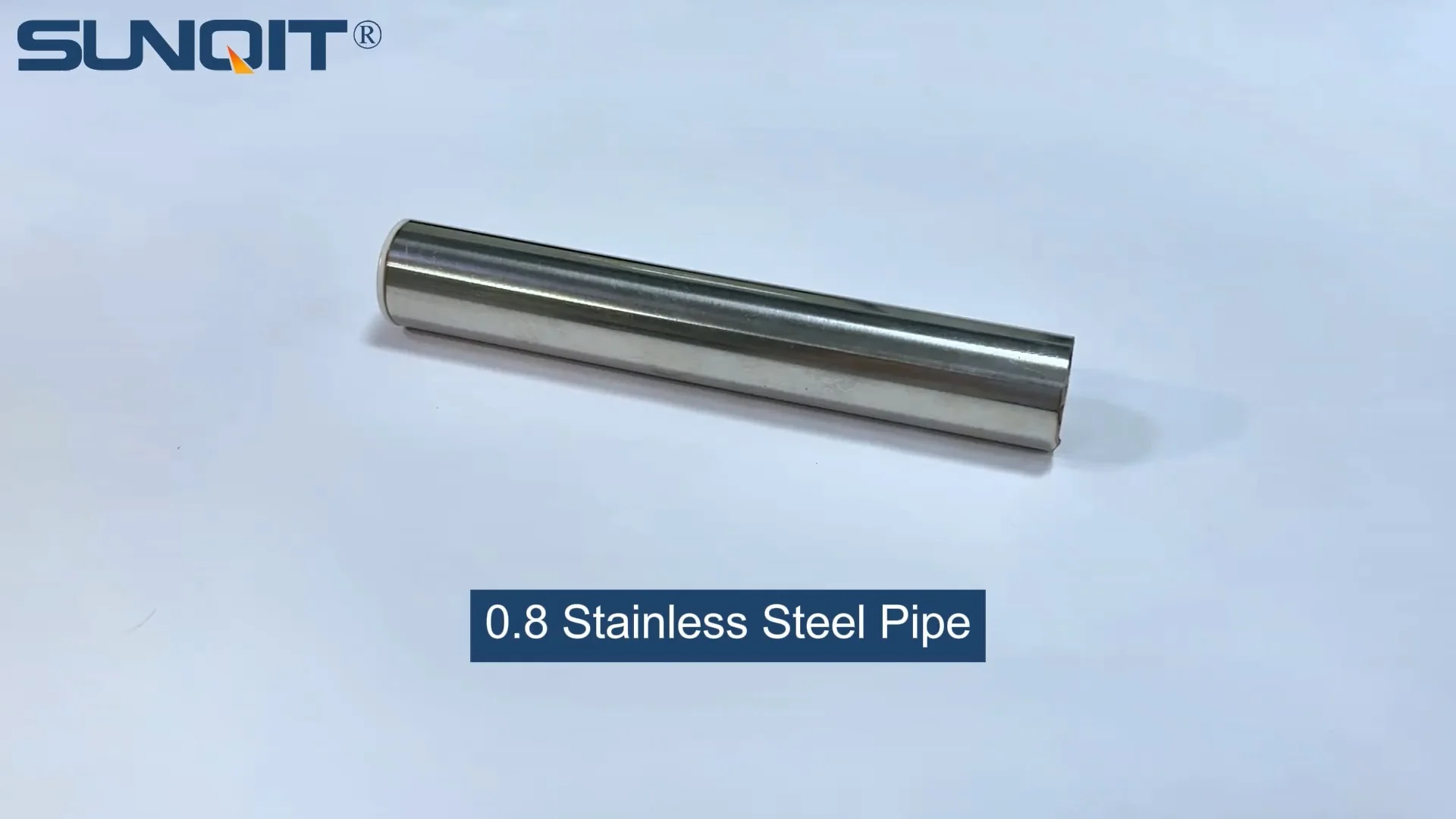
In the bustling world of manufacturing and industrial operations, every component plays a silent yet critical role in keeping processes running smoothly. From the largest conveyor systems to the smallest workbench accessories, each part is a piece of a larger puzzle—one that demands precision, durability, and adaptability. Among these unsung heroes is the 1.0mm stainless steel pipe, a versatile material that has become a cornerstone in industries ranging from automotive assembly to electronics production. But why does this specific diameter matter? And how does it stand out in a market flooded with options like aluminum profiles, plastic roller tracks, and heavier steel pipes? Let's dive in and explore the nuances of the 1.0mm stainless steel pipe, its unique properties, and why it's become a go-to choice for engineers, plant managers, and lean system enthusiasts alike.
Material Composition & What Makes It Special
Before we get into the specifics of diameter, let's first understand what sets 1.0mm stainless steel pipe apart. Stainless steel, by nature, is an alloy of iron, chromium, and often nickel or manganese, which gives it that signature resistance to corrosion and rust. But when we talk about the "1.0mm" in 1.0mm stainless steel pipe, we're referring to the wall thickness—a measurement that might seem small, but carries huge implications for performance.
Think of it this way: a pipe's wall thickness is like the skeleton of a building. Too thin, and it might buckle under pressure; too thick, and it adds unnecessary weight and cost. The 1.0mm sweet spot strikes a balance between strength and flexibility, making it ideal for applications where both load-bearing capacity and maneuverability are key. This is especially true in the stainless steel pipe series , where consistency in thickness ensures compatibility with standard joints, clamps, and accessories—something we'll circle back to later.
Another standout feature is its finish. Most 1.0mm stainless steel pipes come with a smooth, polished surface that resists scratches and is easy to clean. This isn't just about aesthetics; in industries like food processing or pharmaceuticals, where hygiene is non-negotiable, that smooth finish prevents bacteria buildup and simplifies sanitization. Even in less stringent environments, a clean surface means less wear and tear over time, extending the pipe's lifespan.
Why Diameter Matters: More Than Just a Number
You might be thinking, "It's just a millimeter—does it really make that much difference?" The short answer: absolutely. The diameter (or more precisely, the wall thickness) of a stainless steel pipe directly impacts three critical factors: load capacity, flexibility, and compatibility.
Load Capacity: How Much Can It Handle?
Imagine building a workbench where you'll be placing heavy machinery or stacks of materials. If the pipes supporting that bench are too thin, you risk sagging, bending, or even collapse. A 1.0mm wall thickness, however, offers enough structural integrity to support moderate to heavy loads without compromising. For example, in a typical assembly line workbench, the frame might use 1.0mm stainless steel pipes paired with aluminum profiles for the tabletop. The pipes bear the weight of tools, components, and even workers leaning on the bench, all while maintaining stability.
Flexibility: Bending Without Breaking
Not all industrial applications require rigid, straight pipes. Sometimes, you need to create curved structures—like the frame of a turnover trolley or the railings of a material rack. Here, 1.0mm thickness shines because it's malleable enough to bend into gentle curves (with the right tools) but not so soft that it loses shape over time. This flexibility is a big reason why it's a favorite in custom fabrication shops, where one-size-fits-all solutions rarely work.
Compatibility: Playing Well With Others
Industrial setups are rarely made from a single component. Pipes need to connect to joints, casters, roller tracks, and other accessories. The 1.0mm thickness is a standard in the industry, meaning it pairs seamlessly with most off-the-shelf hardware. For instance, a caster wheel designed for stainless steel pipes will have a clamp or bracket that fits snugly around a 1.0mm wall, ensuring a secure connection that won't slip or loosen during use. If you've ever tried to force a thick pipe into a joint meant for a thinner one, you know how frustrating (and dangerous) poor compatibility can be. 1.0mm avoids that headache by aligning with industry norms.
A Quick Comparison: 1.0mm vs. Other Thicknesses
| Wall Thickness | Best For | Limitations |
|---|---|---|
| 0.8mm | Light-duty applications (e.g., small shelving, display racks) | Low load capacity; prone to bending under heavy weight |
| 1.0mm | Moderate to heavy loads (workbenches, roller tracks, caster wheel frames) | Not ideal for extreme heavy-duty use (e.g., industrial cranes) |
| 1.2mm | Heavy machinery frames, high-load conveyor systems | Heavier; harder to bend; more expensive |
As you can see, 1.0mm hits that middle ground, making it the most versatile option for everyday industrial needs.

Real-World Applications: Where 1.0mm Stainless Steel Pipe Shines
Now that we understand the "why" behind the 1.0mm thickness, let's look at the "where." This pipe isn't just a generic industrial material—it's a workhorse in specific, high-impact applications. Let's walk through a few common ones.
Workbenches: The Backbone of Assembly Lines
Walk into any factory or workshop, and you'll likely see rows of workbenches where employees assemble products, test equipment, or sort materials. Many of these workbenches rely on 1.0mm stainless steel pipes for their frames. Why? Because a workbench needs to be sturdy enough to support tools, parts bins, and even the occasional leaning worker, but also lightweight enough to reposition if the layout changes. The 1.0mm pipes provide that stability without adding bulk, and their corrosion resistance ensures the bench won't rust even in humid or messy environments (think: oil spills or water splashes in automotive shops).
Plus, when paired with accessories like adjustable shelves or pegboards, these pipes make the workbench customizable. A lean pipe supplier might offer pre-cut 1.0mm pipes with pre-drilled holes, making it easy to attach add-ons without extra fabrication. This modularity is a huge win for businesses that need to adapt quickly to new projects or product lines.
Roller Tracks: Keeping Materials Moving
Ever watched a conveyor belt zip products from one end of a factory to another? Many of those systems use roller tracks, and guess what often forms the rails for those tracks? You guessed it: 1.0mm stainless steel pipe. Roller tracks rely on smooth, consistent rails to guide items along—any warping or unevenness in the track can slow down production or damage products. The 1.0mm thickness ensures the rails stay straight under the constant friction of rolling items, while the stainless steel resists the wear and tear that comes from metal-on-metal contact.
For example, in a warehouse, a roller track might carry boxes from a loading dock to a storage area. The pipes need to support the weight of the boxes (which can range from a few pounds to 50+ pounds) and maintain alignment so the boxes don't get stuck. A 1.0mm pipe does this reliably, day in and day out. And because it's part of the stainless steel pipe series , replacing a damaged section is as simple as unclamping the old pipe and sliding in a new one—no need for specialized tools or custom parts.
Caster Wheels: Mobility Without Compromise
Now, let's talk about movement. Trolleys, carts, and mobile workbenches all depend on caster wheels to get around, and those wheels need a strong, stable mounting point. That's where 1.0mm stainless steel pipe comes in. The pipe serves as the axle or frame that connects the caster wheel to the cart, and its thickness ensures that when you push a loaded trolley, the pipe doesn't bend or twist under the stress.
Consider a hospital cart used to transport medical supplies. It needs to be easy to maneuver (so nurses can navigate tight hallways) but also sturdy enough to hold heavy equipment. A 1.0mm pipe frame with high-quality caster wheels strikes that balance. The pipe's rigidity keeps the cart stable, while the wheels' swivel action allows for smooth turns. Even in industrial settings, where carts might carry metal parts or machinery, the 1.0mm pipe holds up, ensuring the caster wheel stays securely attached and the cart moves safely.

Behind the Scenes: How 1.0mm Stainless Steel Pipe Is Made
Understanding the manufacturing process can help you appreciate why quality matters—and why choosing a reputable lean pipe supplier is so important. The journey from raw material to finished pipe involves several key steps, each critical to ensuring consistency and performance.
Step 1: Melting and Casting
It all starts with melting scrap stainless steel or raw alloys in a furnace. The molten metal is then cast into billets—large, cylindrical blocks that will later be formed into pipes. During this stage, strict controls are in place to ensure the right mix of elements (chromium, nickel, etc.) to achieve the desired corrosion resistance and strength.
Step 2: Piercing and Rolling
Next, the billet is heated and pierced with a mandrel to create a hollow tube (called a "bloom"). This bloom is then passed through a series of rollers that stretch and shape it into the desired diameter and wall thickness. For 1.0mm pipes, this rolling process is highly precise—even a 0.1mm deviation can affect performance. Modern factories use computer-controlled rollers to maintain accuracy, ensuring every pipe meets the 1.0mm specification.
Step 3: Annealing and Cooling
After rolling, the pipe is annealed—heated to a high temperature and then slowly cooled. This process relieves internal stress in the metal, making it more ductile and less prone to cracking. Annealing is especially important for 1.0mm pipes, as their thin walls can become brittle if not properly treated.
Step 4: Finishing and Inspection
Finally, the pipe undergoes finishing—polishing, cutting to length, and sometimes coating (though stainless steel rarely needs extra coating). It's then inspected for defects: cracks, uneven thickness, or surface imperfections. Reputable suppliers will test samples for strength and corrosion resistance, ensuring they meet industry standards like ISO or ASTM.
This attention to detail is why not all 1.0mm stainless steel pipes are created equal. A cheap, poorly made pipe might have inconsistent wall thickness, rough edges, or impurities in the alloy—all of which can lead to premature failure. That's why working with a trusted lean pipe supplier who prioritizes quality control is non-negotiable.
How to Choose the Right Supplier: What to Look For
With so many options on the market, selecting a supplier for 1.0mm stainless steel pipe can feel overwhelming. Here are a few key factors to consider:
1. Certifications and Standards
Look for suppliers who adhere to international standards like ISO 9001 (quality management) or ASTM (material specifications). These certifications are a sign that the supplier has rigorous quality control processes in place.
2. Consistency in Thickness and Dimensions
Ask for samples or specifications to check that the pipe's wall thickness is consistently 1.0mm. A good supplier will provide detailed measurements and even allow third-party testing if needed.
3. Range of Accessories
Since 1.0mm stainless steel pipe is often used with joints, clamps, and caster wheels, it's helpful to choose a supplier who also offers compatible accessories. This ensures everything works together seamlessly and saves you the hassle of sourcing parts from multiple vendors.
4. Customer Support
A supplier who offers technical support can be a lifesaver, especially if you're designing a custom setup. Whether you need help calculating load capacities or choosing the right joint for your roller track, responsive customer service makes a big difference.
5. Reviews and Reputation
Don't just take the supplier's word for it—check online reviews or ask for references. A supplier with a history of happy customers is more likely to deliver on their promises.
Keeping Your Pipes in Top Shape: Maintenance Tips
Even the most durable stainless steel pipe needs a little care to last. Here are some simple maintenance tips to extend the life of your 1.0mm stainless steel pipes:
- Clean regularly: Wipe down pipes with a mild detergent and soft cloth to remove dirt, grease, or chemicals. Avoid abrasive cleaners, which can scratch the surface.
- Check for corrosion: While stainless steel resists rust, it's not immune. If you notice discoloration or pitting, address it immediately with a stainless steel cleaner or passivation treatment.
- Tighten joints and clamps: Over time, vibrations from machinery or movement can loosen connections. Periodically check and tighten joints to prevent wobbling or instability.
- Inspect for dents or bends: A bent pipe can weaken the structure. If you notice damage, replace the pipe promptly to avoid further issues.
- Lubricate moving parts: If your pipes are part of a roller track or caster wheel system, lubricate the moving components (like bearings) to reduce friction and wear.
Common Misconceptions: Separating Fact from Fiction
Let's clear up a few myths about 1.0mm stainless steel pipe that might be holding you back from using it:
Misconception 1: "Thicker is always better."
As we've discussed, thicker pipes add weight and cost without always improving performance. For most industrial applications, 1.0mm offers the best balance of strength and flexibility.
Misconception 2: "All stainless steel pipes are the same."
Not true. The alloy composition, manufacturing process, and quality control vary widely between suppliers. A pipe from a reputable lean pipe supplier will outperform a cheap, poorly made alternative every time.
Misconception 3: "1.0mm is too thin for heavy loads."
While it's not suitable for extreme heavy-duty use (like supporting a crane), 1.0mm can handle most industrial loads when properly installed. For example, a well-designed frame using 1.0mm pipes can support hundreds of pounds without issue.
Looking Ahead: The Future of 1.0mm Stainless Steel Pipe
As industries continue to prioritize efficiency and sustainability, the demand for versatile materials like 1.0mm stainless steel pipe is only growing. Here are a few trends to watch:
Lightweighting Without Sacrifice
Manufacturers are always looking for ways to reduce weight (to save on energy costs and improve mobility) without losing strength. 1.0mm stainless steel pipe fits perfectly here, offering a lightweight alternative to thicker steel or aluminum in many applications.
Integration with Smart Technology
Imagine roller tracks with embedded sensors that monitor pipe stress or temperature, alerting you to potential issues before they cause downtime. As smart factories become more common, 1.0mm pipes (with their consistent dimensions) could serve as the backbone for these connected systems.
Sustainability and Recycling
Stainless steel is 100% recyclable, making it a eco-friendly choice. As companies focus on reducing their carbon footprint, the recyclability of 1.0mm stainless steel pipe will become an even bigger selling point.
Wrapping Up: Why 1.0mm Stainless Steel Pipe Deserves a Spot in Your Toolkit
From workbenches to roller tracks, from caster wheels to mobile trolleys, 1.0mm stainless steel pipe is a quiet powerhouse in the industrial world. Its unique combination of strength, flexibility, and compatibility makes it indispensable for anyone looking to build durable, adaptable, and cost-effective systems. And when paired with a reliable lean pipe supplier and proper maintenance, it can serve your operation for years to come.
So the next time you're designing a workspace, upgrading a conveyor system, or building a mobile cart, remember: sometimes the smallest measurements (like 1.0mm) make the biggest difference. Here's to stronger, smarter, and more efficient industrial solutions—one pipe at a time.