- Company Articles
- Products and Technology
- Product knowledge
- Understanding Wheel Flange Function: 38 Aluminum Roller Track Yellow Design Explained

Understanding Wheel Flange Function: 38 Aluminum Roller Track Yellow Design Explained
Related Product
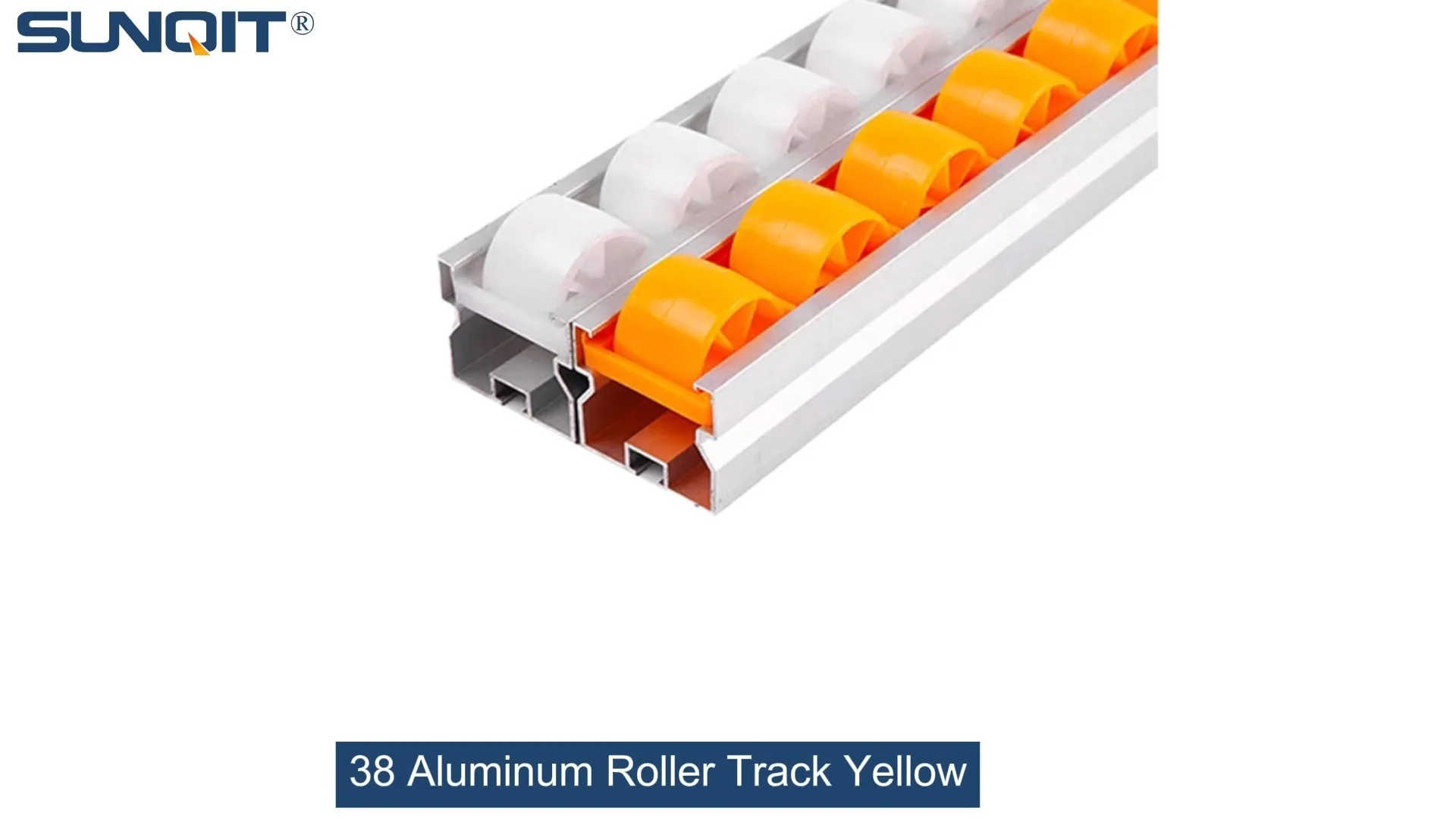
38 Aluminum Roller Track Yellow
Durable and smooth-running modular roller rails. The system is fully assembled. The roller rail profile contains plastic rollers mounted on steel axles. Aluminum frame with plastic wheel make it anti corrosion,and material convey more smooth.
Introduction: The Backbone of Efficient Material Handling
In today's competitive manufacturing landscape, every second saved and every error prevented translates to tangible business success. Lean production principles have revolutionized how factories operate, focusing on eliminating waste and optimizing workflows. At the heart of this transformation is effective material handling—moving parts and products from one point to another without unnecessary delays or damage. Roller tracks are a cornerstone of this system, and among them, the 38 Aluminum Roller Track Yellow with Wheel Flange stands out as a versatile, reliable solution that addresses key challenges in modern production lines.
This article will explore the design, function, and applications of this specific roller track, highlighting how its wheel flanges enhance performance and support lean manufacturing goals. We'll dive into real-world use cases, maintenance tips, and why it's become an essential component for industries ranging from 3C assembly to medical equipment production.
What Is the 38 Aluminum Roller Track Yellow with Wheel Flange?
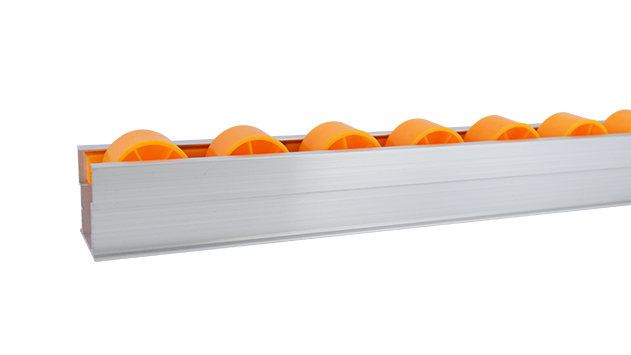
The 38 Aluminum Roller Track Yellow is a precision-engineered material handling component designed for smooth, controlled movement of goods. The "38" refers to its 38mm width, making it ideal for medium-sized items like boxes, components, and small assemblies. Crafted from high-quality aluminum, it balances lightweight portability with robust durability. The bright yellow color isn't just aesthetic—it serves as a visual cue to guide workers and highlight material flow paths, reducing accidents and improving efficiency.
The defining feature of this track is its wheel flanges—small ridges on either side of the roller wheels. These flanges are not an afterthought; they're integral to the track's functionality, solving common issues that plague standard roller tracks without flanges. This track is also compatible with various aluminum profile accessories, making it easy to integrate into existing lean systems.
| Key Specification | Details |
|---|---|
| Material | High-grade aluminum alloy (6063-T5) |
| Track Width | 38mm |
| Wheel Diameter | 25mm (standard) |
| Flange Height | 5mm |
| Color | Yellow (RAL 1023) |
| Weight Capacity | 15kg per linear meter (uniform load) |
| Compatibility | Aluminum profiles, flow racks, conveyors |
The Critical Role of Wheel Flanges
Wheel flanges might seem like minor additions, but their impact on material handling efficiency is profound. Let's break down their core functions:
- Precision Alignment: Flanges ensure items move in a straight line, even when the track is tilted or curved. This eliminates lateral drift, a common cause of jams in conveyor systems and flow racks.
- Enhanced Stability: For irregularly shaped or top-heavy items, flanges prevent tipping. This is especially crucial in automated lines where even a small misalignment can halt production.
- Damage Prevention: By containing items within the track, flanges reduce the risk of products falling off and getting damaged. This directly cuts down on waste, a key objective of lean manufacturing.
- Consistent Flow: In high-volume production, consistent material flow is essential. Flanges maintain a steady pace, ensuring parts arrive at assembly stations exactly when needed, minimizing idle time.
Without flanges, a roller track becomes a source of inefficiency. Imagine a 3C assembly line where small circuit boards slide off the track—each incident requires time to retrieve and inspect the part, delaying the entire process. The wheel flanges eliminate this risk, turning a potential bottleneck into a smooth, reliable flow.

Design Deep Dive: Why This Track Works
The 38 Aluminum Roller Track Yellow isn't just a track with flanges—it's a thoughtfully designed solution that addresses the unique needs of modern factories. Let's explore its key design elements:
Aluminum Construction
Aluminum was chosen for its exceptional properties: it's lightweight (making installation and reconfiguration easy), corrosion-resistant (ideal for clean environments like medical device factories), and recyclable (aligning with sustainability goals). Unlike steel tracks, aluminum doesn't rust, reducing maintenance costs and extending the track's lifespan.
Yellow Color Coding
Bright yellow is a universal color for caution and visibility. In busy factories, this color helps workers quickly identify material flow paths, avoiding collisions and ensuring they don't block critical routes. It also allows teams to color-code different workflows—for example, yellow tracks for raw materials, blue for work-in-progress, and green for finished goods.
High-Quality Wheels
The wheels are made from wear-resistant polyacetal (POM) plastic, which offers low friction and quiet operation. The flanges are molded directly into the wheels, ensuring a seamless transition that doesn't catch on items. This design reduces noise pollution in the factory, creating a more pleasant working environment.
Modular Compatibility
This track is designed to work with standard aluminum profiles and accessories, making it easy to integrate into existing lean systems. Whether you're building a new flow rack or upgrading an old conveyor, this track fits seamlessly, reducing the need for custom parts and saving time.

Applications Across Industries
The versatility of the 38 Aluminum Roller Track Yellow with Wheel Flange makes it suitable for a wide range of industries. Here are some key applications:
Flow Racks in Warehousing
Flow racks are essential for first-in, first-out (FIFO) inventory management. This track is perfect for these racks because it allows boxes to slide smoothly from the back to the front. The flanges keep items aligned, even when the rack is tilted at an optimal angle for gravity flow. In e-commerce warehouses, this means workers can pick orders faster, reducing fulfillment times.
Conveyor Systems for Production Lines
Conveyors are the arteries of production lines, moving parts between stations. This track is used in both manual and automated conveyors. In automotive assembly, for example, it transports small components like bolts and nuts to the assembly line, ensuring they arrive precisely where needed. The flanges prevent these small parts from falling off, reducing downtime and waste.
Assembly Stations for 3C Products
3C assembly (computers, communications, consumer electronics) requires precision and speed. This track is used in workstations to bring components directly to the worker's hands. The flanges keep delicate parts like smartphone screens aligned, allowing workers to focus on assembly rather than chasing down misaligned items. This boosts productivity and reduces the risk of damage to expensive components.
Medical Equipment Manufacturing
Medical device factories require clean, sterile environments. The aluminum track is easy to sanitize, and its corrosion resistance ensures it doesn't contaminate sensitive products. The flanges keep medical parts like syringes and catheters aligned during assembly, ensuring each device meets strict quality standards.
Supporting Lean Manufacturing Principles
Lean manufacturing is about more than just efficiency—it's about creating a system that adapts to change and continuously improves. This track aligns with all core lean principles:
Waste Reduction (Muda)
The wheel flanges eliminate waste from damaged parts and downtime caused by misaligned items. The aluminum construction is recyclable, reducing waste from discarded equipment.
Flexibility (Heijunka)
The lightweight, modular design allows factories to reconfigure the track quickly. If a production line needs to be adjusted for a new product, this track can be moved and reused, avoiding the cost of new equipment.
Continuous Improvement (Kaizen)
This track supports small, incremental improvements. Teams can test different track layouts, adjust angles, or add accessories to optimize flow—all without major overhauls. This encourages a culture of continuous improvement, a key driver of long-term success.
Value Stream Mapping
The bright yellow color makes it easy to map material flow, identifying bottlenecks and optimizing routes. This helps teams visualize the value stream, eliminating non-value-added steps and improving overall efficiency.
Comparing to Other Roller Tracks
To understand the value of this track, let's compare it to other common options:
| Track Type | Advantages | Disadvantages |
|---|---|---|
| 38 Aluminum Track with Flange | Lightweight, corrosion-resistant, stable, visible, recyclable | Slightly higher upfront cost than plastic tracks |
| Steel Track without Flange | Heavy-duty, high weight capacity | Heavy, prone to rust, items may drift off track |
| Plastic Track | Low cost, lightweight | Less durable, not suitable for heavy items, prone to wear |
| Stainless Steel Track | Corrosion-resistant, durable | Expensive, heavy, difficult to reconfigure |
As the table shows, the 38 Aluminum Track with Flange strikes the perfect balance between cost, durability, and functionality. It's the ideal choice for most lean manufacturing environments, offering the flexibility to adapt to changing needs while maintaining high performance.
Real-World Success Stories
Let's look at how this track has transformed operations for two different companies:
Case Study 1: 3C Assembly Line
A leading smartphone manufacturer was struggling with frequent delays in their assembly line due to small components falling off roller tracks. They replaced their standard tracks with the 38 Aluminum Roller Track Yellow with Wheel Flanges. The result? A 25% reduction in downtime, a 15% increase in productivity, and a 10% drop in damaged components. The yellow color also helped new workers learn the line faster, reducing training time.
Case Study 2: Medical Device Warehouse
A medical device company needed a track system for their cleanroom warehouse that was easy to sanitize and could handle delicate products. They chose this aluminum track because of its corrosion resistance and wheel flanges. The track allowed them to implement FIFO inventory management, reducing waste from expired products and improving order fulfillment accuracy by 20%. The flanges ensured that sensitive medical parts were never damaged during transport.
Maintenance Tips for Longevity
To maximize the lifespan of your track and keep it running smoothly, follow these simple maintenance steps:
- Regular Cleaning: Wipe down the track and wheels weekly to remove dust and debris. Use a mild detergent for cleanroom environments.
- Lubrication: Apply a small amount of silicone lubricant to the wheel bearings every three months. Avoid oil-based lubricants, as they attract dust.
- Inspection: Check the flanges and wheels monthly for signs of wear. replace any cracked or worn parts immediately to prevent issues.
- Proper Loading: Never exceed the track's weight capacity. Overloading can bend the aluminum frame or damage the wheels.
- Reconfiguration Care: When moving the track, handle it gently to avoid bending the aluminum. Use proper tools to disconnect it from aluminum profiles.
By following these steps, you can extend the life of your track to 5-7 years, making it a cost-effective investment for your factory.
Conclusion: A Small Component with a Big Impact
The 38 Aluminum Roller Track Yellow with Wheel Flange is more than just a piece of equipment—it's a catalyst for lean manufacturing success. Its wheel flanges solve common material handling problems, its aluminum construction supports sustainability, and its modular design adapts to changing needs. Whether you're building a new production line or optimizing an existing one, this track delivers the performance, reliability, and flexibility you need to stay competitive.
In a world where every detail matters, this track proves that even small design choices can have a profound impact on efficiency, productivity, and bottom-line results. It's not just a track—it's a key part of the lean manufacturing ecosystem, helping factories around the world eliminate waste, improve quality, and deliver value to their customers.