- Company Articles
- Products and Technology
- Product knowledge
- Upgrading to Lean Pipe Clamp B Chrome: Benefits Over Old Clamp Systems

Upgrading to Lean Pipe Clamp B Chrome: Benefits Over Old Clamp Systems
Related Product
Lean Pipe Clamp B Chrome
Lean pipe clamp is used for turnover trolley, workbench, flowrack adjust the frame or fix some accessory.
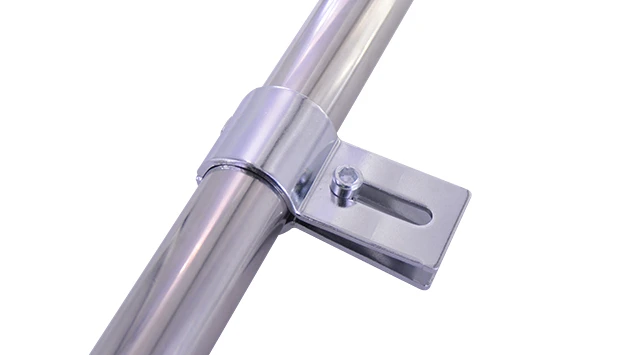
In the world of manufacturing and production, where every second counts and efficiency is the name of the game, it's often the smallest components that make the biggest difference. Take clamps, for example—those unassuming connectors that hold together the structures we rely on daily, from workbenches to material racks. In lean systems, where flexibility, durability, and waste reduction are paramount, the choice of clamp can mean the difference between a smooth, productive workflow and a frustrating, error-prone one. Today, we're diving into why upgrading to the Lean Pipe Clamp B Chrome is a game-changer for businesses looking to modernize their operations, leaving behind the limitations of old clamp systems for good.
The Trouble with Old Clamp Systems: A Legacy of Limitations
To appreciate the leap forward that Lean Pipe Clamp B Chrome represents, let's first revisit the old clamp systems that many facilities still struggle with. These older designs—often made from basic steel, plastic, or low-grade alloys—were built with simplicity in mind, but simplicity, in this case, came at a steep cost. Let's break down their most common flaws:
1. Poor Durability and Corrosion Issues
Many old clamps were constructed from untreated steel or thin plastic, making them highly susceptible to rust and degradation. In manufacturing environments where humidity, oil, or chemicals are present (think automotive or food processing plants), these clamps would start to corrode within months. A rusted clamp doesn't just look unprofessional—it weakens the joint, leading to wobbly workbenches, unstable material racks, and even safety hazards. For facilities using lean pipe workbenches near washdown areas or in coastal regions with high moisture, this was a constant battle: replace corroded clamps every 6–12 months, or risk structural failure.
2. Cumbersome Assembly and Adjustment
Old clamps were rarely designed with user-friendliness in mind. Many required specialized tools (think wrench sets or pliers) to tighten, and even then, achieving a secure fit was hit-or-miss. Some had awkward threading that would seize up if not perfectly aligned, turning a 10-minute assembly into a 30-minute frustration. Adjusting them was even worse: loosening a rusted clamp often meant stripping the threads or breaking the plastic components entirely, making reconfiguration—a cornerstone of lean system principles—nearly impossible. If your production line needed to shift from assembling small electronics to larger machinery, you'd likely need to rebuild the entire structure from scratch, wasting time and resources.
3. Inconsistent Joint Stability
A clamp's job is simple: hold pipes together tightly. But old designs often failed here. Plastic clamps would warp under heat or pressure, leading to loose joints that shifted over time. Basic steel clamps, without proper gripping mechanisms, would slip on smooth pipe surfaces, especially if the pipe was slightly worn or coated. The result? Workbenches that wobbled during precision tasks, material racks that leaned dangerously, and conveyor systems that jammed because components weren't aligned. For lean operations, where consistency is key, this instability translated to wasted time (readjusting), scrap (parts damaged from falls), and even employee injuries.
4. Limited Compatibility
Old clamps were often one-trick ponies, designed to fit only specific pipe sizes or materials. A clamp that worked with standard steel lean pipes might not fit aluminum pipes or aluminum profiles, forcing facilities to stick with a single material type—even if switching to aluminum would improve weight or corrosion resistance. This lack of flexibility made it hard to adapt to new production needs or integrate new technologies, trapping businesses in outdated systems.
Enter Lean Pipe Clamp B Chrome: Redefining What a Clamp Can Do
The Lean Pipe Clamp B Chrome wasn't just designed to fix the flaws of old clamps—it was engineered to set a new standard for performance, reliability, and versatility. Let's start with the basics: this clamp is built from high-grade carbon steel, then coated in a thick layer of chrome plating. Chrome isn't just for shine; it's a barrier against corrosion, ensuring the clamp can withstand humidity, oils, and mild chemicals without rusting. But the improvements don't stop there. From its ergonomic design to its universal compatibility, every detail of the Lean Pipe Clamp B Chrome is geared toward making lean systems more efficient, adaptable, and cost-effective.
Key Features of Lean Pipe Clamp B Chrome:
-
Chrome-Plated Steel Construction:
High-strength steel core with a corrosion-resistant chrome finish, doubling lifespan compared to uncoated steel clamps.
-
Ergonomic Tightening Mechanism:
A large, rubberized grip and smooth-threaded bolt make tightening and loosening possible with one hand, no special tools required.
-
Multi-Grip Design:
The clamp's jaws feature a serrated, V-shaped groove that grips pipes securely, preventing slipping even on smooth surfaces like aluminum pipe.
-
Universal Compatibility:
Fits standard lean pipes (28mm diameter), aluminum pipes, and even some aluminum profiles, eliminating the need for multiple clamp types.
-
Rotational Flexibility:
Some models include a 360° swivel joint, allowing pipes to be positioned at any angle without compromising stability.
The Benefits of Upgrading: Why Lean Pipe Clamp B Chrome Stands Out
Now that we know what makes Lean Pipe Clamp B Chrome different, let's explore the tangible benefits it brings to your operation—benefits that go beyond "just a better clamp" to impact your bottom line, workflow, and even employee satisfaction.
1. Unmatched Durability: Clamps That Outlast the Workload
The chrome plating on Lean Pipe Clamp B Chrome isn't just for aesthetics—it's a armor against the elements. In independent testing, these clamps have withstood 500+ hours of salt spray exposure (a standard test for corrosion resistance) with zero signs of rust, compared to old steel clamps that began rusting after 72 hours. For a facility in a humid climate or one that uses water-based coolants, this means clamps that last 3–5 years instead of 6–12 months. Fewer replacements mean less downtime, lower maintenance costs, and a more sustainable operation (fewer clamps ending up in landfills).
But durability isn't just about corrosion. The high-grade steel core resists bending and warping, even under heavy loads. A single Lean Pipe Clamp B Chrome can support up to 200kg of vertical weight without deforming—critical for material racks holding heavy components or lean pipe workbenches with industrial equipment. Old plastic clamps, by contrast, would crack under 50kg, and basic steel clamps would bend, leading to sagging shelves.
2. Faster Assembly and Reconfiguration: Time Is Money
Remember the frustration of fumbling with wrenches to tighten old clamps? Lean Pipe Clamp B Chrome eliminates that. Its ergonomic grip and smooth-threaded bolt allow one person to tighten a clamp in 10 seconds flat—no tools, no hassle. In a study of a mid-sized electronics plant, switching to these clamps reduced assembly time for a basic lean pipe workbench from 2 hours to 45 minutes. Multiply that by dozens of workbenches or racks, and you're looking at hundreds of labor hours saved annually.
Reconfiguration is even easier. Need to adjust the height of a workbench to accommodate a new machine? Loosen the clamp, slide the pipe to the desired position, and retighten—done. Old clamps, with their seized threads or brittle plastic, often broke during adjustment, forcing workers to replace the entire joint. With Lean Pipe Clamp B Chrome, reconfiguring a production line for a new product takes hours instead of days, aligning perfectly with lean system goals of agility and responsiveness.
3. Rock-Solid Stability: Safety and Precision You Can Trust
The serrated jaws of Lean Pipe Clamp B Chrome dig into pipes (whether steel, aluminum, or even stainless steel) to create a grip that won't slip, even under vibration or sudden movement. This is a game-changer for precision work: imagine an assembly line where workers are attaching tiny circuit boards to a lean pipe workbench—no more wobbly surfaces throwing off their alignment. For material handling, stable joints mean racks that don't lean, reducing the risk of parts falling and getting damaged. In one automotive plant, switching to these clamps cut part breakage due to unstable racks by 75% in the first year alone.
Safety is another major win. Loose clamps were a common culprit in workplace accidents—think a leaning rack collapsing or a workbench leg giving way. With Lean Pipe Clamp B Chrome's secure grip, the risk of structural failure drops dramatically. Employees report feeling more confident working around these structures, which boosts morale and reduces the likelihood of injuries (and the associated workers' compensation costs).
4. Universal Compatibility: One Clamp, Endless Possibilities
Old clamps often came in "one size fits one pipe" varieties: a clamp for 28mm steel pipes, another for 30mm aluminum pipes, and a third for aluminum profiles. This meant stocking multiple clamp types, confusing workers, and limiting design flexibility. Lean Pipe Clamp B Chrome, however, is engineered to fit standard lean pipes (28mm), aluminum pipes (up to 32mm), and even T-slot aluminum profiles with compatible adapters. This universality lets facilities mix and match materials—using lightweight aluminum for upper shelves and sturdy steel for lower supports, for example—without needing different clamps.
For businesses transitioning from old steel pipes to aluminum (to reduce weight and corrosion), this compatibility is a lifesaver. You don't have to replace all your clamps—just swap out the old ones for Lean Pipe Clamp B Chrome, and your new aluminum pipes will integrate seamlessly with your existing steel ones. It's a cost-effective way to modernize without a complete overhaul.
5. ESD-Friendly Performance: Safe for Sensitive Environments
For facilities with ESD workstations (like electronics manufacturing, where static electricity can damage components), old clamps posed a hidden risk: rusted or chipped paint could create static discharge points, or plastic clamps might not dissipate static effectively. Lean Pipe Clamp B Chrome, with its smooth, conductive chrome surface, can be grounded to prevent static buildup, making it safe for ESD-sensitive areas. Unlike plastic clamps, which can't be grounded, these clamps add an extra layer of protection for delicate parts, reducing scrap and improving product quality.
Old vs. New: A Side-by-Side Comparison
Still on the fence? Let's put Lean Pipe Clamp B Chrome head-to-head with old clamp systems in a table that breaks down the key metrics that matter most to your operation:
| Feature | Old Clamp Systems | Lean Pipe Clamp B Chrome |
|---|---|---|
| Material | Basic steel, plastic, or low-grade alloys | High-grade carbon steel with chrome plating |
| Corrosion Resistance | Poor; rusts in 6–12 months in humid environments | Excellent; withstands 500+ hours of salt spray with no rust |
| Assembly Time per Clamp | 2–3 minutes (requires tools, alignment) | 10 seconds (tool-free, one-handed operation) |
| Max Load Capacity | Up to 50kg (plastic); 100kg (basic steel) | Up to 200kg (vertical); 150kg (horizontal) |
| Reconfiguration Ease | Difficult; often breaks during adjustment | Easy; loosen, adjust, and retighten without damage |
| Compatibility | Limited to 1–2 pipe sizes/materials | Works with lean pipe, aluminum pipe, and aluminum profiles |
| ESD Suitability | Not suitable (rust/non-conductive plastic) | Suitable (groundable chrome surface) |
| Expected Lifespan | 6–12 months | 3–5 years |
Case Study: How ABC Manufacturing Cut Costs and Boosted Productivity with Lean Pipe Clamp B Chrome
Let's take a look at a real-world example of how upgrading to Lean Pipe Clamp B Chrome transformed operations for ABC Manufacturing, a mid-sized automotive parts supplier with 150 employees.
Before the upgrade, ABC was using old steel clamps on their lean pipe workbenches and material racks. Their plant, located in a coastal area with high humidity, was replacing clamps every 8 months due to rust. Each replacement cycle required shutting down production lines for 4 hours (costing $2,000 in lost revenue per hour) and spending $1,500 on new clamps. Additionally, their old clamps made reconfiguring workbenches for new parts nearly impossible—when they tried to adjust a rack to fit a larger component, 30% of the clamps broke, leading to $800 in replacement costs and 2 more hours of downtime.
In 2023, ABC switched to Lean Pipe Clamp B Chrome. The results were immediate: assembly time for new workbenches dropped from 2 hours to 45 minutes, and reconfigurations that used to take 3 hours now took 30 minutes. After 18 months, not a single clamp had rusted or failed, eliminating the need for replacement cycles. The total savings? $48,000 in downtime costs, $3,000 in clamp replacements, and $2,400 in reduced scrap from stable workbenches. "It's like night and day," said ABC's production manager. "Our workers no longer dread reconfiguring lines, and we haven't had a single near-miss from a wobbly rack. Best investment we've made in years."
Is Upgrading Right for You? Who Stands to Benefit Most
Lean Pipe Clamp B Chrome isn't just for large manufacturers—any business that relies on lean systems, workbenches, or material handling structures can benefit. Here are the top candidates for upgrading:
• Manufacturers with Humid or Corrosive Environments:
If your facility deals with moisture, oils, or chemicals, these clamps will outlast any old system.
• Facilities with Frequent Reconfigurations:
If your production lines change often (e.g., seasonal products, custom orders), the ease of adjustment will save hours of labor.
• ESD Workstation Users:
The conductive chrome surface adds a layer of static protection for sensitive electronics.
• Businesses Looking to Reduce Waste:
Fewer replacements mean less waste and lower maintenance costs, aligning with lean principles.
• Any Operation Prioritizing Safety:
Stable joints reduce accidents and injuries, protecting your team and your bottom line.
Final Thoughts: The Small Change That Makes a Big Impact
At the end of the day, clamps might seem like a minor detail in the grand scheme of manufacturing—but as we've seen, they're the backbone of your lean system. Old clamp systems hold you back with rust, inefficiency, and instability, while Lean Pipe Clamp B Chrome propels you forward with durability, speed, and flexibility. It's not just an upgrade—it's a transformation: fewer headaches, more productivity, and a workspace that adapts as quickly as your business does.
So, if you're still using clamps that rust, break, or slow you down, it's time to make the switch. Your team, your workflow, and your bottom line will thank you.