- Company Articles
- Products and Technology
- Product knowledge
- Upgrading Your System with External Straight Aluminum Joints: Benefits Analysis

Upgrading Your System with External Straight Aluminum Joints: Benefits Analysis
Related Product
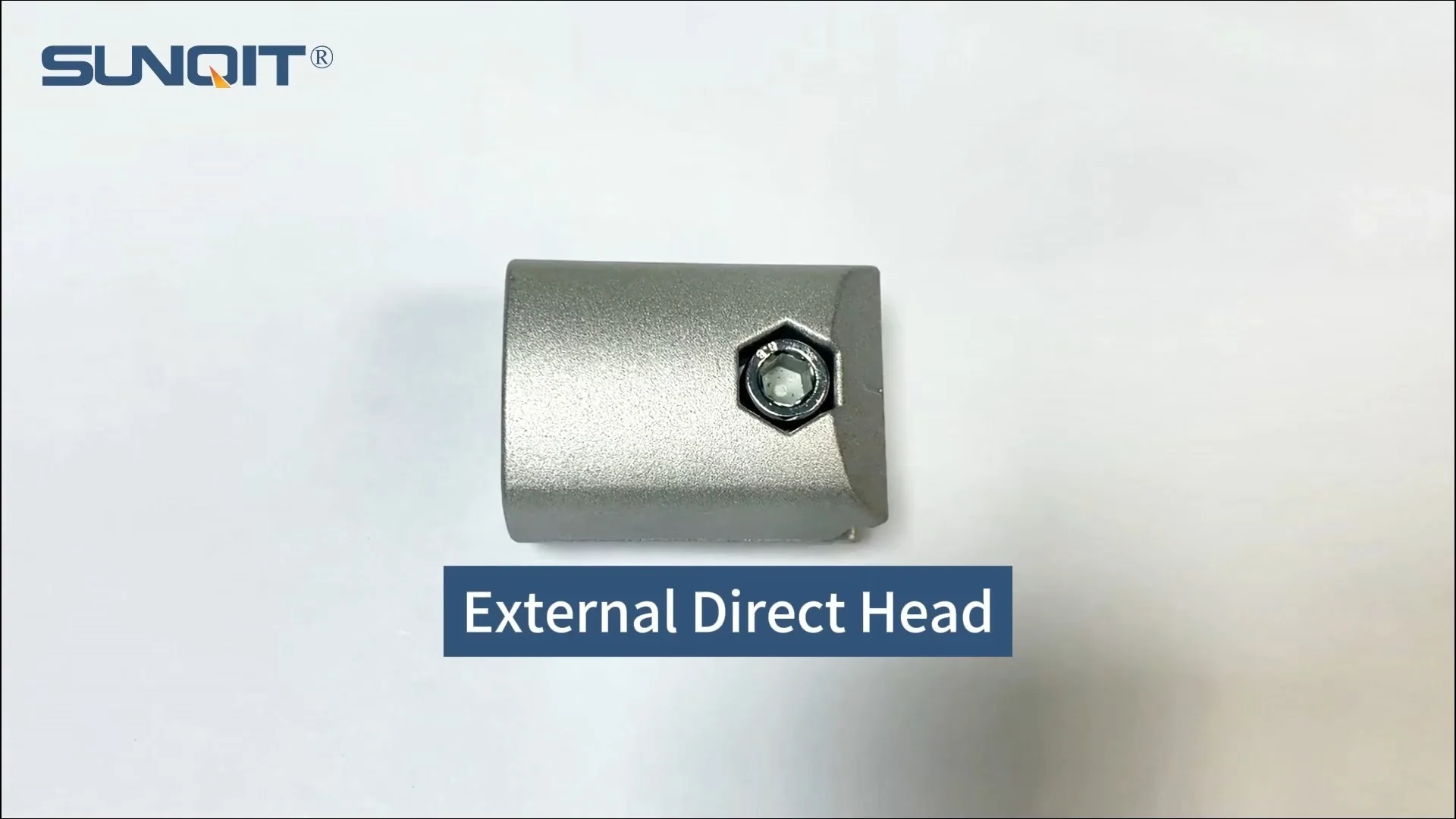
External Straight Aluminum Joint
Aluminum pipe joint outside connection used for two pcs 28pcs aluminum pipe connection in straight angle,it connects two pcs pipe from outside.
In the fast-paced world of manufacturing, warehousing, and facility management, the difference between a smooth, efficient operation and one plagued by delays often comes down to the tools and components you rely on. Every nut, bolt, and joint in your workspace plays a role in how quickly you can adapt to new demands, how safely your team works, and how much time and money you sink into maintenance. Today, we're zeroing in on a component that's quietly revolutionizing system design: external straight aluminum joints . These unassuming connectors might not grab headlines, but they're the unsung heroes behind flexible, durable, and cost-effective workspaces. Let's dive into why upgrading to these joints could be the game-changer your operation needs.
What Are External Straight Aluminum Joints, Anyway?
Before we jump into the benefits, let's make sure we're all on the same page. External straight aluminum joints are specialized connectors designed to link aluminum pipes—like aluminum lean pipe —into rigid, stable structures. Think of them as the "glue" that holds your workbenches, conveyors, and material racks together, but with a twist: they're built for flexibility, speed, and long-term reliability.
Crafted from high-grade aluminum alloy, these joints are engineered to slide over the ends of aluminum pipes and secure with screws or bolts, creating a tight, wobble-free connection. Unlike clunky steel connectors or one-time-use plastic fittings, they're lightweight, corrosion-resistant, and reusable. Whether you're building a simple workbench or a complex conveyor system, these joints adapt to your needs without sacrificing strength.
Quick Fact: Aluminum's natural resistance to rust and corrosion makes these joints ideal for environments where moisture, chemicals, or temperature fluctuations are common—think food processing plants, electronics manufacturing facilities, or busy warehouses.
The Top Benefits of Upgrading to External Straight Aluminum Joints
Now, let's get to the good stuff: why should you swap out your old connectors for these aluminum powerhouses? We've broken it down into five key advantages that directly impact your bottom line and team productivity.
1. Unbeatable Durability Without the Weight
Traditional steel joints are tough, but they come with a trade-off: weight. Hauling heavy steel connectors around the shop floor isn't just tiring for your team—it also limits how easily you can reconfigure structures when needs change. External straight aluminum joints solve this by offering 90% of the strength of steel at half the weight . That means your workbenches, conveyor frames, and material racks are sturdy enough to handle daily use (we're talking loads up to 200kg per joint, depending on the model) but light enough for two people to disassemble and rearrange in minutes.
Aluminum also wins the longevity game. Unlike steel, it doesn't rust, so even in humid warehouses or facilities that require regular cleaning, these joints won't degrade over time. We've heard from clients who replaced steel joints with aluminum ones and saw their maintenance costs drop by 30% in the first year—no more replacing corroded connectors or dealing with seized bolts.
2. Flexibility to Adapt (Because Change Is Inevitable)
If there's one thing we've learned from working with manufacturers and warehouse managers, it's that static systems fail . Product lines change, order volumes spike, and new safety regulations crop up—your workspace needs to keep up. External straight aluminum joints are built for this reality.
Unlike welded steel structures or glued plastic joints, these aluminum connectors are tool-free (or minimal-tool) to assemble and disassemble . A simple hex key is often all you need to loosen a bolt, adjust a pipe length, or repurpose a workbench into a turnover trolley. For example, a electronics manufacturer we worked with recently needed to shift from assembling smartphones to tablets overnight. Using aluminum lean pipe and external straight joints, their team disassembled three workbenches and rebuilt them as longer, lower tables in under two hours—something that would have taken a full day with traditional steel frames.
3. Seamless Compatibility with Your Existing (and Future) Tools
No one wants to replace their entire setup just to upgrade one component. The beauty of external straight aluminum joints is how well they play with others—specifically, aluminum profile accessories and existing aluminum lean pipe systems. Whether you're using basic aluminum tubes, T-slot aluminum pipes, or specialized profiles, these joints are designed to fit standard pipe diameters (often 28mm or 30mm) with precision.
This compatibility extends to accessories, too. Need to add a roller track to your conveyor? Screw a roller track connector into the joint. Want to mount a shelf on your workbench? Slide an aluminum profile bracket into the T-slot of the joint. It's like building with modular blocks—your system grows and changes without needing a complete overhaul.
4. Cost Savings That Add Up (Way Up)
At first glance, aluminum joints might cost a bit more than basic plastic or steel ones. But let's do the math: plastic joints crack under heavy loads, requiring replacement every 6–12 months. Steel joints rust, seize, or bend, leading to downtime and repair costs. Aluminum joints? They last 5–7 years with minimal maintenance. Factor in lower shipping costs (thanks to their light weight), faster installation times (no welding or specialized tools), and reduced labor for reconfigurations, and you're looking at total cost savings of 40–50% over five years compared to traditional options.
5. Safety First (No Sharp Edges, No Slipping)
A safe workspace is a productive workspace, and external straight aluminum joints check all the boxes here. Their smooth, rounded edges eliminate the sharp corners common in steel joints, reducing the risk of cuts or scrapes during assembly. Many models also feature rubberized gaskets or anti-slip coatings that keep pipes from twisting or sliding once connected—critical for stability when moving heavy materials on conveyors or workbenches.
For facilities handling sensitive electronics (like circuit boards or semiconductors), some aluminum joints even come with ESD (electrostatic discharge) coatings , preventing static buildup that could damage components. It's a small detail, but it's the kind of thoughtfulness that prevents costly mistakes.

Real-World Applications: Where These Joints Shine Brightest
Theory is great, but how do these joints perform in the real world? Let's look at three common scenarios where external straight aluminum joints transform operations—using keywords you'll recognize from your own workflow.
Workbench Setups: Customizable, Sturdy, and Mobile
Your workbench is the heart of your operation, so it needs to be as flexible as your team. External straight aluminum joints make building a custom workbench a breeze. Start with aluminum lean pipe for the frame, connect with external straight joints, and add accessories like tool hooks, shelves, or ESD mats. Need to lower the height for a new operator? Loosen the joints, adjust the pipes, and retighten—done. Want to add casters for mobility? Just swap out the fixed feet for caster wheels (many joints have pre-drilled holes for easy upgrades). We've seen shops build everything from single-deck workbenches (like the "Workbench E" model) to multi-level stations with integrated conveyor tracks—all with the same set of joints.
Conveyor Systems: Smooth Material Flow, Minimal Maintenance
Conveyors are the arteries of your facility, moving parts from assembly to packaging to shipping. But traditional steel conveyor frames are prone to rust, especially in food or beverage plants, and their rigid design makes repairs a nightmare. Enter external straight aluminum joints: they pair perfectly with roller tracks and aluminum guide rails to create lightweight, corrosion-resistant conveyor systems. The joints' precision fit ensures roller tracks stay aligned, reducing jams and downtime. Plus, if a section gets damaged, you can replace just the affected joint and pipe—no need to tear out the entire line.
Lean System Integration: Waste Reduction at Its Best
Lean manufacturing is all about eliminating waste—whether it's time, materials, or space. External straight aluminum joints are lean-friendly by design. Their modularity means you only build what you need, avoiding over-construction. Their quick assembly cuts down on setup time (no waiting for welders). And their reusability ensures you're not throwing away perfectly good components when processes change. When paired with lean system principles, these joints help create workspaces that adapt to demand, reduce excess inventory, and keep your team focused on value-adding tasks.

How Do They Stack Up Against Traditional Joints? Let's Compare
Still on the fence? Let's put external straight aluminum joints head-to-head with two common alternatives: traditional steel lean pipe joints and plastic snap-fit connectors. The results might surprise you.
| Feature | External Straight Aluminum Joints | Steel Lean Pipe Joints | Plastic Snap-Fit Connectors |
|---|---|---|---|
| Weight (per joint) | 150–200g | 400–500g | 80–100g |
| Max Load Capacity | 150–200kg | 200–250kg | 30–50kg |
| Installation Time | 2–3 minutes (hex key only) | 10–15 minutes (requires wrench + possible welding) | 1 minute (snap-on), but prone to loosening |
| Reusability | Yes (5–7 year lifespan) | Limited (rust/seizure reduces reuse) | No (cracks after 1–2 reconfigurations) |
| Corrosion Resistance | Excellent (no rust) | Poor (rusts in humid environments) | Good, but degrades in UV light |
| Compatibility with Aluminum Lean Pipe | Perfect (designed for aluminum profiles) | Requires adapters | Limited (only fits specific pipe diameters) |

Choosing the Right External Straight Aluminum Joints for Your System
Not all aluminum joints are created equal. To get the most out of your upgrade, keep these tips in mind:
- Check the load rating: If you're building a heavy-duty material rack (like "Material Rack B" with 3 rows and 3 floors), opt for joints rated for 200kg+. For lighter workbenches, 150kg is usually enough.
- Match pipe diameter: Most aluminum lean pipes are 28mm or 30mm—make sure the joint's inner diameter matches your pipes to avoid wobbling.
- Think about accessories: Need to connect roller tracks? Look for joints with pre-drilled holes for roller track placon mounts. Adding casters? Choose joints with a flat base for stable caster installation.
- Environment matters: For wet or chemical-heavy areas, pick joints with anodized finishes (extra corrosion protection). For ESD-sensitive work, go for joints with conductive coatings.
Case Study: How One Manufacturer Cut Downtime by 35% with Aluminum Joints
Let's wrap this up with a real-world example (names changed for privacy). A mid-sized automotive parts manufacturer was struggling with their old steel workbenches and conveyor systems. Their biggest pain points?:
- Steel joints rusted in their humid facility, leading to wobbly workbenches and frequent repairs.
- Reconfiguring lines for new parts took 8+ hours (welding required), causing production delays.
- Heavy steel frames made it hard to move workstations, limiting floor space optimization.
They decided to upgrade to aluminum lean pipe and external straight aluminum joints. The results?:
- 35% less downtime: Reconfiguring a line now takes 2 hours instead of 8, thanks to tool-free joint assembly.
- Zero rust-related repairs: After 2 years, the aluminum joints still look brand-new.
- 20% more floor space: Lightweight structures are easier to rearrange, freeing up space for new equipment.
- Happier team: Less time wrestling with heavy steel = less fatigue and more focus on quality.
Final Thoughts: It's Time to Upgrade
External straight aluminum joints might not be the flashiest part of your operation, but they're the kind of upgrade that ripples through your entire workflow—making your team more efficient, your systems more adaptable, and your budget happier. Whether you're building a new lean system , revamping your conveyor lines, or just need sturdier workbenches , these joints deliver on durability, flexibility, and cost savings in ways traditional connectors can't match.
So, what are you waiting for? Take a look at your current setup. Are your joints holding you back? If the answer is yes, it's time to make the switch. Your future self (and your bottom line) will thank you.