- Company Articles
- Products and Technology
- Product knowledge
- Using 3030 Aluminum Profile End Caps in High-Temp Industrial Environments

Using 3030 Aluminum Profile End Caps in High-Temp Industrial Environments
Related Product
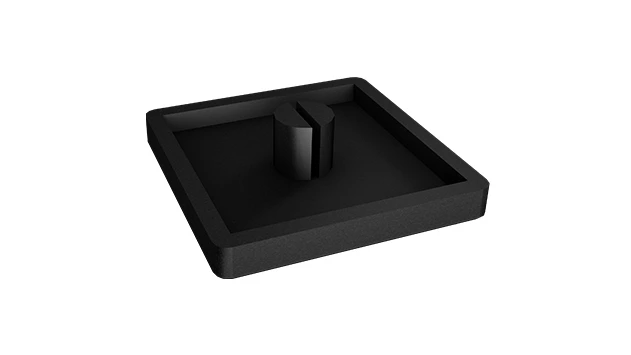
3030 Aluminum Profile End Cap
The aluminum profile end cap adds a finishing touch to your project and closes off profile ends to limit dust and debris buildup, also it can avaid some scratch for material and labor during the assemble work.
Walk into any high-temperature industrial facility—whether it's an automotive assembly plant running ovens at 180°C, a food processing warehouse with steam-cleaning protocols, or an aerospace manufacturing floor where metal parts bake in curing chambers—and you'll notice a silent workhorse holding everything together: aluminum extrusion profiles. These lightweight, durable structures form the backbone of workbenches, material racks, conveyor systems, and lean system setups. But even the sturdiest aluminum profile is only as reliable as its smallest components. Today, we're zeroing in on one such unsung hero: the 3030 aluminum profile end cap. In environments where heat, friction, and constant use put equipment to the test, this tiny accessory plays a huge role in keeping operations smooth, safe, and cost-effective.
The Hidden Cost of Overlooking End Caps in High-Temp Settings
Let's start with a scenario many plant managers know all too well. Picture a mid-sized automotive parts factory in the Midwest. Their production line relies on a series of aluminum extrusion profile workbenches and material racks, all built with standard 3030 aluminum profiles. For months, the team noticed a recurring issue: profiles along the conveyor paths kept developing sharp, ragged edges. Workers would catch gloves or sleeves on them, leading to minor cuts and, worse, downtime as maintenance crews filed down the rough spots. The root cause? They'd skipped using end caps to save a few dollars per profile. In high temps, the aluminum expanded slightly, and without end caps to seal the open ends, debris, grease, and even small metal shavings worked their way inside. Over time, this buildup caused internal stress, leading to cracks and edge damage. By the time they realized the problem, replacing damaged profiles and addressing worker injuries had cost far more than investing in quality end caps upfront.
This story isn't unique. In high-temperature environments, the stakes are higher. Heat accelerates wear and tear, and unprotected aluminum profile ends become vulnerable to:
- Debris intrusion: Dust, oil, and metal particles seep into open profile ends, acting like sandpaper on internal structures when the metal expands and contracts with temperature changes.
- Corrosion: Moisture from steam or cleaning processes mixes with contaminants inside the profile, leading to hidden rust or oxidation—especially problematic if the profiles are part of a lean system where reliability is critical.
- Safety hazards: Sharp edges from worn or damaged ends pose risks to workers handling materials or maintaining equipment, increasing liability and reducing productivity.
The solution? Choosing the right end cap—specifically, a 3030 aluminum profile end cap designed to withstand high temperatures. But not all end caps are created equal, and understanding what makes this particular accessory stand out is key.
Why 3030 Aluminum Extrusion Profiles Are a Staple in High-Temp Industries
Before diving into end caps, let's ground ourselves in why 3030 aluminum extrusion profiles are so popular in these tough environments. Aluminum extrusion profiles are created by forcing heated aluminum through a die, resulting in consistent, customizable shapes—like the 3030 profile, which measures 30mm x 30mm. This size strikes a sweet spot: sturdy enough to support heavy loads (think toolboxes, conveyor belts, or stacked materials) but lightweight enough to keep lean system setups flexible and easy to reconfigure.
In high temps, aluminum's natural properties shine. It has a high melting point (660°C), far above the 100–250°C range typical in most industrial heat processes. It also conducts heat evenly, reducing warping, and resists corrosion—even when exposed to steam or chemicals. But here's the catch: aluminum extrusion profiles are hollow (by design, to save weight and allow for accessories like brackets or connectors). Those hollow ends? That's where the 3030 aluminum profile end cap comes in.
Think of the profile as a pipe: without a cap, it's an open tube. In high temps, that openness becomes a liability. The end cap seals the tube, turning it into a closed, protected structure. But to do this effectively in heat, the end cap itself must be engineered to handle the same conditions as the profile.

Inside the 3030 Aluminum Profile End Cap: What Makes It Heat-Resistant?
Not all end caps are made for high temps. Many standard options are crafted from basic nylon or low-grade plastic, which can soften, warp, or even melt when exposed to sustained heat above 80°C. The 3030 aluminum profile end cap, however, is typically made from one of two heat-tolerant materials: reinforced nylon (often glass-filled) or aluminum alloy. Let's break down why these materials work:
| Material Type | Max Continuous Temp Resistance | Key Benefit in High-Temp Settings | Best For |
|---|---|---|---|
| Standard Nylon End Cap | 60–80°C | Low cost, easy to install | Indoor, room-temp environments (e.g., office workstations) |
| Reinforced Nylon (3030 End Cap) | 120–150°C | Heat-resistant, lightweight, chemical-resistant | Food processing, automotive paint shops (moderate heat) |
| Aluminum Alloy (3030 End Cap) | 200–250°C+ | Matching thermal expansion to aluminum profiles, extreme durability | Aerospace curing, metal forging, high-heat manufacturing |
For most high-temp industrial environments, the reinforced nylon 3030 end cap hits the sweet spot. It's designed to flex slightly with the aluminum profile as temperatures rise, preventing cracking or loosening. The glass fibers in the nylon add rigidity, so it won't deform under heat, while the material itself resists oils, solvents, and steam—common in settings like engine manufacturing or industrial bakeries.
Aluminum alloy end caps, on the other hand, are the go-to for extreme heat. Take an aerospace plant curing carbon fiber parts at 220°C: here, even reinforced nylon might start to degrade over time. An aluminum end cap, made from the same alloy as the profile, expands and contracts at the same rate, ensuring a tight seal for years. It's pricier, but in environments where downtime costs $10,000+ per hour, the investment pays off.

Installing 3030 Aluminum Profile End Caps: Tips for High-Temp Success
Even the best end cap won't perform if installed incorrectly—especially in high temps. Let's walk through a typical installation process, with insights gleaned from maintenance teams who've learned the hard way.
Step 1: Prep the profile end. Before installing, clean the open end of the 3030 aluminum extrusion profile thoroughly. In high-temp settings, grease and carbon buildup can accumulate, creating a barrier between the end cap and the profile. Use a wire brush or compressed air to remove debris, then wipe with a solvent (like isopropyl alcohol) to dissolve oils. A clean surface ensures the end cap seats tightly, even as temperatures fluctuate.
Step 2: Choose the right fit. 3030 aluminum profile end caps come in two main styles: press-fit and screw-on. Press-fit caps are designed to snap into place, creating a friction seal. They're quick to install—ideal for lean system setups where reconfiguring workstations is common. Screw-on caps, which secure with small screws into pre-drilled holes, offer a more permanent seal, making them better for profiles in fixed, high-vibration areas (like near conveyor motors).
Pro tip: In high temps, avoid over-tightening screw-on caps. Aluminum expands more than steel, so screws that feel "just right" at room temp might loosen as the profile heats up, or worse, strip the threads if the cap can't flex. A gentle, snug fit is better than a forceful one.
Step 3: Account for thermal expansion. Here's where many teams go wrong. Aluminum profiles expand about 0.022mm per meter for every 1°C increase in temperature. In a 5-meter profile, that's 2.2mm of expansion when heated from 20°C to 120°C. If end caps are installed too tightly (or if adjacent profiles are rigidly fixed), this expansion can cause buckling or warping. Leave a tiny gap (1–2mm) between the end cap and any fixed structures, or use slotted mounting brackets to allow for movement.
Step 4: Test under load and heat. After installation, run a quick test. Subject the profile to typical operating temperatures (use a heat gun or oven for small setups) and apply light pressure—simulating the weight of materials or tools. Check for gaps, looseness, or deformation. If the end cap stays in place and the profile remains sealed, you're good to go.
Beyond Sealing: The Unexpected Benefits of 3030 End Caps in High-Temp Workflows
At first glance, end caps might seem like a "nice-to-have" accessory. But in high-temp industrial environments, they deliver benefits that ripple through operations—saving time, money, and headaches.
1. Reduced maintenance costs. A Midwest food processing plant switched to reinforced nylon 3030 end caps on their material racks (used to hold hot baking trays) and saw a 40% drop in profile replacement costs over two years. Why? The end caps prevented crumbs and grease from clogging the profiles, which had previously led to cracks and bending. Fewer replacements meant less downtime and lower material expenses.
2. Safer, more efficient workspaces. Sharp, damaged profile ends force workers to slow down—either to avoid injury or to report hazards. After installing aluminum alloy end caps on their lean system workbenches, an automotive parts manufacturer noted a 15% increase in assembly line speed. Workers no longer hesitated to reach across the bench or slide materials along the profile edges, knowing the smooth, sealed ends posed no risk.
3. Improved longevity of aluminum profile accessories. Many aluminum extrusion profiles are paired with accessories like brackets, casters, or roller tracks. When debris clogs the profile, these accessories can loosen or bind. By keeping the profile interior clean, end caps extend the life of these components, too. A logistics company in Texas reported that their roller track systems (used to move packages through a 160°C drying tunnel) lasted 3x longer after adding 3030 end caps to the supporting profiles.
4. Compliance with safety standards. OSHA and international safety bodies (like ISO) have strict guidelines for workplace hazards, including protruding edges and unguarded machinery parts. Using properly installed end caps helps facilities meet these standards, reducing the risk of fines or shutdowns. One aerospace supplier in California avoided a $25,000 penalty during an audit by demonstrating that all aluminum profiles in their high-temp curing area were fitted with 3030 end caps.
3030 End Caps vs. Other High-Temp Solutions: When to Stick with the Classic
It's worth asking: Are there alternatives to 3030 aluminum profile end caps for high-temp environments? Let's compare a few common options to see why the 3030 cap often comes out on top.
Option 1: Custom metal plugs. Some facilities weld or bolt metal plugs into profile ends. While metal is heat-resistant, welding can weaken the aluminum extrusion profile (aluminum loses strength when overheated), and bolts create stress points that crack under thermal expansion. Plus, custom plugs are expensive and time-consuming to replace—hardly ideal for lean system setups that prioritize flexibility.
Option 2: Heat-shrink tubing. A quick fix for some, heat-shrink tubing is cheap and easy to apply. But in temps above 120°C, most tubing starts to degrade, becoming brittle or peeling. It also offers no structural support, so heavy loads can tear it. One plant tried using heat-shrink on their material racks and found it needed replacement every 3 months—costing more in labor than the end caps would have.
Option 3: Generic plastic end caps. These are widely available at hardware stores, but they're rarely designed for high temps. A standard plastic cap might work in a 80°C environment, but at 120°C, it can melt, leaving the profile exposed. Worse, melted plastic can adhere to the aluminum, making cleanup a nightmare. 3030 aluminum profile end caps, by contrast, are engineered specifically for the dimensions and heat tolerance of 3030 profiles—no guesswork involved.
The bottom line: While alternatives exist, none offer the same combination of affordability, durability, and ease of use as a purpose-built 3030 aluminum profile end cap. For high-temp industrial settings, it's the most reliable choice.
Caring for 3030 Aluminum Profile End Caps: Simple Steps for Longevity
Even the toughest end caps need a little TLC to perform their best in high temps. Here's a maintenance routine that takes 10 minutes per month but can extend the life of your end caps (and profiles) by years.
Monthly inspection: Walk through your facility and check end caps for signs of wear. Look for cracks, warping, or looseness—especially on profiles near heat sources or high-traffic areas. In food processing plants, check for discoloration (a sign of chemical exposure) or buildup around the cap edges. Tighten loose press-fit caps by gently tapping them with a rubber mallet; replace any that won't stay in place.
Quarterly deep clean: Use a soft brush to remove dust and debris from around the end cap. For profiles in greasy environments (like automotive shops), wipe the cap with a degreaser and a microfiber cloth. Avoid abrasive cleaners, which can scratch the cap's surface and make it more prone to sticking or cracking.
Annual replacement (for critical areas): Even the best end caps wear out eventually. In high-heat, high-vibration zones (like near furnaces or conveyor drives), plan to replace end caps every 1–2 years. It's a small cost compared to the downtime of a failed profile.
Choosing the Right Supplier: What to Look for in 3030 Aluminum Profile End Caps
Not all 3030 aluminum profile end caps are created equal—and neither are suppliers. When sourcing end caps for high-temp environments, keep these factors in mind:
Material certification: Reputable suppliers will provide documentation on the end cap material, including heat resistance testing (e.g., "Reinforced nylon end cap tested to 150°C for 1000 hours with no deformation"). Avoid suppliers who can't share this data—you don't want to gamble with untested materials in a 200°C environment.
Fit precision: 3030 aluminum extrusion profiles can vary slightly in dimensions (due to manufacturing tolerances). A good supplier will offer end caps with a tight, consistent fit—usually within ±0.1mm of the profile's inner diameter. Ask for samples to test on your specific profiles before ordering in bulk.
Industry experience: Look for suppliers who specialize in aluminum profile accessories for industrial settings, not just general hardware. They'll understand the unique challenges of high temps and can offer advice on installation, maintenance, or custom solutions (like color-coded end caps for different heat zones).
Inventory and lead times: In lean system environments, downtime waits for no one. Choose a supplier with local inventory or short lead times to avoid delays when you need replacements. Some suppliers even offer "just-in-time" delivery for regular customers, ensuring you never run out.
The Bottom Line: Small Accessory, Big Impact
In the grand scheme of industrial operations, the 3030 aluminum profile end cap might seem. But as we've explored, its role in high-temp environments is anything but. From sealing out debris and corrosion to protecting workers and extending the life of aluminum extrusion profiles, this tiny accessory delivers outsized value.
Whether you're running a lean system in an automotive plant, managing material racks in a food processing facility, or building workbenches for aerospace manufacturing, don't overlook the end cap. Invest in quality, install with care, and maintain regularly—and you'll keep your operations running smoothly, safely, and efficiently, even when the heat is on.
After all, in industrial settings, success often comes down to the details. And when it comes to high-temp durability, the 3030 aluminum profile end cap is one detail that's worth getting right.