- Company Articles
- Products and Technology
- Application Cases
- Using 40 Roller Track Placon Mount drop High in Computer Peripheral Manufacturing Lines

Using 40 Roller Track Placon Mount drop High in Computer Peripheral Manufacturing Lines
Related Product
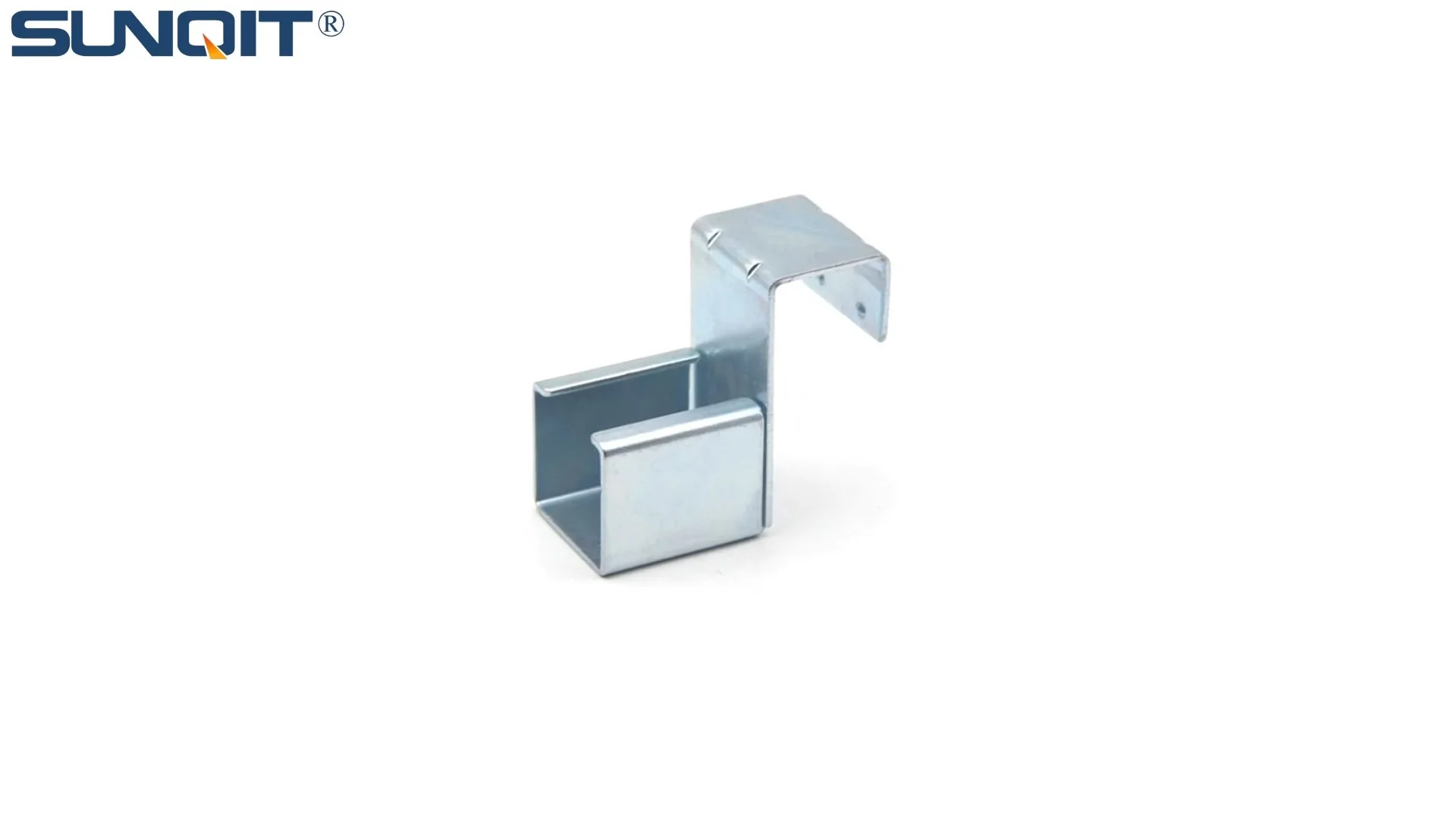
40 Roller Track Placon Mount drop High
Roller track placon mount work as a connector for roller track and pipe or aluminum profile in rack syetem, it is a necessary parts in rack system which widely used in industrial plant and logistic,warehouse storage.
Walk into any computer peripheral manufacturing plant—whether it's producing keyboards, mice, printers, or external hard drives—and you'll immediately sense the rhythm of precision. Every second counts, every component matters, and the difference between a smooth workflow and a bottleneck can mean thousands of units in daily output. In these high-stakes environments, tools often play the biggest roles. One such unsung hero? The 40 Roller Track Placon Mount drop High . This unassuming aluminum track system isn't just a conveyor component; it's the silent conductor of efficiency, ensuring parts flow seamlessly from station to station, workers stay productive, and lines adapt to ever-changing production demands.
What Makes 40 Roller Track Placon Mount drop High Stand Out?
Before diving into its impact on computer peripheral lines, let's break down what makes this roller track unique. At first glance, it looks like a standard aluminum track with rollers—but the "Placon Mount drop High" design is where the magic happens. Unlike fixed-height tracks, this system features adjustable mounting brackets (Placon Mounts) that let you tweak the track's height by 3-5 centimeters. That might sound small, but in a space where components are often just a few millimeters thick (think keyboard keycaps or mouse sensors), that adjustability is a game-changer.
Constructed from high-grade aluminum extrusion profiles—lightweight yet surprisingly tough—it's built to handle the daily grind of manufacturing. The rollers, often made of wear-resistant plastic or steel, glide with minimal friction, ensuring even small, delicate parts (like micro-USB connectors) move smoothly without jamming. And because it's part of a larger lean system , it's designed to be reconfigured, extended, or repurposed as production needs shift—no need for full overhauls when a new product line launches.
Day in the Life: How It Works on the Line
1. Keyboard Assembly: From Keycaps to Final Testing
Let's zoom in on a keyboard production line—a classic example of high-volume, small-part manufacturing. After injection molding, keycaps are sorted by size (Enter, Shift, letters) and need to move to the assembly station where they're pressed onto the keyboard base. Here's where the 40 Roller Track Placon Mount drop High shines:
- Precision Feeding: Keycaps are tiny and easy to scratch. The track's gentle slope (adjusted via the drop High mounts) ensures they slide single-file into a sorting bin at the assembly station, reducing the risk of damage compared to manual handling.
- Worker Ergonomics: By lowering the track's exit point to match the height of the lean pipe workbench where assemblers sit, workers no longer have to reach up or bend down to grab parts. Over an 8-hour shift, that translates to less fatigue and fewer repetitive strain injuries.
- Buffering for Peaks: During rush orders, the track doubles as a mini buffer zone. If the assembly station gets backed up, keycaps accumulate temporarily on the track (thanks to its slight incline) without blocking the upstream molding process. Once the station clears, they flow through again—no stops, no delays.
2. Mouse Production: Connecting PCBs and Housings
Mice require even more precision, with circuit boards (PCBs), sensors, and plastic housings that must align perfectly. Here, the roller track works alongside flow racks and conveyors to create a synchronized workflow:
After PCBs are populated with components (chips, wires, sensors), they're placed on small trays. These trays ride the 40 Roller Track Placon Mount drop High from the soldering station to the housing assembly station. The track's drop High design lets it "drop" slightly to meet the height of the conveyor belt carrying empty mouse housings. This seamless handoff means trays glide directly onto the conveyor, eliminating the need for workers to manually transfer them—a step that used to take 10-15 seconds per tray, adding up to 2+ hours of lost time daily on a busy line.

The Numbers Behind the Impact: Why It's More Than Just a Track
Talk to plant managers who've integrated this roller track, and they'll rattle off metrics that tell the real story. Let's look at a case study from a mid-sized computer peripheral manufacturer in China that added 40 Roller Track Placon Mount drop High to three of its lines (keyboards, mice, and USB hubs):
| Metric | Before Installation | After Installation | Improvement |
|---|---|---|---|
| Daily Units Produced | 12,000 (across 3 lines) | 14,800 (across 3 lines) | +23% |
| Part Damage Rate | 3.2% (scratched keycaps, bent pins) | 0.8% | -75% |
| Worker Overtime | 120 hours/week | 45 hours/week | -62.5% |
| Changeover Time (New Product Launch) | 8 hours | 2.5 hours | -69% |
The most surprising win? Changeover time. When the plant launched a new wireless mouse model, they needed to adjust the production line to handle smaller PCBs and slimmer housings. Thanks to the track's adjustable Placon Mounts and compatibility with other lean pipe and accessories , workers reconfigured the track height and angle in under 3 hours—no welding, no custom brackets, just quick adjustments. "We used to dread new product launches because of the downtime," said the plant's operations manager. "Now, it's almost seamless."

Beyond the Track: Fitting Into a Complete Lean Solution
What makes the 40 Roller Track Placon Mount drop High truly powerful is how it plays well with others. It's not a standalone tool—it's part of a holistic lean solution that includes everything from workbenches to storage systems. Here's how it integrates:
1. With Lean Pipe Workbenches
Most assembly stations use lean pipe workbenches—lightweight, customizable tables built from aluminum pipes and joints. The roller track mounts directly to the side of these workbenches, creating an extension that brings parts right to the worker's fingertips. For example, at a keyboard testing station, the track delivers fully assembled keyboards from the assembly line to the testing bench. Workers plug them in, run diagnostic tests, and then push them onto another track leading to packaging—all without leaving their seats.
2. With Flow Racks
Flow racks are the backbone of material storage in lean manufacturing, using gravity to feed parts to the front. The 40 Roller Track Placon Mount drop High often acts as the "exit ramp" for these racks. When a worker pulls a bin of components from the flow rack, the next bin slides forward—then, once empty, the bin rides the roller track back to the warehouse for refilling. It's a closed-loop system that keeps inventory moving and minimizes waste.
3. With Conveyors
In larger lines, the roller track connects to powered conveyors, bridging gaps between stations. For instance, after printers are assembled, they need to move to the quality control (QC) area. The roller track, with its drop High design, lowers to meet the conveyor's height, letting printers glide from the assembly line onto the conveyor without jostling—critical for avoiding misalignment of delicate parts like print heads.

Sustainability: More Than Efficiency—It's About the Future
Today's manufacturers don't just care about speed—they care about sustainability, too. The 40 Roller Track Placon Mount drop High checks this box in spades. Made from recyclable aluminum, it's built to last decades, not years. When production lines change, it can be disassembled, reconfigured, and reused elsewhere in the plant. One electronics manufacturer even repurposed old tracks from a keyboard line to build a small parts sorter for its repair department—no new materials needed, just creativity.
This aligns with the core lean solution philosophy: "reuse, reduce, improve." Instead of scrapping equipment when needs change, you adapt it. Over time, this cuts down on waste, lowers procurement costs for new tools, and reduces the plant's carbon footprint—all wins for both the bottom line and the planet.
Why It Matters for Your Computer Peripheral Line
At the end of the day, computer peripheral manufacturing is a competitive industry. Margins are tight, customers demand faster turnaround, and product lifecycles are shorter than ever. In this environment, tools like the 40 Roller Track Placon Mount drop High aren't just nice-to-haves—they're must-haves. They turn chaos into order, bottlenecks into flow, and static lines into adaptable, future-ready systems.
Whether you're producing 10,000 keyboards a day or 50,000 mice a week, this roller track works quietly behind the scenes to make sure every part, every worker, and every second counts. It's not just about moving parts—it's about moving forward.