- Company Articles
- Products and Technology
- Installation And Maintenance
- Using 40 Roller Track Placon Mount drop High in Conveyor Systems: Integration Tips

Using 40 Roller Track Placon Mount drop High in Conveyor Systems: Integration Tips
Related Product
40 Roller Track Placon Mount drop High
Roller track placon mount work as a connector for roller track and pipe or aluminum profile in rack syetem, it is a necessary parts in rack system which widely used in industrial plant and logistic,warehouse storage.
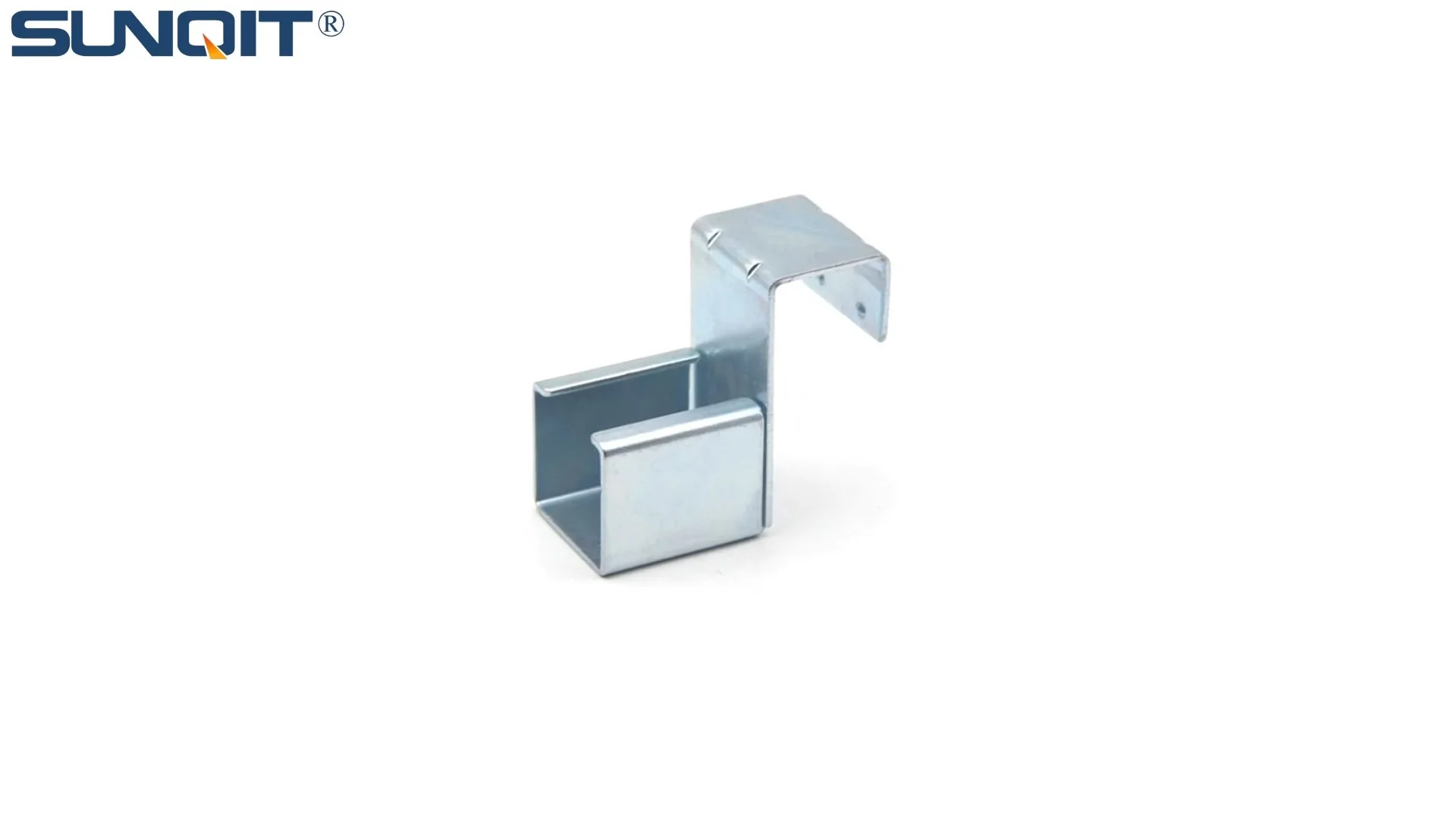
When it comes to building efficient conveyor systems in manufacturing, every component plays a critical role in keeping operations running smoothly. From the framework that holds everything together to the smallest connector that ensures stability, each part contributes to the overall performance of your production line. Today, we're diving deep into one component that often flies under the radar but can make a huge difference in material flow: the 40 Roller Track Placon Mount drop High. Whether you're setting up a new line in a 3C assembly plant or upgrading an existing conveyor system in a medical device facility, understanding how to integrate this roller track effectively can boost productivity, reduce downtime, and enhance the flexibility of your operations. Let's explore what makes this component unique, why it matters, and how to seamlessly incorporate it into your conveyor systems.
What Exactly Is 40 Roller Track Placon Mount drop High?
Before we jump into integration tips, let's make sure we're all on the same page about what 40 Roller Track Placon Mount drop High actually is. At its core, it's a specialized type of roller track designed to facilitate the smooth movement of materials along conveyor systems. The "40" in its name refers to the size specification, typically indicating the width or roller diameter, which makes it compatible with standard industry components. The term "Placon Mount" describes its mounting style—this track is designed to attach to aluminum profiles or lean pipes using placon mounts, which are small, durable brackets that secure the track to the framework. "drop High" means it's engineered to sit at a specific height relative to the mounting surface, creating a slight drop that uses gravity to assist material flow while maintaining control.
Unlike some roller tracks that are fixed in height or require complex mounting hardware, this variant offers adjustability and ease of installation. Its design focuses on two key goals: stability and flexibility. The drop high feature ensures materials glide consistently without sliding too quickly, which is crucial for delicate components like those in 3C assembly or medical devices. Meanwhile, the placon mount system allows for quick adjustments—so if your production needs change, you can reposition the track without overhauling the entire conveyor structure.
Why Choose 40 Roller Track Placon Mount drop High for Your Conveyor System?
You might be wondering: with so many roller track options available, why opt for this specific type? Let's break down the advantages that make it a standout choice for manufacturers across industries.
1.
Balanced Material Flow:
The drop high design strikes a perfect balance between speed and control. Gravity helps move items along, but the track's height and roller spacing prevent materials from gaining too much momentum—ideal for fragile parts or assemblies that need careful handling.
2.
Easy Integration with Lean Systems:
If your facility uses lean manufacturing principles (and chances are, you do), this roller track fits right in. It works seamlessly with lean pipes and aluminum profiles, two staples of flexible, modular production setups. This compatibility means you can build or modify conveyor systems without investing in entirely new frameworks.
3.
Durability for Heavy-Duty Use:
Constructed from high-quality materials like steel or aluminum, this track can handle the wear and tear of daily manufacturing operations. Whether you're moving small electronic components or heavier parts like automotive parts, it maintains performance over time—reducing the need for frequent replacements.
4.
Cost-Effective Scalability:
As your production needs grow, you can easily extend or reconfigure your conveyor system by adding more sections of 40 Roller Track Placon Mount drop High. Its modular design means you won't waste money on unnecessary components—just add what you need, when you need it.
These benefits make it a versatile solution, whether you're operating in high-speed environments like consumer electronics assembly or precision-focused sectors like medical device manufacturing.

Step-by-Step Integration Guide: Installing 40 Roller Track Placon Mount drop High
Integrating this roller track into your conveyor system doesn't have to be complicated—with the right tools and a clear plan, you can have it up and running in no time. Let's walk through the process step by step.
Step 1: Plan Your Layout Based on Production Needs
Start by mapping out your conveyor path. Consider factors like the type of materials you'll be moving (size, weight, fragility), the distance they need to travel, and any obstacles or workstations along the way. For example, in a 3C assembly line, you might need the track to feed components to multiple workbenches, so you'll want to plan for branching paths or merge points. Measure the space carefully to determine how many track sections you'll need—don't forget to account for curves or elevation changes if your layout requires them.
Step 2: Prepare the Framework with Aluminum Profiles or Lean Pipes
The track needs a stable base, and that's where aluminum profiles or lean pipes come in. Build a support structure that matches your layout plan, ensuring the framework is level and sturdy. If you're using aluminum profiles, use T-slot accessories to attach placon mounts—these slots allow for easy adjustments later. For lean pipe setups, secure the mounts using pipe clamps, making sure they're tight enough to prevent shifting during operation.
Pro tip: Use a level tool throughout this step to ensure the framework isn't tilted. Even a small slope can cause materials to drift to one side of the track, leading to jams or uneven wear on the rollers.
Step 3: Mount the Track to the Framework
Now it's time to attach the 40 Roller Track Placon Mount drop High to the framework. Align the track sections with the placon mounts, ensuring each section connects smoothly to the next—gaps between sections can cause materials to get stuck. Use the mounting holes on the track to secure it to the placon mounts with screws or bolts. Depending on your system's needs, you may also want to add end stops at key points (like workstation entrances) to prevent materials from sliding off the track.
Step 4: Install Rollers and Test Movement
Once the track is mounted, insert the rollers into their designated slots. Check that each roller spins freely—stiff or stuck rollers will slow down material flow. Then, test the system with sample materials that match what you'll be moving in production. Observe how they glide along the track: are they moving too fast, too slow, or unevenly? If adjustments are needed, tweak the track height by loosening the placon mounts and raising or lowering the track slightly.
Step 5: Connect to Conveyors or Flow Racks
Finally, integrate the track with other components like powered conveyors or flow racks. If you're connecting to a powered conveyor, ensure the track's exit aligns with the conveyor's entrance to create a smooth transition. For flow racks (used in warehouses or picking areas), position the track to feed materials directly into the rack's lanes, reducing the need for manual handling. In both cases, use connectors or transition plates to bridge any gaps between components.

Real-World Applications: How Industries Are Using This Roller Track
Theory is helpful, but seeing how this roller track performs in real manufacturing settings brings its value to life. Let's look at three industry-specific examples.
Case Study 1: 3C Assembly (Consumer Electronics)
A major smartphone manufacturer was struggling with bottlenecks in their assembly line. Components like circuit boards and screens were being moved manually between workstations, leading to delays and increased labor costs. They integrated 40 Roller Track Placon Mount drop High into their system, connecting each workstation with a custom conveyor path. The track's controlled flow ensured delicate screens didn't shift during transport, and the modular design allowed them to add new workstations as production scaled. Within three months, material handling time decreased by 25%, and the line saw fewer damaged components.
Case Study 2: Medical Device Manufacturing
A medical device company producing surgical tools needed a conveyor system that met strict cleanliness and precision standards. They chose this roller track for its smooth, easy-to-clean surface and compatibility with ESD (electrostatic discharge) workbenches. The track was integrated into a closed-loop conveyor system, moving tools from assembly to sterilization. The drop high design ensured tools moved slowly enough for quality checks at each stage, and the placon mounts allowed for quick disassembly when deep cleaning was required—critical for maintaining FDA compliance.
Case Study 3: Warehouse Logistics
A large e-commerce warehouse wanted to optimize their order picking process. They installed flow racks with 40 Roller Track Placon Mount drop High to store and dispense small to medium-sized products. The track's drop high feature allowed items to slide forward as orders were picked, ensuring the next product was always at the front of the rack. This reduced the time pickers spent reaching for items, cutting down on order fulfillment times by 18% and lowering fatigue among staff.

Synergy with Other Components: Building a Complete System
No conveyor system works in isolation, and 40 Roller Track Placon Mount drop High is no exception. Its true power shines when paired with other components to create a fully functional, flexible setup. Let's explore how it works with key elements in your production line.
With Lean Pipes and Aluminum Profiles
Lean pipes and aluminum profiles form the backbone of modular conveyor systems, and this roller track complements them perfectly. For example, a simple conveyor line might use lean pipes to build the support legs and side rails, with aluminum profiles as cross beams to mount the track. The combination allows for quick reconfiguration—if you need to widen the conveyor to accommodate larger boxes, just adjust the aluminum profiles and reposition the track. This modularity is a cornerstone of lean manufacturing, letting you adapt to changing production needs without delays.
With Flow Racks
Flow racks are all about efficient storage and picking, and adding 40 Roller Track Placon Mount drop High takes their performance up a notch. In a typical flow rack setup, the track is installed on a slight incline within each rack lane. As products are picked from the front, gravity pulls the remaining items forward, keeping the lane stocked. The drop high track ensures this movement is smooth and consistent, even for irregularly shaped items like automotive parts or electronic accessories. Plus, since the track is easy to adjust, you can fine-tune the incline based on the weight of the products—heavier items need a gentler slope, while lighter ones can handle a steeper angle.
With Workbenches
Workbenches are where the actual assembly or packaging happens, and integrating the roller track with workbenches creates a seamless workflow. Imagine a workstation where a worker assembles a product, then slides it along the track to the next station for testing. The track can be mounted directly to the workbench's edge, using aluminum profile brackets to bridge the gap between the bench and the conveyor. This eliminates the need to lift products off the bench and onto the conveyor, reducing strain on workers and speeding up the process. In ESD-sensitive environments (like electronics manufacturing), you can pair the track with ESD workbenches and anti-static rollers to prevent static damage to components.
Troubleshooting Common Issues: Solutions for Smooth Operation
Even with careful installation, you might run into issues with your roller track. Here's how to diagnose and fix the most common problems.
| Issue | Cause | Solution |
|---|---|---|
| Materials getting stuck between track sections | Gaps or misalignment between connected track pieces | Loosen the placon mounts and realign the sections, ensuring edges meet flush. Use a straightedge to check alignment, then retighten the mounts. |
| Rollers making excessive noise | Dirt buildup or lack of lubrication | Clean rollers with a soft brush and mild detergent, then apply a small amount of food-grade lubricant (safe for industries like food packaging or medical devices). |
| Track feels wobbly during operation | Loose placon mounts or unstable framework | Tighten all mount screws/bolts. If the framework is unstable, add cross-braces using lean pipes or aluminum profiles for extra support. |
| Materials sliding to one side of the track | Framework is tilted or track is mounted unevenly | Use a level to check the framework and track. Adjust the placon mounts to level the track, or shim the framework legs if the floor is uneven. |
| Rollers not spinning freely | Dust in roller bearings or bent axles | Remove and clean rollers; if axles are bent, replace the affected rollers. For recurring dust issues, consider adding a protective cover over the track. |
Choosing the Right 40 Roller Track Placon Mount drop High: Key Considerations
Not all 40 Roller Track Placon Mount drop High products are created equal. When selecting a track for your system, keep these factors in mind to ensure you get the best fit.
•
Material Type:
Tracks are typically made from steel, aluminum, or plastic. Steel is durable for heavy loads, aluminum is lightweight and corrosion-resistant (great for clean environments), and plastic is ideal for applications where noise reduction is key.
•
Roller Spacing:
Closer spacing works better for small, lightweight items, while wider spacing is suitable for larger, heavier materials. Check the manufacturer's specs for weight limits per roller.
•
Environmental Factors:
If your facility is humid, corrosive (like automotive plants with chemicals), or requires ESD protection, choose a track with coatings or materials that meet those needs (e.g., ESD-safe plastic rollers for electronics).
•
Compatibility with Existing Components:
Ensure the track's mounting holes and placon mounts match your current aluminum profiles or lean pipes. Most manufacturers provide compatibility charts—don't skip checking these!
Final Thoughts: Elevating Your Conveyor System with Smart Integration
Integrating 40 Roller Track Placon Mount drop High into your conveyor system isn't just about adding another component—it's about building a more efficient, flexible, and reliable production line. From its balanced material flow to its seamless compatibility with lean systems and aluminum profiles, this track addresses the core challenges manufacturers face: reducing waste, improving throughput, and adapting to changing demands.
Whether you're in 3C assembly, medical device manufacturing, or warehouse logistics, the key is to approach integration with a clear plan: start by mapping your layout, build a sturdy framework with lean pipes or aluminum profiles, mount the track with precision, and test rigorously. And don't forget to leverage its synergy with other components like flow racks and workbenches—this is where the real magic of modular manufacturing happens.
By following the tips and best practices outlined here, you'll not only install a roller track—you'll build a conveyor system that grows with your business, supports your lean goals, and keeps your production line moving smoothly, day in and day out.