- Company Articles
- Products and Technology
- Application Cases
- Using 40 Roller Track Placon Mount drop High in Medical Device Manufacturing Facilities

Using 40 Roller Track Placon Mount drop High in Medical Device Manufacturing Facilities
Related Product
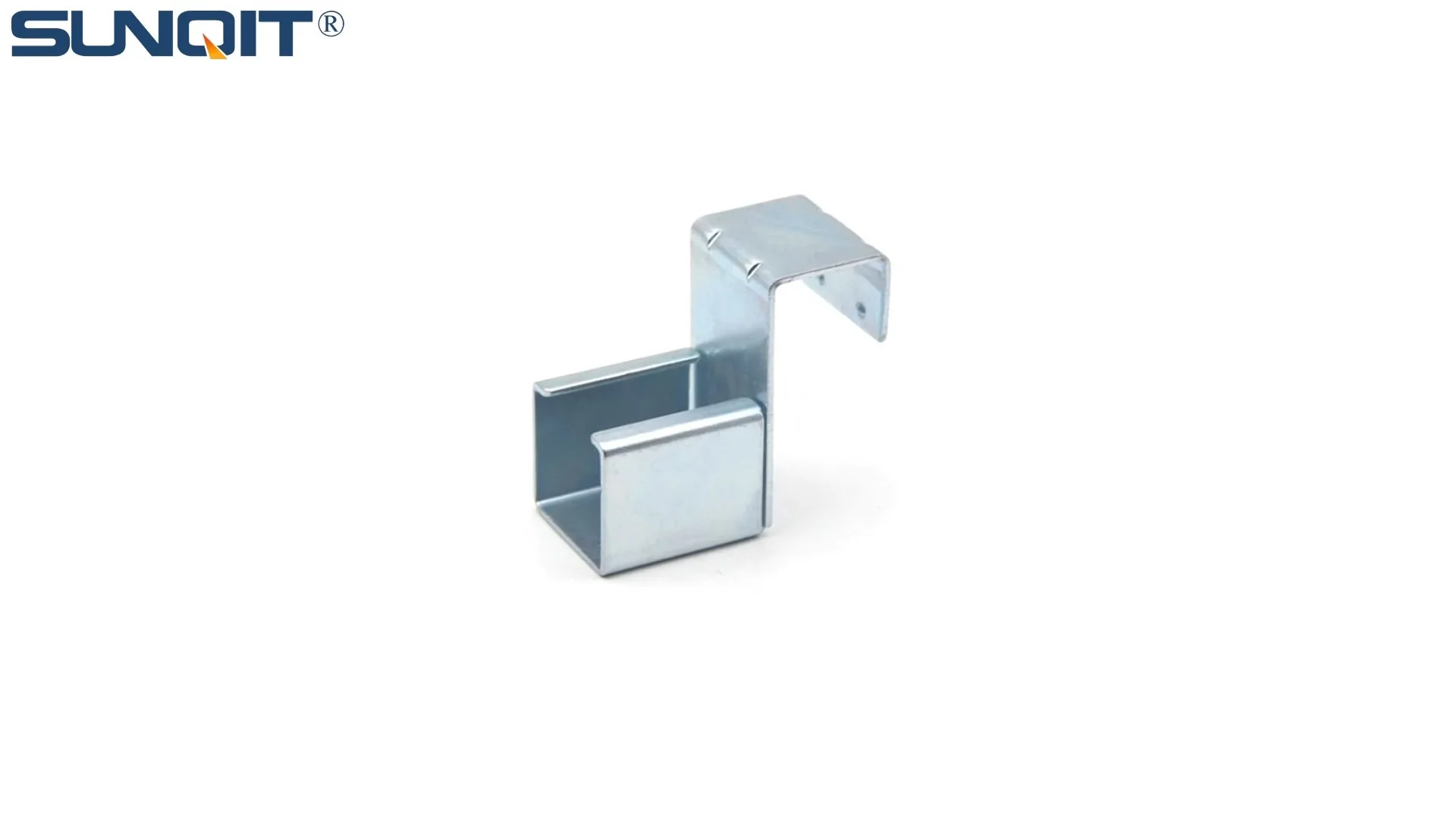
40 Roller Track Placon Mount drop High
Roller track placon mount work as a connector for roller track and pipe or aluminum profile in rack syetem, it is a necessary parts in rack system which widely used in industrial plant and logistic,warehouse storage.
The Critical Role of Material Flow in Medical Device Manufacturing
Walk into any medical device manufacturing facility, and you'll immediately sense the weight of responsibility in the air. Every component—whether a surgical instrument, a diagnostic tool, or a life-support device—must meet standards that leave no room for error. Regulatory bodies like the FDA and ISO set rigorous benchmarks for quality, cleanliness, and traceability, and manufacturers bear the burden of not just meeting these standards but exceeding them to ensure patient safety.
In this high-stakes environment, material flow isn't just a logistical detail—it's the backbone of efficient production. Imagine a scenario where a delay in delivering a critical component to the assembly line causes a production bottleneck, or where manual handling of delicate parts leads to micro-scratches that compromise sterility. These aren't just operational headaches; they risk compliance violations, product recalls, and, most importantly, harm to patients who rely on these devices.
This is where specialized material handling solutions become indispensable. Medical device manufacturing demands systems that are as precise as the devices themselves—systems that minimize human error, reduce waste, and adapt to the unique challenges of the industry. Among these solutions, the 40 Roller Track Placon Mount drop High has emerged as a quiet hero, redefining how materials move through the production process with a blend of flexibility, durability, and lean efficiency.
What Makes 40 Roller Track Placon Mount drop High Unique?
At first glance, a roller track might seem like a simple piece of equipment, but the 40 Roller Track Placon Mount drop High is engineered with the specific demands of medical manufacturing in mind. Let's break down its design and why it stands out in a crowded market of material handling tools.
Core Design Features
- Aluminum Construction: Crafted from high-grade aluminum, this roller track offers the perfect balance of strength and lightweight maneuverability. Aluminum's natural resistance to corrosion is a boon in medical facilities, where frequent cleaning with disinfectants is non-negotiable. Unlike steel, it won't rust or degrade over time, ensuring a longer lifespan even in harsh sanitization cycles.
- drop High Configuration: The "drop high" design refers to the track's ability to sit slightly lower than standard roller tracks, creating a seamless transition between workstations. In medical assembly lines, where precision alignment is critical, this feature eliminates gaps that could catch or damage delicate components. It's like having a perfectly level highway for materials, where every turn and connection is smooth and predictable.
- Placon Mounting System: The placon mount system simplifies installation and reconfiguration. Unlike traditional bolt-down tracks, these mounts attach securely to aluminum profiles (a staple in lean manufacturing setups) without the need for welding or complex tools. This modularity is key in medical manufacturing, where production lines often need to adapt to new device models or regulatory changes.
- Steel Roller Wheels with ESD Options: The track's 40mm steel wheels are designed for minimal friction, allowing materials to glide effortlessly with minimal manual force. For environments where electrostatic discharge (ESD) poses a risk—such as when handling sensitive electronic components in diagnostic devices—ESD-safe wheel options are available, preventing static buildup that could damage microelectronics.
Together, these features make the 40 Roller Track Placon Mount drop High more than just a conveyor system. It's a lean solution that aligns with the "reduce, reuse, improve" philosophy, allowing medical manufacturers to optimize their workflows without sacrificing compliance or precision.

Real-World Applications in Medical Device Manufacturing
To understand the impact of this roller track, let's explore how it integrates into key stages of medical device production. From component delivery to final assembly, its versatility shines in some of the industry's most demanding scenarios.
1. Cleanroom Component Assembly Lines
Cleanrooms are the heart of medical device manufacturing, where air quality, temperature, and particle counts are strictly controlled. In these environments, minimizing human movement is critical to reducing contamination risks. The 40 Roller Track Placon Mount drop High excels here by automating material delivery to assembly stations.
For example, consider a line producing pacemaker components. Tiny circuit boards, batteries, and casings must be delivered to operators in precise sequences to avoid mix-ups. The roller track, mounted at waist height along the assembly line, allows sealed trays of components to glide directly to each workstation. The aluminum frame resists harboring bacteria, and the smooth surface is easy to wipe down with isopropyl alcohol—essential for maintaining ISO 13485 compliance.
2. Sterile Packaging and Inspection Stations
After assembly, devices move to packaging and inspection, where they're checked for defects before sterilization. Here, the roller track's drop high design becomes invaluable. Packaging stations often sit at different heights—some operators work standing, others seated—and the track's ability to adjust elevation ensures materials flow without manual lifting.
A manufacturer of surgical scalpels, for instance, uses the track to transport sterilized blade cartridges from the autoclave to the packaging line. The track's gentle incline (adjustable via placon mounts) allows cartridges to move slowly enough for inspectors to verify each unit, while the steel wheels prevent jamming that could delay the critical sterilization-to-packaging timeline.
3. Batch Traceability and Lean Inventory Management
Medical device recalls are rare but catastrophic when they occur. Traceability—tracking every component from supplier to finished product—is therefore non-negotiable. The 40 Roller Track integrates seamlessly with lean inventory systems, allowing manufacturers to implement "just-in-time" (JIT) delivery of materials.
By labeling track sections with batch numbers or QR codes, operators can quickly identify which components belong to which production run. If a supplier issues a recall for a specific batch of screws, for example, the track's layout makes it easy to isolate only the affected components, minimizing disruption to the entire line. This level of control aligns with the lean system principle of reducing waste—in this case, waste from overstocking or unnecessary rework.

The Lean Advantage: How 40 Roller Track Drives Efficiency and Sustainability
Lean manufacturing isn't just a buzzword in medical device production—it's a necessity. With tight profit margins and ever-increasing regulatory costs, manufacturers must eliminate waste wherever possible. The 40 Roller Track Placon Mount drop High embodies lean principles in three key ways:
| Lean Principle | How 40 Roller Track Delivers | Impact on Medical Manufacturing |
|---|---|---|
| Eliminate Waste (Muda) | Modular design reduces overproduction by enabling JIT material delivery; smooth flow minimizes product damage and scrap. | Lower costs from reduced scrap rates; fewer compliance risks from damaged components. |
| Flexibility (Heijunka) | Placon mounts allow quick reconfiguration without tools; compatible with aluminum profiles and lean pipe systems. | Adapt to new device models in days instead of weeks; respond faster to market demand changes. |
| Respect for People | Ergonomic height reduces bending and lifting; automated flow cuts down on repetitive motion injuries. | Higher operator satisfaction and retention; fewer workplace injuries, lowering workers' compensation costs. |
| Sustainability (Kaizen) | Aluminum construction is 100% recyclable; reusable components reduce reliance on single-use packaging. | Aligns with corporate sustainability goals; meets ESG reporting requirements for medical device companies. |
Perhaps the most compelling lean benefit is the track's role in continuous improvement (Kaizen). Medical manufacturers are never "done" optimizing—there's always a new device, a stricter regulation, or a more efficient process to implement. The 40 Roller Track's adaptability makes it a long-term partner in this journey. A facility producing ventilators, for example, might start with a basic track layout for standard models, then reconfigure it with additional branches as they add pediatric or portable versions—all without investing in entirely new equipment.

Case Study: Transforming a Medical Device Assembly Line with 40 Roller Track
From Bottlenecks to Breakthroughs: How a Surgical Instrument Manufacturer Boosted Efficiency by 35%
A mid-sized manufacturer of laparoscopic instruments faced a common challenge: their manual material handling process was causing delays and quality issues. Operators were spending 20% of their time walking to fetch components, and delicate parts were occasionally damaged during transport, leading to a 5% scrap rate—unacceptably high for a company serving top hospitals.
The manufacturer partnered with a lean solution provider to redesign their assembly line, with the 40 Roller Track Placon Mount drop High as the centerpiece. Here's what changed:
Production cycle time reduced by 35%
Scrap rate dropped from 5% to 0.8%
Operator walking distance cut by 70%
Cleanroom compliance scores improved by 12 points
"The difference was night and day," said the plant manager. "Before, our team was bogged down moving parts; now, the parts come to them. The drop high track ensures that even our smallest components—like the 2mm screws in our graspers—slide smoothly without getting stuck. And when we needed to add a new product line for robotic surgical tools, we reconfigured the track in a weekend. That kind of flexibility is game-changing in our industry."
Why Medical Manufacturers Choose 40 Roller Track Placon Mount drop High Over Alternatives
In a market flooded with material handling options—from belt conveyors to automated guided vehicles (AGVs)—why has the 40 Roller Track become a go-to for medical device producers? The answer lies in its ability to balance three critical factors: precision, cost-effectiveness, and compliance.
Belt conveyors, for example, are great for high-volume, non-stop production, but they're difficult to clean thoroughly—a major drawback in cleanrooms. AGVs offer automation but come with a steep price tag and require complex programming, making them overkill for smaller batches common in medical manufacturing. The 40 Roller Track, by contrast, is affordable, easy to sanitize, and scalable—growing with your facility's needs without requiring a complete overhaul.
Another key advantage is compatibility. Medical device manufacturers rarely use a single type of equipment; they need systems that work together seamlessly. The 40 Roller Track integrates with aluminum profile workstations, ESD-safe benches, and even robotic arms, creating a unified production ecosystem. It's not just a tool—it's a building block that fits into the larger lean system puzzle.
Conclusion: A Foundation for Future-Proof Medical Manufacturing
In the world of medical device manufacturing, where innovation and compliance walk hand in hand, the 40 Roller Track Placon Mount drop High is more than a material handling solution—it's a strategic investment in quality, efficiency, and sustainability. Its aluminum construction ensures durability in harsh sanitization environments, its drop high design minimizes product damage, and its modularity keeps pace with the industry's ever-changing demands.
As medical technology advances—with smaller, more complex devices and stricter regulatory requirements—the need for reliable, flexible material flow will only grow. Manufacturers that embrace solutions like the 40 Roller Track aren't just improving today's production lines; they're building the foundation for a future where precision, efficiency, and patient safety go hand in hand.
In the end, it's simple: when your materials flow better, your products are better. And in medical device manufacturing, "better" isn't just a goal—it's a promise to the patients who depend on you.