- Company Articles
- Products and Technology
- Application Cases
- Using Aluminum Workbench B for Warehousing Logistics: Organizing Tools and Materials

Using Aluminum Workbench B for Warehousing Logistics: Organizing Tools and Materials
Related Product
Aluminum Workbench B
Aluminum tube workbench is more flexible and durable, compared with traditional PE/ABS coated steel tube. It is easy to assemble, anti corrosion, rust protection, and recycle use after disassemble.
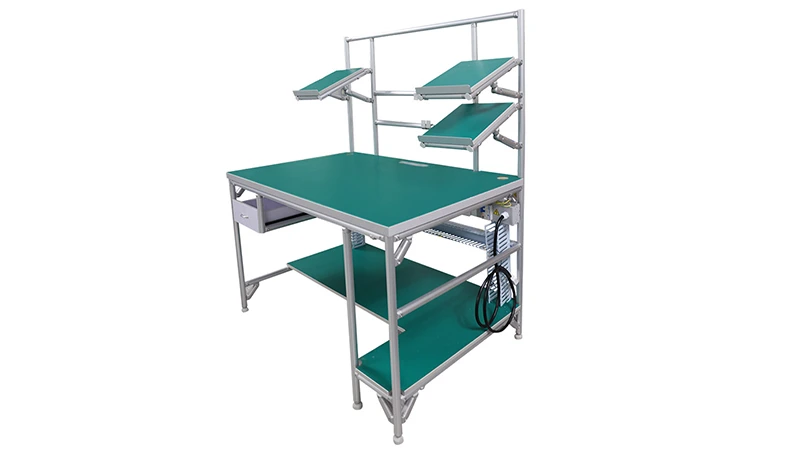
Walk into any bustling warehouse, and you'll quickly notice the heartbeat of the operation: the constant movement of materials, the hum of workers coordinating tasks, and the silent pressure to keep everything running like a well-oiled machine. Yet, for all the activity, there's often an unseen friction point that slows things down: disorganization. Tools get misplaced, materials pile up in inefficient corners, and workers spend precious minutes—sometimes hours—hunting for what they need instead of focusing on actual production. It's a problem that feels inevitable, but it doesn't have to be. Enter Aluminum Workbench B: a deceptively simple piece of equipment that's quietly transforming how warehouses organize tools and materials, turning chaos into clarity, and inefficiency into productivity.
The Hidden Cost of Disorganization in Warehouses
Before diving into how Aluminum Workbench B solves these issues, let's take a moment to understand the true cost of disorganization. According to a study by the Material Handling Institute, warehouse workers spend up to 35% of their time searching for tools, parts, or materials. That's more than a third of the workday wasted—not on assembling products, fulfilling orders, or maintaining equipment, but on hunting and gathering. Multiply that across a team of 50 workers, and you're looking at thousands of lost hours each year. And the costs don't stop there: misplaced tools lead to delays, rushed work increases the risk of errors, and cluttered workspaces raise the chance of accidents. It's a domino effect that eats into profits, morale, and even customer satisfaction.
Traditional solutions often fall short. Wooden workbenches, for example, are sturdy but heavy, making them hard to reposition as workflows change. Steel benches are durable but prone to rust in humid environments, and they're rarely customizable enough to adapt to unique tool or material needs. Plastic workbenches, while lightweight, lack the strength to handle heavy tools or constant use. What warehouses need is something that balances durability, flexibility, and functionality—a solution designed with the realities of modern logistics in mind. That's where Aluminum Workbench B comes in.
What is Aluminum Workbench B, Exactly?
At first glance, Aluminum Workbench B might look like any other workbench. But take a closer look, and you'll see why it's become a favorite among warehouse managers and operations teams. Built from high-grade aluminum profile—specifically engineered for industrial use—this workbench is a masterclass in thoughtful design. Unlike one-size-fits-all solutions, it's built to adapt: customizable in height, width, and features, it can be tailored to fit the unique needs of almost any workflow. Whether you're assembling small electronics, packing orders, or maintaining machinery, Aluminum Workbench B becomes an extension of your process, not a barrier to it.
But what really sets it apart is its focus on organization from the ground up. It's not just a flat surface to place tools; it's a system. From integrated tool holders and pegboards to optional roller track attachments for material flow, every element is designed to keep tools and materials where they belong—within arm's reach, clearly visible, and easy to access. And because it's made from aluminum profile, it's lightweight enough to move (with optional caster wheels) but strong enough to handle the daily grind of a busy warehouse. Let's break down its key features and how they address the specific challenges of tool and material organization.

Key Features of Aluminum Workbench B: Built for Organization
Aluminum Workbench B isn't just a "bench"—it's a modular system designed to grow and change with your warehouse. Here's a closer look at the features that make it a game-changer:
1. Aluminum Profile: The Backbone of Durability and Flexibility
At the core of Aluminum Workbench B is its construction: high-quality aluminum profile. Unlike wood or steel, aluminum profile offers a rare combination of strength and versatility. It's lightweight (about 1/3 the weight of steel), making the workbench easy to reposition when your workflow changes—no need for heavy machinery or a team of workers to shift it. Yet, it's surprisingly strong: aluminum extrusion profiles, which are used in everything from aerospace components to industrial machinery, can support heavy loads without bending or warping. This means you can place power tools, bulky materials, or even small equipment on the bench without worrying about it sagging over time.
But the real magic of aluminum profile lies in its T-slot design. These slots run along the length of the profile, allowing you to attach accessories—tool hooks, shelves, bins, or even roller track—with simple bolts or brackets. No drilling, no welding, no permanent modifications. If tomorrow you need to add a pegboard for hand tools or a shelf for material storage, you can do it in minutes. This flexibility is a far cry from traditional workbenches, which often require permanent alterations or replacement if your needs change.
2. Roller Track Integration: Keeping Materials Moving Smoothly
One of the biggest headaches in warehouses is moving materials from storage to the workbench (and vice versa). Carrying heavy boxes or bins not only wastes time but also increases the risk of strains or injuries. Aluminum Workbench B solves this with optional roller track attachments—think of it as a mini conveyor belt built directly into the bench. These tracks, often made with plastic roller track guide rails (available in yellow or grey for visibility), allow materials to glide smoothly from nearby material racks to the workbench surface with minimal effort.
For example, imagine you're assembling small electronics. Material Rack B (a 3-row, 3-floor storage unit common in many warehouses) holds your components: circuit boards on the top shelf, wires on the middle, and screws on the bottom. Instead of walking back and forth to grab each item, you can attach a roller track from Material Rack B directly to Aluminum Workbench B. With a gentle push, the circuit board slides down the track and onto your bench—no lifting, no carrying, just seamless flow. This not only speeds up the process but also reduces physical strain on workers, making the workspace safer and more comfortable.
3. Caster Wheels: Mobility When You Need It
While some workbenches are fixed in place, Aluminum Workbench B offers the option to add caster wheels, turning it into a mobile workstation. These aren't just any wheels, either: heavy-duty swivel caster wheels with brakes ensure the bench stays put when you need it to, but can be easily moved when your workflow demands flexibility. For example, if a team is working on a large assembly project, you can roll multiple Aluminum Workbenches together to create a temporary production line. When the project ends, simply roll them back to their original positions. Or, if a worker needs to move tools to a different area of the warehouse, they can take the entire bench (and all its organized tools) with them—no need to pack and unpack everything.
Caster wheels also help with cleaning and maintenance. Warehouses need regular deep cleaning to comply with safety standards, and fixed workbenches can be a hassle to work around. With Aluminum Workbench B on casters, you can roll it out of the way, clean the floor thoroughly, and roll it back—no more dust bunnies or debris hiding under the bench.
4. Customizable Storage: Tools and Materials at Your Fingertips
At the end of the day, the goal of any workbench is to keep tools and materials organized and accessible. Aluminum Workbench B excels here with a range of customizable storage options. Let's say you need to organize hand tools: add a pegboard with hooks for screwdrivers, pliers, and wrenches. If you work with small parts, attach stackable bins to the side of the bench using the T-slot aluminum profile. For larger items, like power drills or measuring equipment, add a shelf above the bench. The possibilities are nearly endless, and because everything is modular, you can tweak the setup as your tool collection grows or your tasks change.
One of the most popular setups we've seen is combining the bench with a "tool wall" configuration: the bench surface for active work, a pegboard above for frequently used tools, and a roller track below for incoming materials. This creates a "one-stop shop" where workers have everything they need within arm's reach, eliminating the need to walk to a separate tool cabinet or storage area.

The Benefits of Aluminum Workbench B: More Than Just a Bench
So, we've covered the features—but how do they translate into real-world benefits for your warehouse? Let's break it down:
| Challenge | Traditional Workbench | Aluminum Workbench B |
|---|---|---|
| Tool Organization | Limited storage; tools often scattered on the surface or in separate cabinets. | Modular storage (pegboards, bins, hooks) keeps tools visible and accessible. |
| Material Movement | Workers must carry materials from storage to bench, wasting time and energy. | Roller track integration allows materials to glide directly to the bench. |
| Flexibility | Fixed design; hard to modify if needs change. | Aluminum profile T-slots let you add/remove accessories in minutes. |
| Mobility | Fixed in place; requires disassembly to move. | Optional caster wheels for easy repositioning (with brakes for stability). |
| Durability | Wood warps; steel rusts; plastic cracks under heavy use. | Aluminum profile resists corrosion, scratches, and warping. |
Real-World Impact: A Case Study
From Chaos to Clarity: How ABC Electronics Transformed Their Assembly Line
Let's take a look at a real example (with names changed for privacy) of how Aluminum Workbench B made a difference. ABC Electronics, a mid-sized manufacturer of consumer electronics, was struggling with their assembly line. Their old setup used wooden workbenches with no built-in storage, so tools were either piled on the surface or stored in cabinets 20 feet away. Workers spent an average of 25 minutes per shift walking to grab tools or materials, and misplaced tools led to frequent delays. Morale was low, and production targets were consistently missed.
After researching solutions, they decided to replace their wooden benches with Aluminum Workbench B, complete with roller track attachments and caster wheels. Here's what happened next:
- Week 1: Workers helped design their own storage setups—adding pegboards for hand tools, bins for screws, and roller tracks connecting to nearby Material Rack B. "It felt like we were finally being heard," said one assembly line worker. "The bench was built around how we work, not the other way around."
- Month 1: Search time dropped by 40%. Workers reported spending less time walking and more time assembling. One team leader noted, "We used to have to stop production twice a day to hunt for a missing drill. Now, everything's right there on the bench."
- Month 3: Production output increased by 15%. With fewer delays and happier workers, ABC Electronics hit their monthly targets for the first time in over a year. They even expanded the setup to other lines, ordering additional Aluminum Workbench B units.
Today, ABC Electronics estimates they've saved over $75,000 in labor costs alone, not counting the reduced turnover and improved product quality. "Aluminum Workbench B wasn't just a purchase," said the operations manager. "It was an investment in our team and our future."
Maintaining Your Aluminum Workbench B: Tips for Longevity
Like any equipment, Aluminum Workbench B works best when properly maintained. The good news? Its aluminum profile construction makes upkeep a breeze. Here are a few simple tips:
- Clean Regularly: Wipe down the bench surface and aluminum profile with a damp cloth to remove dust, grease, or debris. For tougher stains, use mild soap and water—avoid harsh chemicals that could damage the aluminum finish.
- Check Caster Wheels: If you've added caster wheels, inspect them monthly for wear or debris. Tighten any loose bolts, and replace wheels if they start to wobble or lock up. This ensures the bench remains easy to move and stable when in use.
- Lubricate Roller Tracks: To keep roller tracks gliding smoothly, apply a small amount of silicone lubricant to the wheels every few months. This prevents friction and ensures materials move effortlessly.
- Tighten Accessories: Over time, bolts or brackets holding accessories (like shelves or tool hooks) may loosen. A quick check every few weeks with a wrench will keep everything secure.
With minimal effort, Aluminum Workbench B will last for years—even in the busiest warehouse environments.
Conclusion: More Than a Bench—A Catalyst for Change
Aluminum Workbench B is more than just a place to set your tools. It's a catalyst for change in how warehouses operate—turning disorganized chaos into intentional order, and wasted time into productive work. Its aluminum profile construction offers durability and flexibility, roller track integration streamlines material flow, and customizable storage keeps tools at your fingertips. Whether you're a small warehouse looking to improve efficiency or a large operation aiming to scale, Aluminum Workbench B adapts to your needs, grows with your team, and delivers results that go beyond the bottom line: happier workers, safer spaces, and a workflow that finally feels in control.
So, the next time you walk through your warehouse, take a look at your workbenches. Are they holding you back, or propelling you forward? With Aluminum Workbench B, the answer can be the latter. It's not just about organizing tools and materials—it's about organizing success.