- Company Articles
- Products and Technology
- Product knowledge
- Using Castor Fixed Plates for Ergonomic Material Racks: Worker Safety

Using Castor Fixed Plates for Ergonomic Material Racks: Worker Safety
Related Product
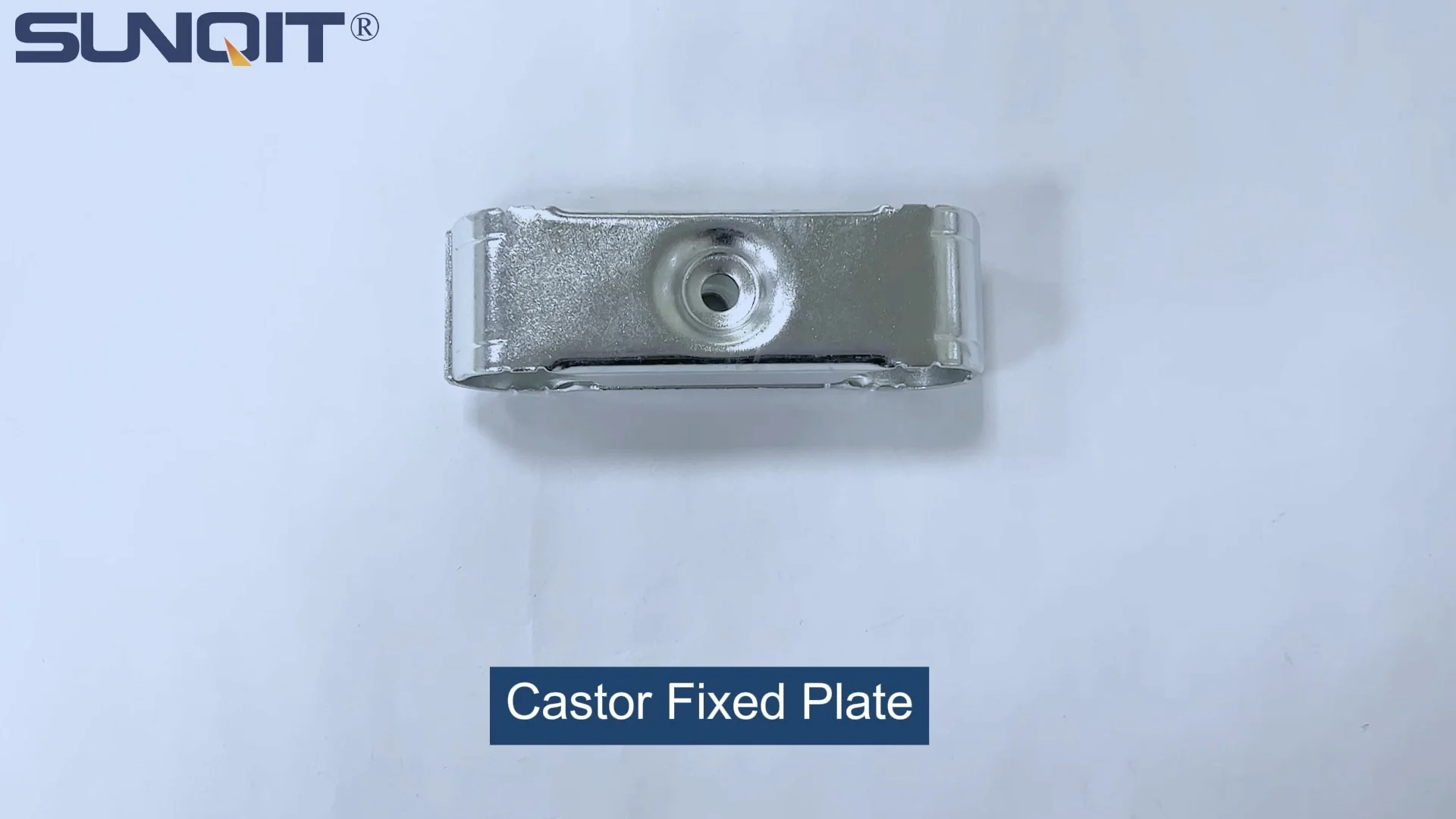
Castor Fixed Plate
Castor fixed plate, used for castor installation, one castor need two pcs castor plate to fix under the workbench, flow rack, and hand trolley.
Introduction: The Hidden Cost of Overlooked Workplace Details
Walk into any manufacturing facility, warehouse, or assembly plant, and you'll likely see a flurry of activity: workers moving parts, machines humming, and products taking shape. Amidst this chaos, one element often fades into the background—until something goes wrong: material racks. These unassuming structures hold the lifeblood of production: components, tools, and (semi-finished goods). But here's the thing: their design, and the tiny components that hold them together, can mean the difference between a safe, efficient workspace and one riddled with injuries, delays, and frustration.
Consider this: according to the Bureau of Labor Statistics, over 2.8 million nonfatal workplace injuries and illnesses were reported in the U.S. private sector in 2023, with a significant portion linked to material handling. Strains from lifting, trips from unstable equipment, and crushed fingers from shifting loads are all too common. What if many of these incidents could be prevented by focusing on a single, often overlooked part? Enter the caster fixed plate —a small but mighty component that transforms wobbly, unsafe material racks into ergonomic, worker-centric tools. In this article, we'll dive into how castor fixed plates, when paired with thoughtful design and lean system principles, can revolutionize workplace safety and productivity.
Consider this: according to the Bureau of Labor Statistics, over 2.8 million nonfatal workplace injuries and illnesses were reported in the U.S. private sector in 2023, with a significant portion linked to material handling. Strains from lifting, trips from unstable equipment, and crushed fingers from shifting loads are all too common. What if many of these incidents could be prevented by focusing on a single, often overlooked part? Enter the caster fixed plate —a small but mighty component that transforms wobbly, unsafe material racks into ergonomic, worker-centric tools. In this article, we'll dive into how castor fixed plates, when paired with thoughtful design and lean system principles, can revolutionize workplace safety and productivity.
The Unsung Hero of Material Racks: Why Stability Matters
Material racks come in all shapes and sizes—from simple shelving units to mobile carts that zip across factory floors. For workers, these racks aren't just storage; they're daily collaborators. A poorly designed rack forces workers to bend awkwardly, strain to reach items, or struggle to move heavy loads. Over time, these small inconveniences add up to chronic pain, missed workdays, and a culture of frustration.
Let's meet Jamie, a production associate at a mid-sized electronics plant. Jamie's job involves restocking components from a mobile material rack several times an hour. The rack, purchased on a tight budget, has casters that never quite stay put. Every time Jamie pushes it, the rack wobbles, causing small parts to shift and occasionally fall off. Last month, Jamie twisted their ankle after the rack lurched unexpectedly. "It's just part of the job," Jamie shrugged when asked—but it shouldn't be.
The root of Jamie's problem? Unstable casters. Casters are the wheels that make racks mobile, but without proper securing, they become liabilities. This is where caster fixed plates step in. These metal plates attach casters firmly to the rack's frame, distributing weight evenly and preventing wobble. Think of them as the "seatbelt" for casters—unseen but critical for safety.
Let's meet Jamie, a production associate at a mid-sized electronics plant. Jamie's job involves restocking components from a mobile material rack several times an hour. The rack, purchased on a tight budget, has casters that never quite stay put. Every time Jamie pushes it, the rack wobbles, causing small parts to shift and occasionally fall off. Last month, Jamie twisted their ankle after the rack lurched unexpectedly. "It's just part of the job," Jamie shrugged when asked—but it shouldn't be.
The root of Jamie's problem? Unstable casters. Casters are the wheels that make racks mobile, but without proper securing, they become liabilities. This is where caster fixed plates step in. These metal plates attach casters firmly to the rack's frame, distributing weight evenly and preventing wobble. Think of them as the "seatbelt" for casters—unseen but critical for safety.

What Are Castor Fixed Plates, Anyway?
At first glance, a caster fixed plate might seem like little more than a flat piece of metal with holes. But looks deceive. These plates are engineered to solve a specific problem: the tendency of casters to loosen or shift under load. Made from durable materials like steel or aluminum, they're designed to withstand the daily grind of factory life—heavy loads, constant movement, and exposure to dust, oil, and moisture.
Here's how they work: when you attach a caster directly to a rack's frame, the weight of the load can cause the bolts to loosen over time. A caster fixed plate acts as an intermediary, spreading the load across a larger surface area. This reduces stress on individual bolts and keeps the caster aligned with the rack. Some plates even feature reinforced edges or anti-slip coatings to further enhance stability.
Not all plates are created equal, though. A cheap, thin plate might bend under heavy loads, defeating the purpose. High-quality plates are thick (often 3mm or more), have pre-drilled holes that match standard caster bolt patterns, and are treated to resist rust. For example, a stainless steel caster fixed plate is ideal for environments with moisture, like food processing plants, while a powder-coated steel plate works well in dry manufacturing settings.
Here's how they work: when you attach a caster directly to a rack's frame, the weight of the load can cause the bolts to loosen over time. A caster fixed plate acts as an intermediary, spreading the load across a larger surface area. This reduces stress on individual bolts and keeps the caster aligned with the rack. Some plates even feature reinforced edges or anti-slip coatings to further enhance stability.
Not all plates are created equal, though. A cheap, thin plate might bend under heavy loads, defeating the purpose. High-quality plates are thick (often 3mm or more), have pre-drilled holes that match standard caster bolt patterns, and are treated to resist rust. For example, a stainless steel caster fixed plate is ideal for environments with moisture, like food processing plants, while a powder-coated steel plate works well in dry manufacturing settings.

Ergonomics 101: How Castor Fixed Plates Make Work Easier
Ergonomics is about designing workspaces to fit the people who use them, not the other way around. When a material rack is stable, workers move more efficiently, with less physical strain. Let's break down the ergonomic benefits of caster fixed plates:
Reduced Strain: A stable rack glides smoothly, requiring less force to push or pull. This lowers the risk of muscle strain in the back, shoulders, and arms—common injuries in material handling.
Better Posture: When a rack doesn't wobble, workers can stand upright while accessing items, rather than leaning to counterbalance the rack. This reduces pressure on the spine and neck.
Fewer Distractions: A wobbly rack demands constant attention—workers have to focus on keeping it steady instead of their task. A stable rack lets them concentrate on the job at hand, boosting productivity and reducing errors.
Safer Load Handling: Items stay in place on a stable rack, so workers don't have to chase rolling parts or clean up spills. This cuts down on trips, slips, and falls—three of the most common workplace accidents.
Reduced Strain: A stable rack glides smoothly, requiring less force to push or pull. This lowers the risk of muscle strain in the back, shoulders, and arms—common injuries in material handling.
Better Posture: When a rack doesn't wobble, workers can stand upright while accessing items, rather than leaning to counterbalance the rack. This reduces pressure on the spine and neck.
Fewer Distractions: A wobbly rack demands constant attention—workers have to focus on keeping it steady instead of their task. A stable rack lets them concentrate on the job at hand, boosting productivity and reducing errors.
Safer Load Handling: Items stay in place on a stable rack, so workers don't have to chase rolling parts or clean up spills. This cuts down on trips, slips, and falls—three of the most common workplace accidents.
| Without Caster Fixed Plates | With Caster Fixed Plates |
|---|---|
| Casters loosen over time, causing wobble | Casters stay securely attached, even under heavy loads |
| Workers exert 20-30% more force to move racks | Movement requires minimal effort, reducing strain |
| Items shift or fall, increasing injury risk | Loads remain stable, lowering accident chances |
| Frequent need for maintenance (re-tightening bolts) | Reduced maintenance costs and downtime |

Integrating Castor Fixed Plates into Lean Systems
Lean manufacturing is all about eliminating waste—whether it's wasted time, materials, or effort. A
lean system
thrives on efficiency, and unstable material racks are a hidden source of waste. Every second a worker spends steadying a wobbling rack, picking up fallen items, or fighting with a stuck caster is time that could be spent adding value to products.
When you add caster fixed plates to material racks, you're not just improving safety—you're aligning with lean principles. Here's how:
Waste Reduction: Stable racks mean fewer dropped items (reducing material waste) and less time spent on cleanup (reducing labor waste).
Continuous Improvement: Lean culture encourages small, incremental changes. Upgrading to caster fixed plates is a low-cost, high-impact improvement that shows workers their well-being matters—a key driver of engagement.
Standardization: In lean systems, consistency is king. Using the same high-quality caster fixed plates across all racks ensures every worker has the same safe, efficient tools, reducing variability in performance.
Take the example of a automotive parts supplier that adopted lean principles last year. As part of their 5S initiative (Sort, Set in Order, Shine, Standardize, Sustain), they replaced all their old material racks with new ones equipped with caster fixed plates. Within six months, they reported a 25% reduction in time spent on material handling and a 40% drop in workplace injuries. "It's the little things," said the plant manager. "Stable racks let our team focus on building quality parts, not fighting with equipment."
When you add caster fixed plates to material racks, you're not just improving safety—you're aligning with lean principles. Here's how:
Waste Reduction: Stable racks mean fewer dropped items (reducing material waste) and less time spent on cleanup (reducing labor waste).
Continuous Improvement: Lean culture encourages small, incremental changes. Upgrading to caster fixed plates is a low-cost, high-impact improvement that shows workers their well-being matters—a key driver of engagement.
Standardization: In lean systems, consistency is king. Using the same high-quality caster fixed plates across all racks ensures every worker has the same safe, efficient tools, reducing variability in performance.
Take the example of a automotive parts supplier that adopted lean principles last year. As part of their 5S initiative (Sort, Set in Order, Shine, Standardize, Sustain), they replaced all their old material racks with new ones equipped with caster fixed plates. Within six months, they reported a 25% reduction in time spent on material handling and a 40% drop in workplace injuries. "It's the little things," said the plant manager. "Stable racks let our team focus on building quality parts, not fighting with equipment."
Case Study: How Caster Fixed Plates Transformed a Furniture Factory
GreenTree Furniture, a mid-sized manufacturer of office chairs, was struggling with high turnover and low morale on their assembly line. Exit interviews cited "constant physical discomfort" as a top complaint. The HR team dug deeper and found that workers were spending up to 2 hours a day moving heavy material racks loaded with chair components. The racks, which lacked caster fixed plates, wobbled so badly that workers often had to ask for help to move them—slowing down production and fostering frustration.
GreenTree's operations manager, Raj, decided to test caster fixed plates on a pilot group of 10 racks. The results were immediate: workers reported less back pain, and the time to move racks dropped from an average of 2 minutes to 45 seconds. Encouraged, Raj rolled out the upgrade to all 50+ racks in the facility. Within three months, turnover decreased by 15%, and production output increased by 10%. "We didn't just fix racks—we fixed how our team feels about coming to work," Raj noted.
GreenTree's operations manager, Raj, decided to test caster fixed plates on a pilot group of 10 racks. The results were immediate: workers reported less back pain, and the time to move racks dropped from an average of 2 minutes to 45 seconds. Encouraged, Raj rolled out the upgrade to all 50+ racks in the facility. Within three months, turnover decreased by 15%, and production output increased by 10%. "We didn't just fix racks—we fixed how our team feels about coming to work," Raj noted.
Complementary Components: Adjustable Leveling Feet and Workbenches
Caster fixed plates are stars, but even stars need supporting actors. To create a truly ergonomic workspace, they work best alongside other components like
adjustable leveling feet
and well-designed
workbenches
.
Adjustable Leveling Feet: Not every factory floor is perfectly flat. Uneven surfaces can cause even stable racks to rock. Adjustable leveling feet screw into the rack's base, letting you fine-tune the height to compensate for dips or bumps. When paired with caster fixed plates, they create a "double layer" of stability: the plates secure the casters, and the leveling feet keep the rack steady when parked.
Workbenches: Material racks often feed directly into workbenches, where assembly happens. An ergonomic workbench should be at a height that lets workers stand or sit comfortably, with tools and parts within easy reach. When the material rack next to the workbench is stable and mobile, workers can position it exactly where they need it—eliminating unnecessary stretching or bending.
Imagine a worker at a workbench assembling circuit boards. The material rack, equipped with caster fixed plates and adjustable leveling feet, sits right next to the bench. The worker can glide the rack closer when they need a new component, then push it back out of the way—no strain, no hassle. It's a small change, but it turns a tedious task into a smooth, almost effortless one.
Adjustable Leveling Feet: Not every factory floor is perfectly flat. Uneven surfaces can cause even stable racks to rock. Adjustable leveling feet screw into the rack's base, letting you fine-tune the height to compensate for dips or bumps. When paired with caster fixed plates, they create a "double layer" of stability: the plates secure the casters, and the leveling feet keep the rack steady when parked.
Workbenches: Material racks often feed directly into workbenches, where assembly happens. An ergonomic workbench should be at a height that lets workers stand or sit comfortably, with tools and parts within easy reach. When the material rack next to the workbench is stable and mobile, workers can position it exactly where they need it—eliminating unnecessary stretching or bending.
Imagine a worker at a workbench assembling circuit boards. The material rack, equipped with caster fixed plates and adjustable leveling feet, sits right next to the bench. The worker can glide the rack closer when they need a new component, then push it back out of the way—no strain, no hassle. It's a small change, but it turns a tedious task into a smooth, almost effortless one.
Installation 101: How to Add Caster Fixed Plates to Your Racks
Upgrading to caster fixed plates doesn't have to be a major project. With a few basic tools and some know-how, you can retrofit existing racks in a weekend. Here's a step-by-step guide:
1. Choose the Right Plate: Measure your casters' bolt pattern (the distance between the mounting holes) and the weight capacity of your rack. Most suppliers list these specs, so you can match the plate to your needs. For heavy-duty racks, opt for a 4mm steel plate; for lighter carts, aluminum might suffice.
2. Gather Tools: You'll need a drill, socket set, torque wrench, and possibly a level. If your rack has existing caster holes, you may need to drill new ones to match the plate—so a metal drill bit is a must.
3. Remove Old Casters: Take off the existing casters (if any) and clean the mounting area. Rust or debris can prevent the plate from sitting flush, so a wire brush or degreaser might come in handy.
4. Attach the Plate: Place the caster fixed plate on the rack's frame, aligning the holes. insert bolts through the plate and into the frame, then tighten them with a torque wrench. Follow the manufacturer's torque specs—over-tightening can strip threads, while under-tightening leaves the plate loose.
5. Install Casters on the Plate: Once the plate is secure, attach the casters to the plate using the same method. Double-check that the casters swivel freely and the rack sits level.
6. Test It Out: Load the rack with a typical workload and push it around. Does it glide smoothly? No wobble? If yes, you're good to go! If not, check for loose bolts or misaligned plates.
Pro tip: Train your maintenance team to inspect caster fixed plates during routine checks. Tighten bolts as needed, and replace plates if they show signs of bending or corrosion. A little preventive care goes a long way.
1. Choose the Right Plate: Measure your casters' bolt pattern (the distance between the mounting holes) and the weight capacity of your rack. Most suppliers list these specs, so you can match the plate to your needs. For heavy-duty racks, opt for a 4mm steel plate; for lighter carts, aluminum might suffice.
2. Gather Tools: You'll need a drill, socket set, torque wrench, and possibly a level. If your rack has existing caster holes, you may need to drill new ones to match the plate—so a metal drill bit is a must.
3. Remove Old Casters: Take off the existing casters (if any) and clean the mounting area. Rust or debris can prevent the plate from sitting flush, so a wire brush or degreaser might come in handy.
4. Attach the Plate: Place the caster fixed plate on the rack's frame, aligning the holes. insert bolts through the plate and into the frame, then tighten them with a torque wrench. Follow the manufacturer's torque specs—over-tightening can strip threads, while under-tightening leaves the plate loose.
5. Install Casters on the Plate: Once the plate is secure, attach the casters to the plate using the same method. Double-check that the casters swivel freely and the rack sits level.
6. Test It Out: Load the rack with a typical workload and push it around. Does it glide smoothly? No wobble? If yes, you're good to go! If not, check for loose bolts or misaligned plates.
Pro tip: Train your maintenance team to inspect caster fixed plates during routine checks. Tighten bolts as needed, and replace plates if they show signs of bending or corrosion. A little preventive care goes a long way.
The Bottom Line: Investing in Safety Pays Off
Let's talk numbers. A high-quality caster fixed plate costs between $5 and $20, depending on size and material. For a rack with four casters, that's $20 to $80 per rack. Compare that to the cost of a workplace injury: the average workers' compensation claim for a musculoskeletal disorder (like a back strain) is over $40,000, according to the National Safety Council. Add in lost productivity, training for replacement workers, and the intangible cost of low morale, and the ROI of caster fixed plates becomes crystal clear.
But beyond dollars and cents, there's a human cost. Workers like Jamie, who twist their ankles or strain their backs, don't just lose time at work—they lose quality of life. A parent who can't play with their kids because of chronic pain, a spouse who struggles with daily tasks due to an injury—these are the real consequences of cutting corners on safety.
When employers invest in caster fixed plates, they send a message: "We value you." This builds trust, boosts engagement, and creates a culture where safety is everyone's responsibility. And in that culture, workers don't just show up—they thrive.
But beyond dollars and cents, there's a human cost. Workers like Jamie, who twist their ankles or strain their backs, don't just lose time at work—they lose quality of life. A parent who can't play with their kids because of chronic pain, a spouse who struggles with daily tasks due to an injury—these are the real consequences of cutting corners on safety.
When employers invest in caster fixed plates, they send a message: "We value you." This builds trust, boosts engagement, and creates a culture where safety is everyone's responsibility. And in that culture, workers don't just show up—they thrive.
Conclusion: Small Parts, Big Change
In the grand scheme of manufacturing, caster fixed plates might seem. But as we've seen, they're anything but. These small metal plates are the unsung heroes of ergonomic material racks, turning unstable liabilities into tools that protect workers and boost productivity.
Whether you're running a lean system, upgrading your workbenches, or simply trying to make your workplace safer, caster fixed plates deserve a spot on your priority list. They're a reminder that safety isn't about grand gestures—it's about the details. The bolts that stay tight. The wheels that roll straight. The workers who go home healthy, every day.
So, let's stop accepting "it's just part of the job" as an excuse. Let's build workplaces where tools like caster fixed plates are the norm, not the exception. For Jamie, for Raj, for every worker who shows up ready to contribute—they deserve nothing less.
Whether you're running a lean system, upgrading your workbenches, or simply trying to make your workplace safer, caster fixed plates deserve a spot on your priority list. They're a reminder that safety isn't about grand gestures—it's about the details. The bolts that stay tight. The wheels that roll straight. The workers who go home healthy, every day.
So, let's stop accepting "it's just part of the job" as an excuse. Let's build workplaces where tools like caster fixed plates are the norm, not the exception. For Jamie, for Raj, for every worker who shows up ready to contribute—they deserve nothing less.