- Company Articles
- Products and Technology
- Product knowledge
- Using Flat Rigid Castor Wheels in Medical Device Material Handling Racks

Using Flat Rigid Castor Wheels in Medical Device Material Handling Racks
Related Product
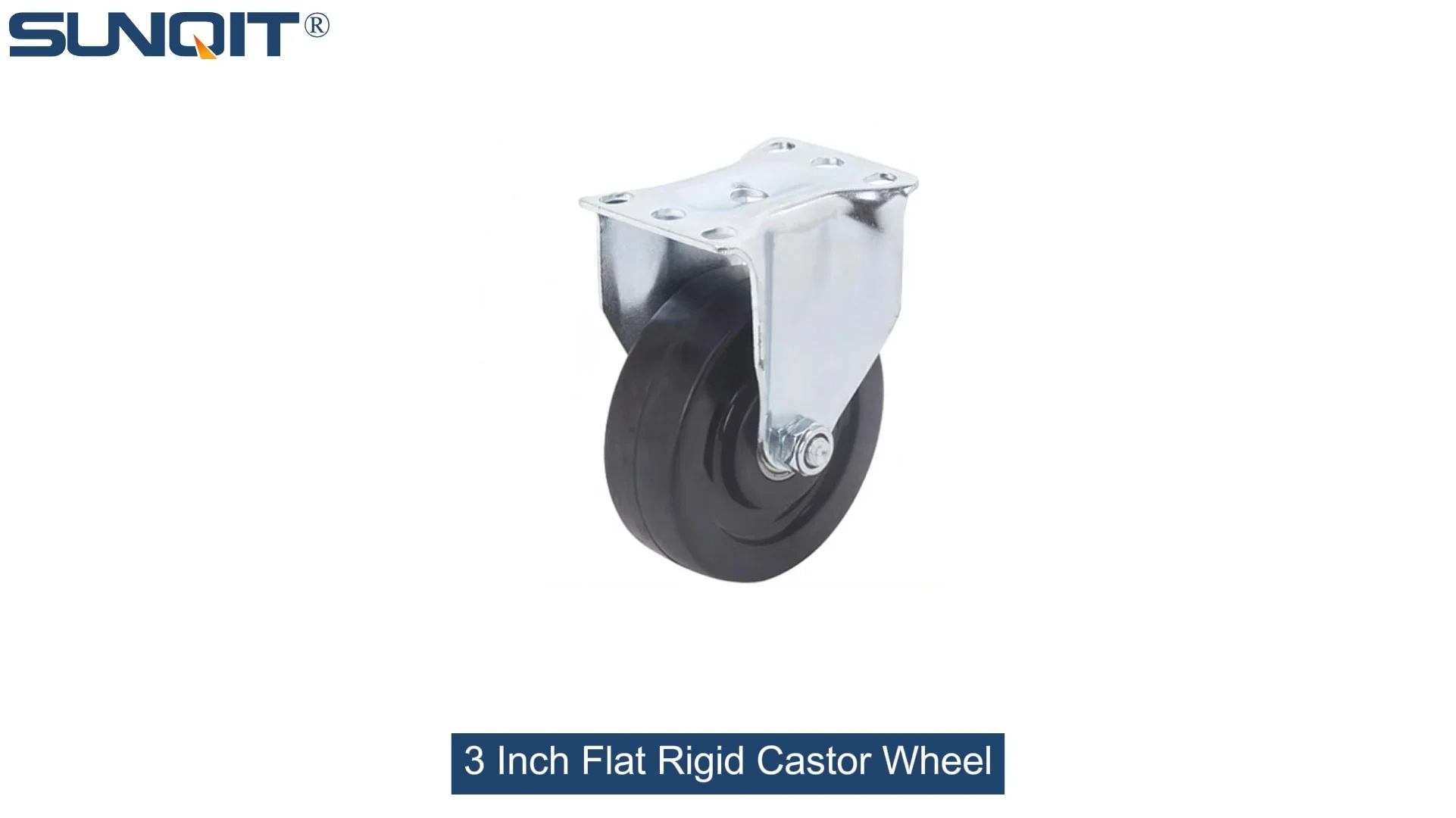
Flat Rigid Castor Wheel
Chair Casters Ball Bearing Wheels Rubber Base. Resistant to abrasion, impact and corrosion. Heavy payload can hold 70Kgs per pcs,which can make it works at a stable and smooth status.
Walk into any busy hospital's supply room, and you'll witness a symphony of movement: nurses hurrying to restock surgical tools, technicians transporting delicate diagnostic equipment, and staff organizing pharmaceuticals with precision. At the heart of this orchestration lies an unsung hero: material handling racks. These structures—whether holding sterile instruments, bulky monitors, or vials of medication—are the backbone of efficient healthcare operations. But what makes these racks truly indispensable? Often, it's the small, unassuming components that keep them moving safely and steadily: castor wheels. Among the various types, flat rigid castor wheels stand out as a critical choice for medical environments, where stability, sterility, and reliability can mean the difference between smooth workflows and costly disruptions.
The High Stakes of Medical Device Material Handling
In healthcare, material handling isn't just about organization—it's about patient safety, regulatory compliance, and staff efficiency. Medical devices, from lightweight syringes to heavy MRI machines, demand careful storage and transport. A single misstep—like a rack tipping over or a device becoming contaminated—can lead to delays in treatment, regulatory penalties, or even patient harm. Consider, for example, a busy operating room: when a surgeon needs a specific tool set, the last thing anyone can afford is a fumble with a poorly designed rack. Similarly, in a laboratory, delicate samples stored on unstable shelving risk spillage, compromising research or diagnostic results.
The challenges are compounded by strict industry standards. Organizations like the FDA and ISO set rigorous guidelines for how medical supplies must be stored, cleaned, and moved. Racks must be easy to sanitize to prevent cross-contamination, sturdy enough to hold heavy loads without bending, and mobile enough to adapt to changing needs—all while fitting into the tight spaces of hospitals and clinics. In this context, every component of a material handling rack, including its wheels, becomes a critical link in the chain of care.
Material Racks: More Than Just Storage
Material racks in healthcare settings are far more than simple shelves. They are dynamic tools designed to adapt to the unique demands of medical environments. A well-designed rack might feature adjustable shelves to accommodate varying device sizes, antimicrobial surfaces to inhibit bacterial growth, and locking mechanisms to secure valuable equipment. But perhaps most importantly, mobility is often non-negotiable. In a space where every square foot counts, racks that can be easily moved to free up floor space, reconfigured for new procedures, or transported directly to patient rooms save precious time and reduce staff strain.
Take, for instance, a material rack designed to hold surgical instruments. During peak hours, this rack might need to be wheeled into a prep area for sterilization, then moved to a storage closet overnight, and later positioned outside an OR for quick access. Without reliable mobility, staff would waste energy lifting or dragging heavy loads, increasing the risk of injury (nurses and technicians already face high rates of musculoskeletal disorders due to manual handling). Here, the choice of castor wheels becomes pivotal: the wrong wheels can turn a mobile rack into a liability, while the right ones transform it into a seamless extension of the care team.

Caster Wheels 101: Why Type Matters
Caster wheels come in a dizzying array of styles, each tailored to specific needs. Swivel casters, for example, rotate 360 degrees, making them ideal for tight spaces where maneuverability is key—think of a hospital cart navigating crowded hallways. Locking casters add an extra layer of safety, allowing users to secure a rack in place once it's positioned. Heavy-duty casters, with reinforced frames and thick treads, are built for extreme loads, like moving MRI machines or industrial-grade sterilizers.
But in medical settings, where stability often trumps maneuverability, flat rigid castor wheels offer distinct advantages. Unlike swivel casters, which pivot freely, rigid casters are fixed in a straight line, meaning they only move forward or backward. This design eliminates the risk of unexpected swiveling, which can cause racks to drift into walkways, bump into walls, or tip over when loaded unevenly. The "flat rigid" designation refers to their base: a flat mounting plate that attaches securely to the rack, paired with a rigid fork that holds the wheel in place. This combination creates a low-profile, stable foundation that's especially valuable for racks carrying heavy or delicate items.

Flat Rigid Castor Wheels: A Closer Look
What exactly sets flat rigid castor wheels apart? Let's break down their design and functionality. First, the flat mounting plate: unlike some casters that use stem mounts (a rod inserted into a hole), flat rigid casters attach via bolts through a flat metal plate. This distributes the rack's weight evenly across the plate, reducing stress on the rack's frame and minimizing the risk of the caster detaching under load. In medical environments, where racks may hold hundreds of pounds of equipment, this stability is non-negotiable.
Next, the rigid fork: a fixed, U-shaped bracket that holds the wheel in a fixed direction. This lack of swivel means the rack moves in a straight line, making it easier to control, especially when pushed by staff who may be wearing bulky scrubs or carrying other items. Imagine, for example, a nurse pushing a rack of medication down a busy corridor: with swivel casters, a sudden bump in the floor could cause the rack to veer off course, potentially colliding with a patient or a wall. With flat rigid casters, the movement remains predictable, even over uneven surfaces like thresholds or grated drains.
The wheels themselves are also designed with medical needs in mind. Most flat rigid castor wheels for healthcare use are made from non-marking, easy-to-clean materials like polyurethane or rubber. These materials resist stains, won't leave scuff marks on hospital floors (which are often polished or vinyl), and can be quickly wiped down with disinfectants to maintain sterility. Some models even feature sealed bearings to prevent dust and debris from accumulating—a critical detail in environments where even a single particle could contaminate sterile supplies.

The Benefits of Flat Rigid Castor Wheels in Medical Racks
In medical device material handling, flat rigid castor wheels offer a host of benefits that directly address the industry's unique challenges. Let's explore why they've become a go-to choice for hospitals, clinics, and labs:
1. Unmatched Stability for Heavy and Delicate Loads
Medical racks often carry unevenly distributed loads: a shelf of lightweight vials on one side, a heavy ultrasound machine on the other. Swivel casters, which can pivot unexpectedly, increase the risk of the rack tipping. Flat rigid casters, with their fixed direction and even weight distribution, counteract this by keeping the rack centered and steady. This is especially important for fragile items like glass vials or precision surgical tools, which can crack or become misaligned if the rack shifts during transport.
2. Simplified Sterilization and Compliance
Hospitals are breeding grounds for germs, making sterility a top priority. Flat rigid castor wheels are designed with minimal crevices, reducing places where bacteria, dust, or bodily fluids can hide. Unlike some swivel casters with complex pivot mechanisms, their simple, rigid structure can be quickly wiped down with alcohol or bleach wipes. This ease of cleaning helps facilities meet strict infection control protocols, such as those outlined by the CDC or WHO, without adding extra steps to staff workflows.
3. Reduced Floor Damage and Noise
Hospital floors are typically made of vinyl, linoleum, or polished concrete—surfaces that scratch easily. Flat rigid casters, with their soft, non-marking treads (often made of polyurethane), glide smoothly without leaving scuffs or indentations. Additionally, their rigid design reduces the "rattle" common with swivel casters, which can create noise pollution in quiet areas like patient rooms or labs. Quieter movement also helps staff communicate more effectively, reducing errors caused by misheard instructions.
4. Cost-Effective Durability
Healthcare budgets are tight, and every dollar saved goes toward patient care. Flat rigid castor wheels are built to last: their simple design means fewer moving parts to wear out or break, reducing the need for frequent replacements. Unlike swivel casters, which may require regular lubrication of their pivot joints, rigid casters need minimal maintenance—just occasional checks for loose bolts or worn treads. Over time, this durability translates to lower long-term costs, making them a smart investment for facilities looking to stretch their budgets.
Real-World Applications: Where Flat Rigid Castor Wheels Shine
To understand the impact of flat rigid castor wheels, let's look at how they're used in specific medical settings:
Surgical Instrument Racks
Sterile instrument sets, often weighing 50 pounds or more, are stored on racks that need to be wheeled into ORs and prep areas. Flat rigid casters ensure these racks move in straight lines, preventing collisions with surgical tables or staff. In one case study, a large hospital in Chicago reported a 40% reduction in "near misses" (close calls with collisions) after switching from swivel to flat rigid casters on their instrument racks. Nurses noted that the racks felt "more controlled," especially when navigating the tight corners between ORs.
Pharmacy Medication Carts
Medication carts, which hold hundreds of vials and pill bottles, require precise positioning at patient bedsides. Flat rigid casters allow pharmacists and nurses to roll the carts smoothly down hallways, then lock them in place (often with an additional brake feature) for safe access. The stability of rigid wheels also reduces the risk of bottles shifting or falling during transport, which is critical for preventing medication errors.
Laboratory Sample Storage
In labs, racks holding blood samples, tissue cultures, or chemical reagents must remain stable to avoid spills. Flat rigid casters ensure that even when a rack is loaded unevenly (e.g., with heavier samples on one shelf), it won't wobble during transport. A research lab at a university hospital in Boston noted that after upgrading to flat rigid casters, sample spillage incidents dropped by 65%, saving thousands of dollars in lost research and replacement costs.
Choosing the Right Flat Rigid Castor Wheels for Your Racks
Not all flat rigid castor wheels are created equal. To select the best option for your medical facility, consider these key factors:
Load Capacity
Start by calculating the maximum weight your rack will carry, including the rack itself. Flat rigid casters are rated for specific loads (e.g., 200 lbs per wheel), and exceeding this can lead to wheel failure or frame bending. For heavy loads, opt for casters with reinforced steel frames and larger wheels (4-6 inches in diameter), which distribute weight more evenly.
Floor Type
The tread material of the caster wheel should match your facility's flooring. Polyurethane treads are ideal for smooth surfaces like vinyl or linoleum, as they offer good traction without scratching. For uneven floors or outdoor use (e.g., loading docks), rubber treads may provide better shock absorption.
Sterility Requirements
If your racks will be used in sterile environments (e.g., ORs, isolation rooms), choose casters with sealed bearings and non-porous materials to prevent bacterial growth. Some manufacturers offer antimicrobial coatings, which can add an extra layer of protection.
Mounting Compatibility
Ensure the caster's mounting plate matches your rack's design. Most medical racks use bolt-on mounting, so check the hole pattern and plate size to avoid compatibility issues. If you're retrofitting existing racks, measure the distance between mounting holes to ensure a secure fit.
Installation and Maintenance Best Practices
Even the best flat rigid castor wheels will underperform if installed or maintained improperly. Follow these steps to ensure optimal performance:
Installation Tips
1. Check alignment: When mounting casters, ensure all four wheels are aligned in the same direction (since rigid casters don't swivel, misalignment will make the rack hard to push). Use a level to confirm the rack sits evenly on all wheels, preventing wobbling.
2. Tighten bolts securely: Loose bolts can cause the caster to shift or detach. Use a torque wrench to tighten bolts to the manufacturer's specifications—over-tightening can strip threads, while under-tightening risks instability.
3. Test before use: After installation, push the rack forward and backward to ensure smooth movement. Check for unusual noises (which may indicate misalignment) and test the brakes (if equipped) to ensure they hold the rack securely.
Maintenance Checklist
1. Weekly inspections: Check for loose bolts, worn treads, or debris stuck in the wheels. Clean wheels with disinfectant wipes to remove dirt and grime.
2. Monthly lubrication: If your casters have grease fittings, apply a food-grade lubricant to bearings to reduce friction. Avoid over-lubricating, as excess grease can attract dust.
3. replace worn parts promptly: If a wheel's tread is cracked, or the frame is bent, replace the caster immediately. Delaying replacement can lead to uneven wear on other wheels or damage to the rack itself.
Comparison Table: Caster Wheel Types for Medical Material Racks
| Caster Type | Stability | Load Capacity | Maneuverability | Sterility Ease | Best For |
|---|---|---|---|---|---|
| Flat Rigid | High (fixed direction) | Medium-High (200-800 lbs/wheel) | Low (only forward/backward) | High (minimal crevices) | Heavy/delicate loads, sterile environments |
| Swivel | Low (pivots freely) | Medium (100-500 lbs/wheel) | High (360° rotation) | Medium (pivot joints trap debris) | Light loads, tight spaces (e.g., exam rooms) |
| Swivel with Brake | Medium (locks when braked) | Medium (150-600 lbs/wheel) | High (brakes for stability) | Medium (brakes add complexity) | Mobile carts needing occasional stability |
| Heavy-Duty Locking | Very High (reinforced frame + brake) | Very High (800+ lbs/wheel) | Low (bulky design) | Low (many moving parts) | Extreme loads (e.g., MRI machines) |
The Future of Flat Rigid Castor Wheels in Healthcare
As healthcare technology advances, so too will the demands on material handling equipment. Future flat rigid castor wheels may incorporate innovative features to meet these needs, such as:
Antimicrobial coatings: Manufacturers are experimenting with copper-infused or silver-ion treads, which naturally kill bacteria on contact, reducing infection risks even further.
Smart sensors: Casters equipped with RFID tags or weight sensors could track rack locations, monitor load limits, or alert staff when maintenance is due—integrating with hospital inventory systems for real-time visibility.
Lightweight materials: Advances in aluminum and composite frames may reduce caster weight without sacrificing strength, making racks easier to push and reducing strain on staff.
Conclusion: Small Wheels, Big Impact
In the fast-paced world of healthcare, it's easy to overlook the small components that keep operations running smoothly. Flat rigid castor wheels may not grab headlines, but their role in ensuring stable, sterile, and efficient material handling is undeniable. By choosing the right casters—ones that balance load capacity, floor compatibility, and ease of maintenance—healthcare facilities can reduce risks, improve workflows, and focus on what matters most: patient care. So the next time you see a material rack gliding down a hospital hallway, take a moment to appreciate the flat rigid castor wheels beneath it. They may be small, but their impact is enormous.