- Company Articles
- Products and Technology
- Product knowledge
- Using Heavy Duty Split Foot Seats in Warehousing: Racking Stability

Using Heavy Duty Split Foot Seats in Warehousing: Racking Stability
Related Product
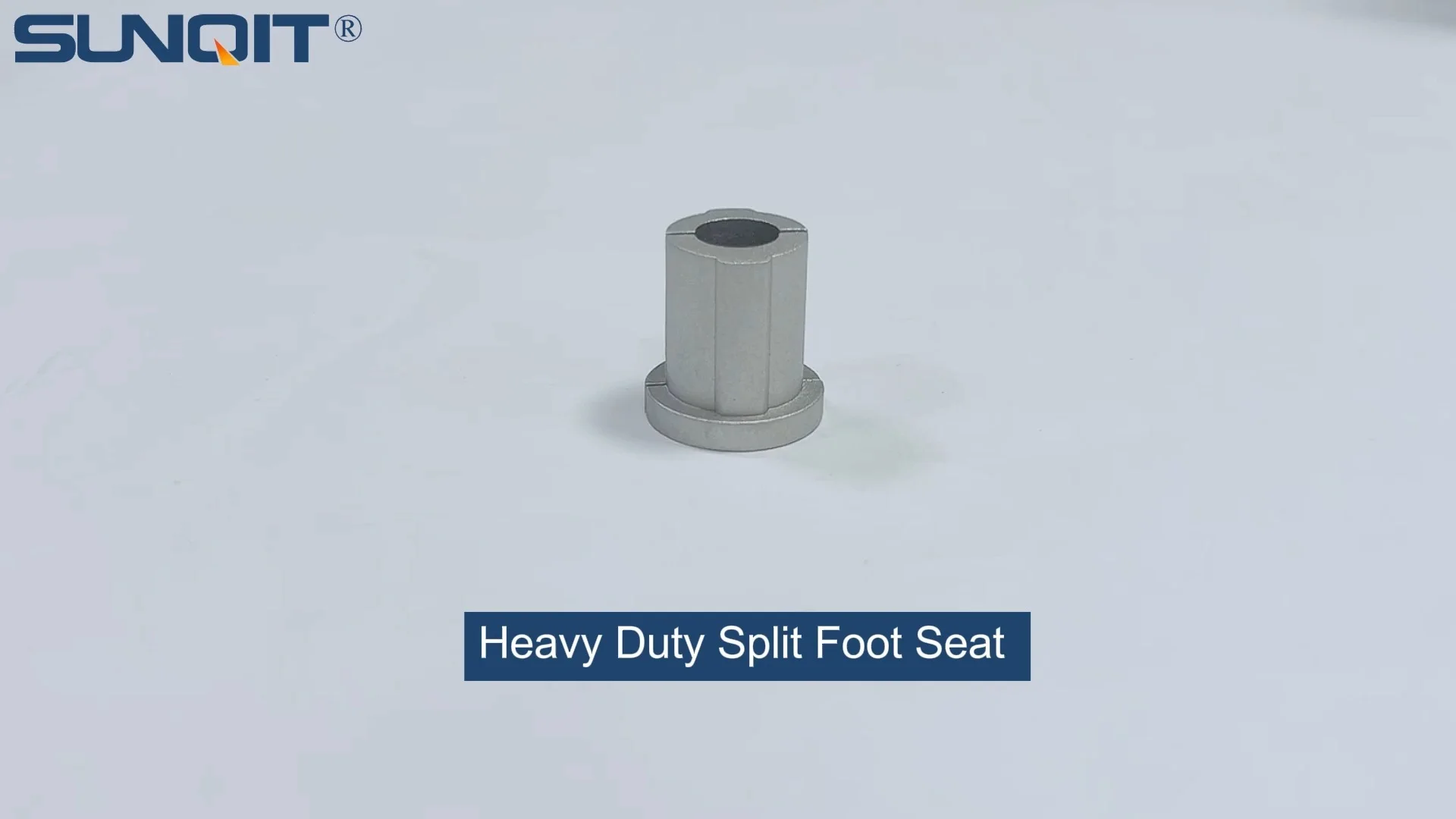
Heavy Duty Split Foot Seat
M10 aluminum heavy duty split foot deat with foot adjuster for workbench and flow rack.
Walk into any thriving warehouse, and you'll feel the pulse of productivity: forklifts hum as they transport pallets, workers coordinate to load and unload goods, and products flow seamlessly from storage to shipping. At the heart of this chaos-turned-order are the unsung heroes: racking systems. These towering structures hold everything from raw materials to finished products, making them the backbone of warehouse operations. But here's the thing: their reliability hinges on one critical factor—stability. A single unstable rack can disrupt workflows, damage inventory, or worse, put lives at risk. That's where heavy duty split foot seats come in. These unassuming components might not grab headlines, but they're the quiet guardians ensuring your racking stands firm, even when the pressure is on.
The Hidden Cost of Unstable Racking: Why Stability Matters More Than You Think
Stability in warehousing isn't just about avoiding accidents—it's about protecting your bottom line, your team, and your reputation. Let's break it down. First, safety: A rack that leans or collapses can crush products, damage equipment, or injure workers. OSHA reports that warehouse rack collapses result in hundreds of injuries annually, many of which are severe. Beyond physical harm, there's the financial toll: damaged inventory, halted operations, and potential fines for non-compliance with safety standards. Then there's efficiency. Unstable racks often require constant readjustment, slowing down workflows as teams navigate around wobbly structures. Over time, these delays add up, eating into productivity and eroding profit margins.
What causes instability? More often than not, it starts with the foundation. Warehouses rarely have perfectly level floors—concrete can settle, cracks can form, or uneven loading can create subtle slopes. Standard rack feet, which are fixed and rigid, struggle to adapt to these imperfections. They sit flat, but if the floor dips even slightly, the rack's weight distribution shifts, creating weak points. Add heavy loads—sometimes thousands of pounds per shelf—and those weak points become ticking time bombs. This is especially true for dynamic systems like flow racks , where products slide along roller tracks. The constant movement of goods adds vibration, which can exacerbate instability if the rack isn't properly anchored.
What Are Heavy Duty Split Foot Seats? A Closer Look at the Design
So, what makes heavy duty split foot seats different from standard rack feet? Let's start with the basics. A split foot seat is exactly what it sounds like: instead of a single solid base, it's divided into two separate, adjustable plates (the "split" design). These plates are connected by a central bolt or mechanism that allows for micro-adjustments—think of it like a tiny leveling system for your rack. Most are made from high-grade steel or reinforced aluminum, materials chosen for their strength and resistance to corrosion, ensuring they stand up to the damp, dusty environments common in warehouses.
The magic is in the adjustability. Unlike fixed feet, which are either "on the floor" or "not," split foot seats let you tweak each plate independently. If the floor dips on one side, you can raise that plate slightly to compensate. If there's a small bump, you can lower the other. This fine-tuning ensures the rack's weight is evenly distributed across both plates, eliminating wobble and reducing stress on the rack's uprights. Some models even include rubber or non-slip pads on the bottom of the plates, adding extra grip to prevent sliding—critical in busy environments where forklifts or caster wheels might bump into racks accidentally.
But "heavy duty" isn't just a marketing term. These seats are engineered to handle extreme loads. A standard split foot seat might support 2,000 pounds per foot, while heavy duty versions can handle 5,000 pounds or more. That's a game-changer for warehouses storing heavy items like automotive parts, machinery, or bulk materials. They're also designed to work with a variety of rack types, from simple selective racks to complex lean system setups, where efficiency and space-saving are priorities. Whether your racks are made from steel, aluminum profile , or a mix of materials, there's a split foot seat designed to integrate seamlessly.

How Heavy Duty Split Foot Seats Enhance Racking Stability: The Mechanics
To understand why split foot seats are so effective, let's dive into the mechanics of stability. A rack's stability depends on two factors: its center of gravity and its contact with the floor. The lower the center of gravity and the larger the contact area, the more stable it is. Split foot seats boost both. By allowing independent adjustment of each plate, they ensure the entire base of the rack stays in contact with the floor, even on uneven surfaces. This increases the contact area, spreading the rack's weight over a larger footprint and lowering the center of gravity.
Let's use an example. Imagine a standard rack with fixed feet placed on a floor that slopes by just 1/4 inch over 10 feet. The fixed feet will sit unevenly—one side slightly off the ground—meaning the rack is essentially resting on three feet instead of four. The weight shifts to the three grounded feet, putting extra stress on those uprights. Over time, that stress can bend the metal, causing the rack to lean further. Now, replace those fixed feet with split foot seats. You adjust the two plates on the sloped side, raising one slightly to meet the floor. Now all four feet are grounded, weight is evenly distributed, and the rack stands straight. No more stress, no more leaning—just stable, reliable support.
Another key advantage is vibration absorption. In warehouses with flow racks or conveyor systems, constant movement creates vibrations that can loosen bolts or shift racks over time. The split design acts like a shock absorber: the two plates can move slightly relative to each other, dampening vibrations and preventing them from traveling up the rack. This is especially important for lean systems, where minimizing downtime and maximizing efficiency are core goals. A rack that stays stable without constant maintenance aligns perfectly with lean principles—reducing waste (in this case, wasted time on adjustments) and keeping workflows smooth.

Integrating Split Foot Seats with Existing Systems: Compatibility and Installation
One of the biggest questions warehouse managers ask is: "Will these work with my current racks?" The short answer is almost always yes. Heavy duty split foot seats are designed to be versatile, fitting most standard rack uprights, including those made from steel, aluminum profile, or even stainless steel. They typically attach via bolts or clamps, requiring minimal modification to existing structures. For example, if your racks use aluminum profile uprights (common in modern, lightweight systems), there are split foot seats with specially designed clamps that grip the profile's T-slots, ensuring a secure fit without drilling or welding.
Installation is straightforward, but it does require attention to detail. Here's a quick step-by-step guide: First, inspect the existing rack feet. Remove any damaged or worn feet, and clean the area where the new split foot seats will attach. Next, position the split foot seat on the rack's base plate, aligning the bolt holes. Tighten the bolts just enough to hold the seat in place—you'll need to adjust it later. Then, use a level to check the rack's uprights. If they're leaning, loosen the central bolt on the split foot seat and adjust the plates up or down until the rack is plumb. Once level, fully tighten the bolts, ensuring the plates are secure against the floor. Finally, test the stability by gently pushing the rack from different angles—there should be no wobble or movement.
For new installations, it's even easier. When designing your rack layout, simply specify split foot seats from the start. This allows you to integrate them into the rack's design, ensuring optimal placement and load distribution. Many suppliers offer custom sizing, so if you have unique rack dimensions or extra-heavy loads, you can get seats tailored to your needs. And don't forget about compatibility with other accessories: if your racks use caster wheels for mobility (common in temporary or flexible setups), look for split foot seats that can be easily removed when casters are needed, and reattached when stability is the priority.

Standard vs. Heavy Duty Split Foot Seats: A Comparison
Not all split foot seats are created equal. While standard split seats work for light to medium loads, heavy duty versions are built for the toughest warehouse environments. To help you decide which is right for your operation, here's a comparison:
| Feature | Standard Split Foot Seats | Heavy Duty Split Foot Seats |
|---|---|---|
| Load Capacity | Up to 2,000 lbs per seat | 5,000+ lbs per seat |
| Adjustment Range | ± 1/4 inch | ± 1/2 inch or more |
| Material | Light steel or aluminum | High-grade steel or reinforced aluminum |
| Best For | Light loads, stable floors, static storage | Heavy loads, uneven floors, dynamic systems (flow racks, conveyors) |
| Vibration Resistance | Basic | Enhanced (thicker plates, shock-absorbing pads) |
As you can see, heavy duty split foot seats are the clear choice for warehouses dealing with heavy loads, uneven floors, or dynamic storage systems like flow racks. They're an investment, but one that pays off in reduced downtime, fewer accidents, and longer rack lifespan.
Maintenance and Longevity: Keeping Your Split Foot Seats in Top Shape
Like any warehouse equipment, split foot seats require regular maintenance to perform at their best. The good news is, it's minimal. Start with monthly inspections: check for loose bolts, cracks in the plates, or wear on the non-slip pads. Tighten any loose bolts—vibration can cause them to loosen over time. If the non-slip pads are worn, replace them; they're cheap and critical for preventing sliding. For warehouses with high humidity or exposure to chemicals, inspect for rust or corrosion. Most heavy duty models are coated with anti-rust finishes, but touch-ups with spray paint can extend their life if needed.
Another tip: re-level your racks seasonally. Temperature changes can cause concrete floors to expand or contract slightly, altering their levelness. A quick check with a level and minor adjustments to the split foot seats can prevent stability issues before they start. And if you're rearranging racks or changing load weights, always recheck the foot seats. Adding heavier products to a shelf can shift the rack's center of gravity, requiring a slight readjustment of the plates to maintain even weight distribution.
Real-World Impact: A Case Study
Let's look at how one warehouse transformed its stability with heavy duty split foot seats. A mid-sized electronics distributor in the Midwest was struggling with frequent rack instability. Their facility, built in the 1990s, had uneven concrete floors, and they stored heavy circuit boards and components on flow racks. The constant sliding of products caused vibrations, leading to racks that leaned noticeably within weeks of installation. Workers were nervous about working near the racks, and the team spent 2-3 hours each week readjusting feet and tightening bolts—time that could have been spent on more productive tasks.
After consulting with a rack supplier, they decided to install heavy duty split foot seats on all 40 of their flow racks. The results were immediate: within a month, the leaning stopped. Workers reported feeling safer, and the weekly adjustment time dropped to less than 30 minutes. Six months later, they hadn't experienced a single rack-related incident, and inventory damage from falling goods decreased by 75%. The warehouse manager noted, "It's not just about stability—it's about peace of mind. Our team can focus on getting orders out instead of worrying about racks. And with our lean system goals, cutting down on wasted time was a huge win."
Choosing the Right Supplier: What to Look For
Not all split foot seats are created equal, so choosing the right supplier is key. Look for a supplier with experience in warehouse racking systems—they'll understand your unique challenges and can recommend the best products for your needs. Ask about material quality: are the seats made from high-grade steel? Do they offer corrosion-resistant options for damp environments? Check load ratings: make sure the seats can handle your maximum projected load, plus a safety margin (aim for 1.5 times your typical load to be safe).
Also, inquire about customization. If you have non-standard rack dimensions or special requirements (like compatibility with aluminum profile), a supplier that offers custom solutions will be invaluable. And don't forget about customer support: a good supplier should provide installation guidance, maintenance tips, and responsive service if you run into issues. Finally, read reviews or ask for references. Hearing from other warehouses that have used their split foot seats can give you confidence in your choice.
Conclusion: Stability as the Foundation of Warehouse Success
In the fast-paced world of warehousing, it's easy to overlook the small components that keep everything running smoothly. But heavy duty split foot seats are proof that sometimes, the most critical innovations are the ones you don't see. They're the silent partners ensuring your racks stand tall, your products stay safe, and your team can work without fear of instability. Whether you're running a lean system focused on efficiency, managing dynamic flow racks, or storing heavy loads on uneven floors, these unassuming tools deliver tangible benefits: fewer accidents, less downtime, and a more productive workplace.
So, the next time you walk through your warehouse, take a moment to look down at the base of your racks. Are they sitting on fixed feet, struggling to adapt to the floor's imperfections? Or are they supported by split foot seats, quietly keeping everything stable? The difference might just be the key to unlocking a safer, more efficient operation. After all, in warehousing, stability isn't just a goal—it's the foundation on which everything else is built.