- Company Articles
- Products and Technology
- Product knowledge
- Using Lean Pipe Clamp B Chrome with Non-Lean Pipes: Compatibility Check

Using Lean Pipe Clamp B Chrome with Non-Lean Pipes: Compatibility Check
Related Product
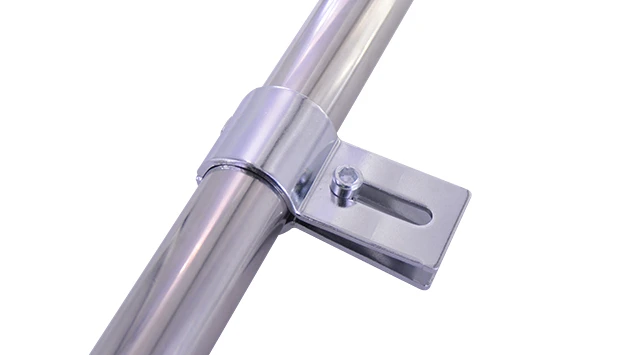
Lean Pipe Clamp B Chrome
Lean pipe clamp is used for turnover trolley, workbench, flowrack adjust the frame or fix some accessory.
Using Lean Pipe Clamp B Chrome with Non-Lean Pipes: Compatibility Check
In the world of manufacturing, workshops, and production lines, the unsung heroes often aren't the flashy machines or high-tech gadgets—it's the humble components that hold everything together. Pipe clamps, in particular, play a critical role in keeping workbenches stable, flow racks secure, and conveyor systems running smoothly. If you've spent any time around lean manufacturing setups, you've probably heard of lean pipe clamp B chrome —a staple in many lean systems for its durability and versatility. But here's the question that often pops up: what if you don't have "lean pipes" on hand? Can you use this trusty clamp with non-lean pipes, like aluminum or stainless steel? Let's dive into that compatibility puzzle, because understanding how to mix and match components can save you time, money, and a lot of frustration down the line.
First Things First: What Exactly Is Lean Pipe Clamp B Chrome?
Before we jump into compatibility, let's make sure we're all on the same page about what lean pipe clamp B chrome actually is. These clamps are designed as part of the broader ecosystem of lean manufacturing tools, meant to work seamlessly with standard lean pipes—typically 28mm diameter steel pipes coated in plastic or epoxy for durability and corrosion resistance. The "chrome" in the name refers to the plating on the clamp itself, which adds a layer of rust resistance and a smooth, professional finish.
What makes lean pipe clamp B chrome stand out? For starters, its adjustable design. Most models feature a split-ring structure with a bolt that tightens to grip the pipe, allowing for quick assembly and disassembly—key for lean systems that prioritize flexibility and adaptability. They're also built to handle moderate to heavy loads, making them a go-to for everything from simple workbench frames to more complex material racks. But here's the catch: they're engineered with standard lean pipes in mind. So when you throw non-lean pipes into the mix—say, an aluminum pipe or a piece from a stainless steel pipe series —you need to ask: will the clamp grip securely? Will the materials play well together? Let's break it down.
The Compatibility Checklist: Key Factors to Consider
Using lean pipe clamp B chrome with non-lean pipes isn't impossible, but it's not a one-size-fits-all scenario. The success of the pairing depends on three main factors: pipe diameter , material composition , and surface finish . Let's unpack each one.
1. Pipe Diameter: Size Matters (A Lot)
Standard lean pipes are typically 28mm in outer diameter (OD), and lean pipe clamp B chrome is designed to snugly fit this size. If your non-lean pipe has a different OD—say, 25mm (common for smaller aluminum pipes) or 32mm (found in some stainless steel variants)—you'll run into issues. A pipe that's too small will rattle inside the clamp, leading to loose joints and instability. One that's too large won't fit at all, no matter how hard you tighten the bolt.
So, first step: measure your non-lean pipe's OD with a caliper. If it's 28mm, you're in luck—you can skip to the next factor. If it's slightly off (e.g., 27mm or 29mm), there might be workarounds, but more on that later. For pipes with drastically different diameters, you're better off either sourcing a reducer (if available) or choosing a different clamp altogether.
2. Material Composition: Will They Play Nice?
Lean pipe clamp B chrome is made of steel with a chrome plating, while non-lean pipes can be aluminum, stainless steel, galvanized steel, or even PVC. The main concern here is galvanic corrosion —a chemical reaction that occurs when two dissimilar metals are in contact, especially in humid or damp environments. For example, if you pair a chrome-plated steel clamp with an aluminum pipe, the aluminum (which is more reactive) might corrode over time, weakening the joint.
Stainless steel, on the other hand, is more corrosion-resistant, so pairing it with a chrome clamp is generally safer. Aluminum can work too, but you'll want to take precautions—like adding a non-conductive washer between the clamp and the pipe—to minimize contact between the metals. PVC or plastic pipes? They're non-conductive, so corrosion isn't an issue, but grip might be—more on that in the next section.
3. Surface Finish: Grip Is Everything
Standard lean pipes have a slightly textured surface (thanks to their plastic coating), which helps the clamp bite in and stay tight. Non-lean pipes, though, can have very different finishes. Aluminum pipes, for instance, often have a smooth, anodized surface that's slippery. Similarly, polished stainless steel from a stainless steel pipe series might look sleek, but that shine means less friction between the pipe and the clamp.
A smooth surface can lead to the clamp slipping over time, especially under vibration or load. On the flip side, a pipe with a rough finish (like unpolished stainless steel or galvanized steel) might provide enough grip, but you'll need to check if the clamp's teeth (if it has them) can dig in without damaging the pipe's surface.
Case Study: Compatibility with Common Non-Lean Pipes
To make this more concrete, let's look at two of the most popular non-lean pipe types: aluminum pipe and stainless steel pipe series . How do they stack up against lean pipe clamp B chrome?
| Pipe Type | Typical OD (mm) | Material | Surface Finish | Compatibility with Lean Pipe Clamp B Chrome | Installation Tips |
|---|---|---|---|---|---|
| Standard Lean Pipe | 28mm | Steel (plastic/epoxy coated) | Slightly textured | Excellent (designed for this) | Tighten bolt until snug; no extra steps needed |
| Aluminum Pipe (Common Size) | 25mm or 28mm | Aluminum alloy (6061 or similar) | Smooth (anodized or mill finish) | Good (if 28mm OD); Fair (if 25mm OD) | For 25mm: Use rubber shims to fill gaps; avoid over-tightening (aluminum dents easily) |
| Stainless Steel Pipe Series (304/316) | 28mm or 32mm | Stainless steel (corrosion-resistant) | Polished (smooth) or unpolished (slightly rough) | Excellent (if 28mm, unpolished); Fair (if 32mm or polished) | For polished: Add a thin layer of grip tape between pipe and clamp; for 32mm: Use a pipe reducer bushing |
| Galvanized Steel Pipe | 26mm or 32mm | Steel with zinc coating | Slightly rough (zinc texture) | Fair (if 26mm); Poor (if 32mm) | Check for zinc flaking; use anti-seize compound on clamp bolt to prevent galvanic corrosion |
Aluminum Pipe: Lightweight but Tricky
Aluminum pipes are popular in setups where weight matters—think mobile workstations or temporary assembly lines—because they're significantly lighter than steel. If you're using a 28mm OD aluminum pipe, you're off to a good start. The diameter matches the clamp's design, so the fit should be snug. The main issue? Aluminum's softness. Over-tightening the clamp's bolt can dent or crush the pipe, weakening it over time. To avoid this, tighten the bolt until the clamp grips firmly, but stop before you feel resistance—you want a secure hold, not a vice grip.
If your aluminum pipe is smaller (e.g., 25mm OD), all is not lost. You can use thin rubber shims (cut from old bike inner tubes or purchased as pipe insulation) to wrap around the pipe, increasing its effective diameter to 28mm. Just make sure the shims are even and don't bunch up, as uneven padding will lead to instability. Pro tip: Avoid using metal shims, as they can scratch the aluminum and cause galvanic corrosion when in contact with the chrome-plated clamp.
Real-World Example: Maria, a small-scale electronics manufacturer, wanted to upgrade her workshop's workbenches to be lighter. She swapped her old steel lean pipes for 25mm aluminum pipes but still had a box of lean pipe clamp B chrome left over. By adding 1.5mm rubber shims to each pipe, she was able to use the clamps successfully. Six months later, the joints are still tight, and the benches are 30% lighter—success!
Stainless Steel Pipe Series: Durable but Finicky
Stainless steel pipes, especially those from a stainless steel pipe series like 304 (food-grade) or 316 (marine-grade), are prized for their corrosion resistance and strength. They're common in environments where hygiene or durability is critical—think pharmaceutical labs, commercial kitchens, or outdoor workshops. If you're using a 28mm OD stainless steel pipe with a brushed or unpolished finish, lean pipe clamp B chrome should work well. The rough surface provides enough friction for the clamp to grip, and stainless steel's hardness means you can tighten the bolt more securely without damaging the pipe.
Polished stainless steel is a different story. Its mirror-like finish offers little friction, so the clamp might slip under load. To fix this, add a strip of grip tape (like the kind used on skateboards) between the pipe and the clamp. The tape's texture increases friction, while its adhesive backing keeps it in place. For 32mm OD stainless steel pipes, you'll need a pipe reducer bushing—these are plastic or metal sleeves that slip over the pipe, reducing its OD to 28mm. Just make sure the bushing is rated for the load you're putting on it; cheap plastic bushings can crack under heavy weight.
Avoiding Common Pitfalls: What Not to Do
Even if your non-lean pipe checks the diameter and material boxes, there are a few mistakes that can derail your project. Here's what to watch out for:
• Over-Tightening: A Recipe for Disaster
It's tempting to crank the clamp's bolt as tight as possible to ensure a "secure" fit, but this is a bad idea—especially with soft materials like aluminum. Over-tightening can warp the pipe, strip the clamp's threads, or even crack the chrome plating. A good rule of thumb: tighten until the clamp doesn't move when you wiggle the pipe, then give the bolt a quarter-turn more. That's enough to lock it in place without damaging anything.
• Ignoring Galvanic Corrosion
As mentioned earlier, mixing dissimilar metals (like chrome-plated steel and aluminum) can lead to galvanic corrosion, where one metal acts as an anode and corrodes faster. This is more likely in humid environments or if the setup is exposed to water. To prevent it, separate the metals with a non-conductive barrier—like a rubber washer or plastic shim. You can also apply a thin layer of anti-corrosion grease to the clamp's contact points, though this might reduce grip slightly, so use it sparingly.
• Skipping Load Tests
Even if the clamp feels tight during assembly, always test the joint with the intended load before relying on it. Hang weights equivalent to what the setup will carry (e.g., tools, materials) and leave them for 24 hours. If the joint loosens or the pipe shifts, you need to adjust—either by adding shims, switching to a different clamp, or using a different pipe.
When to Call in the Experts: Consulting Your Lean Pipe Supplier
If you're still unsure about compatibility, don't guess—reach out to your lean pipe supplier . Reputable suppliers have technical specs for their clamps, including maximum and minimum pipe diameters they can accommodate, and can often recommend workarounds for non-standard pipes. Some even offer sample clamps or trial kits, so you can test compatibility with your specific non-lean pipes before buying in bulk.
For example, a quick call to your supplier might reveal that they sell "universal" clamp inserts designed to adapt lean pipe clamps to smaller or larger pipes. Or they might point out that a particular aluminum pipe variant (like those with a reinforced wall) is better suited for clamping than a standard thin-wall model. Suppliers are also a great resource for troubleshooting—if you're experiencing slipping or corrosion, they can help identify the root cause.
Final Thoughts: Flexibility Without Sacrificing Safety
Using lean pipe clamp B chrome with non-lean pipes is absolutely possible, provided you pay attention to the details: check the diameter, consider the material, and test the grip. Whether you're working with aluminum pipe for weight savings or a stainless steel pipe series for durability, the key is to adapt the setup to fit the clamp, not the other way around. With the right shims, reducers, or grip aids, you can keep your lean system flexible and cost-effective, even when you're not using standard lean pipes.
At the end of the day, lean manufacturing is about efficiency and adaptability—and that includes making the most of the tools you have. So don't let a lack of standard lean pipes stop you from building the setup you need. With a little know-how and careful planning, lean pipe clamp B chrome can be your bridge between standard lean systems and the non-lean pipes in your inventory. Just remember: measure twice, test once, and when in doubt, ask your supplier. Your joints (and your sanity) will thank you.