- Company Articles
- Products and Technology
- Solution
- Using Three Way Lean Pipe Joint Chrome in Custom Lean Solutions for Warehouses

Using Three Way Lean Pipe Joint Chrome in Custom Lean Solutions for Warehouses
Related Product
Three Way Lean Pipe Joint Chrome
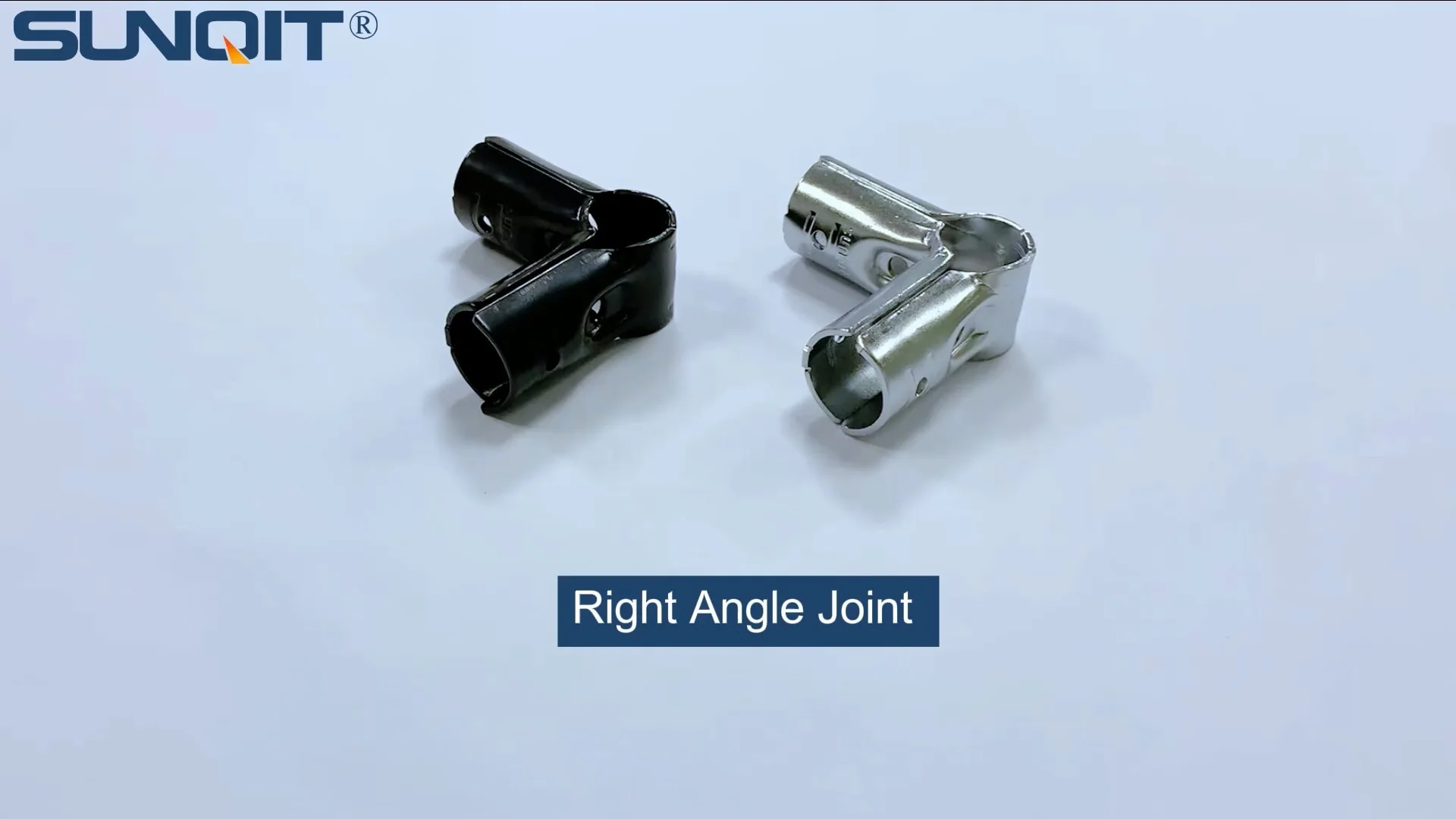
Three way lean pipe joint for 3 pcs 28MM lean pipe connection in straight angle, which used widely in workbench, flow rack, hand trolley frame connection.
Walk into many warehouses today, and you might notice a familiar pattern: cluttered workbenches, materials stuck in bottlenecks, and teams scrambling to keep up with shifting production demands. For managers, these challenges aren't just daily headaches—they're barriers to profitability. In an era where efficiency is the name of the game, lean manufacturing principles have become the gold standard for streamlining operations. But lean isn't just a philosophy; it's built on the physical tools and components that turn disorganized spaces into well-oiled machines. Among these components, one small but mighty part stands out: the three way lean pipe joint chrome. This unassuming connector is the backbone of customizable lean solutions, enabling warehouses to build everything from flexible workbenches to dynamic flow racks that adapt to their unique needs. In this article, we'll dive into how this joint transforms warehouse operations, why it's a favorite among lean system suppliers, and how it integrates with other components to create solutions that reduce waste, boost productivity, and grow with your business.
Understanding Lean Systems in Modern Warehouses
Before we zoom in on the three way lean pipe joint chrome, let's take a step back to understand why lean systems matter in warehouses. At its core, lean is about eliminating waste—whether that's wasted time, space, materials, or effort—and focusing on creating value for the customer. In a warehouse setting, this translates to smoother workflows, faster material handling, and a layout that responds quickly to changes in demand. Traditional warehouse setups often rely on fixed, one-size-fits-all equipment: heavy steel racks bolted to the floor, workbenches that can't be adjusted, and conveyor systems that require major overhauls to reconfigure. These rigid structures might work for static operations, but in today's fast-paced manufacturing and distribution environments, they become liabilities. A product line changes, a new client requires different packaging, or seasonal demand spikes—and suddenly, that fixed rack is taking up precious space, or that workbench is too low for ergonomic assembly.
Lean systems solve this by prioritizing flexibility. They're built on modular components that can be easily assembled, disassembled, and reconfigured without specialized tools or extensive downtime. Think of it like building with Legos for adults: each piece (pipes, joints, accessories) is designed to connect seamlessly, allowing you to create exactly what you need, when you need it. And at the heart of this modularity are joints—the connectors that hold the system together. Not all joints are created equal, though. The three way lean pipe joint chrome, in particular, has emerged as a workhorse in these setups, thanks to its durability, versatility, and ability to create multi-directional structures that form the basis of everything from workstations to material flow systems.
The Role of Three Way Lean Pipe Joint Chrome: More Than Just a Connector
At first glance, a three way lean pipe joint chrome might look like little more than a metal T-shape with threaded holes. But to a warehouse manager or lean coordinator, it's a Swiss Army knife of flexibility. Let's break down what makes this joint so essential. First, its design: as the name suggests, it connects three lean pipes at once, typically at 90-degree angles (though some models allow for adjustable angles). This means you can build structures that branch out in multiple directions—perfect for creating shelves, adding cross-braces for stability, or integrating vertical and horizontal components in a single setup. Unlike two-way joints, which only connect two pipes in a straight line, the three-way design opens up a world of possibilities for customization. Need a workbench with a shelf above and a tool rack to the side? The three-way joint makes that possible without extra hardware.
Then there's the chrome plating. While some joints come in basic steel or plastic, chrome-plated versions offer distinct advantages for warehouse environments. Chrome is naturally resistant to corrosion, which is critical in spaces where moisture (from cleaning, humidity, or even spilled liquids) can lead to rust and structural weakness over time. It's also easy to clean—just a wipe with a damp cloth removes dust and debris, helping maintain a hygienic workspace (a must in industries like food processing or pharmaceuticals). Beyond functionality, chrome adds a professional, polished look to the system, which might seem minor, but can boost team morale in environments where appearance often reflects care for the workspace. A shiny, well-maintained lean setup sends a message: "We invest in efficiency, and we value your work."
But perhaps the biggest benefit of the three way lean pipe joint chrome is its compatibility. It works seamlessly with standard lean pipes—whether they're steel, aluminum, or even stainless steel pipe series—and pairs with other accessories like casters, roller tracks, and workbench surfaces. This compatibility means you're not locked into a single brand or system; if you need to expand an existing setup or repurpose components from another area, the joint ensures everything connects smoothly. For example, a lean system supplier might recommend using the three-way joint to attach a flow rack to a conveyor, creating a continuous material flow from storage to assembly. Or, in a lean pipe workbench, the joint can connect the main frame to adjustable legs, a shelf for tools, and a side rack for turnover bins—all in one cohesive unit.

Customization in Action: Building Lean Solutions with Three Way Joints
The true power of the three way lean pipe joint chrome shines when it's used to create custom solutions tailored to a warehouse's specific challenges. No two warehouses are identical, after all—even within the same industry. A small electronics shop might need compact workbenches for intricate assembly, while a large distribution center requires sprawling flow racks to move pallets efficiently. The three-way joint adapts to both, serving as the building block for personalized setups. Let's explore how this works in three common warehouse applications: lean pipe workbenches, flow racks, and conveyors. Each of these solutions relies on the joint to varying degrees, but all demonstrate its role in enabling lean principles like 5S (Sort, Set in Order, Shine, Standardize, Sustain) and continuous improvement.
| Solution Type | Key Components (Including Three Way Joint) | Primary Function | Lean Benefit |
|---|---|---|---|
| Lean Pipe Workbench | Lean pipes, three way lean pipe joint chrome, workbench surface (wood, metal, or anti-static), caster wheels (optional), tool hooks, adjustable shelves | Ergonomic workspace for assembly, packing, or quality control | Reduces motion waste by keeping tools and materials within arm's reach; adjustable height/shelves adapt to different tasks/products |
| Flow Rack | Lean pipes, three way joints, roller track, swivel roller balls, side guides (plastic or aluminum) | Automated material flow using gravity; first-in, first-out (FIFO) inventory management | Eliminates waiting waste by ensuring materials move directly to the point of use; reduces overstock with visual inventory cues |
| Conveyor Integration | Three way joints, lean pipes, roller track, conveyor belts/rollers, support brackets | Bridges gaps between workstations; moves materials smoothly between storage, assembly, and shipping | Reduces transportation waste by streamlining material movement; customizable angles (via joints) minimize bottlenecks |
1. Lean Pipe Workbenches: Where Efficiency Meets Ergonomics
Workbenches are the heart of any warehouse or manufacturing floor—they're where the actual work happens, from assembling circuit boards to packing orders. But a poorly designed workbench can derail productivity faster than a missing tool. A worker hunches over a surface that's too low, straining their back; tools are scattered across the table, requiring constant reaching; materials are stacked on the floor, leading to trips or wasted time bending down. This is where a custom lean pipe workbench, built with three way lean pipe joint chrome, makes all the difference.
Let's walk through a typical setup. The frame is constructed using lean pipes—usually aluminum or steel—connected by three way joints. The joints allow for vertical posts to support the work surface, horizontal cross-braces for stability, and additional arms that extend outward to hold shelves, tool hooks, or even overhead lighting. For example, a workbench designed for electronics assembly might have a main surface at 36 inches (ergonomic height for most workers), with a three way joint connecting a vertical post to a 12-inch shelf above (for bins of small components) and a side arm with hooks for screwdrivers and pliers. If the next day, the team needs to assemble larger products, the joints make it easy to remove the shelf, raise the work surface by adding pipe extensions, or even attach caster wheels to make the bench mobile—no welding, no bolts, no calling in a contractor.
The chrome plating on the joints adds another layer of practicality here. Workbenches see a lot of daily use: spills, tool drops, constant contact with hands. Chrome resists scratches and stains, so the workbench maintains its integrity even after months of heavy use. It also wipes clean easily, which is crucial for environments where cleanliness is a priority (like medical device manufacturing or food packaging). A lean system supplier might even recommend adding anti-static accessories to the workbench, and the three way joints ensure those components (like grounding straps or anti-static mats) integrate seamlessly with the frame.
2. Flow Racks: Gravity-Powered Material Flow with a Modular Twist
In warehouses, moving materials from storage to the production line is a constant challenge. Manual transport (pushing carts, carrying bins) wastes time and energy, while automated conveyor systems can be expensive and inflexible. Flow racks offer a middle ground: they use gravity to move materials along roller tracks, so items "flow" to the front of the rack as the ones in front are used. This not only reduces transportation waste but also enforces FIFO inventory management, ensuring older stock is used first—critical for perishable goods or products with expiration dates.
Again, the three way lean pipe joint chrome plays a starring role in building these racks. A basic flow rack consists of a frame (lean pipes connected by joints), inclined roller tracks (angled slightly downward to use gravity), and side guides to keep materials from falling off. The three-way joints are essential for creating the rack's structure: vertical posts for height, horizontal beams to support the roller tracks, and cross-braces to prevent swaying under heavy loads. For example, a material rack b (3 row and 3 floor) setup might use three way joints to connect the vertical posts to each horizontal beam, allowing for three levels of roller tracks, each with three rows of bins. This modular design means if the warehouse starts receiving larger bins, the joints make it easy to adjust the spacing between tracks or add additional support beams—no need to replace the entire rack.
Roller track accessories, like swivel roller balls 1 inch or plastic roller track guide rail yellow, work hand-in-hand with the joints to ensure smooth material flow. The three way joints secure the roller tracks to the frame at the optimal angle (usually 5-10 degrees, depending on the weight of the materials), and the side guides (held in place by smaller joints or brackets) keep bins centered as they slide forward. In high-volume operations, this setup can drastically reduce the time workers spend restocking and retrieving materials. Instead of walking to the back of a static rack to get a bin, they simply pull the front bin, and the next one rolls into place—all thanks to the joint-supported frame that holds the roller track at the perfect incline.
3. Conveyor Systems: Bridging Gaps with Modular Movement
For larger warehouses or operations with longer material transport distances, conveyors are often necessary to keep up with demand. Traditional conveyors are fixed, motorized systems that require professional installation and are difficult to modify. But modular conveyors, built with lean components like three way lean pipe joint chrome, offer a more agile alternative. These systems use roller track, lean pipes, and joints to create gravity-fed or manually assisted conveyor lines that can be extended, shortened, or re-routed as needed.
Imagine a warehouse where products need to move from the packing station to the shipping dock—a distance of 50 feet. A fixed conveyor might work, but if next month the packing station moves 10 feet to the left, that conveyor becomes obsolete. A modular conveyor, however, uses three way joints to connect sections of roller track, allowing you to disassemble the line and rebuild it in the new location in a matter of hours. The joints connect the roller track to support legs (adjustable for height), and accessories like roller track placon mount for rail connection ensure smooth transitions between track sections. For heavier loads, steel roller track or aluminum extrusion profile can be used, with the three way joints providing the stability needed to support the weight without bending or sagging.
In some cases, these modular conveyors are combined with flow racks and workbenches to create a fully integrated workflow. For example, a lean system supplier might design a line where materials flow from a flow rack into a lean pipe workbench for assembly, then onto a conveyor that moves the finished product to quality control—all connected via three way joints that ensure each component aligns perfectly. This kind of integration eliminates bottlenecks by creating a continuous, uninterrupted flow from start to finish, turning a disjointed process into a synchronized one.

Why Chrome-Plated Joints Stand Out: Durability, Hygiene, and Long-Term Value
By now, it's clear that the three way lean pipe joint is a versatile component—but why chrome-plated? After all, there are other options, like powder-coated steel or plastic joints. The answer lies in three key advantages: durability, hygiene, and long-term cost-effectiveness. Let's start with durability. Warehouses are tough environments: heavy loads, constant vibration, and frequent adjustments take a toll on equipment. Chrome plating adds a hard, protective layer to the joint's steel core, making it resistant to dents, scratches, and wear. Unlike powder coating, which can chip or peel over time, chrome bonds tightly to the metal, maintaining its integrity even after repeated assembly and disassembly. This means a chrome-plated joint can last years longer than an unplated or plastic alternative, reducing the need for replacements and minimizing downtime.
Hygiene is another critical factor, especially in industries like food and beverage, pharmaceuticals, or electronics manufacturing, where cleanliness and contamination control are non-negotiable. Chrome is non-porous, which means it doesn't harbor bacteria, dust, or moisture. A quick wipe with a disinfectant cloth is all it takes to keep the joints clean, unlike porous materials that might trap debris. In electronics assembly, where static electricity can damage components, some lean systems include anti-static features—but even then, the chrome plating doesn't interfere with these properties; it simply adds an extra layer of protection against corrosion from cleaning agents used to maintain anti-static surfaces.
Long-term cost-effectiveness ties these benefits together. While chrome-plated joints might have a slightly higher upfront cost than basic steel joints, their longevity and low maintenance needs make them a smarter investment. Think about it: a plastic joint might cost $2 today, but if it cracks under heavy use and needs replacement every six months, that adds up to $4 per year. A chrome-plated joint might cost $5 upfront, but last five years with no maintenance—$1 per year. Over time, the chrome joint saves money, not to mention the labor costs of constantly replacing failed components. For lean system suppliers, recommending chrome-plated joints is a way to ensure their clients get the most value from their lean investments, building trust and long-term partnerships.
Choosing the Right Lean System Supplier: Beyond the Parts
While the three way lean pipe joint chrome is a critical component, it's only as effective as the system it's part of—and that system depends on choosing the right lean system supplier. Not all suppliers are created equal; some focus solely on selling parts, while others take a consultative approach, working with you to design solutions that address your specific pain points. When evaluating suppliers, look for three key qualities: expertise in lean principles, a comprehensive range of compatible components, and a commitment to customization.
First, expertise in lean. A good supplier doesn't just sell joints and pipes—they understand how lean systems work in practice. They should be able to walk you through a workflow analysis, identify waste (like motion, waiting, or overprocessing), and recommend components (including the three way joint) that directly target those inefficiencies. For example, if your team is spending too much time bending to reach materials on the floor, a supplier with lean expertise might suggest a flow rack with adjustable height (using three way joints to modify the frame) instead of just selling you generic racking. This consultative approach ensures you're not just buying parts—you're investing in a solution that aligns with your operational goals.
Second, a comprehensive component range. The best lean systems are built with components that all work together seamlessly. A supplier that offers lean pipe, three way joints, roller track, casters, workbench surfaces, and accessories (like swivel roller balls or plastic guide rails) under one roof reduces the risk of compatibility issues. You don't want to buy pipes from one supplier, joints from another, and find out they don't thread together properly. Look for suppliers that test their components as a system, ensuring the three way lean pipe joint chrome fits perfectly with their lean pipes and accessories. This also simplifies ordering and inventory management—you can source everything you need from a single partner, reducing lead times and administrative hassle.
Finally, commitment to customization. As we've emphasized throughout, every warehouse has unique needs. A supplier that only offers pre-built "kits" (like a standard workbench or flow rack) won't be able to address your specific challenges. Instead, look for a partner that's willing to design custom solutions using their modular components. This might involve creating a workbench with unusual dimensions, a flow rack with mixed roller track sizes, or a conveyor system that navigates around existing equipment—all made possible by the three way joint's flexibility. A supplier that takes the time to understand your workflow, space constraints, and future growth plans will deliver a system that grows with you, ensuring your lean investment continues to pay off for years.
Conclusion: The Joint That Powers Lean Transformation
In the world of warehouse operations, it's often the smallest components that make the biggest difference. The three way lean pipe joint chrome is a perfect example: a simple, unassuming connector that enables the flexible, modular lean systems that modern warehouses rely on. From lean pipe workbenches that adapt to changing tasks to flow racks that streamline material flow, and conveyor systems that bridge gaps without rigidity, this joint is the silent partner in reducing waste, improving productivity, and creating workspaces that put people first.
As warehouses continue to evolve—facing pressure to do more with less, adapt to shifting customer demands, and prioritize sustainability—modular lean systems will only grow in importance. And at the center of those systems will be components like the three way lean pipe joint chrome: durable, versatile, and ready to build whatever the future requires. So the next time you walk through a well-organized warehouse, take a closer look at the structures around you. Chances are, you'll spot those chrome-plated T-joints holding it all together—quietly powering the lean transformation that turns chaos into efficiency, and inefficiency into opportunity.